
The world of international finance is often perceived as a monolithic structure, dominated by established Western institutions and currencies. However, behind the scenes, a complex and evolving financial architecture is being constructed by Russia and China, often operating outside the direct purview of traditional global watchdogs. This “secret financial system,” while not entirely opaque, represents a deliberate effort by Moscow and Beijing to reduce their reliance on the U.S. dollar and Western financial infrastructure, thereby increasing their economic and geopolitical autonomy. Understanding this evolving landscape requires a deep dive into its foundational elements, strategic objectives, and potential implications for global economic order.
The impetus for Russia and China to develop an alternative financial system stems from a shared perception of vulnerability. For years, both nations have expressed concerns about the weaponization of the U.S. dollar and its associated financial mechanisms. Sanctions, asset freezes, and the dominance of dollar-denominated transactions have been viewed as tools that Western powers can wield to exert political pressure. This has fostered a long-term strategic objective: to build resilience and create channels for trade and investment that are less susceptible to external interference.
The Legacy of Dollar Dominance
- The Bretton Woods Agreement and the subsequent de-pegging of the dollar from gold in the early 1970s solidified its position as the world’s primary reserve currency. This global ascendancy was not purely organic; it was facilitated by the United States’ economic and military power, which instilled confidence in the dollar’s stability and liquidity.
- Over decades, a vast network of dollar-denominated financial instruments, payment systems, and trade practices solidified. This network, like an intricate tapestry, became deeply woven into the fabric of global commerce, making it the default choice for international transactions, even between countries not directly involved with the U.S.
Geopolitical Drivers and Security Concerns
- The imposition of extensive sanctions against Russia following its annexation of Crimea in 2014 and later after the full-scale invasion of Ukraine in 2022 served as a stark warning. These measures, including restrictions on access to international payment systems and the freezing of central bank assets, highlighted the systemic risks associated with being overly dependent on Western financial infrastructure.
- Similarly, China, facing its own set of trade disputes and geopolitical tensions with the West, has recognized the strategic imperative of diversifying its financial partnerships and reducing its exposure to potential economic coercion. The desire to insulate their economies from what they perceive as politically motivated financial pressure is a powerful driving force.
The “De-Dollarization” Agenda
- While often termed “de-dollarization,” this strategy is more accurately described as a push for financial decoupling and diversification. It’s not about completely abandoning the dollar, which remains the world’s most dominant currency, but rather about building parallel systems and increasing the use of alternative currencies and payment mechanisms.
- This agenda is a long-term project, akin to a gardener meticulously planting seeds for future growth. It involves a multi-pronged approach, focusing on bilateral trade agreements, the development of alternative payment systems, increased gold holdings, and the promotion of their own nascent digital currencies.
Recent discussions surrounding the secret financial system established by Russia and China have raised concerns about the implications for global economics and security. An insightful article that delves into the intricacies of unconventional financial systems can be found here: Unlocking the True Purpose of the Baghdad Battery. This piece explores historical financial mechanisms that parallel contemporary strategies, shedding light on how nations navigate economic challenges through innovative means.
Pillars of the Emerging Financial Architecture
The “secret financial system” is not a single, overarching entity, but rather a constellation of interconnected initiatives and bilateral arrangements. It rests upon several key pillars, each designed to chip away at the dominance of Western financial institutions and promote alternative pathways for economic exchange.
Alternative Payment Systems: Beyond SWIFT
- Perhaps the most visible and discussed element of this alternative architecture is the development and adoption of payment systems that bypass the Traditional SWIFT (Society for Worldwide Interbank Financial Telecommunication) network. SWIFT acts as a messaging service, facilitating secure communication between financial institutions globally, and its accessibility can be leveraged for sanctions.
- SPFS (System for Transfer of Financial Messages): Launched by the Central Bank of Russia, the SPFS was developed in response to the perceived threat of being disconnected from SWIFT. It allows for interbank transactions within Russia and has gradually expanded its reach to include partner countries. While primarily focused on domestic and Russia-centric international transfers, it represents a significant step in building an independent messaging infrastructure.
- CIPS (China National Advanced Payment System): China’s Cross-Border Interbank Payment System (CIPS) is designed to facilitate cross-border yuan payments and settlements. It aims to provide an alternative to the correspondent banking system, which is heavily reliant on dollar clearing. CIPS has been steadily growing, connecting more Chinese and international banks, and is increasingly being utilized for trade settlement between China and its partners.
Currency Swap Agreements and Bilateral Trade
- A crucial component of fostering alternative financial flows involves promoting the use of national currencies in bilateral trade. This reduces the need for currency conversion and, consequently, reliance on the dollar as an intermediary.
- Bilateral Currency Swap Agreements: Russia and China, along with other nations, have been actively signing currency swap agreements. These agreements allow central banks to exchange their currencies up to a certain limit, providing liquidity and facilitating trade in their respective national currencies. These are like lifelines, ensuring that even if traditional dollar channels become constricted, trade can continue through direct currency exchange.
- Increased Yuan and Ruble Settlements: Trade between Russia and China has seen a significant increase in settlement using the yuan and the ruble. This trend has been amplified in recent years, with both countries actively encouraging their businesses to reduce dollar usage in their bilateral dealings. This gradual shift creates a self-reinforcing cycle, where increased use of these currencies makes them more liquid and acceptable for further transactions.
The Role of Gold and Reserves
- The strategic accumulation of gold reserves by both Russia and China is another important facet of their efforts to build financial resilience. Gold, a traditional safe-haven asset, provides a tangible store of value that is not subject to the control of any single nation or financial system.
- Diversification of Reserve Assets: Central banks, particularly in countries seeking to reduce dollar dependence, have been steadily increasing their gold holdings. This diversification strategy is designed to cushion against potential currency devaluations and to provide a fallback in times of severe financial stress. It’s akin to building a sturdy vault in a floodplain, preparing for foreseeable economic turbulence.
- Impact on Gold Market Dynamics: The sustained demand for gold from these major economies has a notable impact on global gold market dynamics, potentially influencing prices and influencing the strategies of other countries considering similar reserve diversification.
Development of Digital Currencies
- The advent of central bank digital currencies (CBDCs) presents a new frontier for financial innovation and offers further avenues for creating alternative payment systems. Both Russia and China are actively exploring and piloting their own CBDCs, which could eventually facilitate cross-border transactions in a more efficient and potentially less dollar-centric manner.
- The Digital Ruble and Digital Yuan: Russia and China are at the forefront of CBDC development. The potential for these digital currencies to be used in bilateral trade, bypassing traditional correspondent banking networks, is a significant consideration. This could be a game-changer, offering a faster, cheaper, and more direct way to settle international payments, much like a high-speed train replacing a cargo ship for time-sensitive deliveries.
Strategic Objectives and Motivations

The development of this alternative financial system is not merely a technical undertaking; it is deeply intertwined with the broader geopolitical ambitions of Russia and China. Their motivations are multifaceted, encompassing issues of sovereignty, economic security, and the desire to reshape the global financial order.
Enhancing Economic Sovereignty and Reducing Vulnerability
- The primary objective is to diminish their susceptibility to external economic pressures. By creating independent financial channels, they aim to insulate their economies from the punitive measures that can be imposed by countries that control key global financial infrastructure. This is about reclaiming control over their economic destiny, much like a craftsman perfecting their own tools rather than relying on borrowed ones.
- Mitigating Sanctions Risk: The persistent threat of sanctions, whether for political or economic reasons, has been a major catalyst. The ability to conduct trade and financial transactions even when facing international restrictions is paramount for their economic stability and continued development.
Challenging Dollar Hegemony
- While not openly advocating for the complete demise of the dollar, Russia and China clearly aim to erode its overwhelming dominance in international trade and finance. A multipolar financial system, where the dollar is just one of several important currencies, would arguably increase their influence and reduce their dependency on U.S. economic policy.
- Promoting Multipolarity: This initiative aligns with a broader geopolitical push towards a multipolar world order, where power and influence are distributed among multiple centers rather than concentrated in a single hegemonic power.
Securing Trade and Investment Flows
- For resource-rich nations like Russia, ensuring the smooth and secure flow of energy and commodity exports is vital. For China, as the world’s manufacturing hub, maintaining robust import and export channels is essential for its economic engine. Alternative financial systems provide a safeguard against disruptions to these critical flows.
- Facilitating Global Trade: By offering alternative pathways, they also seek to attract other countries that may also be wary of the existing financial order, thereby expanding their economic networks and influence.
Fostering Regional Integration and Influence
- The development of these financial systems can also serve as a tool for strengthening economic ties within their respective spheres of influence. For instance, it can facilitate trade and investment within Eurasia and beyond, solidifying their economic partnerships.
- Building Alternative Blocs: This can be seen as an effort to build economic blocs that are less beholden to Western financial norms, creating a more self-contained and interdependent network of nations.
Challenges and Limitations of the “Secret System”
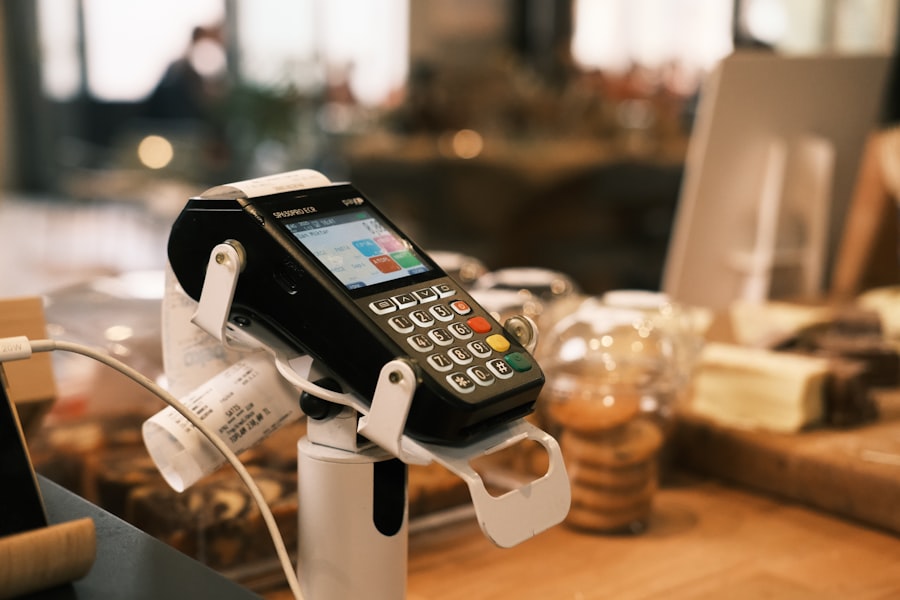
Despite their determined efforts, the “secret financial system” is not without its significant challenges and limitations. The established global financial order possesses immense inertia and widespread acceptance, making a complete displacement a formidable undertaking.
Liquidity and Convertibility Concerns
- The U.S. dollar benefits from unparalleled liquidity and deep, established markets. Currencies like the yuan and ruble, while growing in international use, still face challenges in achieving the same level of global acceptance and ease of convertibility, especially for third-party countries.
- Deep Markets: The sheer depth and ease with which dollar transactions can be executed globally remain a significant hurdle for emerging alternatives. Think of it as a well-trodden superhighway versus a newly constructed country road – the superhighway still carries the bulk of the traffic.
Trust and Transparency
- The Western financial system, despite its flaws, benefits from decades of established legal frameworks, regulatory oversight, and a general perception of transparency (though this is open to debate). Alternative systems, especially those perceived as less transparent or more politically controlled, may face an uphill battle in building comparable levels of trust among international businesses and investors.
- Perception of Risk: Concerns about capital controls, regulatory shifts, and the potential for political interference can deter foreign investment and complicate international transactions.
Technological Infrastructure and Interoperability
- While CIPS and SPFS are developing, their technological infrastructure and interoperability with existing global systems are still evolving. Seamless integration and widespread adoption require significant investment and standardization efforts.
- Network Effects: Existing global financial networks have benefited from strong network effects, where their value increases with the number of participants. Building similar network effects for alternative systems is a long-term endeavor.
Geopolitical Resistance and Countermeasures
- The development of alternative financial systems is not occurring in a vacuum. Western powers, recognizing the potential threat to their economic influence, may seek to implement countermeasures, exert diplomatic pressure, or impose additional restrictions on those who heavily engage with these alternative channels.
- Strategic Responses: The global financial landscape is a dynamic arena where strategic responses and counter-responses are inevitable.
Recent discussions have emerged regarding the covert financial systems that Russia and China are reportedly developing to circumvent Western sanctions and enhance their economic collaboration. This topic is gaining traction as analysts explore the implications of such a system on global trade dynamics. For a deeper understanding of how ancient civilizations approached complex systems, you might find this article on uncovering ancient astronomy secrets particularly enlightening, as it highlights the ingenuity of past societies in navigating their own challenges.
The Future of Global Finance: Coexistence or Conflict?
| Metric | Russia | China | Notes |
|---|---|---|---|
| Alternative Payment Systems | SPFS (System for Transfer of Financial Messages) | CIPS (Cross-Border Interbank Payment System) | Both developed to reduce reliance on SWIFT |
| Gold Reserves (Metric Tons) | Approx. 2300 | Approx. 2000 | Used to back financial stability and reduce dollar dependency |
| Use of National Currencies in Trade | Increasing use of Ruble | Increasing use of Yuan | Promotes bilateral trade without US dollar |
| Cryptocurrency Adoption | Growing interest, regulatory uncertainty | Strict regulations, but exploring digital yuan | Digital currencies as part of financial strategy |
| Sanctions Evasion Techniques | Use of alternative payment channels, barter trade | Use of state-controlled banks and digital payments | Designed to bypass Western financial restrictions |
The ongoing evolution of Russia and China’s financial initiatives presents a complex question for the future of global finance: will this lead to a fragmented, multipolar system characterized by competing blocs, or will it result in a more integrated, albeit diversified, global financial order? The current trajectory suggests a period of significant transition and potential divergence.
The Rise of a Multipolar Financial Order
- It is increasingly probable that the world is moving towards a more multipolar financial system. While the dollar is unlikely to be completely dethroned in the near to medium term, its dominance will likely be challenged, and its share in global reserves and transactions may gradually decline.
- A Mosaic of Currencies: The future could see a financial landscape where a basket of major currencies – including the dollar, euro, yuan, and potentially others – play significant roles, with regional blocs developing their own payment preferences.
Implications for Businesses and Investors
- Businesses involved in international trade will need to navigate an increasingly complex financial environment. This will require greater sophistication in managing currency risks, understanding different payment systems, and adapting to evolving regulatory landscapes.
- Navigational Complexity: Companies will need to become adept navigators of this evolving financial sea, understanding the currents and eddies of different currency zones and payment networks.
The Role of International Institutions
- The International Monetary Fund (IMF) and other international financial institutions will face the challenge of adapting to this evolving landscape. Their role in maintaining financial stability and promoting global cooperation may need to be re-evaluated in the context of these parallel systems.
- Adapting to New Realities: These institutions face the critical task of remaining relevant and effective in a world where established norms are being re-shaped.
Towards Increased Financial Autonomy
- Ultimately, the “secret financial system” represents a determined push for greater financial autonomy by Russia and China. While it operates with varying degrees of transparency and faces considerable hurdles, its development signifies a fundamental shift in the global economic balance of power and a clear signal that the era of unchallenged Western financial hegemony may be drawing to a close. The seeds sown are beginning to sprout, and their eventual harvest will undoubtedly reshape the global financial garden.

WATCH NOW ▶️ WARNING: The Dollar Just Became Optional
FAQs
What is the Russia-China secret financial system?
The Russia-China secret financial system refers to covert or less transparent financial mechanisms and networks developed by Russia and China to facilitate trade, investment, and financial transactions outside of traditional Western-dominated financial systems.
Why have Russia and China developed a secret financial system?
Russia and China have developed alternative financial systems to reduce their dependence on the US dollar and Western financial institutions, avoid sanctions, enhance economic sovereignty, and strengthen bilateral trade and investment ties.
How do Russia and China conduct transactions within this secret financial system?
They use various methods such as bilateral currency swaps, alternative payment systems, blockchain technology, and state-controlled financial institutions to conduct transactions that bypass traditional international banking channels.
Is the Russia-China secret financial system legal?
While many aspects of their financial cooperation are legal and part of sovereign economic policy, some activities may skirt international regulations or sanctions, leading to concerns from other countries about transparency and compliance.
What impact does the Russia-China secret financial system have on global finance?
This system challenges the dominance of Western financial institutions and the US dollar, potentially leading to a more multipolar global financial landscape, increased use of alternative currencies, and shifts in international trade and investment patterns.