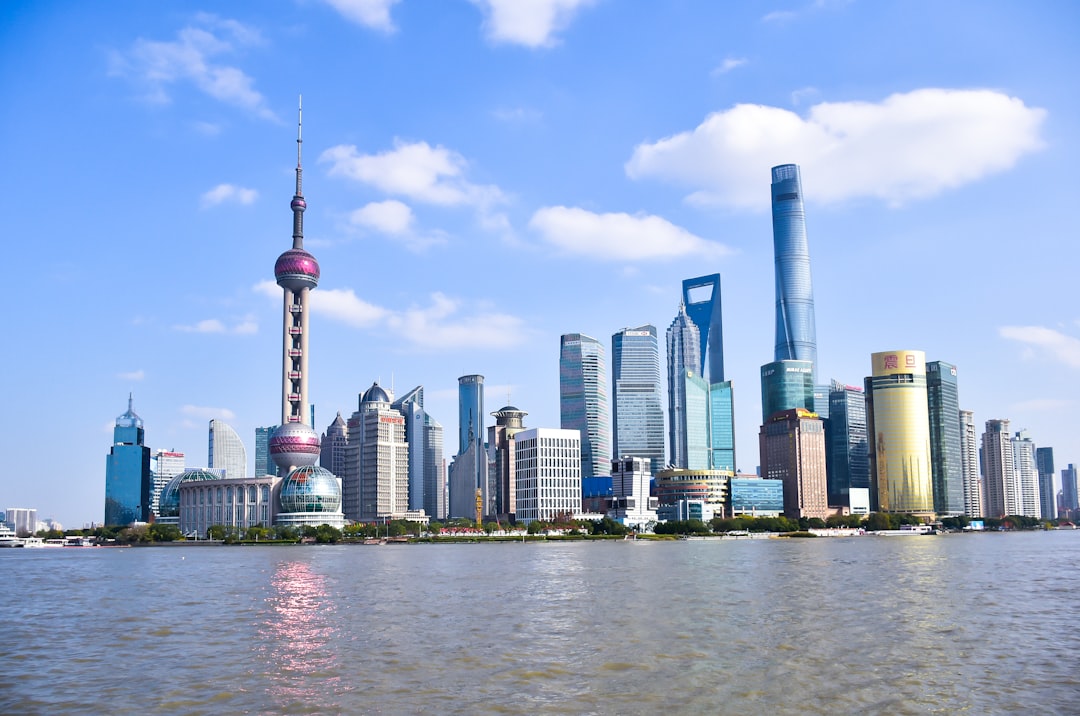
In the labyrinthine constructs of modern metropolises, where millions coalesce and commute, an intricate and often imperceptible process of delineation is continually unfolding. This is not a formal census or a demographic survey, but rather an organic, self-organizing phenomenon – the secret sorting of city dwellers. This phenomenon, while generally unquantified by official bodies, profoundly shapes urban experiences, influencing everything from the social fabric to the economic landscape. It is a silent, osmotic movement, driven by an interplay of socioeconomic factors, cultural preferences, and psychological predispositions that subtly, yet relentlessly, categorizes and stratifies the inhabitants of our concrete ecosystems.
Understanding the secret sorting necessitates an examination of its most potent driver: socioeconomic stratification. Within any large city, a hierarchy of wealth and opportunity invariably emerges, acting as an invisible hand guiding residents into distinct enclaves. This is a primary sorting mechanism, creating a mosaic of prosperity and struggle that often mirrors the city’s geographical layout.
Income and Property Values
The most overt manifestation of this sorting lies in the direct correlation between income levels and property values. Wealthier individuals gravitate towards areas characterized by higher housing costs, premium amenities, and often, more desirable school districts. This creates an upward spiral, where affluence attracts further investment and improvements, reinforcing the exclusivity of such neighborhoods. Conversely, lower-income residents are often relegated to areas with more affordable housing, which may be older, less well-maintained, and possess fewer public services. This economic gravity pulls individuals into their respective spheres, crafting distinct financial geographies within the urban sprawl.
Access to Services and Infrastructure
Beyond mere housing, socioeconomic sorting profoundly impacts access to essential services and infrastructure. Affluent areas typically boast superior public transportation networks, well-maintained parks, modern healthcare facilities, and a wider array of retail and entertainment options. Lower-income neighborhoods, on the other hand, may struggle with inadequate public transit, limited green spaces, and a scarcity of quality healthcare providers. This disparity is not merely coincidental; it is a direct consequence of the secret sorting, where resources are disproportionately allocated based on the perceived tax base and political influence of a given area. The urban landscape thus becomes a stratified offering, each layer providing a different quality and quantity of life’s fundamental provisions.
Educational Opportunities and Social Mobility
Perhaps one of the most critical aspects of socioeconomic sorting is its impact on educational opportunities and, by extension, social mobility. Children raised in affluent neighborhoods often benefit from well-funded public schools, smaller class sizes, and a higher proportion of experienced teachers. These advantages create a fertile ground for academic success and provide a stronger springboard for future educational and career prospects. In contrast, schools in lower-income areas may face chronic underfunding, higher student-to-teacher ratios, and struggle to retain qualified staff. This creates a cycle where geographic sorting reinforces existing inequalities, making it increasingly challenging for individuals from disadvantaged backgrounds to ascend the socioeconomic ladder. The city, in this respect, acts as a silent sculptor of destinies, shaping futures through its invisible boundaries.
In exploring the intriguing dynamics of urban life, a related article titled “How Cities Secretly Sort People” delves into the subtle mechanisms that influence social stratification within metropolitan areas. This piece highlights how factors such as housing policies, transportation access, and public services can inadvertently categorize residents, shaping their experiences and opportunities. To read more about this compelling topic, visit the article at How Cities Secretly Sort People.
Cultural and Ethnic Enclaves: A Mosaic of Identities
Beyond economics, the secret sorting is also heavily influenced by cultural and ethnic considerations. Cities are melting pots, but within these cauldrons, distinct cultural ingredients often refuse to fully dissolve, instead coalescing into discernible enclaves. These areas become vibrant hubs of shared heritage, language, and tradition, offering both comfort and challenges to their inhabitants.
The Pull of Familiarity
For many, particularly new immigrants or those from specific cultural backgrounds, the pull of familiarity is an undeniable force. Settling in an area where one’s language is spoken, traditional foods are available, and cultural norms are understood provides a crucial sense of belonging and community. These enclaves act as informal support networks, helping individuals navigate the complexities of a new or different urban environment. This homing instinct drives the formation of “Chinatowns,” “Little Italys,” or specific ethnic neighborhoods, where the cultural tapestry is woven thick and rich.
Avoiding or Seeking Out Homogeneity
Conversely, the secret sorting also involves a conscious or unconscious desire to avoid or seek out homogeneity. Some individuals actively choose to live in areas that reflect their own cultural background, finding solace and strength in shared identity. Others may intentionally seek out diversity, desiring a more cosmopolitan and heterogeneous environment. These preferences contribute to the formation of neighborhoods that are either predominantly monocultural or remarkably multicultural, reflecting the diverse aspirations and comfort levels of the city’s inhabitants. The city thus morphs into a collection of distinct ecosystems, each with its own unique cultural flora and fauna.
Preserving Traditions and Social Capital
Cultural enclaves play a vital role in preserving traditions and fostering social capital. Within these communities, cultural practices, religious observances, and linguistic heritage are often actively maintained and passed down through generations. This creates strong social bonds and networks, providing residents with a sense of collective identity and shared purpose. The close-knit nature of many cultural enclaves can also lead to increased community engagement and mutual support, acting as a buffer against the anonymity that can often characterize large urban environments. These areas are not merely residential zones; they are living repositories of cultural memory and communal strength.
Lifestyle and Preference-Driven Segregation: The Pursuit of Alignment
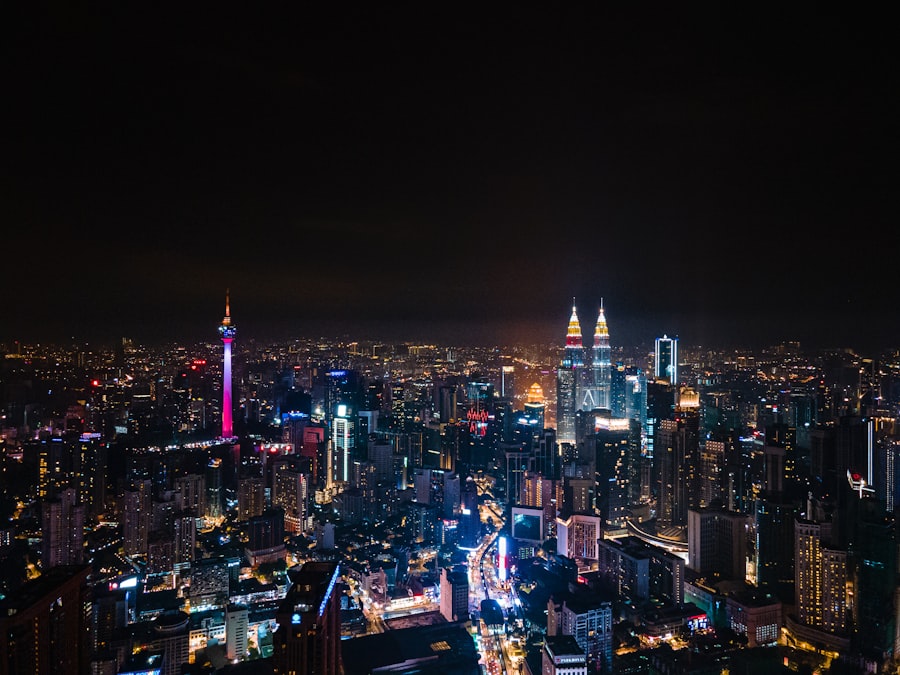
Beyond the foundational drivers of economics and culture, the secret sorting is also significantly shaped by individual lifestyle choices and personal preferences. As cities grow more diverse, so too do the desired amenities and social environments, leading to the emergence of highly specialized neighborhoods catering to specific inclinations.
The Bohemian vs. The Bourgeois
Consider the archetypal division between “bohemian” and “bourgeois” neighborhoods. Areas attracting artists, musicians, and forward-thinking individuals often feature independent businesses, unconventional architecture, and a vibrant, often counter-cultural, social scene. These areas prioritize creativity, community, and affordability over ostentation. In contrast, “bourgeois” enclaves cater to professionals and families seeking convenience, comfort, and a more conventional aesthetic. These areas are characterized by upscale boutiques, manicured parks, and highly-rated schools, reflecting a preference for stability and established comforts. The urban landscape thus offers a multitude of palettes for residents to paint their ideal lifestyle.
Commute Times and Accessibility
The daily ritual of commuting is another powerful sorter. Individuals with long commutes or those highly dependent on specific modes of transportation often gravitate towards areas that minimize their travel time or provide easy access to their preferred transit options. This creates a gradient of desirability around major transportation hubs and employment centers. The desire for a shorter commute can outweigh other factors, pushing individuals towards less ideal housing for the sake of convenience. The city, in this sense, becomes a complex transportation matrix, dictating where certain populations can realistically reside.
Aesthetics and Urban Character
Finally, the subjective appreciation of aesthetics and urban character plays an often underestimated role. Some individuals are drawn to the historical charm of older neighborhoods, with their distinctive architecture and tree-lined streets. Others prefer the sleek, modern aesthetic of newly developed high-rises and contemporary urban planning. The desire for specific types of public spaces, parks, or even the general “feeling” of a neighborhood can be a potent draw, leading individuals to seek out environments that resonate with their personal vision of an ideal urban existence. These intangible qualities contribute significantly to the secret sorting, shaping the character of different city districts.
The Digital Echoes of Physical Sorting: Online Communities and Information Silos
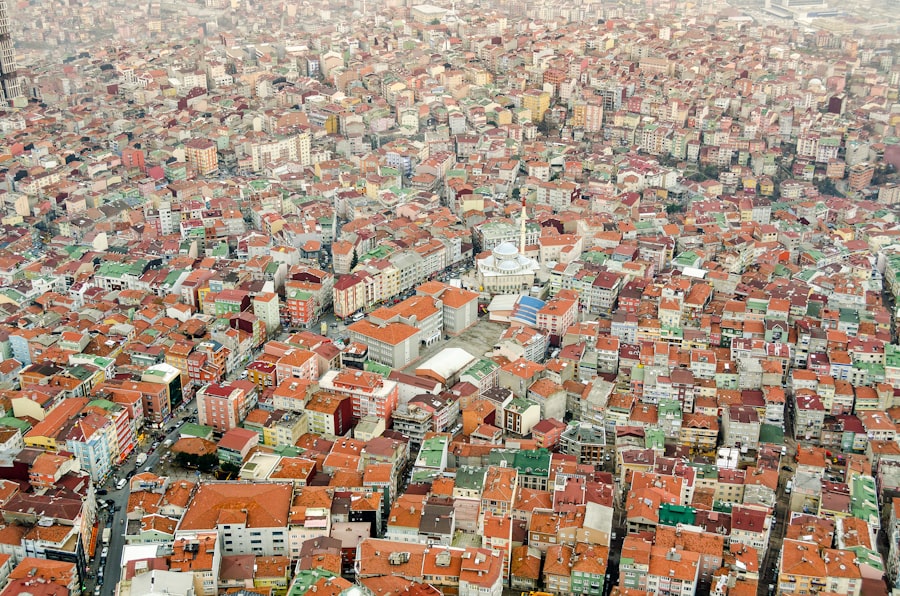
In the age of pervasive digital connectivity, the secret sorting extends beyond physical space, creating parallel divisions in the online world. While seemingly disembodied, these digital echoes significantly reinforce and reflect the physical sorting, shaping perceptions and informational landscapes.
Local Online Forums and Social Media Groups
Many neighborhoods and communities maintain active online forums, Facebook groups, or other social media channels. These platforms serve as digital gathering places, allowing residents to discuss local issues, share information, and organize events. While beneficial for community building, they also inadvertently reinforce segregation. Individuals who are not physically located within these areas, or who do not share the demographic characteristics of the dominant group, may feel unwelcome or simply not be aware of these digital spaces. This creates information silos, where local knowledge and community discourse are primarily confined to those already physically sorted into a given area.
Targeted Advertising and Algorithmic Bias
The digital realm also plays a more insidious role through targeted advertising and algorithmic bias. Online platforms, leveraging vast amounts of user data, tailor advertisements based on perceived demographics, interests, and location. This means that individuals in different neighborhoods may be exposed to wildly different product offerings, services, and even news content. Furthermore, search engine results and social media feeds can reinforce existing biases, showing individuals content that aligns with their current socioeconomic or cultural context. This algorithmic sorting can perpetuate existing inequalities, limiting exposure to diverse perspectives and opportunities for certain groups. The digital city, therefore, becomes a filtered experience, customized to one’s perceived place in the physical hierarchy.
The Reinforcement of Bubbles and Echo Chambers
The cumulative effect of these digital echoes is the reinforcement of “bubbles” and “echo chambers.” Individuals are increasingly exposed to information and opinions that align with their existing worldviews, which are often shaped by their physical surroundings and the secret sorting. This can make it more challenging to understand different perspectives, bridge social divides, and engage in constructive dialogue across socioeconomic and cultural boundaries. The digital landscape, instead of fostering connectivity, can solidify the very divisions that are quietly manifesting in the physical urban environment. The internet, in this context, acts as a vast, invisible membrane, allowing only certain information and interactions to pass through.
In recent discussions about urban development, the concept of how cities secretly sort people has gained attention, revealing the underlying mechanisms that influence social dynamics. A related article explores these themes in depth, shedding light on the subtle ways in which urban planning can affect community interactions and individual opportunities. For those interested in a more comprehensive analysis, you can read the full article here. This examination not only highlights the implications of such sorting but also encourages a critical look at how we can create more inclusive urban environments.
Navigating and Mitigating the Sorting: Towards Inclusive Urbanism
| City | Sorting Method | Criteria Used | Purpose | Impact on Residents |
|---|---|---|---|---|
| New York | Zoning Laws | Income Levels, Property Values | Segregate neighborhoods by wealth | Limited affordable housing in wealthy areas |
| London | School Catchment Areas | Residential Address | Control school admissions | Families move to affluent areas for better schools |
| Tokyo | Public Transport Access | Proximity to Transit Lines | Influence property desirability | Higher prices near transit, affecting affordability |
| Paris | Social Housing Allocation | Income, Family Size | Distribute low-income residents | Concentration of poverty in certain districts |
| San Francisco | Tech Industry Clusters | Employment Sector | Attract skilled workers | Gentrification and displacement of long-term residents |
Understanding the secret sorting is the first step towards navigating its complexities and, where necessary, mitigating its more detrimental effects. The goal is not to eliminate urban differentiation entirely – cities thrive on diversity – but to foster a more inclusive and equitable urban experience for all inhabitants.
Mixed-Use and Mixed-Income Development
One direct approach to counteracting socioeconomic sorting is through intentional urban planning that promotes mixed-use and mixed-income development. By integrating affordable housing alongside market-rate units, and by combining residential, commercial, and recreational spaces, cities can create environments that encourage greater social interaction and reduce spatial segregation. This requires proactive government policies, incentives for developers, and a willingness to challenge established zoning practices. The urban planner, in this scenario, acts as a thoughtful weaver, intentionally intertwining threads of different colors and textures.
Investment in Underserved Communities
Addressing historical disparities requires strategic investment in underserved communities. This includes improving public infrastructure, enhancing access to quality education and healthcare, and fostering economic development in areas that have been historically neglected. Such investments can not only improve the quality of life for current residents but also attract new businesses and residents, slowly diversifying the socioeconomic makeup of these neighborhoods. This is an act of deliberate rebalancing, seeking to correct the persistent tilt caused by decades of unequal distribution.
Cultural Exchange and Intergroup Dialogue
To bridge cultural and ethnic divides, promoting cultural exchange and intergroup dialogue is paramount. Cities can support cultural festivals, community events, and educational programs that encourage residents from different backgrounds to interact, learn from one another, and build relationships. These initiatives help to break down stereotypes, foster mutual understanding, and create a more cohesive social fabric across disparate enclaves. Such efforts serve as cultural bridges, connecting the islands of diverse identities within the urban ocean.
Digital Literacy and Critical Media Consumption
Finally, in the digital realm, promoting digital literacy and critical media consumption is crucial. Educating citizens on how algorithms shape their online experiences, encouraging them to seek out diverse sources of information, and fostering a healthy skepticism towards online narratives can help to counteract the self-reinforcing nature of digital echo chambers. This empowers individuals to consciously navigate the digital landscape, rather than being passively sorted by unseen forces. This is about equipping the urban dweller with a sophisticated compass, enabling them to chart their own course through the vast digital seas.
The secret sorting of city dwellers is an enduring and multifaceted phenomenon. It is a testament to the dynamic and organic nature of urban life, shaped by a confluence of economic incentives, cultural affinities, and individual preferences. While often invisible to the casual observer, its effects ripple through every aspect of urban existence, defining opportunities, shaping destinies, and influencing the very character of our concrete jungles. By understanding its mechanisms, we can begin to envision and build cities that are not just efficient or prosperous, but also genuinely inclusive and equitable for every single inhabitant.
FAQs
What does it mean that cities “secretly sort people”?
It refers to the ways urban environments and policies unintentionally or deliberately organize residents into different social, economic, or demographic groups. This sorting can occur through housing, transportation, zoning laws, and access to services.
What factors contribute to the sorting of people in cities?
Key factors include housing affordability, neighborhood amenities, school quality, public transportation access, and local government policies. These elements influence where different groups of people live and work within a city.
How do zoning laws affect the sorting of people in urban areas?
Zoning laws regulate land use and can restrict certain types of housing or businesses in specific areas. This can lead to segregation by income or race, as some neighborhoods become exclusive or inaccessible to lower-income residents.
Are there social consequences to cities sorting people?
Yes, sorting can lead to increased social inequality, reduced economic mobility, and limited access to resources for marginalized groups. It can also affect community cohesion and contribute to systemic disparities.
Can cities take steps to reduce secret sorting and promote inclusivity?
Yes, cities can implement inclusive zoning, invest in affordable housing, improve public transportation, and create equitable access to education and services. These measures help create more diverse and integrated urban communities.