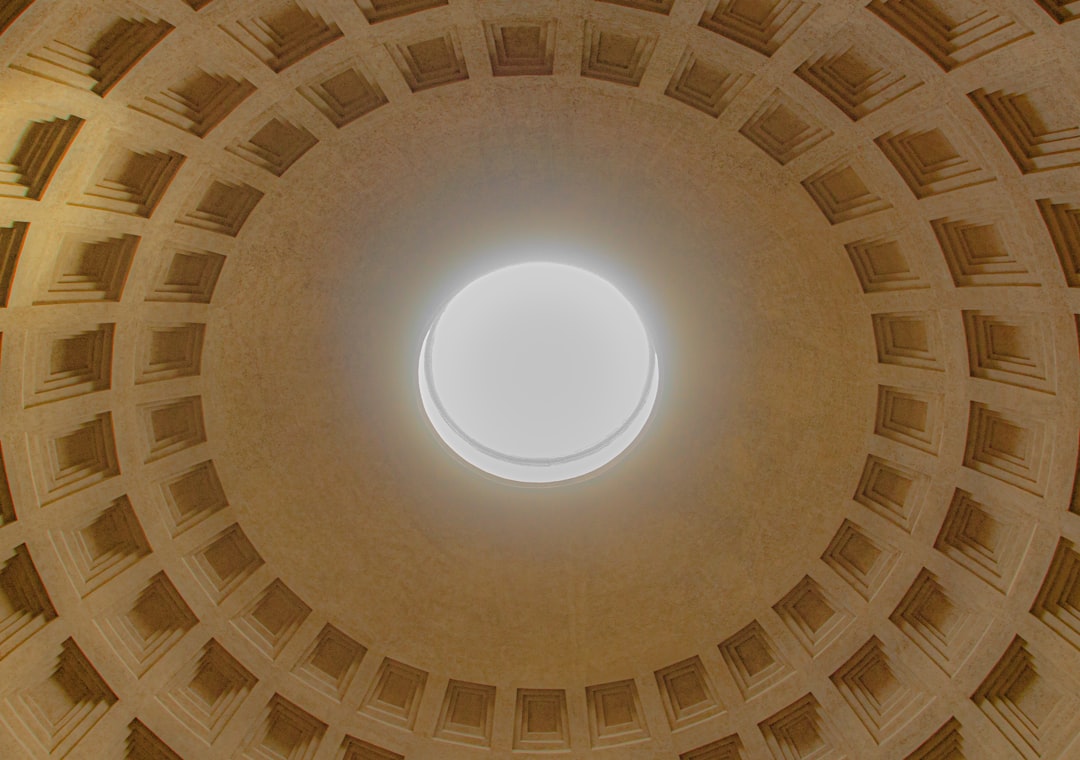
Roman concrete, known as opus caementicium, stands as a testament to the ingenuity of ancient engineering. This remarkable building material played a pivotal role in the construction of some of the most iconic structures of the Roman Empire, including the Pantheon and the Colosseum. Its durability and versatility allowed the Romans to create vast architectural wonders that have withstood the test of time.
Unlike modern concrete, which relies heavily on Portland cement, Roman concrete was a unique blend of materials that contributed to its exceptional strength and longevity. The significance of Roman concrete extends beyond mere construction; it symbolizes the advanced understanding of materials and engineering principles possessed by the Romans. As historians and archaeologists continue to study this ancient material, they uncover insights into the techniques and innovations that enabled the Romans to build their empire.
The legacy of Roman concrete is not only evident in its physical structures but also in its influence on modern construction practices, making it a subject of great interest for both scholars and engineers alike.
Key Takeaways
- Roman concrete is known for its durability and longevity, and has been used in iconic structures such as the Pantheon and the Colosseum.
- The key ingredients of Roman concrete include volcanic ash, lime, and seawater, which contribute to its strength and resilience.
- Volcanic ash played a crucial role in Roman concrete by providing pozzolanic reactions that improved the concrete’s strength and durability.
- The chemical reaction in Roman concrete, known as pozzolanic reaction, creates a binding material that strengthens the concrete over time.
- Water played a vital role in Roman concrete by activating the chemical reactions and contributing to the long-term strength and stability of the concrete.
Ingredients of Roman Concrete
The composition of Roman concrete was a carefully curated blend of various ingredients, each contributing to its overall performance. The primary components included lime, volcanic ash, water, and aggregates such as stones or gravel. Lime, derived from limestone through a process of calcination, served as the binder that held the mixture together.
The choice of volcanic ash, particularly from regions like Pozzuoli near Naples, was crucial in enhancing the material’s properties. Aggregates played a vital role in providing bulk and stability to the concrete. The Romans often used locally sourced materials, which varied depending on the region.
This practice not only ensured that the concrete was well-suited to its environment but also reduced transportation costs. The combination of these ingredients created a material that was not only strong but also capable of setting underwater, a feature that allowed for the construction of harbors and other marine structures.
The Role of Volcanic Ash in Roman Concrete
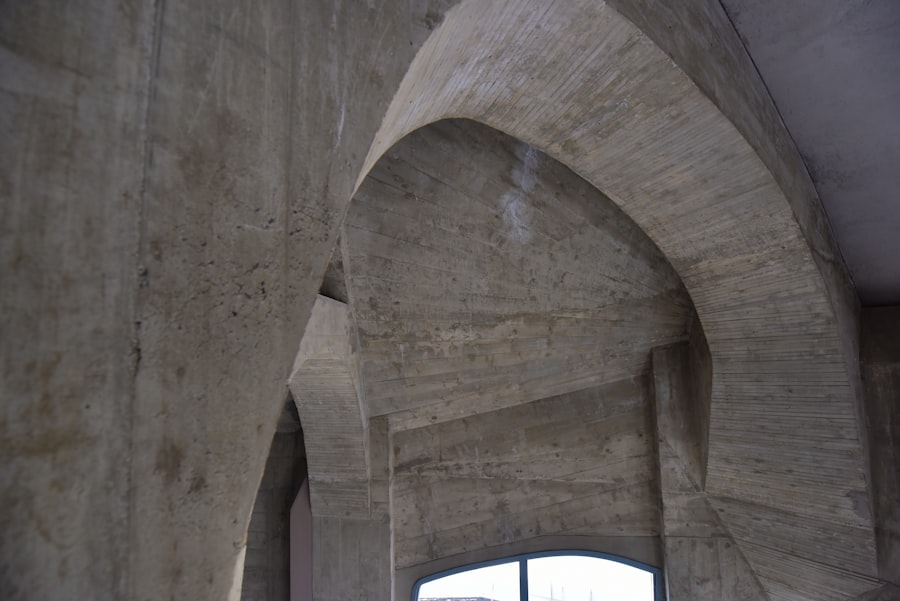
Volcanic ash was a key ingredient in Roman concrete, significantly enhancing its durability and resistance to environmental factors. The ash contained silica and alumina, which reacted with lime during the curing process to form compounds that contributed to the concrete’s strength. This pozzolanic reaction was a groundbreaking discovery for the Romans, allowing them to create a material that could withstand harsh conditions, including exposure to seawater.
The use of volcanic ash also provided Roman concrete with unique properties that set it apart from modern alternatives. Structures built with this material exhibited remarkable resilience against cracking and erosion over time. The incorporation of volcanic ash not only improved the mechanical properties of the concrete but also allowed for greater flexibility in design, enabling architects to create more ambitious structures than ever before.
The Chemical Reaction in Roman Concrete
| Chemical Reaction in Roman Concrete | |
|---|---|
| Key Components | Volcanic ash, lime, and seawater |
| Strength | Increases over time due to the formation of new minerals |
| Durability | Resistant to chemical and physical degradation |
| Modern Applications | Studied for potential use in sustainable construction |
The chemical reactions that occur during the curing of Roman concrete are fundamental to its strength and longevity. When water is added to the mixture of lime and volcanic ash, a series of complex reactions take place. Initially, calcium hydroxide is formed as lime hydrates, which then reacts with silica from the volcanic ash to produce calcium silicate hydrate (C-S-H).
As time progresses, additional reactions continue to occur, further enhancing the material’s properties. The formation of other compounds, such as calcium aluminate hydrates, contributes to the overall durability of Roman concrete.
These ongoing chemical processes are what allow structures made from this ancient material to endure for centuries, often outlasting their modern counterparts.
The Importance of Water in Roman Concrete
Water is an essential component in the creation of Roman concrete, playing a critical role in initiating the chemical reactions necessary for curing. The quality and quantity of water used can significantly impact the final properties of the concrete. The Romans understood this well and often utilized water from local sources that were clean and free from impurities.
Moreover, the curing process itself is heavily reliant on water. Proper curing ensures that the chemical reactions proceed optimally, allowing for maximum strength development over time. The Romans employed various techniques to maintain moisture levels during curing, such as covering newly poured concrete with wet materials or using water-retaining additives.
This attention to detail in managing water usage reflects their advanced understanding of material science.
The Role of Curing in Roman Concrete Strength
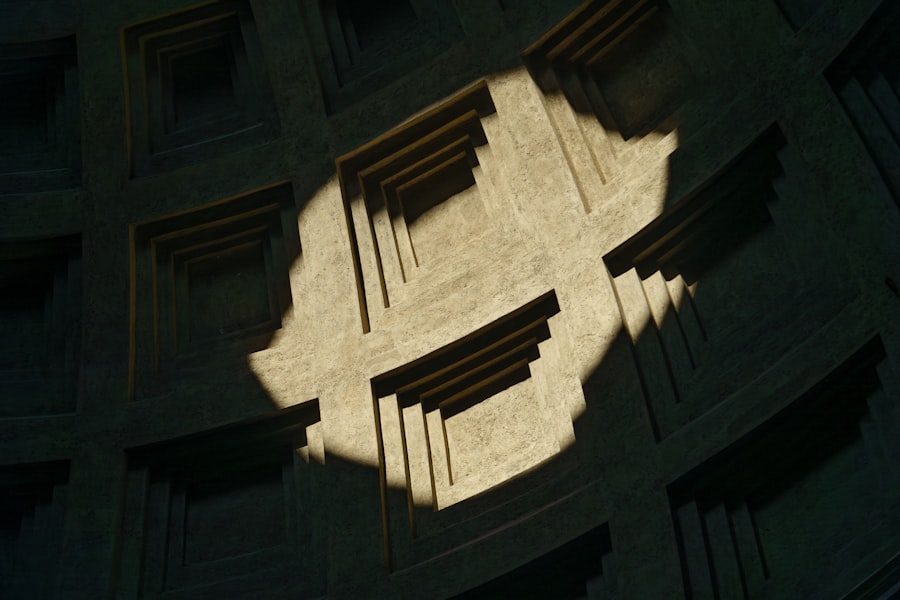
Curing is a critical phase in the production of Roman concrete that directly influences its final strength and durability. The Romans recognized that allowing their concrete to cure properly was essential for achieving optimal performance. During this period, which could last several weeks or even months, the concrete undergoes significant changes as it hardens and gains strength.
The methods employed by the Romans to ensure effective curing varied depending on environmental conditions and available resources. In some cases, they would keep the surface moist by regularly spraying it with water or covering it with wet cloths. This practice prevented premature drying and cracking, allowing for a more uniform development of strength throughout the structure.
Their meticulous approach to curing is one reason why many Roman structures have survived intact for millennia.
The Longevity of Roman Concrete
The longevity of Roman concrete is one of its most remarkable features, with many structures still standing after nearly two millennia. This durability can be attributed to several factors, including its unique composition, the pozzolanic reactions that occur during curing, and the careful attention given to curing practices. Unlike modern concrete, which can deteriorate relatively quickly due to environmental exposure, Roman concrete has demonstrated an extraordinary ability to withstand time’s ravages.
One notable example is the Pantheon in Rome, which boasts the largest unreinforced concrete dome in existence. Its continued stability is a testament to the effectiveness of Roman engineering techniques and materials. Additionally, many ancient harbors constructed using Roman concrete have remained functional despite centuries of exposure to seawater, further illustrating its resilience.
Modern Applications of Roman Concrete
In recent years, there has been a resurgence of interest in Roman concrete among modern engineers and architects seeking sustainable building materials. Researchers are studying its composition and properties to develop new formulations that mimic its durability while reducing environmental impact. By incorporating volcanic ash and other natural pozzolans into contemporary concrete mixes, modern builders aim to create structures that are not only strong but also environmentally friendly.
Furthermore, some architects are drawing inspiration from Roman techniques in their designs. The use of arches and domes, hallmarks of Roman architecture, is being revisited as modern architects explore ways to create aesthetically pleasing yet structurally sound buildings. The principles behind Roman concrete serve as a reminder that ancient wisdom can inform contemporary practices in construction.
Challenges in Replicating Roman Concrete
Despite its many advantages, replicating Roman concrete poses several challenges for modern scientists and engineers. One significant hurdle is sourcing high-quality volcanic ash similar to that used by the Romans. While some regions still produce suitable pozzolans, they may not be readily available everywhere, limiting widespread adoption.
Additionally, understanding the precise ratios and methods used by ancient builders can be difficult due to limited historical documentation.
This trial-and-error approach can be time-consuming and costly but is essential for unlocking the secrets behind this ancient material.
Environmental Impact of Roman Concrete
The environmental impact of Roman concrete is an area of growing interest as sustainability becomes increasingly important in construction practices today. Unlike modern Portland cement production, which is energy-intensive and contributes significantly to carbon emissions, Roman concrete’s reliance on natural materials like volcanic ash presents a more eco-friendly alternative. Moreover, because Roman concrete can set underwater and withstand harsh marine environments without deteriorating quickly, it offers potential solutions for sustainable coastal construction projects.
By studying ancient techniques and materials, modern builders can develop practices that minimize environmental harm while still achieving structural integrity.
The Legacy of Roman Concrete
The legacy of Roman concrete endures as a symbol of innovation and resilience in engineering history. Its unique composition and remarkable durability have inspired generations of builders and researchers alike. As modern society grapples with challenges related to sustainability and environmental impact, revisiting ancient practices like those employed by the Romans may provide valuable insights into creating more sustainable construction methods.
In essence, Roman concrete represents not just a building material but a bridge between past and present engineering practices. Its continued relevance serves as a reminder that lessons from history can inform contemporary solutions, ensuring that future generations can build upon the foundations laid by those who came before them.
Roman concrete has long been admired for its durability and strength, often outperforming modern concrete in various applications. A related article that delves into the unique properties and composition of Roman concrete can be found at Real Lore and Order. This resource explores the ancient techniques and materials used by Roman engineers, shedding light on why their concrete structures have withstood the test of time, even in harsh environmental conditions.
WATCH THIS! 15 Ancient Weapons That BROKE History (And Were Hidden)
FAQs
What is Roman concrete?
Roman concrete, also known as opus caementicium, is a type of concrete used in ancient Rome. It was a key building material in the construction of Roman architecture, including structures such as the Pantheon and the Colosseum.
Why is Roman concrete considered stronger than modern concrete?
Roman concrete is considered stronger than modern concrete due to the use of volcanic ash, which creates a more durable and long-lasting material. The chemical composition of Roman concrete also allows it to withstand the test of time, as evidenced by the longevity of many ancient Roman structures.
What is the role of volcanic ash in Roman concrete?
Volcanic ash, also known as pozzolana, was a key ingredient in Roman concrete. When mixed with lime and water, volcanic ash creates a chemical reaction that strengthens the concrete and makes it more resistant to erosion and cracking.
How does the chemical composition of Roman concrete contribute to its strength?
The chemical composition of Roman concrete, including the use of volcanic ash and lime, creates a durable and long-lasting material. The formation of calcium-aluminum-silicate-hydrate (C-A-S-H) within the concrete contributes to its strength and resilience.
What are some examples of Roman concrete structures that have stood the test of time?
Some examples of Roman concrete structures that have stood the test of time include the Pantheon, the Colosseum, and the aqueducts of Rome. These structures demonstrate the longevity and durability of Roman concrete.