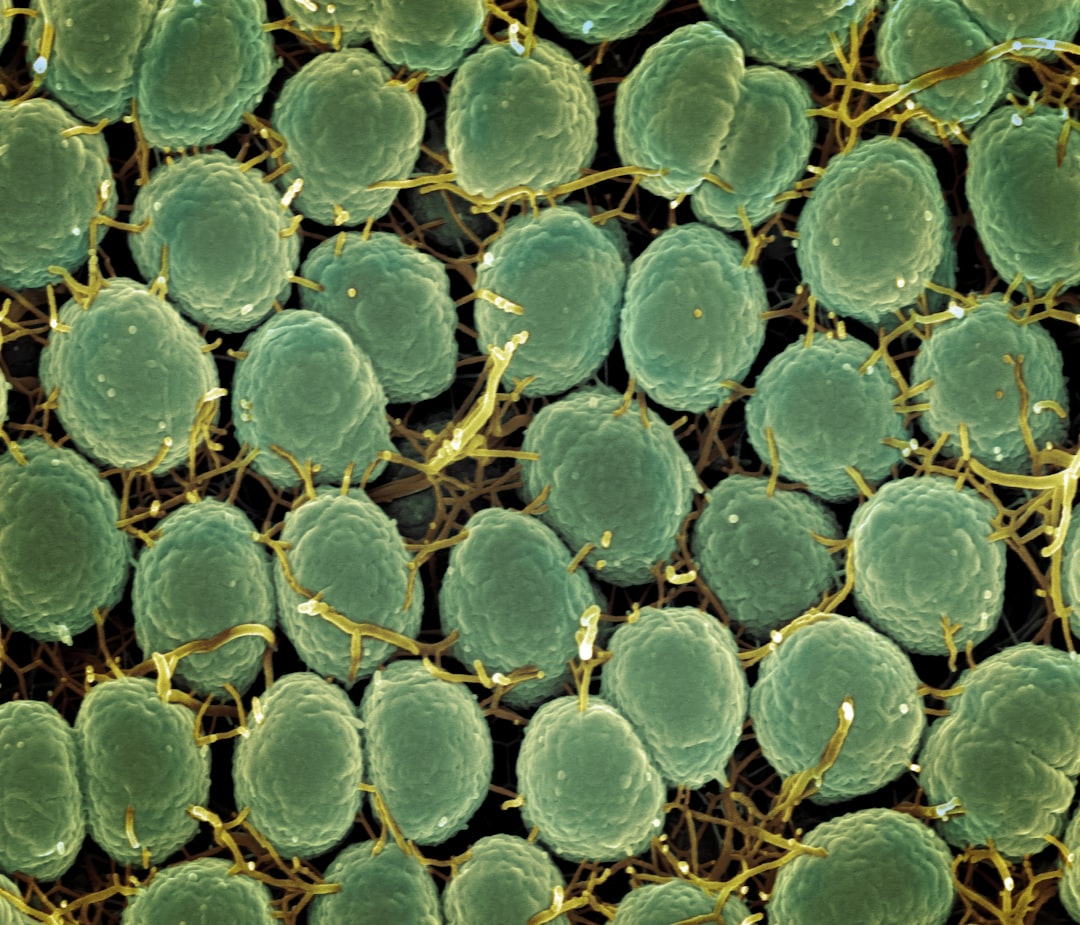
The ancient world was not only shaped by the rise and fall of empires, but also by the invisible forces of nature that could alter the course of human history. Among these forces was the phenomenon known as the ancient microbial bloom, a surge in microbial populations that had profound implications for societies across various regions. This bloom, often characterized by an increase in pathogenic microorganisms, led to widespread disease outbreaks that decimated populations and disrupted social structures.
The term “silent plague” aptly describes the insidious nature of these microbial events, as they often struck without warning, leaving devastation in their wake. The ancient microbial bloom serves as a reminder of humanity’s vulnerability to unseen threats. While the historical records may be sparse, the impact of these microbial events is evident in archaeological findings and historical texts.
The study of this phenomenon not only sheds light on the health challenges faced by ancient civilizations but also provides insights into how these societies adapted to and coped with such crises. Understanding the ancient microbial bloom is crucial for comprehending the intricate relationship between humans and their environment, as well as the ongoing battle against infectious diseases.
Key Takeaways
- The ancient microbial bloom had a significant impact on ancient societies, leading to widespread illness and death.
- Historical evidence suggests that the silent plague caused by the microbial bloom had devastating effects on populations across different regions.
- Climate change likely played a role in the ancient microbial bloom, affecting the spread and severity of the silent plague.
- Ancient societies coped with the silent plague through various methods, including quarantine, herbal remedies, and religious practices.
- The legacy of the ancient microbial bloom provides valuable lessons for understanding and preventing future microbial blooms, with modern implications for public health and disease prevention.
Historical Evidence of the Silent Plague
Historical evidence of the silent plague can be traced through various sources, including ancient texts, archaeological findings, and even genetic analyses of pathogens. Ancient historians like Thucydides and Hippocrates documented outbreaks that bear striking similarities to modern understandings of infectious diseases. For instance, Thucydides described a devastating plague that struck Athens during the Peloponnesian War, characterized by symptoms that align with typhus or typhoid fever.
Such accounts provide a glimpse into the catastrophic effects of microbial blooms on populations, illustrating how these events were often perceived as divine punishment or a test of societal resilience. Archaeological excavations have also revealed mass graves and skeletal remains that suggest significant mortality rates during certain periods. In regions like the Roman Empire, evidence of sudden population declines aligns with historical accounts of plagues.
The analysis of ancient DNA has further illuminated the presence of pathogens such as Yersinia pestis, the bacterium responsible for the Black Death, which may have had earlier manifestations in antiquity. These findings underscore the importance of interdisciplinary approaches in reconstructing the historical narrative surrounding the silent plague and its impact on ancient societies.
Impact of the Microbial Bloom on Ancient Societies

The impact of the ancient microbial bloom on societies was multifaceted, affecting not only health but also economic stability and social cohesion. As disease spread through communities, it often led to significant population declines, which in turn disrupted agricultural production and trade networks. The loss of laborers meant that fields went untended, leading to food shortages and famine.
This economic strain could exacerbate existing social tensions, resulting in unrest and conflict as communities struggled to adapt to their new realities. Moreover, the psychological toll of these microbial events cannot be understated. The fear of contagion often led to social isolation and stigmatization of those who fell ill.
Communities that once thrived on interconnectedness found themselves fractured as individuals retreated into their homes to avoid infection. The breakdown of social structures was particularly evident in urban centers, where crowded living conditions facilitated the rapid spread of disease. In many cases, the ancient microbial bloom not only decimated populations but also altered cultural practices and beliefs, leading to a reevaluation of health, hygiene, and community responsibility.
Understanding the Causes of the Ancient Microbial Bloom
| Causes of Ancient Microbial Bloom | Metrics |
|---|---|
| Increased nutrient availability | High levels of phosphorus and nitrogen |
| Changes in ocean circulation | Shifts in currents and upwelling events |
| Impact of volcanic activity | Release of nutrients and gases into the atmosphere |
| Role of microbial communities | Diversity and abundance of specific microbial species |
Understanding the causes behind the ancient microbial bloom requires a comprehensive examination of environmental factors, human behavior, and societal structures. One significant contributor was the rise of agriculture and urbanization. As humans transitioned from nomadic lifestyles to settled farming communities, they began to live in closer proximity to one another and to domesticated animals.
This increased contact created ideal conditions for pathogens to jump from animals to humans, leading to new diseases emerging within populations. Additionally, climate change played a crucial role in shaping the dynamics of microbial blooms. Fluctuations in temperature and precipitation patterns could create favorable conditions for certain pathogens to thrive.
For instance, warmer temperatures might enhance the reproduction rates of bacteria or increase the survival rates of viruses in water sources. These environmental shifts could lead to outbreaks coinciding with periods of drought or flooding, further complicating human responses to disease. By examining these interconnected factors, researchers can gain a clearer understanding of how ancient societies navigated the challenges posed by microbial blooms.
Uncovering the Spread of the Silent Plague
The spread of the silent plague was often facilitated by trade routes and migration patterns that connected distant regions. As merchants traveled across land and sea, they unwittingly carried pathogens with them, introducing diseases to new populations that had no prior exposure or immunity. The Silk Road, for example, served as a conduit for not only goods but also germs, allowing for rapid dissemination of infectious agents across vast distances.
In addition to trade, warfare played a significant role in spreading diseases among populations. Armies on the move often brought illness with them into newly conquered territories, where local populations were unprepared for such outbreaks. Historical accounts suggest that military campaigns were frequently accompanied by plagues that decimated both soldiers and civilians alike.
The Role of Climate Change in the Ancient Microbial Bloom
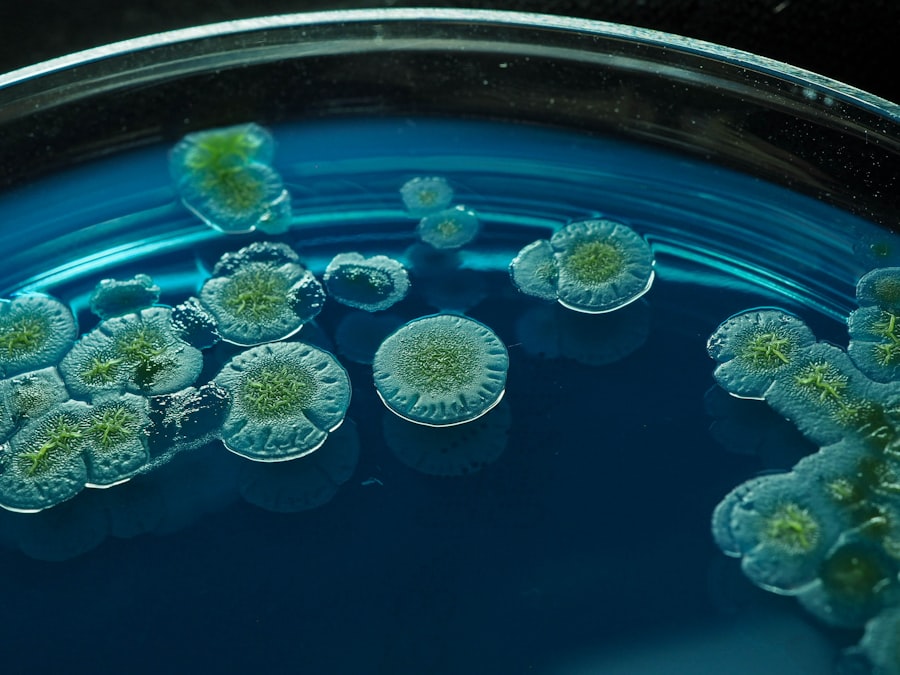
Climate change has long been recognized as a critical factor influencing human health and disease patterns throughout history. In ancient times, shifts in climate could lead to changes in agricultural productivity and water availability, which in turn affected population density and health outcomes. For instance, periods of drought could force communities to congregate around dwindling water sources, creating conditions ripe for disease transmission.
Moreover, climate change could alter ecosystems in ways that favored certain pathogens over others. Warmer temperatures might expand the habitats suitable for disease vectors like mosquitoes or rodents, increasing the likelihood of zoonotic spillover events where diseases jump from animals to humans. The cyclical nature of climate change and its impact on human societies underscores the need for a holistic understanding of how environmental factors contribute to public health crises.
How Did Ancient Societies Cope with the Silent Plague?
Ancient societies employed a variety of strategies to cope with the challenges posed by microbial blooms. Public health measures such as quarantine practices emerged as communities sought to contain outbreaks and protect their populations. Historical records indicate that during times of plague, cities would often isolate affected individuals or entire households to prevent further spread.
These early forms of quarantine reflect an understanding—albeit rudimentary—of contagion and disease transmission. In addition to isolation measures, ancient societies turned to religious and spiritual practices as a means of coping with the psychological burden of disease. Rituals aimed at appeasing deities or seeking divine intervention became commonplace during outbreaks.
Communities would engage in prayer, sacrifice, or other forms of supplication in hopes of averting further calamity. This intertwining of health practices with spiritual beliefs illustrates how deeply ingrained these responses were in ancient cultures.
Lessons Learned from the Ancient Microbial Bloom
The ancient microbial bloom offers valuable lessons for contemporary society regarding public health preparedness and response strategies. One key takeaway is the importance of early detection and rapid response to emerging infectious diseases. Historical accounts demonstrate that societies that acted swiftly to implement containment measures were often more successful in mitigating the impact of outbreaks.
Furthermore, understanding the interconnectedness between human behavior and environmental factors is crucial for preventing future microbial blooms. As modern society grapples with issues such as climate change and urbanization, it is essential to recognize how these elements can influence disease dynamics. By learning from past experiences, contemporary public health officials can develop more effective strategies for managing infectious diseases in an increasingly interconnected world.
Modern Implications of the Silent Plague
The implications of studying the silent plague extend beyond historical curiosity; they resonate deeply within modern public health discourse. As global travel becomes more accessible and climate change continues to reshape ecosystems, societies face heightened risks from emerging infectious diseases reminiscent of those encountered in antiquity. The lessons learned from ancient microbial blooms can inform current strategies for surveillance, prevention, and response.
Moreover, understanding historical pandemics can foster greater public awareness about the importance of vaccination and hygiene practices in controlling disease spread. By drawing parallels between past events and contemporary challenges such as COVID-19 or antibiotic resistance, public health campaigns can emphasize collective responsibility in safeguarding community health.
Preventing Future Microbial Blooms
Preventing future microbial blooms requires a multifaceted approach that encompasses environmental stewardship, public health infrastructure, and community engagement. Sustainable agricultural practices can help mitigate risks associated with zoonotic diseases by reducing human-animal contact and promoting biodiversity within ecosystems. Additionally, investing in robust public health systems ensures that communities are better equipped to respond swiftly to emerging threats.
Education plays a pivotal role in prevention efforts as well; raising awareness about hygiene practices and vaccination can empower individuals to take proactive measures against infectious diseases. Furthermore, fostering collaboration between scientists, policymakers, and communities can lead to more effective strategies for monitoring environmental changes that may signal impending outbreaks.
The Legacy of the Ancient Microbial Bloom
The legacy of the ancient microbial bloom is one marked by resilience and adaptation in the face of adversity. While these events brought untold suffering and loss to countless individuals throughout history, they also spurred innovations in public health practices and societal responses that continue to shape contemporary approaches to disease management. By studying this complex interplay between humans and microorganisms, modern society can glean insights into navigating current challenges while honoring the lessons learned from those who came before.
Ultimately, understanding the ancient microbial bloom serves as a reminder that humanity’s struggle against infectious diseases is far from over; it is an ongoing narrative woven into the fabric of human existence. As societies confront new threats posed by emerging pathogens and environmental changes, they must remain vigilant and adaptable—drawing strength from history while forging a path toward a healthier future for all.
The phenomenon of the “quiet plague” caused by ancient microbial blooms is a fascinating topic that has garnered attention in recent scientific discussions. A related article that delves into the historical and environmental impacts of such microbial events can be found on Real Lore and Order. This article provides a comprehensive overview of how these ancient blooms have shaped ecosystems over millennia and their potential implications for modern environmental challenges. For more in-depth insights, you can read the full article by visiting Real Lore and Order.
WATCH THIS! The Lost Tech They Buried to Control Us
FAQs
What is the “quiet plague” ancient microbial bloom?
The “quiet plague” ancient microbial bloom refers to the discovery of ancient microbial life forms that have been found in various environments, such as deep sea sediments and ancient rocks. These microbes have been dormant for millions of years and their sudden awakening has raised concerns about potential impacts on modern ecosystems.
How were the ancient microbial blooms discovered?
The ancient microbial blooms were discovered through the analysis of deep sea sediments and ancient rocks using advanced scientific techniques such as DNA sequencing and microscopy. These techniques have allowed scientists to identify and study the dormant microbial life forms that have been preserved for millions of years.
What are the potential impacts of the ancient microbial blooms on modern ecosystems?
The awakening of ancient microbial blooms raises concerns about potential impacts on modern ecosystems, as these dormant microbes may have the ability to adapt and thrive in current environmental conditions. This could potentially lead to changes in nutrient cycling, carbon storage, and other ecological processes.
How do scientists study ancient microbial blooms?
Scientists study ancient microbial blooms by collecting samples from deep sea sediments and ancient rocks, and then analyzing them using techniques such as DNA sequencing, microscopy, and geochemical analysis. These methods allow scientists to identify and study the dormant microbial life forms that have been preserved for millions of years.
What are the implications of the discovery of ancient microbial blooms?
The discovery of ancient microbial blooms has significant implications for our understanding of microbial life on Earth and its potential impact on modern ecosystems. It also raises questions about the potential risks and benefits of awakening dormant microbes that have been preserved for millions of years.