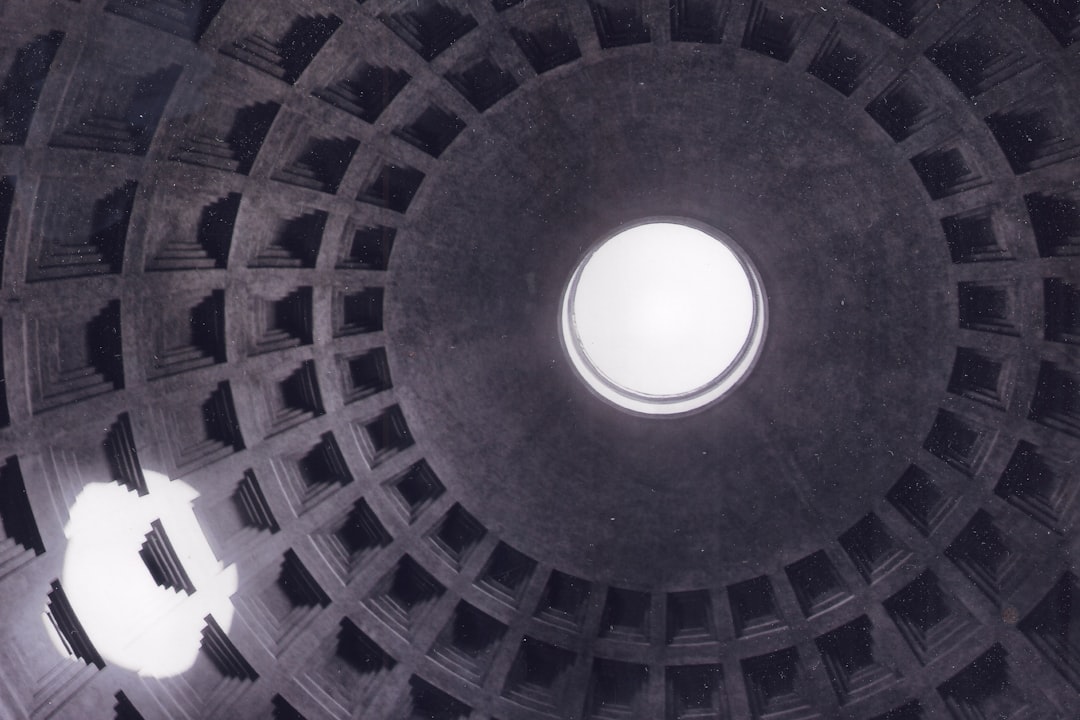
The enduring legacy of the Roman Empire extends far beyond its military conquests and political structures. It is etched into the very fabric of the Western world, often in a material sense. For centuries, Roman structures have stood as silent witnesses to the passage of time, their monumental presence a testament to the ingenuity of their creators. Among the many innovations that fostered this remarkable durability, Roman concrete stands out as a keystone, a material whose superior strength and longevity continue to mystify and impress modern engineers.
The Romans did not invent concrete; the concept of mixing binding agents with aggregates had been explored by earlier civilizations, most notably the Minoans and Egyptians. However, it was the Romans who elevated this foundational idea into a sophisticated and systematic building material. Their mastery transformed construction from a labor-intensive process relying on meticulously cut stone to a more adaptable and robust method.
Early Experimentation: A Slow Evolving Process
- Precursors in the Ancient World: Evidence suggests that early forms of concrete, albeit less durable, were utilized in Mesopotamia and by the Egyptians for foundations and rudimentary structures. These mixtures typically employed gypsum or bitumen as binders.
- Greek Contributions: While the Greeks were renowned for their architectural precision using cut stone, they also experimented with hydraulic mortars, particularly for underwater constructions. These were a step towards the Roman development, but lacked the full potential of their successors.
- The Roman Breakthrough: The Romans, driven by their insatiable need for infrastructure – roads, aqueducts, harbors, and public buildings – sought a material that was readily available, versatile, and capable of withstanding the harshness of their extensive empire. Their breakthrough lay in understanding and harnessing the properties of volcanic ash, known as pozzolana.
Recent studies have highlighted the remarkable durability of Roman concrete, which has been found to be stronger than many modern concrete formulations. This ancient material, composed of volcanic ash, lime, and seawater, has demonstrated resilience against environmental factors that often degrade contemporary concrete. For a deeper understanding of the properties and advantages of Roman concrete, you can explore the article available at this link.
The Secret Ingredient: The Mighty Pozzolana
The true genius of Roman concrete lies not just in its formulation but in the specific ingredients employed. While lime mortar was a common binder, the Romans discovered that when combined with pozzolana, a volcanic ash found predominantly near Pompeii and other volcanic regions of Italy, the resulting concrete exhibited extraordinary properties. This volcanic ash was not merely a filler; it was a reactive ingredient that fundamentally altered the nature of the cement.
Unraveling the Pozzolanic Reaction
- Calcium Hydroxide as the Base: Roman concrete typically began with a mixture of lime (calcium oxide) and water, which reacted to form calcium hydroxide. This is the fundamental binder in traditional lime mortars.
- The Catalytic Power of Silicon Dioxide: The magic truly happened when pozzolana, rich in amorphous silica and alumina, was introduced. These compounds, when in the presence of calcium hydroxide and water, undergo a series of chemical reactions known as pozzolanic reactions.
- Formation of Calcium Silicate Hydrates (CSH): The primary outcome of this reaction is the formation of calcium silicate hydrates (CSH) and calcium aluminate hydrates. These CSH compounds are the microscopic backbone of modern cement, providing strength and durability. In Roman concrete, their formation was far more extensive and complex than in simple lime mortars.
- A Self-Healing Mechanism: Crucially, the pozzolanic reaction did not stop once the initial setting occurred. Even after hardening, the residual silica and alumina in the pozzolana could continue to react with any remaining calcium hydroxide and water, essentially allowing the concrete to “heal” minor cracks over time. This is a characteristic that modern concrete, for the most part, lacks. Think of it like a sleeping giant, capable of reawakening and strengthening itself when needed.
Beyond Pozzolana: Other Crucial Components
- Aggregates: The Building Blocks: Apart from the binder, aggregates were essential. The Romans expertly selected and utilized various aggregates, including crushed brick, volcanic rock, and gravel. The type and size of these aggregates influenced the concrete’s workability, strength, and resistance to shrinkage.
- Water: The Essential Catalyst: The quality and quantity of water used in the mix were also critical. Romans understood the importance of clean water for a successful chemical reaction.
Unparalleled Durability and Longevity

The consequence of this unique chemical composition was concrete that far surpassed the performance of even some modern formulations. Structures built with Roman concrete have endured for millennia, weathering earthquakes, volcanic eruptions, and the relentless march of time. This longevity is not merely a matter of luck; it is a direct result of the material science mastered by the Romans.
A Material for the Ages
- Resistance to Saltwater Corrosion: One of the most remarkable aspects of Roman concrete is its exceptional performance in submerged environments, particularly in saltwater. The Pantheon’s dome, a marvel of engineering, has successfully withstood millennia of exposure, partly due to its concrete composition. Structures like the harbor at Caesarea Maritima, built directly into the Mediterranean Sea, still stand today, a testament to the material’s resilience against aggressive marine conditions. Modern concrete often suffers significant degradation from sulphate attack and chloride ingress in such environments.
- Self-Curing Properties: As mentioned, the continued pozzolanic reactivity allowed Roman concrete to self-cure and repair minor fissures. This continuous development of strength means that Roman concrete often becomes stronger over time, rather than weaker. Imagine a shield that, with every minor blow, becomes tougher and more resilient.
- Earthquake Resistance: The inherent flexibility and the ability to form large, monolithic structures with Roman concrete contributed to its resistance to seismic activity. The aggregate distribution and the binding properties allowed for a degree of deformation without catastrophic failure, a stark contrast to some brittle materials.
Case Studies in Enduring Strength
- The Pantheon: Perhaps the most iconic example, the Pantheon’s dome, with its unsupported span and massive oculust, remains the largest unreinforced concrete dome in the world. Its construction, dating back to the 2nd century AD, showcases the Romans’ mastery of mixing and pouring massive volumes of concrete.
- Aqueducts: The extensive network of Roman aqueducts, such as the Pont du Gard in France, are still partially standing today. The concrete used in their construction, often in conjunction with stone, has proven remarkably durable, facilitating the transport of water for centuries.
- Colosseum: The Amphitheatrum Flavium, or Colosseum, while partially in ruins, still stands as a colossal monument to Roman engineering. The concrete foundations and internal structures of this massive arena have borne immense loads and the test of time.
The Engineering Principles Behind Roman Concrete Structures

The Romans were not just chemists; they were astute engineers who understood how to deploy their concrete effectively. Their approach to construction integrated the material’s unique properties into their architectural designs, optimizing for strength, stability, and longevity.
Strategic Use of Aggregates and Reinforcement
- Varied Aggregate Size and Type: The Romans were deliberate in their choice of aggregates. For foundations and massive structures, they used larger, coarser aggregates. For more refined architectural elements and facing, they employed finer aggregates, often crushed brick, which provided a more uniform surface and enhanced adhesion.
- Concrete as a Composite Material: While often hailed as “unreinforced,” Roman concrete was not always used in isolation. They frequently employed a composite approach, using concrete as the core material for walls and vaults, sheathed with stone or brick. This provided both structural integrity and aesthetic appeal. The brick facing, for instance, acted as a formwork during the concrete’s curing phase and provided a durable outer layer.
- The Power of the Arch and Vault: Roman concrete was ideally suited for the construction of arches and vaults, which distribute weight efficiently. The ability to cast these curvilinear forms in situ allowed for the creation of expansive, load-bearing spaces with fewer expansion joints than would be required with cut stone.
The Art of Pouring and Curing
- On-Site Mixing and Placement: Roman concrete was typically mixed and poured on-site. This allowed for adaptability to the specific needs of the construction and ensured that the fresh concrete was placed before significant setting began.
- Layered Construction: Large structures were often built in layers, with succeeding layers of concrete poured before the previous ones had fully set. This created a monolithic block, rather than distinct, potentially weak, interfaces between different pours. The binding agents could integrate across these layers, much like weaving threads into a single, resilient tapestry.
- Understanding Environmental Factors: While not possessing the precise scientific instruments of today, the Romans intuitively understood the importance of environmental conditions, such as temperature and humidity, for the curing process.
Recent studies have revealed that Roman concrete, known for its remarkable durability, often surpasses modern concrete in strength and longevity. This ancient material, which incorporates volcanic ash, lime, and seawater, creates a unique chemical reaction that enhances its resilience over time. For a deeper understanding of this fascinating topic, you can explore a related article that discusses the innovative techniques used by the Romans in construction and how they contribute to the superior properties of their concrete. To learn more, visit this article.
The Decline and Rediscovery of Roman Concrete Mastery
| Metric | Roman Concrete | Modern Concrete | Reason for Strength Difference |
|---|---|---|---|
| Binder Material | Volcanic ash (Pozzolana) + lime | Portland cement | Volcanic ash reacts with seawater to form stronger minerals over time |
| Durability in Marine Environment | High (over 2000 years in seawater) | Low to moderate (decades to centuries) | Roman concrete forms aluminous tobermorite crystals that strengthen underwater |
| Crack Resistance | Self-healing properties due to continued mineral growth | Limited self-healing, relies on additives | Roman concrete’s mineralogy allows cracks to be sealed naturally |
| Porosity | Lower porosity over time due to mineral growth | Higher initial porosity, can increase with degradation | Lower porosity reduces water ingress and degradation |
| Compressive Strength | ~20-30 MPa (increases with age) | ~20-40 MPa (initially higher but can degrade) | Roman concrete gains strength over time, modern concrete may weaken |
Despite its remarkable success, the knowledge and practice of creating truly superior Roman concrete gradually declined. The fall of the Western Roman Empire and the subsequent fragmentation of knowledge led to a stagnation in building technologies. For centuries, architects and builders relied on older, less robust methods.
The Dark Ages and the Middle Ages
- Loss of Centralized Knowledge: The collapse of Roman infrastructure and educational institutions meant that the specialized knowledge required to produce the optimal pozzolana mixes and understand the complex chemical reactions was lost or fragmented.
- Shift to Traditional Masonry: Builders reverted to the more familiar and less complex techniques of stone masonry and timber construction. While these methods produced many magnificent medieval structures, they lacked the inherent durability and versatility of Roman concrete.
- Rudimentary Mortars: While lime mortars continued to be used, the sophisticated pozzolanic additions that gave Roman concrete its exceptional strength were largely absent, leading to generally less durable structures.
The Renaissance and Beyond: A Glimmer of Understanding
- Rediscovery of Roman Ruins: The Renaissance saw a renewed interest in the art and architecture of antiquity. The study of Roman ruins, including their concrete structures, sparked curiosity among scholars and builders.
- Early Attempts at Replication: Architects and engineers began to experiment with replicating Roman building techniques, but the exact composition and understanding of the pozzolanic reactions remained elusive for a long time.
- The Dawn of Modern Cement: It wasn’t until the 18th and 19th centuries, with the development of Portland cement by Joseph Aspdin and others, that a new era of concrete technology began. This modern cement, however, fundamentally differs from Roman concrete in its production and chemical composition, and often lacks the self-healing properties and long-term resilience of its ancient predecessor.
The Enduring Lessons: What Modern Engineering Can Learn
The study of Roman concrete is not merely an academic exercise in historical curiosity. It offers profound lessons for modern engineering, prompting a re-evaluation of our material science and construction practices. The Romans, with their empirical approach and deep understanding of natural materials, achieved a level of durability that we are still striving to match.
Rethinking Material Science
- The Power of Natural Additives: Roman concrete highlights the potential of naturally occurring materials as crucial components in building technologies. The exploitation of pozzolana demonstrates that innovation can come from understanding and harnessing the earth’s resources. This encourages a search for sustainable and effective natural additives in modern concrete.
- Long-Term Durability vs. Rapid Construction: Modern construction often prioritizes speed and cost-effectiveness, sometimes at the expense of long-term durability. The Roman example serves as a powerful reminder that investing in materials that age gracefully can lead to structures that stand for millennia, reducing the need for constant repairs and replacements.
- The Concept of Self-Healing Materials: The self-healing properties of Roman concrete are a tantalizing prospect for the future. Research into self-healing concrete, using various biological or chemical agents, is an active field, directly inspired by the success of ancient Roman builders. Imagine buildings that, like living organisms, can mend themselves.
Towards a More Sustainable Future
- Reduced Environmental Impact: The production of modern Portland cement is energy-intensive and contributes significantly to carbon emissions. By understanding the less energy-intensive pozzolanic reactions, we might find pathways to develop more environmentally friendly cementitious materials.
- Circular Economy in Construction: The Roman approach often involved reusing materials and integrating them into their concrete mixes. This resonates with modern principles of the circular economy, where waste is minimized and resources are maximized.
- Appreciating Empirical Knowledge: The Romans’ success was achieved through observation, experimentation, and a deep understanding of how materials behave under different conditions. This empirical knowledge, combined with modern scientific inquiry, offers a powerful synergy for future innovation in construction. The enduring strength of their concrete is a potent message from the past, reminding us that sometimes, the oldest solutions hold the key to our future.
FAQs
What makes Roman concrete different from modern concrete?
Roman concrete, also known as opus caementicium, uses volcanic ash called pozzolana, lime, and seawater, which chemically react to form a durable and strong binding material. Modern concrete typically uses Portland cement, water, and aggregates, which have different chemical properties and durability characteristics.
Why is Roman concrete considered stronger than modern concrete?
Roman concrete is often considered stronger because its unique chemical composition allows it to strengthen over time, especially in marine environments. The volcanic ash reacts with seawater to form rare minerals that reinforce the concrete, making it more resistant to cracking and degradation compared to many modern concretes.
How does the chemical reaction in Roman concrete contribute to its durability?
The pozzolanic reaction between volcanic ash and lime in Roman concrete produces calcium-aluminum-silicate-hydrate (C-A-S-H) minerals, which enhance the material’s strength and durability. In marine settings, this reaction continues over centuries, creating a crystalline structure that resists erosion and chemical attack.
Can modern concrete be improved by using techniques from Roman concrete?
Yes, researchers are studying Roman concrete to develop more sustainable and durable modern concretes. Incorporating volcanic ash or similar pozzolanic materials and optimizing chemical reactions can improve the longevity and environmental impact of modern concrete.
What are the environmental implications of using Roman concrete methods today?
Roman concrete methods use less energy-intensive materials like lime and volcanic ash instead of Portland cement, which requires high-temperature processing and emits significant CO2. Adopting similar techniques could reduce the carbon footprint of concrete production and promote more sustainable construction practices.