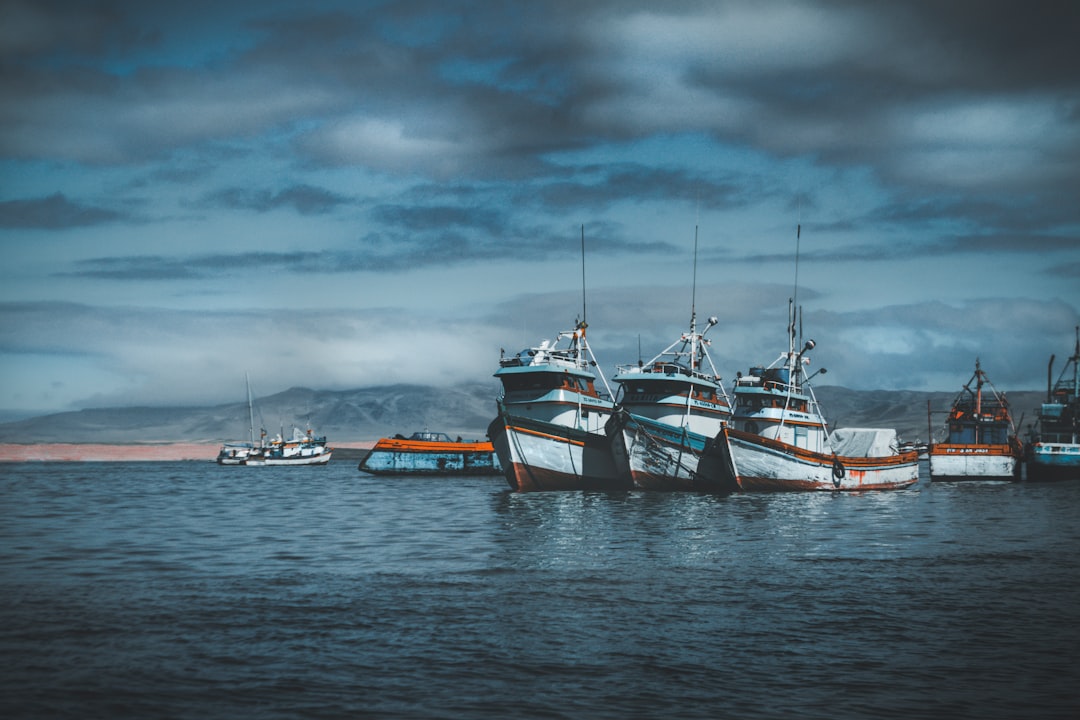
The global oceans, vast and enigmatic, are increasingly becoming a stage for geopolitical tensions, particularly concerning fishing rights. Among the most prominent actors in this unfolding drama is China, whose distant-water fishing (DWF) fleet has garnered significant international scrutiny. This article aims to offer a factual examination of the “truth” behind the narrative of China’s fishing fleet “invasion,” delving into the complexities of its operations, motivations, and the multifaceted impacts it generates across the globe.
To truly understand the dynamics at play, one must first grasp the sheer scale and geographical reach of China’s distant-water fishing fleet. It is, by most accounts, the largest in the world, a leviathan of modern fishing that operates far beyond China’s exclusive economic zone (EEZ).
Measuring the Fleet’s Magnitude
Estimating the exact number of vessels within China’s DWF fleet is a complex endeavor, often hampered by a lack of transparent data. Different sources offer varying figures, but a general consensus points to a fleet numbering in the thousands, significantly exceeding that of any other nation. These vessels range from large factory ships capable of processing catches at sea to myriad smaller trawlers, longliners, and seiners, each employing different fishing methods. The sheer volume of vessels suggests a deliberate and strategic investment in global fishing capacity.
Global Footprint and Key Operating Regions
The geographical distribution of China’s DWF fleet is vast, mirroring the global distribution of marine life. Readers will find its ships in virtually every ocean, from the icy waters of the Antarctic to the warm currents of the Indo-Pacific. Key operating regions include the Pacific coast of South America, particularly off the Galapagos Islands and Peru, the waters off West Africa, and parts of the Indian Ocean. This extensive footprint makes China a dominant player in numerous fishing grounds, often in areas where local monitoring and enforcement capabilities are limited. The “invasion” metaphor, while emotionally charged, speaks to this extensive presence in waters often historically fished by other nations or subject to international management.
The recent concerns regarding the invasion of China’s fishing fleet have sparked significant debate and analysis in various media outlets. A related article that delves deeper into this issue can be found at Real Lore and Order, where experts discuss the implications of China’s maritime activities and their impact on global fishing resources. This article provides valuable insights into the geopolitical tensions arising from these developments and highlights the need for international cooperation in managing shared oceanic resources.
Economic Drivers and State Subsidies
The unprecedented growth and global reach of China’s DWF fleet are not solely organic phenomena. They are, to a significant degree, underpinned by a complex interplay of economic imperatives, domestic policy, and substantial state subsidies. Understanding these drivers is crucial to deciphering the fleet’s actions.
Addressing Domestic Demand and Food Security
One of the primary drivers behind China’s expansive fishing operations is undoubtedly the nation’s immense and growing demand for seafood. With a population exceeding 1.4 billion and a rapidly expanding middle class, the domestic market for fish and marine products is insatiable. China’s coastal waters have long been overfished, leading to depleted stocks. The DWF fleet thus serves as a vital artery, bringing back seafood to meet this internal demand and contribute to national food security. It acts as a distant harvest, compensating for the depletion closer to home.
The Role of Government Subsidies
A critical element enabling the sustained operation and expansion of China’s DWF fleet is the extensive system of government subsidies. These subsidies take various forms, including fuel subsidies, shipbuilding incentives, and financial assistance for operating abroad. These financial lifelines significantly reduce the operational costs for Chinese fishing companies, allowing them to remain competitive even in distant and challenging fishing grounds where other nations’ fleets might find it economically unviable. This “unfair advantage,” as some critics describe it, is a central point of contention in international discussions. It allows Chinese vessels to fish more intensively and for longer periods, thus increasing their catch potential.
Concerns Regarding Illegal, Unreported, and Unregulated (IUU) Fishing
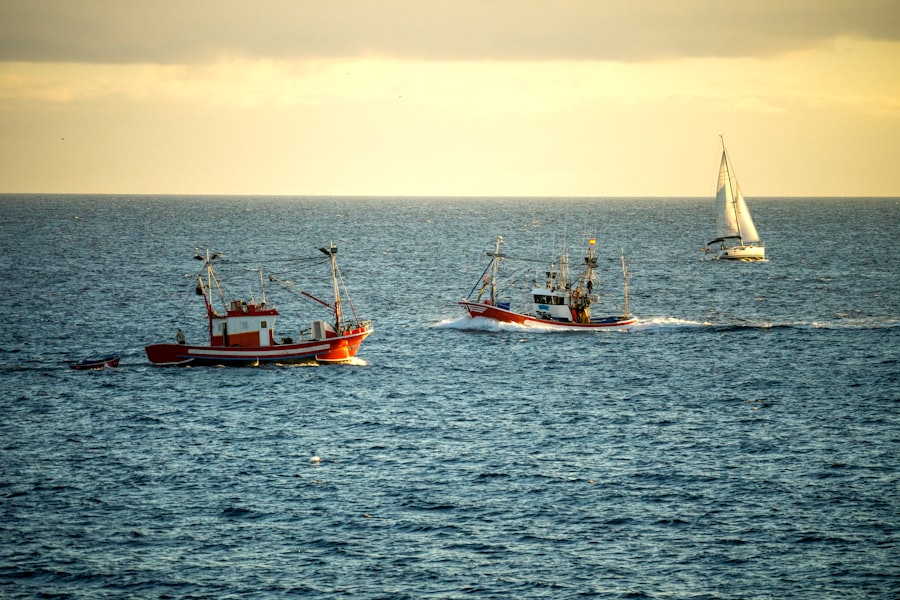
Wherever large-scale fishing operations exist, the specter of illegal, unreported, and unregulated (IUU) fishing often looms. China’s DWF fleet, due to its size and global presence, frequently finds itself at the center of such allegations, igniting significant international concern.
Prevalence of IUU Practices
Numerous reports from international organizations, non-governmental organizations (NGOs), and journalistic investigations have highlighted instances of suspected IUU fishing practices by vessels flying the Chinese flag. These practices can include fishing without proper authorization in foreign EEZs, misreporting catches, using banned fishing gear, and engaging in transshipment at sea to obfuscate the origin and quantity of fish caught. For the reader, it is critical to understand that IUU fishing undermines conservation efforts, distorts markets, and robs coastal states of valuable resources. It’s a shadow economy operating beneath the surface of legitimate trade.
Environmental and Economic Impact on Coastal States
The consequences of IUU fishing are far-reaching. Environmentally, it contributes to the overexploitation of fish stocks, jeopardizing marine biodiversity and the long-term health of ocean ecosystems. Economically, particularly for vulnerable coastal nations in West Africa and Latin America, IUU fishing by foreign fleets represents a significant loss of revenue, impacting local livelihoods and food security. These nations often lack the resources and surveillance capabilities to effectively police their vast maritime territories, making them particularly susceptible to such incursions. The “invasion” here is not military, but an economic one, draining vital resources.
Geopolitical Implications and International Relations
The activities of China’s DWF fleet are not confined to the realm of environmental or economic concerns; they have significant geopolitical ramifications, shaping international relations and contributing to broader strategic rivalries.
Sovereignty Disputes and Maritime Security
The presence of Chinese fishing vessels in disputed waters, particularly in the South China Sea, South Atlantic, and off the coasts of nations like Argentina, often escalates existing sovereignty disputes. These vessels, sometimes accompanied by coast guard ships or maritime militias, are perceived by some as instruments of state policy, asserting territorial claims and projecting power. This intricate dance between commercial fishing and geopolitical ambition creates a volatile environment and raises serious questions about maritime security and adherence to international law, like the United Nations Convention on the Law of the Sea (UNCLOS). The fishing vessel, in this context, becomes a pawn on a larger chessboard.
Challenges to International Fisheries Management
The sheer scale of China’s DWF operations poses considerable challenges to existing international fisheries management regimes. Regional Fisheries Management Organizations (RFMOs), tasked with regulating fishing activities in specific ocean areas, often struggle to ensure compliance from all member states, including China. Issues such as accurate data reporting, transparency of vessel ownership, and effective enforcement mechanisms remain thorny problems. The difficulty in holding such a vast and often opaque fleet accountable weakens the collective effort to sustainably manage shared ocean resources. It’s akin to trying to police a city with too few officers and too many unlisted inhabitants.
Recent discussions surrounding the expansion of China’s fishing fleet have raised concerns about overfishing and territorial disputes in international waters. A related article explores the implications of this invasion and its impact on marine ecosystems and local fishing communities. For more insights on this pressing issue, you can read the full analysis in the article here. Understanding the complexities of these developments is crucial for addressing the challenges posed by such a significant increase in fishing activity.
Efforts Towards Regulation and Sustainability
| Metric | Data / Description |
|---|---|
| Number of Chinese Fishing Vessels in Foreign Waters | Estimated 3,000+ vessels operating in disputed or foreign maritime zones |
| Regions Most Affected | South China Sea, East China Sea, Indian Ocean, West Africa |
| Reported Incidents of Illegal Fishing | Over 200 incidents reported between 2018-2023 involving Chinese fleets |
| Environmental Impact | Significant depletion of fish stocks and damage to coral reefs in disputed areas |
| Government Response | Increased patrols and diplomatic protests by affected countries; China denies illegal activity |
| Use of Maritime Militia | Chinese fishing vessels often supported by maritime militia to assert territorial claims |
| International Legal Actions | Several countries have filed complaints with international bodies like UNCLOS |
Despite the significant challenges, there are ongoing efforts, both international and domestic within China, to improve the regulation and sustainability of distant-water fishing. These initiatives, while still in their nascent stages, offer glimmers of hope for a more responsible future.
International Cooperation and Multilateral Agreements
International cooperation is paramount in addressing the global nature of DWF and IUU fishing. Efforts include strengthening RFMOs, improving data sharing, and developing more robust monitoring, control, and surveillance (MCS) systems. Bilateral agreements between China and other coastal states, focused on joint patrols, capacity building, and intelligence sharing, are also emerging as crucial tools to combat illicit activities. The port state measures agreement (PSMA), aimed at preventing IUU-caught fish from entering ports, is another vital mechanism, though its universal implementation remains a work in progress.
China’s Internal Reforms and Commitments
Recognizing the international pressure and the long-term necessity of sustainable fishing, China has begun to implement its own internal reforms. These include pledges to cap the size of its DWF fleet, improve vessel tracking systems, and enhance oversight of its fishing companies. The introduction of “blacklists” for companies engaged in serious IUU activities and increased penalties for violations are positive steps. However, for the reader, it is important to critically assess whether these reforms are sufficiently ambitious and effectively implemented across the vast and often disaggregated DWF industry. The gap between policy and practice remains a significant hurdle.
In conclusion, the narrative of China’s fishing fleet “invasion” is a complex tapestry woven with threads of economic necessity, state ambition, environmental degradation, and geopolitical tension. It is not a simple tale of good versus evil but a nuanced reality where a nation’s drive for food security and global influence collides with international norms, ecological limits, and the legitimate claims of other sovereign states. Moving forward, a balanced approach requiring greater transparency from China, strengthened international cooperation, and unwavering commitment to sustainable fisheries management from all nations will be essential to navigate these turbulent waters and safeguard the health of our shared oceans for future generations. The ocean, after all, is not an endless larder, but a delicate ecosystem requiring careful stewardship from all its users.
FAQs
What is meant by the term “China fishing fleet invasion”?
The term “China fishing fleet invasion” refers to the large-scale presence and activities of Chinese fishing vessels in the territorial waters or exclusive economic zones (EEZ) of other countries. This often raises concerns about overfishing, illegal fishing practices, and maritime sovereignty disputes.
Is there evidence that Chinese fishing fleets are operating illegally in foreign waters?
Yes, there have been documented cases and reports by governments and international organizations indicating that some Chinese fishing vessels have engaged in illegal, unreported, and unregulated (IUU) fishing in the waters of other nations, including areas in Southeast Asia, the South Pacific, and off the coasts of Africa and Latin America.
How does China respond to accusations of illegal fishing by its fleets?
The Chinese government typically asserts that its fishing activities comply with international laws and regulations. China also emphasizes the importance of sustainable fishing and has taken steps to regulate its fishing industry domestically. However, enforcement and oversight challenges remain.
What impact does the presence of Chinese fishing fleets have on local ecosystems and economies?
The large-scale fishing activities can lead to overfishing, depletion of fish stocks, and damage to marine ecosystems. This negatively affects the livelihoods of local fishing communities and can cause economic losses for countries whose waters are exploited without proper authorization.
Are there international efforts to address the issue of Chinese fishing fleets operating abroad?
Yes, international bodies such as the United Nations, regional fisheries management organizations, and various countries have been working to combat illegal fishing through agreements, monitoring, and enforcement measures. Cooperation and dialogue with China are also part of efforts to promote sustainable fishing practices and respect for maritime boundaries.