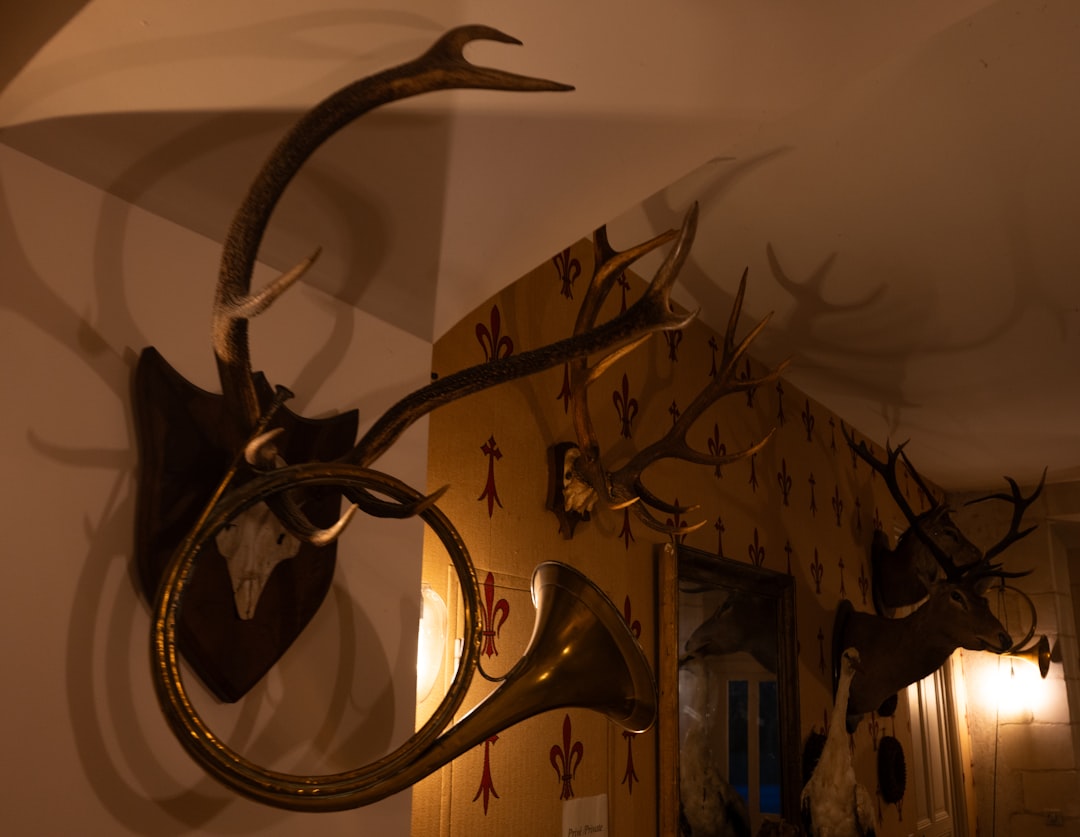
The image of the Viking warrior, complete with a horned helmet, has become a staple of popular culture. This iconic representation, often seen in movies, television shows, and various forms of art, has led many to believe that horned helmets were a common part of Viking attire. However, this portrayal is largely a myth, rooted more in romanticized interpretations than in historical fact.
The idea of horned helmets likely emerged during the 19th century, fueled by the romantic nationalism of the time and the fascination with Norse mythology. Artists and writers sought to create a dramatic image of the Vikings, leading to the enduring stereotype that persists today. In reality, there is little evidence to support the existence of horned helmets among the Vikings.
The notion that these warriors donned such elaborate headgear has been debunked by historians and archaeologists alike. The horned helmet has become a symbol of the Viking Age, but it is a symbol that misrepresents the true nature of Viking culture and warfare. The allure of the horned helmet lies in its theatricality, capturing the imagination and evoking a sense of adventure and ferocity that aligns with the Viking spirit.
Yet, this myth overshadows the more practical and functional aspects of Viking headgear.
Key Takeaways
- Viking horned helmets are a myth and were not historically accurate.
- Historical accuracy of Viking helmets is supported by archaeological evidence.
- Archaeological findings show that Viking helmets were typically made of iron and had a conical shape with a nose guard.
- Cultural depictions of Viking helmets in popular media often perpetuate the myth of horned helmets.
- The purpose of Viking helmets was primarily for protection in battle, and they were constructed from durable materials such as iron and leather.
Historical Accuracy of Viking Helmets
When examining the historical accuracy of Viking helmets, it becomes clear that the reality is far less flamboyant than the horned stereotype suggests. Most Viking helmets were simple, practical designs made for protection in battle rather than for show. The most well-known type of Viking helmet is the conical shape, which provided a sturdy defense against blows from weapons.
These helmets were typically made from iron or hardened leather and featured a rounded top with a faceguard or nasal piece to protect the wearer’s face. The historical record indicates that Viking helmets were designed with functionality in mind. They were often crafted to be lightweight and comfortable, allowing for ease of movement during combat.
The absence of horns or elaborate decorations in surviving artifacts further supports the notion that practicality was prioritized over aesthetics. While some helmets may have featured decorative elements, these were not common and did not include the iconic horns that have become synonymous with Viking imagery.
Archaeological Evidence of Viking Helmets
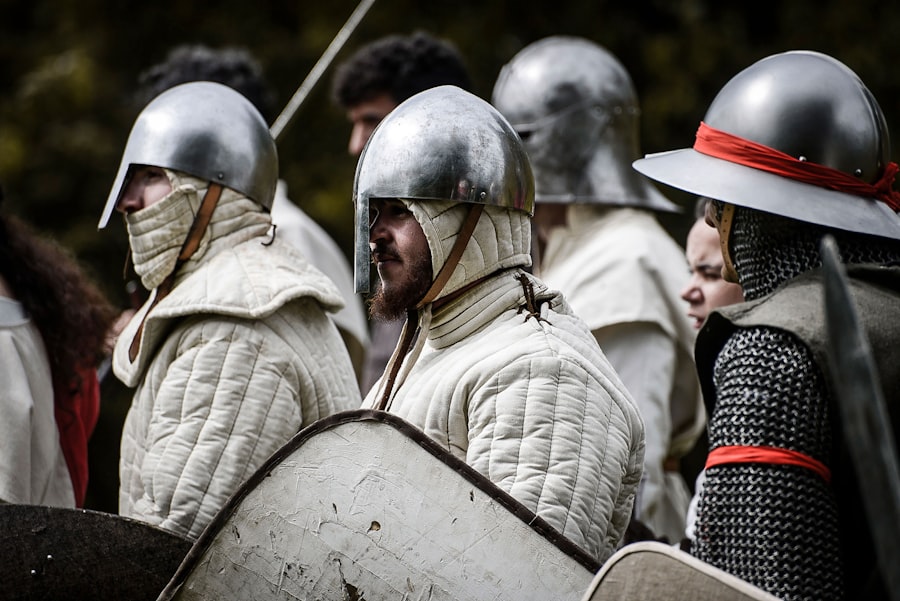
Archaeological discoveries have played a crucial role in understanding the true nature of Viking helmets. Excavations across Scandinavia have unearthed several examples of Viking headgear, providing valuable insights into their design and construction. One of the most significant finds was the Gjermundbu helmet, discovered in Norway in 1943.
This helmet is a prime example of Viking craftsmanship, featuring a rounded shape and a nasal guard, but notably lacking any horns. In addition to the Gjermundbu helmet, other archaeological sites have yielded fragments and remnants of Viking helmets, further corroborating the historical understanding of their design. These findings reveal that while Vikings were skilled metalworkers capable of creating intricate designs, their helmets were primarily utilitarian.
The evidence suggests that Vikings valued functionality over flamboyance when it came to their battle gear, reinforcing the idea that the horned helmet is more myth than reality.
Cultural Depictions of Viking Helmets
| Helmet Type | Depiction | Source |
|---|---|---|
| Spangenhelm | Historically accurate | Archaeological findings |
| Horned Helmet | Mythical and inaccurate | Artistic interpretations |
| Conical Helmet | Historically accurate | Historical texts and artifacts |
Cultural depictions of Viking helmets have evolved significantly over time, influenced by various artistic movements and societal perceptions. In the 19th century, as interest in Norse mythology surged, artists began to portray Vikings as fierce warriors adorned with horned helmets. This romanticized vision was fueled by a desire to connect with a heroic past and to celebrate national identity.
The horned helmet became emblematic of this idealized image, representing strength and bravery. As time progressed, however, scholars and historians began to challenge these romantic notions. The rise of archaeological research brought forth new evidence that contradicted popular beliefs about Viking attire.
Today, cultural depictions are more nuanced, often striving for accuracy while still embracing elements of storytelling and imagination.
Purpose and Function of Viking Helmets
The primary purpose of Viking helmets was to provide protection during battle. In an era where hand-to-hand combat was common, having a reliable helmet could mean the difference between life and death for a warrior. The design of these helmets was carefully considered to ensure maximum coverage while allowing for mobility and visibility.
The conical shape helped deflect blows from swords and axes, while the nasal guard protected vital areas of the face. Beyond their practical function in warfare, helmets also served as symbols of status among Vikings. A well-crafted helmet could signify a warrior’s rank or achievements within their community.
While most helmets were utilitarian, some may have featured decorative elements that indicated wealth or prestige. This dual purpose—protection in battle and representation of status—highlights the complexity of Viking culture and their approach to warfare.
Materials and Construction of Viking Helmets
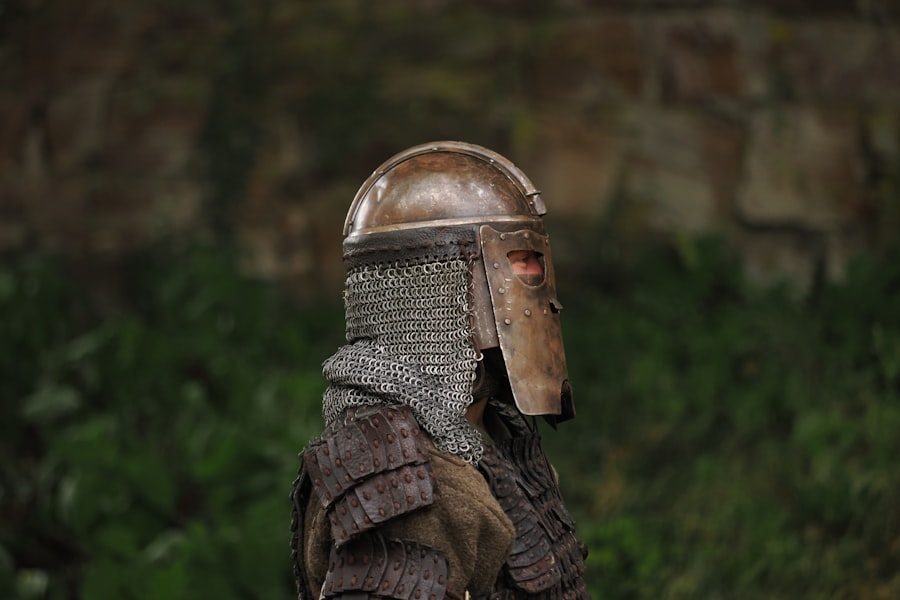
Viking helmets were typically constructed from materials readily available in their environment, primarily iron and leather. Iron was favored for its durability and strength, allowing for effective protection against weapon strikes. Skilled blacksmiths would forge iron into shape, creating helmets that were both functional and resilient.
Leather was often used as an alternative or supplementary material, providing flexibility and comfort for the wearer. The construction process involved meticulous craftsmanship, with artisans employing techniques passed down through generations. Helmets were often made using a combination of techniques such as riveting and welding to ensure structural integrity.
The attention to detail in these constructions reflects the high level of skill possessed by Viking metalworkers. While many helmets have not survived intact due to the passage of time, those that have provide insight into the advanced metallurgical practices employed by Vikings.
Evolution of Viking Helmet Designs
The evolution of Viking helmet designs can be traced through various archaeological finds and historical records. Early Viking helmets were relatively simple in design, focusing primarily on functionality. As time progressed and Viking society became more complex, so too did their armor and headgear.
By the late Viking Age, helmets began to exhibit more sophisticated designs, incorporating features such as decorative elements and improved structural designs. This evolution was influenced by several factors, including advancements in metallurgy and changes in warfare tactics. As Vikings encountered different cultures through trade and conquest, they adopted new ideas and techniques that informed their helmet designs.
The result was a gradual shift from purely utilitarian headgear to more ornate pieces that reflected both practicality and artistry.
Symbolism of Viking Helmets
Viking helmets held significant symbolism within their culture beyond mere protection in battle. They represented not only a warrior’s readiness for combat but also their identity within society. A well-crafted helmet could signify honor and valor, embodying the ideals that Vikings held dear—courage in battle and loyalty to one’s kin.
Moreover, helmets could serve as markers of status among warriors. Those who possessed intricately designed helmets might be viewed as leaders or champions within their communities. This symbolism extended beyond individual warriors; it reflected broader societal values regarding honor, bravery, and reputation in battle.
Misconceptions and Misrepresentations of Viking Helmets
The misconceptions surrounding Viking helmets are numerous and often stem from a lack of understanding about their true historical context. The most pervasive myth is undoubtedly the association with horns; this misrepresentation has been perpetuated through centuries of artistic interpretation and popular media. Many people continue to believe that horned helmets were standard issue for Vikings despite overwhelming evidence to the contrary.
Additionally, there is often confusion regarding the overall appearance of Vikings themselves. Popular culture tends to depict them as brutish warriors clad in furs and armor adorned with spikes or horns—an image that oversimplifies their complex society and rich cultural heritage. These misrepresentations can obscure the reality of Viking life, which included trade, exploration, and sophisticated craftsmanship alongside their reputation as fierce warriors.
Modern Interpretations of Viking Helmets
In contemporary society, interpretations of Viking helmets continue to evolve as new discoveries are made and cultural perceptions shift. While some media still cling to the horned stereotype for dramatic effect, there is an increasing emphasis on historical accuracy in films, literature, and art. This shift reflects a growing awareness among audiences about the importance of representing history authentically.
Modern interpretations also explore the broader context of Viking culture beyond just warfare. Artists and creators are beginning to depict Vikings as multifaceted individuals engaged in trade, exploration, and community building rather than solely as marauding warriors. This nuanced approach allows for a richer understanding of how helmets fit into the larger tapestry of Viking life.
The Legacy of Viking Helmets
The legacy of Viking helmets extends far beyond their physical form; they represent a complex interplay between history, culture, and mythology. While horned helmets may never have been part of actual Viking attire, they have become emblematic symbols that evoke fascination with Norse history and mythology. This enduring legacy speaks to humanity’s desire to connect with its past while also highlighting how myths can shape perceptions over time.
As modern society continues to grapple with its understanding of history, the legacy of Viking helmets serves as a reminder of the importance of critical examination when interpreting cultural artifacts. By acknowledging both the myths and realities surrounding these iconic pieces of headgear, individuals can gain deeper insights into not only Viking culture but also how history is constructed through collective memory and imagination.
The popular image of Vikings wearing horned helmets is a myth that has been perpetuated over the years, largely due to 19th-century theatrical productions and romanticized depictions. In reality, there is no historical evidence to suggest that Vikings wore such helmets in battle. For a deeper dive into the misconceptions surrounding Viking attire and the origins of this myth, you can read a related article on the topic by visiting realloreandorder.
com/’>Real Lore and Order. This article explores the historical inaccuracies and cultural influences that have shaped our modern understanding of Viking warriors.
WATCH THIS! 50 Historical Lies You Believe Because of Movies
FAQs
What is the truth about Viking horned helmets?
The truth is that there is no historical evidence to support the idea that Vikings wore horned helmets. In fact, archaeological findings and historical accounts suggest that Viking helmets were typically simple and practical, designed for protection in battle.
Where did the misconception of Viking horned helmets come from?
The misconception of Viking horned helmets can be traced back to the 19th century, when artists and writers romanticized and exaggerated the appearance of Vikings in their works. This artistic interpretation led to the popular but inaccurate depiction of Vikings wearing horned helmets.
What did Viking helmets actually look like?
Viking helmets were typically made of iron and featured a simple design with a rounded or conical shape. They often had a nose guard and a simple cheek guard for protection. These helmets were functional and practical for battle, without the addition of decorative horns.
Did any ancient cultures actually wear horned helmets?
There is evidence to suggest that some ancient cultures, such as the Celts and the Thracians, may have worn helmets with decorative horns or antlers for ceremonial or religious purposes. However, these helmets were not used in battle and were not associated with the Vikings.