
Plate armor, a hallmark of medieval warfare, represents a significant advancement in personal protection for soldiers during the late Middle Ages. Characterized by its interlocking metal plates, this type of armor was designed to provide superior defense against the weapons of the time, including swords, arrows, and blunt force attacks. The intricate craftsmanship involved in creating plate armor not only served a practical purpose but also reflected the artistry and technological prowess of the era.
As knights donned their gleaming suits of armor, they became symbols of chivalry and valor, embodying the ideals of their time. The allure of plate armor extends beyond its functional attributes; it has captured the imagination of historians, filmmakers, and enthusiasts alike. Its striking appearance and association with noble warriors have made it a popular subject in literature and art.
However, the complexities surrounding its design and use often lead to misconceptions about its practicality and effectiveness. Understanding the true nature of plate armor requires a closer examination of its evolution, construction, and role in both historical and modern contexts.
Key Takeaways
- Plate armor was a type of protective gear worn by medieval knights and soldiers.
- Plate armor evolved over time, becoming more sophisticated and effective in combat.
- The construction of plate armor involved layers of metal plates and leather, providing both protection and flexibility.
- Plate armor was not as impractical as commonly believed, as it offered superior protection against weapons of the time.
- Despite its weight, plate armor allowed for surprising mobility and agility in combat.
The Evolution of Plate Armor
The journey of plate armor began in the early medieval period when chainmail was the predominant form of protection for soldiers. While chainmail offered flexibility and reasonable defense against slashing attacks, it had limitations against more powerful strikes. As weaponry advanced, particularly with the introduction of crossbows and heavier swords, the need for more robust protection became apparent.
This led to the gradual development of plate armor, which emerged in the 14th century as a response to these evolving threats. Initially, plate armor was used in conjunction with chainmail, providing a layered defense that combined the strengths of both materials. Over time, advancements in metallurgy and design allowed for the creation of full suits of plate armor that covered the entire body.
By the late 15th century, complete plate armor had reached its zenith, characterized by its articulated joints and tailored fit. This evolution not only enhanced protection but also allowed for greater mobility, enabling knights to engage more effectively in combat.
The Construction and Materials of Plate Armor
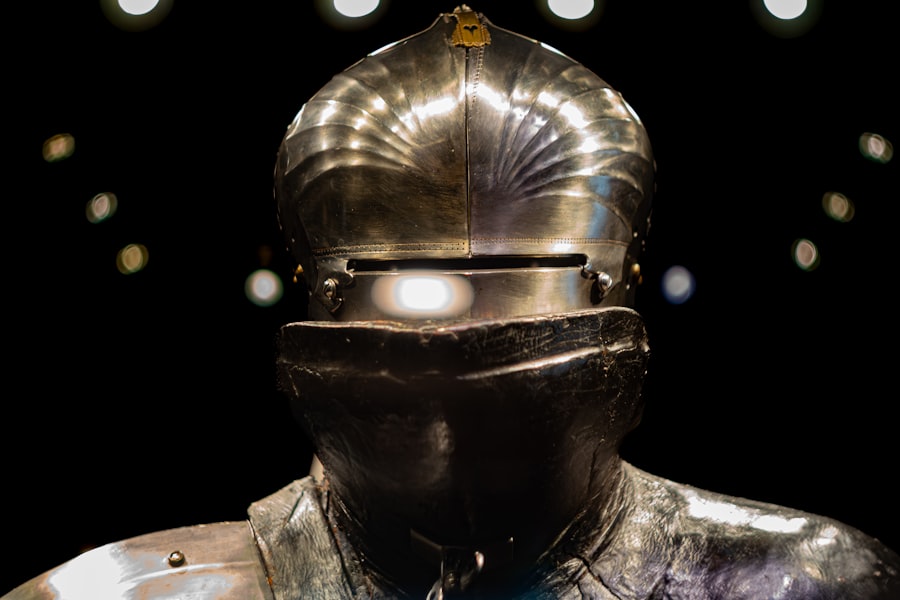
The construction of plate armor was a meticulous process that required skilled artisans known as armorsmiths. These craftsmen utilized various metals, primarily steel and iron, to forge plates that would be shaped to fit the contours of the human body. The process began with heating metal sheets until they were malleable enough to be shaped into desired forms.
In addition to steel and iron, other materials were sometimes incorporated into plate armor for added functionality. Leather was commonly used for straps and padding, providing comfort and preventing chafing during wear.
Some armors also featured decorative elements such as etchings or gilding, which served to signify rank or allegiance. The combination of artistry and engineering in the construction of plate armor exemplified the high level of craftsmanship that defined this period.
Debunking the Myth of Impracticality
| Myth | Debunked |
|---|---|
| Myth: Practicality is unattainable | Debunked: Practical solutions exist |
| Myth: Impracticality is inherent | Debunked: Practicality can be achieved |
| Myth: Impracticality is the norm | Debunked: Practicality is achievable |
One prevalent myth surrounding plate armor is that it was impractical for use in battle due to its perceived bulkiness and weight. Critics often argue that such encumbrance would hinder a knight’s ability to move swiftly on the battlefield. However, this notion overlooks the sophisticated design features that were integral to plate armor’s functionality.
The articulated joints and strategic placement of plates allowed for a surprising range of motion, enabling knights to fight effectively while remaining well-protected. Moreover, historical accounts reveal that knights trained extensively in their armor, developing the necessary skills to maneuver with agility despite their protective gear. The idea that plate armor was cumbersome fails to consider the extensive training and adaptation that soldiers underwent to master their equipment.
In reality, many knights were able to perform acrobatic feats while wearing their suits of armor, demonstrating that practicality was a key consideration in its design.
Addressing the Misconception of Heavy Weight
Another common misconception about plate armor is that it was excessively heavy, making it difficult for knights to engage in prolonged combat. While it is true that a full suit of plate armor could weigh between 40 to 60 pounds, this weight was distributed across the body in a way that minimized fatigue. The design of plate armor allowed for a balance that enabled knights to move efficiently without being overly burdened.
Additionally, advancements in metallurgy played a crucial role in reducing the weight of armor without compromising its protective capabilities. As smiths developed techniques for creating thinner yet stronger plates, they were able to produce lighter suits that still offered formidable defense against weaponry. This evolution in materials meant that knights could remain agile on the battlefield while still enjoying the benefits of robust protection.
The Truth About Mobility in Plate Armor

Mobility is often cited as a concern when discussing plate armor; however, it is essential to recognize that this type of armor was specifically designed with movement in mind. The articulated joints allowed for bending at the elbows and knees, facilitating actions such as running, jumping, and even horseback riding. Knights were not merely static figures encased in metal; they were dynamic warriors capable of engaging in complex maneuvers during combat.
Furthermore, many suits of plate armor were tailored to fit individual knights, ensuring that they could move comfortably within their gear. This customization meant that each piece was crafted to accommodate the unique physique of its wearer, enhancing both mobility and effectiveness in battle. The combination of thoughtful design and personal fit allowed knights to maintain their agility while benefiting from the protective advantages offered by plate armor.
Examining the Effectiveness of Plate Armor in Combat
The effectiveness of plate armor in combat cannot be overstated.
The solid plates were particularly adept at deflecting blows from swords and halberds while also offering resistance against arrows shot from longbows or crossbows.
Historical records indicate that knights wearing full suits of plate armor often emerged from battles with minimal injuries compared to those who relied solely on chainmail or other forms of protection. Moreover, plate armor’s design allowed for strategic advantages on the battlefield. The reflective surfaces could dazzle opponents or misdirect their aim, while the overall appearance instilled fear among adversaries.
Knights clad in shining armor were often seen as formidable opponents, bolstering morale among their ranks while intimidating foes. This psychological aspect further contributed to the effectiveness of plate armor beyond its physical capabilities.
The Role of Plate Armor in Medieval Warfare
Plate armor played a pivotal role in shaping medieval warfare strategies and tactics. As armies began to adopt more organized formations and engage in large-scale battles, the need for effective personal protection became paramount. Knights equipped with plate armor were often at the forefront of these engagements, serving as heavily armored cavalry capable of charging into enemy lines with devastating force.
The presence of armored knights on the battlefield also influenced tactics employed by opposing forces. Archers and infantry began developing specialized weapons designed specifically to counteract the advantages offered by plate armor. This arms race between offense and defense led to innovations such as polearms and specialized crossbow bolts designed to penetrate armored surfaces.
Thus, plate armor not only protected its wearers but also shaped the evolution of warfare itself.
Plate Armor in Popular Culture and Media
In contemporary society, plate armor has transcended its historical roots to become an enduring symbol within popular culture and media. Films, television shows, and video games frequently depict knights clad in shining suits of armor as heroic figures engaged in epic battles against formidable foes. These portrayals often romanticize the chivalric ideals associated with knighthood while showcasing the visual splendor of plate armor.
However, such representations can sometimes perpetuate misconceptions about its practicality and effectiveness. While popular media often emphasizes dramatic combat scenes featuring armored knights, it may overlook the nuanced realities faced by these warriors on actual battlefields. Despite this tendency toward dramatization, plate armor remains an iconic element within storytelling that continues to captivate audiences around the world.
The Legacy of Plate Armor in Modern Times
The legacy of plate armor extends far beyond its historical context; it has left an indelible mark on modern society. Today, elements inspired by medieval plate armor can be found in various fields ranging from fashion to military design. The principles behind protective gear have evolved into modern body armor used by law enforcement and military personnel worldwide.
Moreover, historical reenactments and events celebrating medieval culture have kept the spirit of plate armor alive in contemporary times. Enthusiasts don replicas of these suits during festivals or competitions, showcasing both their craftsmanship and historical significance. This ongoing appreciation for plate armor serves as a testament to its enduring legacy as a symbol of strength, honor, and resilience throughout history.
The Enduring Legacy of Plate Armor
In conclusion, plate armor stands as a remarkable achievement in both craftsmanship and military innovation during the medieval period. Its evolution from chainmail to full suits of articulated plates reflects not only advancements in technology but also an understanding of the complexities involved in personal protection during warfare. By debunking myths surrounding its impracticality and weight, one can appreciate how effectively it served its purpose on battlefields across Europe.
As society continues to draw inspiration from this iconic form of protection—whether through media representations or modern adaptations—the legacy of plate armor remains firmly entrenched in cultural consciousness. It symbolizes not just an era defined by chivalry and valor but also serves as a reminder of humanity’s ongoing quest for safety amidst conflict. The enduring fascination with plate armor ensures that its story will continue to be told for generations to come.
In exploring the misconceptions surrounding historical plate armor, it’s essential to address the pervasive myths that have persisted over time. One common falsehood is the belief that knights in full plate armor were immobile and easily toppled, a notion often perpetuated by modern media. In reality, plate armor was ingeniously designed to allow a full range of motion, enabling knights to fight effectively on the battlefield. For a deeper dive into the truths and myths about medieval armor, you can read a related article on this topic by visiting Real Lore and Order. This article provides a comprehensive analysis of the historical inaccuracies and the realities of armor use in medieval times.
WATCH THIS! 50 Historical Lies You Believe Because of Movies
FAQs
What are some common historical lies about plate armor?
Some common historical lies about plate armor include the misconception that it was heavy and cumbersome, that it was only worn by knights, and that it was easily penetrated by arrows and other weapons.
Was plate armor really heavy and cumbersome?
Contrary to popular belief, plate armor was not as heavy and cumbersome as often depicted. A full suit of plate armor typically weighed between 30-50 pounds, distributed evenly across the body, allowing for relatively free movement.
Was plate armor only worn by knights?
Plate armor was not exclusively worn by knights. While it was often associated with the nobility due to its cost, it was also worn by men-at-arms, foot soldiers, and even some women.
Was plate armor easily penetrated by arrows and other weapons?
Plate armor was highly effective at protecting the wearer from a wide range of weapons, including arrows, swords, and spears. While it was not invincible, it provided a significant level of protection on the battlefield.