
In recent years, many regions have experienced significant economic shifts that have led to widespread job loss. Industries that once thrived have either downsized or relocated, leaving behind a trail of unemployment and economic despair. The transition from manufacturing to a service-oriented economy has not been seamless; many workers find themselves ill-equipped to adapt to the new demands of the job market.
This has resulted in a growing divide between those who possess the skills necessary for emerging industries and those who do not, exacerbating economic inequality. Moreover, the rise of automation and artificial intelligence has further complicated the employment landscape. Many jobs that were once considered stable and secure are now at risk of being replaced by machines.
This technological advancement, while beneficial in some respects, has led to a sense of insecurity among workers. As companies seek to maximize efficiency and reduce costs, the human workforce is often the first casualty. The resulting job losses have not only affected individual livelihoods but have also had a ripple effect on local economies, leading to decreased consumer spending and further economic decline.
Key Takeaways
- Economic downturns and job losses contribute significantly to urban decline.
- Aging infrastructure and population decline strain city resources.
- Segregation and socioeconomic disparities exacerbate community challenges.
- Environmental pollution and degradation harm residents’ health and quality of life.
- Reduced public services, crime, and political corruption undermine urban stability.
Population Decline and Aging Infrastructure
Population decline is another pressing issue that many communities face today. As younger generations migrate to urban centers in search of better opportunities, rural and suburban areas are left with an aging population. This demographic shift poses significant challenges for local economies and social structures.
With fewer young people to support the workforce and contribute to community life, many towns are struggling to maintain their vitality. The exodus of residents often leads to a decrease in demand for goods and services, which can result in business closures and further population loss. Compounding this issue is the aging infrastructure that characterizes many declining communities.
Roads, bridges, and public transportation systems that were once the backbone of these areas are now in disrepair. The lack of investment in infrastructure not only hampers economic growth but also affects the quality of life for remaining residents. As essential services deteriorate, it becomes increasingly difficult to attract new businesses or residents, creating a vicious cycle of decline that is hard to break.
Racial and Socioeconomic Segregation
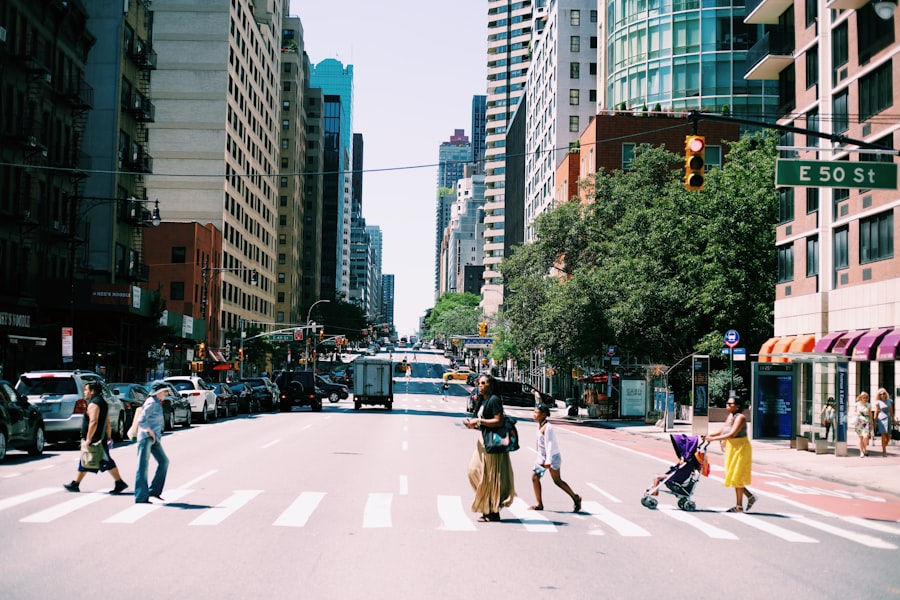
Racial and socioeconomic segregation remains a pervasive issue in many parts of the world. Despite progress in civil rights, communities often remain divided along racial and economic lines. This segregation can manifest in various ways, from housing patterns to access to education and healthcare.
In many cases, marginalized groups find themselves trapped in neighborhoods with limited resources and opportunities, perpetuating cycles of poverty and disadvantage. The consequences of such segregation are profound. Children growing up in segregated communities often attend underfunded schools with fewer educational resources, which can hinder their academic achievement and future prospects.
Additionally, access to quality healthcare is frequently limited in these areas, leading to disparities in health outcomes. The lack of social mobility creates a sense of hopelessness among residents, further entrenching the divisions that separate communities along racial and socioeconomic lines.
Environmental Degradation and Pollution
Environmental degradation is an urgent concern that affects both urban and rural areas alike. Industrial activities, urban sprawl, and inadequate waste management practices have led to significant pollution and environmental harm. Air and water quality have deteriorated in many regions, posing serious health risks to residents.
Communities situated near industrial sites or highways often bear the brunt of pollution, leading to increased rates of respiratory illnesses and other health problems. Furthermore, the impact of climate change is becoming increasingly evident, with rising temperatures and extreme weather events threatening ecosystems and human settlements alike. Many communities are ill-prepared to cope with these changes, lacking the necessary infrastructure or resources to adapt effectively.
As environmental conditions worsen, the burden falls disproportionately on vulnerable populations who may lack the means to relocate or seek better living conditions.
Decline in Public Services and Amenities
| Hidden Reason | Description | Impact on City | Example Metrics |
|---|---|---|---|
| Infrastructure Decay | Neglect of maintenance and upgrades to roads, bridges, and utilities | Increased accidents, service disruptions, and reduced economic activity | Percentage of roads in poor condition: 35% Bridge closures: 12/year |
| Economic Inequality | Growing wealth gap leading to social tensions and reduced consumer spending | Higher crime rates, lower community engagement, and business closures | Gini coefficient: 0.48 Poverty rate: 22% |
| Brain Drain | Young and skilled workers leaving for better opportunities elsewhere | Labor shortages, reduced innovation, and slower economic growth | Population decline (ages 20-35): 8% over 5 years Unemployment rate: 9% |
| Political Corruption | Misallocation of resources and lack of transparency in governance | Reduced public trust, inefficient public services, and stalled development | Corruption perception index: 35/100 Public project delays: 40% |
| Environmental Degradation | Pollution and loss of green spaces affecting health and livability | Increased respiratory illnesses, lower quality of life, and migration outflows | Air quality index (AQI): 150 (unhealthy) Green space per capita: 5 m² |
The decline in public services and amenities is a troubling trend that has emerged alongside economic challenges. As local governments grapple with budget constraints, essential services such as public transportation, sanitation, and recreational facilities often suffer cutbacks. This decline can lead to a diminished quality of life for residents who rely on these services for their daily needs.
Moreover, the lack of investment in public amenities can contribute to a sense of community disconnection. Parks that once served as gathering places for families may fall into disrepair, while public libraries struggle to maintain their collections and programs. The absence of vibrant public spaces can lead to social isolation, as residents find fewer opportunities for interaction and engagement within their communities.
Lack of Investment and Disinvestment
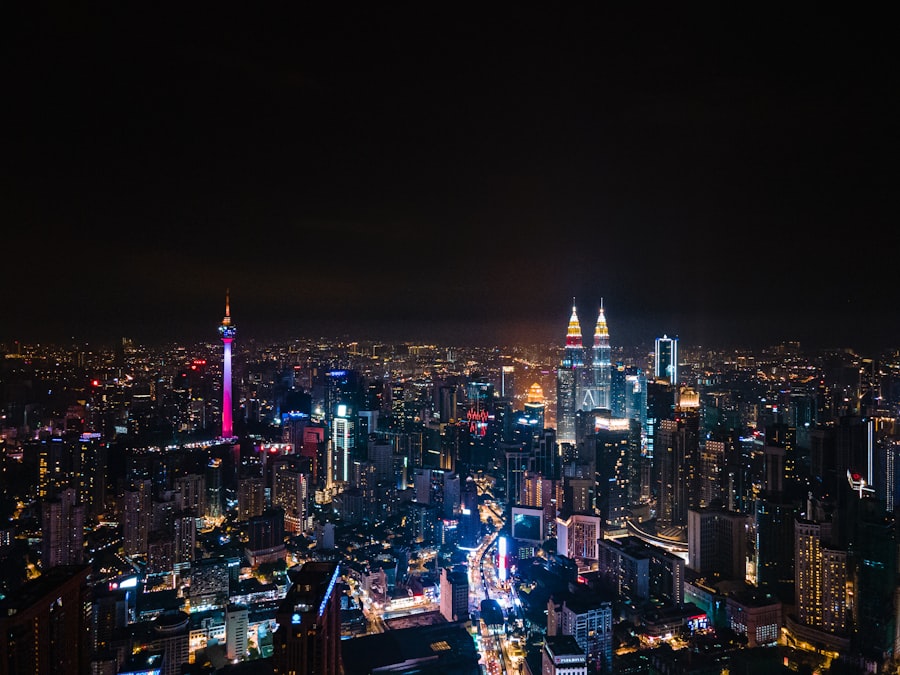
A lack of investment in certain areas has led to disinvestment that can be detrimental to community growth and development. When businesses choose not to invest in particular neighborhoods or regions, it creates a cycle of neglect that is difficult to escape. This disinvestment often results in deteriorating infrastructure, abandoned properties, and a general sense of decline that can deter potential new residents or businesses from moving into the area.
The consequences of disinvestment extend beyond mere aesthetics; they can have profound implications for local economies. Without new businesses or development projects, job opportunities dwindle, leading to increased unemployment rates. Additionally, property values may plummet as demand decreases, further exacerbating economic challenges for homeowners who may find themselves underwater on their mortgages.
Crime and Public Safety Concerns
Crime rates often rise in areas experiencing economic decline and social disintegration. As job opportunities diminish and community cohesion weakens, individuals may turn to illegal activities as a means of survival. This increase in crime can create a pervasive sense of fear among residents, leading them to feel unsafe in their own neighborhoods.
Public safety concerns can also deter investment and development in affected areas. Businesses may be reluctant to open shops or offices in neighborhoods with high crime rates, fearing for their safety and the safety of their employees. This reluctance can perpetuate a cycle of decline, as fewer businesses mean fewer job opportunities for residents, which can further exacerbate crime rates.
Political Corruption and Ineffective Governance
Political corruption and ineffective governance are significant barriers to progress in many communities facing decline. When leaders prioritize personal gain over the needs of their constituents, trust in government erodes. This lack of trust can lead to apathy among residents who feel their voices are not heard or valued in the political process.
Moreover, ineffective governance often results in poor decision-making regarding resource allocation and community development initiatives. Without transparent leadership committed to addressing the needs of all residents, efforts to revitalize struggling neighborhoods may falter. The absence of accountability can create an environment where corruption thrives, further undermining public confidence in government institutions.
Gentrification and Displacement
Gentrification is a complex phenomenon that can bring both revitalization and displacement to communities undergoing change. As urban areas become more desirable due to investment and development, rising property values can lead to the displacement of long-time residents who can no longer afford to live there. This process often disproportionately affects low-income families and individuals who may be forced out of their homes due to escalating rents.
While gentrification can lead to improved infrastructure and amenities in some cases, it also raises questions about equity and access. New developments may cater primarily to wealthier newcomers while neglecting the needs of existing residents. This tension between revitalization and displacement highlights the need for inclusive planning processes that consider the voices of all community members.
Decline in Education and Access to Quality Schools
The decline in education quality is a pressing concern for many communities grappling with socioeconomic challenges. Underfunded schools often struggle to provide students with the resources they need for academic success. This lack of investment can result in overcrowded classrooms, outdated materials, and limited extracurricular opportunities that hinder student engagement.
Access to quality education is crucial for breaking cycles of poverty; however, many marginalized communities find themselves trapped in underperforming school systems. The disparities in educational access can perpetuate inequality across generations, as children from disadvantaged backgrounds face significant barriers to achieving their full potential. Addressing these inequities requires concerted efforts from policymakers, educators, and community leaders committed to ensuring that all students receive a high-quality education.
Social Isolation and Community Fragmentation
Social isolation is an increasingly prevalent issue in today’s society, particularly in areas experiencing economic decline or demographic shifts. As communities fragment due to population loss or socioeconomic disparities, individuals may find themselves disconnected from their neighbors and local institutions. This isolation can have profound effects on mental health and overall well-being.
Community fragmentation often leads to a lack of social cohesion, making it difficult for residents to come together around common goals or initiatives. Without strong social networks or support systems, individuals may struggle to navigate challenges such as unemployment or health issues on their own. Fostering connections among residents through community-building efforts is essential for combating isolation and promoting resilience within neighborhoods facing decline.
In conclusion, the myriad challenges facing communities today—ranging from economic shifts and population decline to social isolation—require comprehensive solutions that address both immediate needs and long-term sustainability. By recognizing the interconnectedness of these issues, stakeholders can work collaboratively toward creating more equitable and vibrant communities for all residents.
Many cities are grappling with hidden reasons for their decline, often overlooked in mainstream discussions. A related article that delves into these underlying issues can be found at this link. It explores various factors contributing to urban failure, including economic mismanagement, social inequality, and inadequate infrastructure, providing a comprehensive analysis of the challenges faced by modern cities.
FAQs
What are some common hidden reasons cities are failing?
Common hidden reasons cities are failing include poor urban planning, inadequate infrastructure, economic decline, social inequality, corruption, and lack of investment in public services.
How does poor urban planning contribute to city failure?
Poor urban planning can lead to inefficient land use, traffic congestion, insufficient housing, and lack of green spaces, which collectively reduce the quality of life and economic viability of a city.
In what ways does economic decline impact cities?
Economic decline results in job losses, reduced tax revenues, business closures, and decreased public funding, which can cause deterioration of infrastructure and public services, leading to urban decay.
Why is social inequality a factor in city failure?
Social inequality can create divisions within communities, limit access to education and healthcare, increase crime rates, and reduce social cohesion, all of which undermine a city’s stability and growth.
How does corruption affect the success of cities?
Corruption diverts public resources away from essential services and infrastructure projects, erodes trust in government, and discourages investment, thereby hindering urban development.
What role does infrastructure play in the health of a city?
Infrastructure such as transportation, utilities, and public facilities is critical for supporting economic activity and quality of life; inadequate or aging infrastructure can lead to inefficiencies and decline.
Can lack of investment in public services cause cities to fail?
Yes, insufficient investment in education, healthcare, sanitation, and safety services can degrade living conditions, reduce human capital, and make cities less attractive to residents and businesses.
Are environmental factors considered hidden reasons for city failure?
Environmental issues like pollution, poor waste management, and vulnerability to climate change can exacerbate urban problems and contribute to the decline of cities if not properly managed.
How can cities address these hidden reasons to prevent failure?
Cities can implement comprehensive urban planning, promote economic diversification, invest in infrastructure and public services, combat corruption, and foster social inclusion to improve resilience and sustainability.