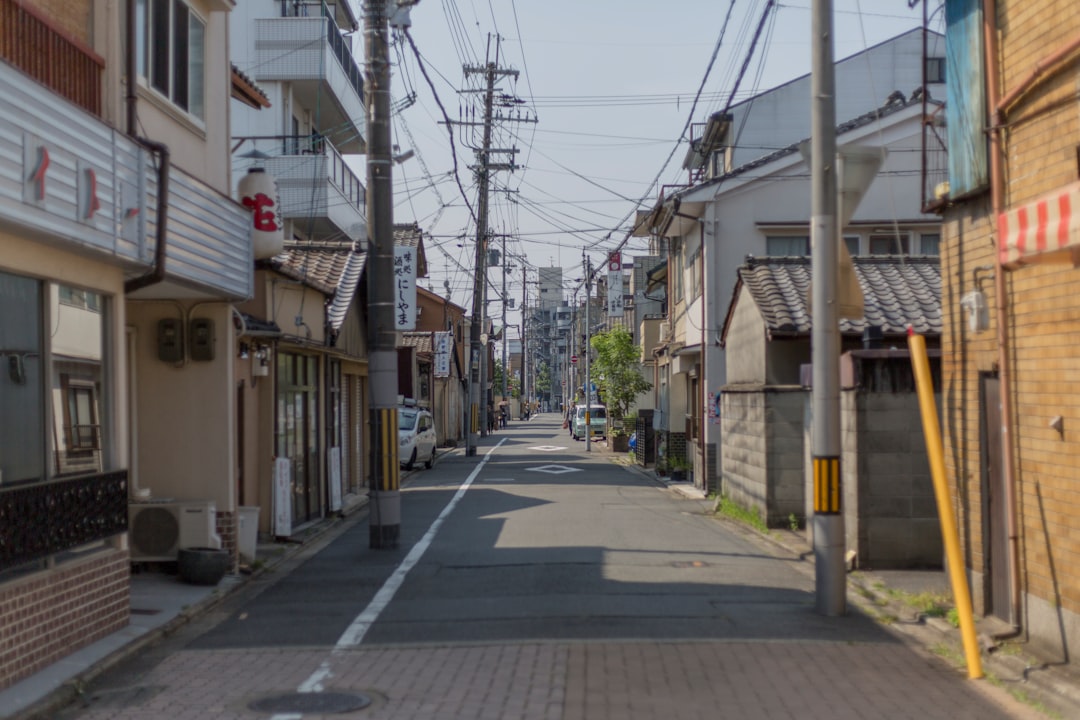
Japan, a nation renowned for its bustling metropolises and technological prowess, harbors a stark counter-narrative: the widespread and accelerating phenomenon of vanishing towns. Across its diverse landscape, from remote mountain villages to once-thriving coastal communities, a quiet exodus is underway, leaving behind a haunting tableau of empty streets, crumbling infrastructure, and a palpable sense of loss. This demographic shift, rooted in a complex interplay of socioeconomic factors, presents a formidable challenge to the nation’s future, reshaping its cultural fabric and posing profound questions about sustainability and identity.
The primary driver behind Japan’s vanishing towns is its severe demographic crisis. For decades, the nation has grappled with one of the lowest birth rates and highest life expectancies globally, resulting in a rapidly aging population and a shrinking workforce.
The Shrinking Workforce and Rural Exodus
The younger generations, drawn by the allure of urban opportunities and the promise of a more dynamic lifestyle, have steadily migrated from rural areas to major cities like Tokyo, Osaka, and Nagoya. This brain drain exacerbates the problem, leaving behind an increasingly elderly and dependent population. Imagine a leaky bucket, constantly losing its contents while the tap supplying new water has been significantly constrained. This is the demographic predicament facing many Japanese rural communities.
Declining Birth Rates and An Aging Society
Japan’s total fertility rate has consistently remained below the replacement level of 2.1 children per woman for many years. This sustained decline means that each generation is smaller than the last, creating a demographic pyramid that is inverted, with a wide top (elderly population) and a narrow base (younger generations). The effects are profound, manifesting in dwindling school enrollments, shuttered hospitals, and a pervasive sense of quietude where children’s laughter once echoed.
The Role of Economic Stagnation
Years of economic stagnation, particularly in the immediate post-bubble era, further fueled the rural exodus. Remote communities, often reliant on traditional industries like agriculture, forestry, or fishing, struggled to compete with the economic dynamism of urban centers. The lack of varied employment opportunities pushed many young people to seek their fortunes elsewhere, leaving their ancestral homes behind.
In recent years, Japan has faced a significant challenge with its vanishing towns and empty streets, a phenomenon driven by declining birth rates and urban migration. This issue is explored in depth in a related article that discusses the social and economic implications of these deserted areas. For more insights on this topic, you can read the article here: Japan’s Vanishing Towns: The Impact of Declining Populations.
The Landscape of Absence: Visualizing Abandonment
The physical manifestation of Japan’s vanishing towns is both arresting and poignant. Structures that once hummed with life now stand as silent sentinels to a bygone era, slowly succumbing to the relentless embrace of nature.
Ghost Towns and “Akiya” (Empty Houses)
The most visible symptom of this decline is the proliferation of “akiya,” or empty houses. These can range from modest farmhouses to sprawling traditional residences, often left precisely as they were when their last occupants departed. The sheer volume of akiya is staggering, with estimates suggesting millions of uninhabited properties nationwide. These empty homes cast long shadows, literally and figuratively, over the remaining residents, lowering property values and fostering a sense of decay.
Decaying Infrastructure and Overgrown Public Spaces
As populations dwindle, so too do the resources and political will to maintain public infrastructure. Roads crumble, bridges rust, and once-pristine public parks become overgrown, their swings and slides rusting into disuse. Imagine a carefully tended garden, now left to its own devices; the once vibrant blossoms are replaced by tenacious weeds, slowly reclaiming the cultivated space. This neglected infrastructure not only diminishes the quality of life for remaining residents but also acts as a visual deterrent for potential newcomers.
Silent Schools and Shuttered Businesses
The closure of schools is perhaps one of the most heartbreaking indicators of a vanishing town. Buildings that once reverberated with the joyful clamor of children’s voices now stand silent, their playgrounds empty, their classrooms gathering dust. Similarly, local businesses—the corner stores, the family-run restaurants, the small workshops—struggle to survive without a sufficient customer base. One by one, they close their doors, further eroding the social fabric and economic vitality of the community.
The Social and Cultural Ripple Effect
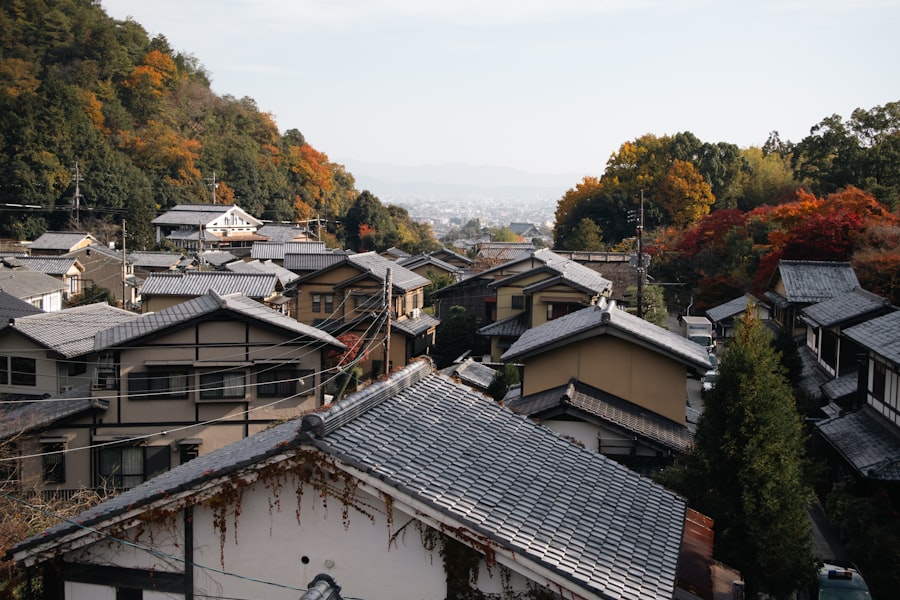
Beyond the economic and physical impact, the disappearance of these towns carries profound social and cultural consequences, threatening the very essence of Japan’s diverse regional identities.
Loss of Community and Social Cohesion
In rural Japan, community ties have historically been robust, often spanning generations. The departure of younger residents breaks these vital bonds, leaving remaining elders isolated and vulnerable. Traditional festivals, reliant on collective participation, face extinction. The vibrant tapestry of community life, woven over centuries of shared experiences, begins to unravel, strand by painful strand.
Erosion of Local Traditions and Dialects
Each region of Japan boasts unique traditions, culinary practices, and even distinct dialects. As towns empty and populations homogenize in urban centers, the transmission of these invaluable cultural assets from one generation to the next is severely hampered. Imagine a library, its shelves once overflowing with unique stories, now slowly emptied as volumes are forgotten and discarded. The rich cultural diversity that once characterized Japan’s regions is at risk of being diluted or entirely lost.
Psychological Impact on Remaining Residents
For those who choose to stay behind, the experience can be deeply isolating. Witnessing the slow decline of one’s hometown, the departure of friends and family, and the closure of familiar institutions can lead to feelings of melancholy, helplessness, and even resentment. The emotional toll of living in a vanishing town, a quiet witness to its demise, is often overlooked but profoundly real.
Attempts at Revival: Hope Amidst the Desolation
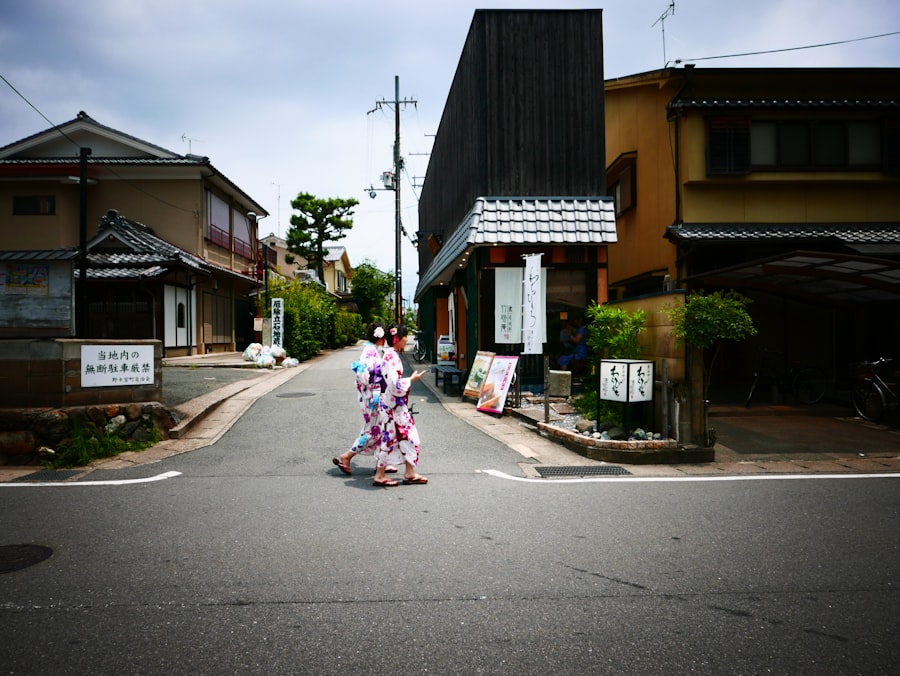
Despite the formidable challenges, various initiatives are underway to breathe new life into Japan’s shrinking communities, demonstrating a collective refusal to surrender to the inevitability of decline.
“U-Turn” and “I-Turn” Initiatives
The Japanese government, along with local municipalities, has implemented programs to encourage urban dwellers to relocate to rural areas, offering incentives such as housing subsidies, employment support, and even grants for starting new businesses. These “U-turn” (กลับบ้านเกิด – returning to one’s hometown) and “I-turn” (ย้ายไปต่างถิ่น – moving to a different rural area) initiatives aim to reverse the flow of migration, albeit on a small scale.
Leveraging Tourism and Local Resources
Many communities are attempting to reinvent themselves by leveraging their unique natural beauty, cultural heritage, or local produce to attract tourists and new residents. This might involve developing eco-tourism ventures, preserving historical sites, or promoting specialty agricultural products. Think of a dormant volcano, its power now harnessed to generate geothermal warmth, attracting visitors and new life. This repurposing of assets is crucial for survival.
Technology and Decentralization
The rise of remote work, accelerated by global events, offers a glimmer of hope. With reliable internet infrastructure, some rural areas are positioning themselves as attractive havens for digital nomads or those seeking a slower pace of life without abandoning their careers. This decentralization of work could potentially inject new blood and economic vitality into struggling towns, challenging the traditional necessity of urban concentration.
In recent years, Japan has witnessed a troubling trend of vanishing towns characterized by empty streets and abandoned homes. This phenomenon raises questions about the future of rural communities and the impact of urban migration. For a deeper understanding of this issue, you can explore a related article that delves into the social and economic factors contributing to this decline. The article provides insights into the challenges faced by these towns and the efforts being made to revitalize them. To read more about this topic, visit this insightful article.
The Future of Japan’s Rural Landscape: A Path Forward
| Metric | Value | Notes |
|---|---|---|
| Number of Vanishing Towns | 1,000+ | Towns with rapidly declining populations |
| Population Decline Rate | 30-50% | Average decline over the past 20 years in affected towns |
| Percentage of Elderly Residents | 40% | Proportion of residents aged 65 and older in rural towns |
| Empty Houses (Akiya) Percentage | 13.6% | National average of vacant homes, higher in rural areas |
| Number of Towns with No Schools | 200+ | Schools closed due to lack of children |
| Average Annual Migration Outflow | 5-10% | Percentage of residents leaving rural towns yearly |
| Government Revitalization Budget | Significant | Ongoing efforts to revitalize rural areas |
The phenomenon of vanishing towns in Japan is not merely a statistical anomaly; it is a profound societal shift with far-reaching implications. Addressing this multifaceted challenge requires a comprehensive and sustained effort, acknowledging the deep-seated demographic and economic forces at play.
Integrated Policy Approaches
A piecemeal approach will not suffice. What is needed is an integrated policy framework that simultaneously tackles declining birth rates, supports existing rural communities, and incentivizes relocation. This includes robust childcare support, affordable housing in rural areas, and investments in local infrastructure and services.
Redefining Success Beyond Growth
Perhaps the most crucial shift in perspective required is a re-evaluation of what constitutes “success” for a community. In a shrinking society, endless growth may no longer be a realistic or even desirable goal. Instead, focus may need to shift towards maintaining a high quality of life for existing residents, preserving cultural heritage, and fostering sustainable, resilient communities, even if they are smaller in size.
The Inevitable Metamorphosis
The vanishing towns of Japan are not simply disappearing; they are undergoing a profound metamorphosis. Some will likely fade into history, becoming poignant reminders of a bygone era. Others may shrink but find a new, sustainable equilibrium, adapting to changing demographics and economic realities. The landscape of rural Japan is therefore not merely in decline, but in a state of redefinition, a testament to the ongoing dialogue between humanity and its environment. The outcome of this dialogue will shape the very essence of Japan’s future, a testament to its resilience and adaptive capacity in the face of unprecedented demographic shifts.
FAQs
What causes the phenomenon of vanishing towns in Japan?
The primary causes include a declining birthrate, aging population, and urban migration. Younger generations move to cities for better job opportunities, leaving rural towns with shrinking populations.
How widespread is the issue of empty streets in Japanese towns?
This issue is significant in many rural areas across Japan. Numerous small towns and villages have seen dramatic population decreases, leading to abandoned homes, closed businesses, and deserted streets.
What are the social impacts of vanishing towns in Japan?
Social impacts include reduced community services, school closures, loss of local culture, and increased isolation for remaining residents, many of whom are elderly.
Are there government initiatives to address the problem of depopulation in rural Japan?
Yes, the Japanese government has implemented policies such as financial incentives for families to move to rural areas, support for local businesses, and efforts to improve infrastructure and healthcare in depopulated regions.
Can vanishing towns in Japan be revitalized?
Revitalization is challenging but possible through strategies like promoting tourism, encouraging remote work, supporting agriculture and local crafts, and attracting new residents with lifestyle benefits. Some towns have successfully implemented such measures to stabilize or increase their populations.