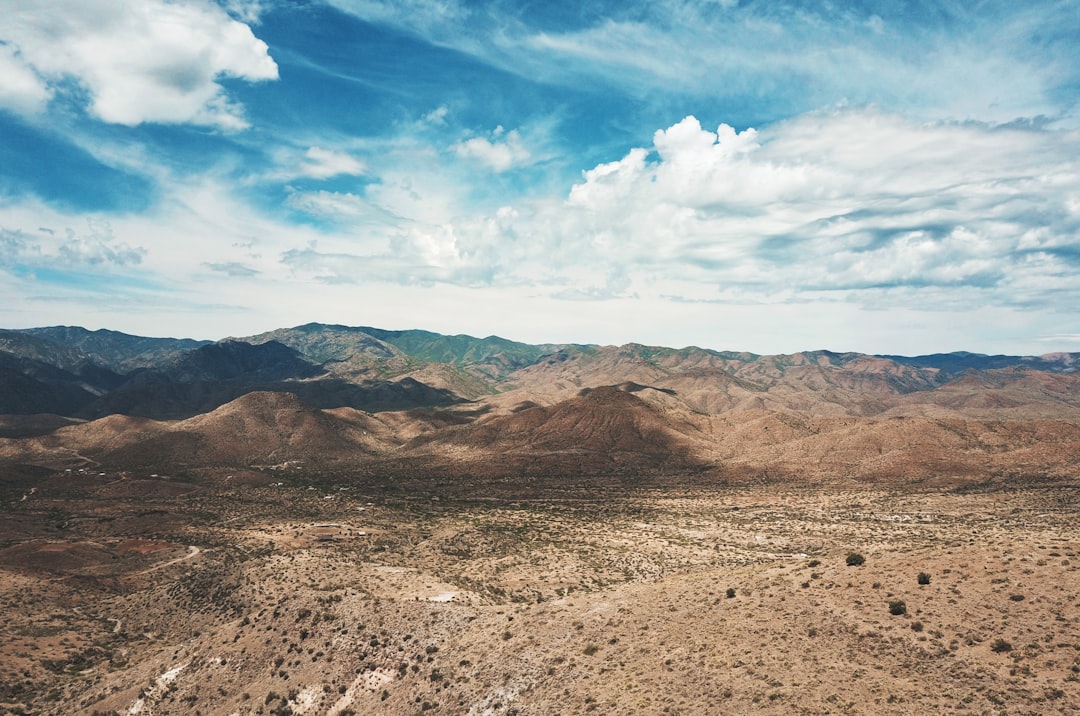
The Wild West, often romanticized in literature and film, was characterized by its lawlessness and chaos. Settlers and pioneers ventured into uncharted territories, where the absence of established legal systems led to a culture of vigilantism and self-governance. Towns sprang up overnight, often with little more than a saloon and a general store, and the lack of formal law enforcement meant that disputes were frequently settled with violence.
This environment fostered a sense of unpredictability, where survival depended on one’s ability to navigate not only the harsh landscape but also the equally treacherous social dynamics. In this tumultuous setting, the concept of justice was often subjective. Local sheriffs, if they existed at all, were frequently outmatched by the criminals they sought to apprehend.
The absence of a reliable judicial system meant that many individuals took the law into their own hands, leading to a cycle of retribution and blood feuds. The Wild West was not merely a backdrop for adventure; it was a crucible of human behavior under extreme conditions, where moral codes were often bent or broken in the name of survival.
Key Takeaways
- The Wild West was not as lawless and chaotic as commonly believed, with many towns having their own rules and regulations.
- Cowboys were not all white men, with a significant number being African American, Mexican, and Native American.
- Native Americans were not inherently savage and hostile, but were often defending their land and way of life from encroaching settlers.
- While gunfights did occur, they were not as common as portrayed in popular culture.
- Women in the Wild West had diverse roles and contributed significantly to the development of the frontier.
Cowboys Were All White Men
The image of the cowboy as a rugged, white male is deeply ingrained in American culture, yet this portrayal overlooks the diverse realities of the time. While many cowboys were indeed white men, the workforce on cattle drives and ranches included a significant number of African Americans, Mexicans, and Native Americans. These individuals played crucial roles in shaping the cowboy culture, contributing their skills and traditions to the burgeoning cattle industry.
Moreover, the cowboy lifestyle was not solely defined by cattle herding; it encompassed a range of experiences that varied widely based on race and background. For instance, Black cowboys like Nat Love and Bill Pickett became legends in their own right, challenging stereotypes and breaking barriers in a predominantly white industry.
The narrative that cowboys were exclusively white men simplifies a complex social landscape and diminishes the contributions of those who helped define the American West.
Native Americans Were Savage and Hostile
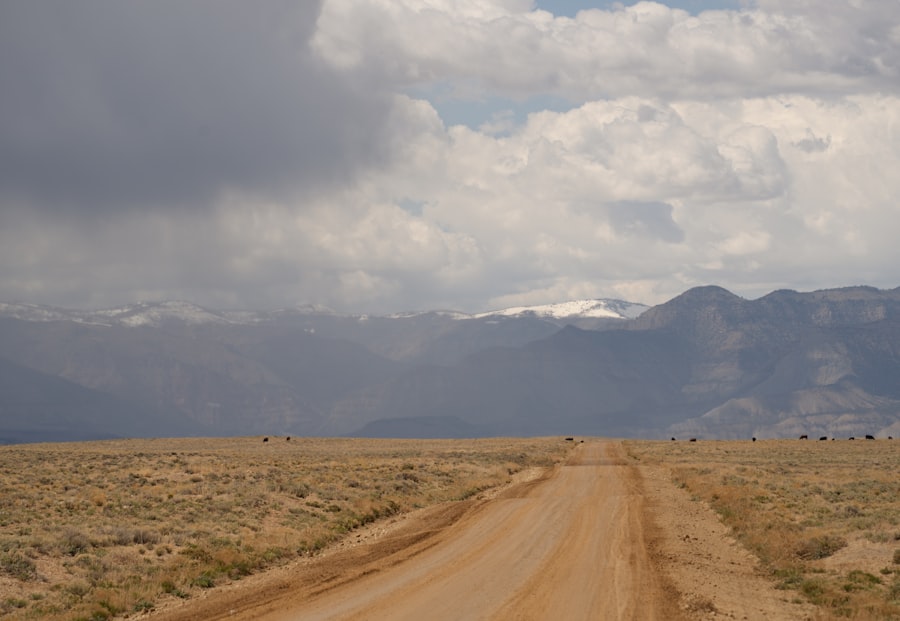
The portrayal of Native Americans as savage and hostile is a stereotype that has persisted throughout history, often perpetuated by popular media and literature. This oversimplification ignores the rich cultures, traditions, and histories of Indigenous peoples who inhabited the land long before European settlers arrived. Native American societies were diverse, with complex social structures, spiritual beliefs, and deep connections to the land.
The narrative of savagery often arose from misunderstandings and conflicts that stemmed from cultural differences rather than inherent hostility. As settlers encroached on their territories, many Native American tribes found themselves defending their homes against an overwhelming tide of colonization. This resistance was often framed as hostility by those who sought to justify their expansionist agendas.
In reality, many Native Americans were engaged in efforts to negotiate peace and coexistence, but these attempts were frequently met with violence. The portrayal of Indigenous peoples as mere obstacles to progress not only distorts history but also perpetuates harmful stereotypes that continue to affect perceptions today.
Gunfights Were a Common Occurrence
| Year | Number of Gunfights | Location |
|---|---|---|
| 1875 | 15 | Wild West towns |
| 1880 | 20 | Frontier settlements |
| 1890 | 10 | Old West saloons |
The iconic image of gunfights in dusty streets is a hallmark of Wild West mythology, yet the reality was far more nuanced. While shootouts did occur, they were not as commonplace as popular culture suggests. Most towns had periods of relative peace, with gunfights being more the exception than the rule.
The dramatic confrontations often depicted in films were sensationalized versions of actual events, designed to captivate audiences rather than accurately represent life in the West. Moreover, when gunfights did happen, they were often rooted in personal disputes rather than lawlessness or criminality. Arguments over land, cattle, or personal grievances could escalate into violence, but these incidents were typically isolated rather than indicative of a broader culture of gunplay.
The mythos surrounding gunfights has overshadowed the everyday realities of life in the Wild West, where community ties and social norms often prevailed over chaos.
Women Had Limited Roles and Rights in the Wild West
The role of women in the Wild West is frequently overshadowed by tales of rugged masculinity and adventure. While it is true that women faced significant societal limitations during this era, they played vital roles in shaping communities and families. Many women took on responsibilities that went beyond traditional domestic roles; they became business owners, educators, and even pioneers in their own right.
The image of women as mere homemakers fails to capture their resilience and contributions to frontier life. Despite facing legal and social constraints, women in the Wild West often found ways to assert their independence. Some women participated in movements for suffrage and social reform, advocating for their rights in a rapidly changing society.
Their stories are often overlooked in favor of more sensational narratives but are essential for understanding the complexities of life during this transformative period in American history.
The Gold Rush Made Everyone Rich
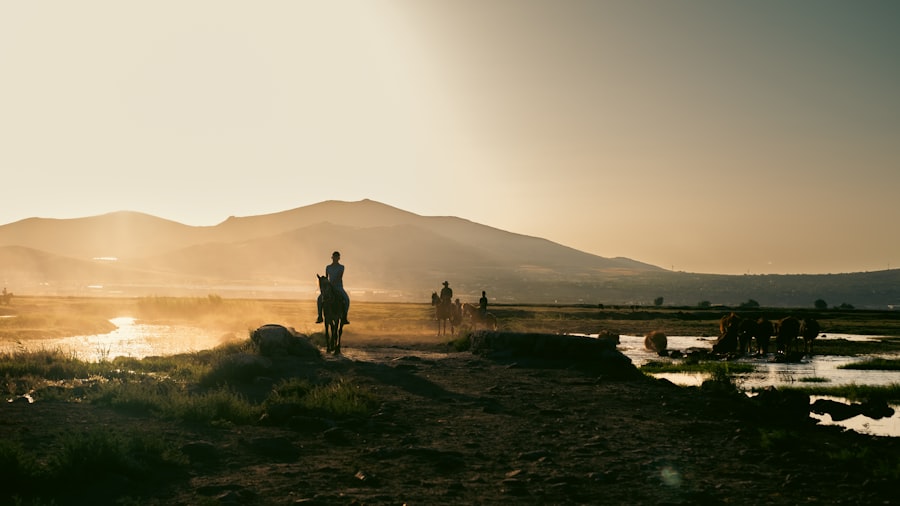
The Gold Rush is often depicted as a time when fortune was just a strike away for anyone willing to dig for it. However, this narrative glosses over the harsh realities faced by many who sought their fortunes in goldfields across America. While some individuals did strike it rich, the vast majority experienced hardship and disappointment.
The influx of prospectors led to overcrowded mining camps where disease and violence were rampant, and many found themselves no better off than before they embarked on their quests for wealth. Moreover, the Gold Rush had profound social implications that extended beyond individual fortunes. It spurred rapid population growth in previously uninhabited areas, leading to conflicts over land and resources with Native American tribes.
The promise of wealth attracted not only hopeful miners but also opportunists looking to exploit the situation for profit. The Gold Rush was not merely a tale of riches; it was a complex event that reshaped communities and left lasting impacts on the landscape.
Outlaws and Bandits Were Heroes
The romanticization of outlaws and bandits as folk heroes is a recurring theme in Wild West narratives. Figures like Jesse James and Billy the Kid have been elevated to legendary status, often portrayed as rebels fighting against corrupt systems or oppressive authorities. This glorification overlooks the reality of their actions, which often involved violence and criminality that harmed innocent people.
The allure of these outlaws lies in their defiance against societal norms, but such narratives can obscure the consequences of their choices. In truth, many outlaws operated outside any moral framework that prioritized community welfare or justice. Their exploits may have captured public imagination, but they also contributed to an atmosphere of fear and instability in frontier towns.
The line between heroism and villainy is blurred in these tales, revealing how narratives can be shaped by cultural perceptions rather than objective truths.
The Pony Express Was the Fastest Way to Deliver Mail
The Pony Express is often celebrated as an emblem of speed and efficiency in communication during the Wild West era. Established in 1860, this mail service utilized a relay system of riders who traversed treacherous terrain to deliver messages across vast distances in record time. While it is true that the Pony Express revolutionized mail delivery for its brief existence, its operational challenges were immense.
Riders faced harsh weather conditions, rugged landscapes, and threats from outlaws along their routes. Despite its legendary status, the Pony Express was short-lived due to its high costs and competition from telegraph lines that emerged shortly thereafter. While it captured the imagination of many with tales of daring riders galloping across plains and mountains, its practical impact was limited compared to other advancements in communication technology.
The story of the Pony Express serves as a reminder that even iconic symbols can be subject to historical scrutiny.
The Wild West Was Populated Mainly by Outlaws and Criminals
The notion that the Wild West was predominantly inhabited by outlaws and criminals is an oversimplification that fails to account for the diverse populations that settled these regions. While lawlessness did exist, many individuals were simply seeking new opportunities or escaping difficult circumstances back East. Farmers, ranchers, merchants, and families all contributed to the fabric of frontier life alongside those who engaged in criminal activities.
This narrative can perpetuate negative stereotypes about those who lived in these areas, painting them as inherently dangerous or morally corrupt. In reality, many communities worked diligently to establish order and create stable environments for their families. The Wild West was not solely defined by its outlaws; it was also home to hardworking individuals striving for a better life amidst challenging conditions.
The Wild West Was a Place of Endless Opportunity and Prosperity
While tales of hardship abound in discussions about the Wild West, it is also essential to recognize the opportunities it presented for many individuals seeking prosperity. The expansion westward opened up vast tracts of land for farming and ranching, allowing families to build new lives away from crowded cities. Entrepreneurs seized opportunities to establish businesses catering to settlers’ needs—everything from general stores to saloons flourished as communities developed.
The Homestead Act of 1862 provided incentives for individuals willing to cultivate land for agricultural use, further fueling migration westward. While challenges were plentiful, many found success through hard work and determination in this land filled with potential.
The Wild West Was a Time of Adventure and Excitement
The Wild West has long been romanticized as an era brimming with adventure and excitement—a time when individuals could forge their destinies against breathtaking landscapes filled with untamed wilderness. From cattle drives across open plains to daring escapades involving outlaws or treasure seekers chasing gold dreams, stories from this period evoke images of bravery and resilience. However, beneath this adventurous veneer lay countless struggles faced by those who lived during this time.
Life was often fraught with danger—harsh weather conditions could devastate crops or livestock; conflicts with Native Americans could erupt unexpectedly; disease could sweep through communities without warning. Yet despite these challenges, many embraced life on the frontier with an indomitable spirit that defined an era marked by both hardship and hope. In conclusion, while the Wild West remains an enduring symbol of adventure and opportunity within American folklore, it is crucial to approach its history with nuance and complexity.
By examining various perspectives—from marginalized voices to everyday struggles—one can gain a deeper understanding of what life truly entailed during this transformative period in history.
The Wild West is often romanticized in popular culture, but many of the tales we know today are steeped in myth rather than fact. From the exaggerated exploits of outlaws to the idealized image of cowboys, the truth about the Wild West is far more nuanced. For those interested in exploring the myths and realities of this fascinating period, a related article on historical lies about the Wild West can be found on Real Lore and Order. This article delves into the misconceptions and fabrications that have shaped our understanding of this era. To read more, visit Real Lore and Order.
WATCH THIS! 50 Historical Lies You Believe Because of Movies
FAQs
What are some common historical lies about the Wild West?
Some common historical lies about the Wild West include the idea that everyone carried a gun, that Native Americans were always the aggressors, and that the West was a lawless and chaotic place.
Were all cowboys in the Wild West white men?
No, not all cowboys in the Wild West were white men. In fact, many cowboys were African American, Mexican, and Native American. The image of the white cowboy is a historical stereotype that does not accurately represent the diversity of the people who worked in the cattle industry.
Was the Wild West really as violent as it is often portrayed?
While there were instances of violence in the Wild West, it was not as lawless and chaotic as it is often portrayed. Many towns had strict laws and law enforcement, and most people in the West lived peaceful lives.
Did everyone in the Wild West carry a gun?
Contrary to popular belief, not everyone in the Wild West carried a gun. In fact, many towns and cities had strict gun control laws, and the majority of people did not carry firearms on a daily basis.
Were Native Americans always the aggressors in conflicts with settlers in the Wild West?
No, Native Americans were not always the aggressors in conflicts with settlers in the Wild West. In many cases, settlers encroached on Native American land and resources, leading to conflicts and violence. The portrayal of Native Americans as the sole aggressors is a historical oversimplification.