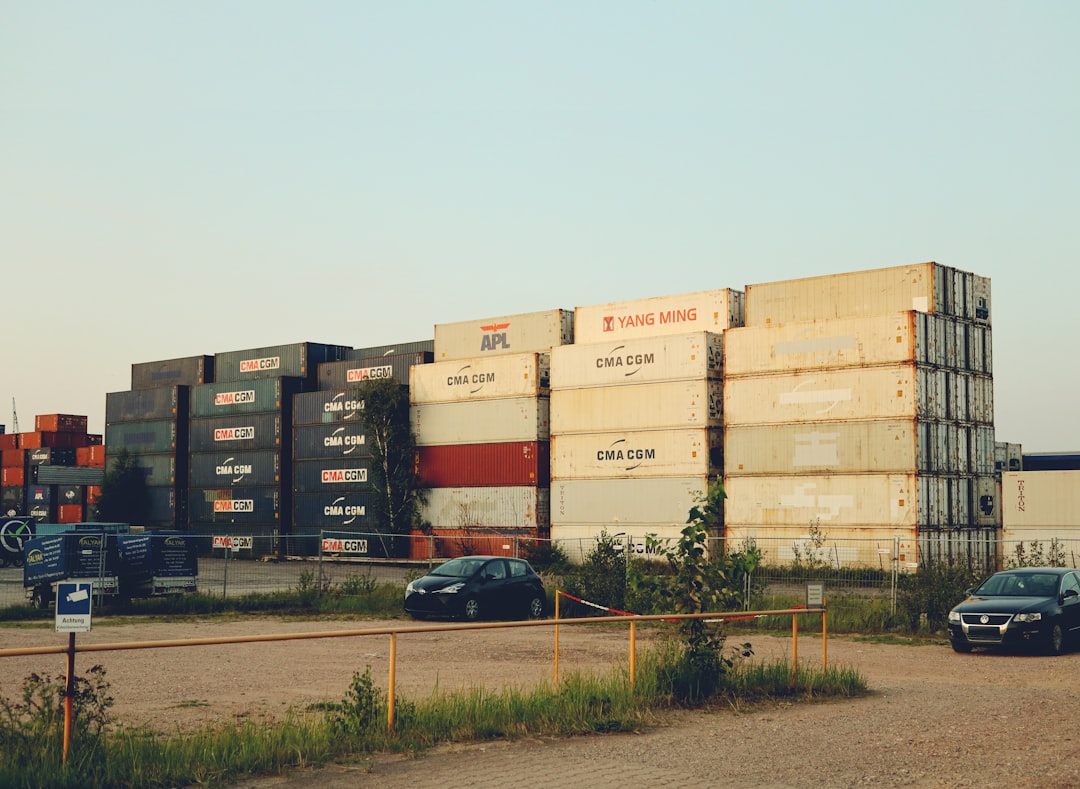
The landscape of global manufacturing is in a state of constant flux, a dynamic interplay of economic pressures, geopolitical shifts, and technological advancements. For German manufacturers, long accustomed to established supply chains and a robust domestic industrial base, the decision to relocate a factory is a complex undertaking, akin to rerouting a mighty river through new terrain. This article explores the top destinations attracting German factory relocations, examining the underlying factors and the nuanced advantages each region offers. Understanding these trends is crucial for businesses seeking to optimize their operational footprints and for policymakers aiming to attract foreign investment.
Eastern Europe has consistently emerged as a prime relocation destination for German manufacturers, primarily due to its geographical proximity, established industrial heritage, and advantageous labor costs. This region acts as a natural extension of the German industrial heartland, offering a seamless transition for supply chains and a familiar cultural work ethic. The recent report highlights the impact of [Germany factory closures] on the European economy.
Poland: The Central European Fulcrum
Poland, in particular, has cemented its position as a leading choice. Its strategic location at the crossroads of East and West, coupled with a large and increasingly skilled workforce, presents a compelling proposition.
- Geographic Advantages: Poland shares a long border with Germany, facilitating efficient logistics and just-in-time delivery systems. This minimizes transportation costs and reduces lead times, critical factors for modern manufacturing.
- Workforce Availability and Cost: While wages have been steadily rising, they remain significantly lower than in Germany, offering a substantial cost advantage. The Polish workforce is also known for its strong work ethic and technical aptitude.
- Infrastructure Development: Significant investments in road, rail, and port infrastructure have further enhanced Poland’s attractiveness. The development of special economic zones (SEZs) offers additional incentives, including tax breaks and simplified administrative procedures.
- EU Membership Benefits: As a member of the European Union, Poland provides access to the single market, ensuring regulatory alignment and tariff-free trade. This reduces bureaucratic hurdles and fosters a predictable business environment.
Czech Republic: A High-Tech Manufacturing Hub
The Czech Republic, with its strong industrial tradition and focus on higher-value manufacturing, presents a slightly different profile than Poland, though equally appealing to German firms.
- Skilled Labor Force: The nation possesses a well-educated workforce, particularly in engineering and technical fields, making it suitable for more complex manufacturing processes. This is a significant draw for companies seeking to maintain high-quality standards.
- Automotive Industry Ecosystem: The Czech Republic has a highly developed automotive sector, with a strong network of suppliers and ancillary industries. This creates a fertile ground for German automotive component manufacturers and assemblers.
- Political Stability and Rule of Law: The country consistently ranks high in terms of political stability and adherence to the rule of law, providing a secure and predictable environment for long-term investments.
- Investment Incentives: The Czech government actively promotes foreign investment through various incentive programs, including corporate income tax relief, job creation grants, and support for research and development activities.
Hungary and Slovakia: Niche Opportunities
While perhaps not as broad in their appeal as Poland and the Czech Republic, Hungary and Slovakia offer distinct advantages for specific German manufacturing sectors.
- Hungary’s Automotive Focus: Hungary has become a significant hub for premium automotive manufacturers, attracting substantial investment from German brands. Its focus on specialized production and research capabilities is a key draw.
- Slovakia’s Industrial Base: Slovakia maintains a strong industrial base, particularly in the automotive and electronics sectors. Its relatively competitive labor costs and proximity to German supply chains continue to attract investment.
As companies in Germany consider relocating their manufacturing operations, various destinations are emerging as attractive alternatives. A related article that delves into the factors influencing these relocation decisions can be found at Real Lore and Order. This resource provides insights into the economic, logistical, and regulatory aspects that are shaping the landscape for German factories seeking new homes abroad.
North America: Bridging the Atlantic for Market Access
For German manufacturers seeking to penetrate or expand within the North American market, direct factory relocation to the United States or Mexico can be a strategic imperative. This move is less about cost arbitrage and more about market access, mitigating trade barriers, and shortening supply chains.
United States: Proximity to Consumers and Innovation
The United States offers a colossal domestic market, a robust innovation ecosystem, and increasingly attractive energy costs, making it a compelling destination for certain German industries.
- Market Size and Consumer Base: The sheer scale of the U.S. consumer market is an undeniable draw. Establishing a factory within the country allows manufacturers to bypass tariffs, reduce shipping times, and better respond to local demand, a direct path to the consumer’s doorstep.
- Energy Cost Advantages: The abundance of natural gas has led to significantly lower energy costs in the U.S. compared to Europe, offering a substantial operational advantage for energy-intensive industries.
- Research and Development Ecosystem: The U.S. boasts world-leading universities and research institutions, fostering a dynamic environment for innovation and talent acquisition. This is particularly appealing for high-tech German firms.
- “Made in USA” Appeal: For some products, the “Made in USA” label carries significant brand cachet, resonating with American consumers and potentially opening new market segments.
Mexico: Cost-Effective Gateway to NAFTA
Mexico has long been a favored location for German manufacturers targeting the North American Free Trade Agreement (NAFTA) region, now the United States-Mexico-Canada Agreement (USMCA). Its competitive labor costs and extensive free trade agreements position it as a powerful manufacturing hub.
- Competitive Labor Costs: Mexico’s labor costs are significantly lower than those in the U.S., making it an attractive option for labor-intensive manufacturing.
- USMCA Access: As a USMCA member, goods produced in Mexico can access the U.S. and Canadian markets tariff-free, effectively integrating the Mexican operations into the broader North American supply chain.
- Proximity to the U.S. Market: Mexico shares a long border with the U.S., facilitating efficient cross-border logistics, particularly for industries with established supply chains.
- Skilled Workforce Specialization: Regions like Baja California and the Bajío region have developed specialized workforces in industries such as automotive and aerospace, offering expertise and supply chain maturity.
Southeast Asia: The Long-Term Growth Frontier
For German companies with an eye on long-term growth in burgeoning Asian markets, Southeast Asia offers a compelling, albeit more distant, proposition. This region is a melting pot of rapidly developing economies, young populations, and increasing purchasing power.
Vietnam: The Emerging Manufacturing Hub
Vietnam has rapidly climbed the ranks as a manufacturing powerhouse, driven by its competitive labor costs, pro-business policies, and strategic location within Southeast Asia.
- Cost-Effective Labor: Vietnam offers some of the most competitive labor costs in the region, making it highly attractive for labor-intensive industries.
- Favorable Trade Agreements: Vietnam has a growing network of free trade agreements, including those with the EU, further enhancing its appeal as an export hub.
- Government Support for FDI: The Vietnamese government is actively courting foreign direct investment (FDI) through various incentives, streamlining bureaucratic processes, and investing in infrastructure.
- Growing Domestic Market: While predominantly an export-oriented manufacturing base, Vietnam’s domestic market is also growing, presenting future opportunities.
Thailand: Automotive and Electronics Powerhouse
Thailand boasts a well-established industrial base, particularly in the automotive and electronics sectors, supported by a developed infrastructure and an experienced manufacturing workforce.
- Established Supply Chains: Thailand possesses mature supply chains, especially in the automotive and electronics industries, reducing the complexity of setting up new operations.
- Skilled Workforce: The country has a relatively skilled and experienced workforce in manufacturing, capable of handling more sophisticated production processes.
- Infrastructure Quality: Thailand’s infrastructure, including ports, roads, and industrial estates, is generally well-developed, facilitating efficient logistics.
- Strategic Location: Its central location in Southeast Asia provides excellent connectivity to regional markets and global shipping routes.
Western Europe: Niche Relocations for Specialization
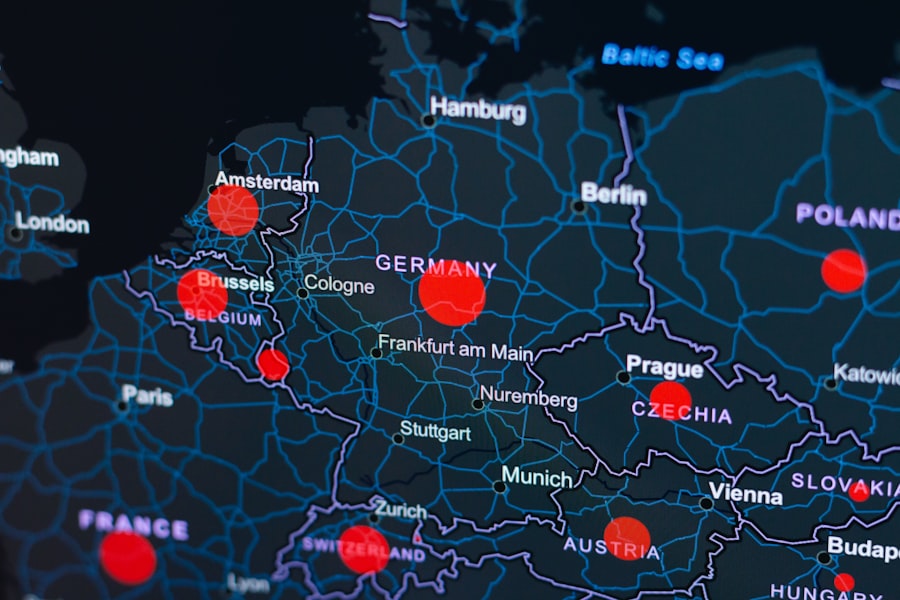
While many German factory relocations gravitate towards lower-cost regions, there are specific scenarios where remaining within or relocating to other Western European nations makes strategic sense, often driven by highly specialized production, research and development synergies, or unique market access requirements.
Netherlands: Logistics Gateway and High-Tech Integration
The Netherlands, with its world-class logistics infrastructure and focus on innovation, can be an attractive destination for German firms seeking specialized capabilities or a strategic distribution hub.
- Logistics and Port Infrastructure: Rotterdam, Europe’s largest port, offers unparalleled global connectivity. The Dutch logistics sector is highly efficient, making it ideal for managing complex supply chains and distribution networks.
- Innovation Ecosystem: The Netherlands boasts a strong ecosystem for innovation, particularly in areas like high-tech manufacturing, agri-food, and life sciences. This can attract German firms seeking R&D collaboration or specialized talent.
- English-Speaking Workforce: A high proficiency in English within the workforce simplifies communication and integration for German companies.
- Stable Political and Economic Environment: The Netherlands offers a highly stable and predictable business environment, appealing to long-term investors.
France: Premium Market Access and Specific Industry Needs
France, with its large domestic market and strong industrial traditions in certain sectors, can be a relevant destination for German manufacturers aiming for premium market positioning or specific industry clusters.
- Large Domestic Market: France offers a substantial domestic market for German products, particularly in luxury goods, automotive, and aerospace.
- Specific Industry Clusters: France has well-developed clusters in sectors like aerospace (Toulouse) and automotive, offering access to specialized suppliers and talent.
- Research and Development Incentives: The French government offers significant incentives for R&D, making it attractive for German firms looking to establish or expand their innovation capabilities.
As companies increasingly seek to optimize their operations, the trend of German factory relocations has gained significant attention. Many businesses are exploring various destinations that offer favorable economic conditions and skilled labor. For those interested in a deeper understanding of this phenomenon, a related article discusses the factors influencing these relocation decisions and highlights potential new hubs for manufacturing. You can read more about it in this insightful piece found here.
The Global South: Untapped Potential and Future Considerations
| Destination Country | Average Labor Cost (per hour) | Logistics Infrastructure | Proximity to German Market | Political Stability | Common Industries |
|---|---|---|---|---|---|
| Poland | €6.50 | Good (Road, Rail, Ports) | Close (Neighboring) | High | Automotive, Electronics, Machinery |
| Czech Republic | €7.00 | Excellent (Road, Rail, Air) | Close (Neighboring) | High | Automotive, Engineering, Chemicals |
| Hungary | €6.80 | Good (Road, Rail) | Moderate | Moderate | Automotive, Electronics, Pharmaceuticals |
| Slovakia | €6.20 | Good (Road, Rail) | Close (Neighboring) | High | Automotive, Electronics, Machinery |
| Romania | €5.50 | Moderate (Road, Rail) | Moderate | Moderate | Textiles, Automotive, Electronics |
| Turkey | €4.50 | Good (Road, Ports) | Far | Moderate | Textiles, Automotive, Electronics |
Beyond the established relocation destinations, a new wave of emerging markets in the Global South is beginning to capture the attention of German manufacturers, particularly as global supply chains diversify and new growth markets mature.
India: The Demographic Dividend and Growing Market
India, with its colossal population, rapidly expanding middle class, and improving infrastructure, represents a long-term strategic play for German manufacturers.
- Vast Domestic Market: India’s population of over 1.4 billion offers an unparalleled domestic market, promising immense scaling opportunities.
- Cost-Competitive Labor: While not as low as some Southeast Asian nations, India’s labor costs remain competitive, particularly for large-scale manufacturing.
- Government Initiatives (Make in India): The Indian government’s “Make in India” initiative actively promotes foreign investment and seeks to establish India as a global manufacturing hub.
- Skilled Engineering Talent: India produces a large number of engineers and technical professionals, offering a growing pool of skilled human capital.
Brazil: South American Dominance and Regional Hub
For German companies looking to establish a stronghold in South America, Brazil, despite its economic volatility, offers the largest market and a significant industrial base.
- Largest South American Market: Brazil accounts for a substantial portion of South America’s economy, making it a critical entry point for the region.
- Established Industrial Base: Brazil has a diverse industrial landscape, particularly in automotive, agriculture, and mining, providing an existing supplier network.
- Mercosur Access: As a member of Mercosur, Brazil offers preferential trade access to other South American nations, serving as a regional manufacturing and distribution hub.
The choice of where to relocate a factory is never a simple one. It involves an intricate balancing act between cost, market access, regulatory environments, and the availability of talent and infrastructure. For German manufacturers, the options are diverse, each offering a unique set of advantages and challenges, much like choosing the right vessel and charting the most opportune course across vast and varied seas. The decision ultimately hinges on a company’s specific strategic objectives, its product portfolio, and its long-term vision for global competitiveness.
WATCH THIS 🔴 SHOCKING: Why Germany’s Factory Exodus Is Permanent (Not Temporary)
FAQs
What are the most popular destinations for German factory relocations?
Common destinations for German factory relocations include Eastern European countries such as Poland, the Czech Republic, and Hungary, as well as countries in Southeast Asia like Vietnam and Thailand. These locations are favored due to lower labor costs and favorable trade conditions.
Why do German companies choose to relocate their factories abroad?
German companies often relocate factories to reduce production costs, access new markets, benefit from local incentives, and improve supply chain efficiency. Labor cost savings and proximity to emerging markets are significant factors.
What industries are most involved in German factory relocations?
Industries such as automotive manufacturing, electronics, machinery, and textiles are commonly involved in factory relocations. These sectors seek cost-effective production while maintaining quality standards.
How does relocating a factory impact the German economy?
Factory relocations can lead to job losses in Germany but may also result in increased competitiveness for German companies globally. Additionally, companies may reinvest savings into innovation and higher-value activities domestically.
What challenges do German companies face when relocating factories abroad?
Challenges include navigating different regulatory environments, cultural and language barriers, quality control issues, and logistical complexities. Companies must also manage risks related to political stability and supply chain disruptions.