
The Yamuna River, a sacred artery of northern India, flows through the heart of the nation, sustaining life and culture. Yet, beneath its often placid surface, a darker narrative unfolds—one of illicit sand mining, environmental degradation, and a tragic toll on human lives. This article delves into the grim reality of deaths in India’s Yamuna River sand mining operations, examining the causes, consequences, and the persistent challenges in curbing this devastating practice.
Sand, an unassuming granular material, is the second most consumed natural resource globally after water. It is a fundamental component of concrete, asphalt, and glass, underpinning modern infrastructure development. In India, with its ambitious construction boom and rapid urbanization, the demand for sand is insatiable. This voracious appetite fuels a multi-billion-dollar industry, much of which operates beyond the bounds of legal frameworks. Learn about the environmental impacts of sand mining in this informative video.
The Dynamics of Illegal Sand Extraction
Illegal sand mining in the Yamuna River basin is a complex, multifaceted phenomenon driven by a confluence of economic, social, and political factors.
Economic Imperatives
- High Demand, Limited Supply: The burgeoning construction sector creates a constant, ever-increasing demand for sand. Legal mining operations often struggle to meet this demand, creating a vacuum filled by illicit extraction.
- Profit Margins: The low overheads associated with illegal mining—circumventing environmental regulations, taxes, and labor laws—result in substantial profit margins, attracting criminal elements and individuals seeking quick wealth.
- Poverty and Lack of Alternatives: For many impoverished communities residing near the Yamuna, sand mining offers a precarious yet immediate source of income. This desperation is often exploited by organized crime syndicates.
Operational Modus Operandi
- Manual Labor and Primitive Tools: In many instances, especially in more remote or less accessible areas, sand is extracted manually using shovels, baskets, and small boats. This labor-intensive method is often employed by vulnerable populations.
- Mechanized Dredging: More sophisticated illegal operations utilize powerful excavators, earthmovers, and dredgers, capable of extracting vast quantities of sand rapidly. These operations are often backed by influential individuals or groups.
- Night Operations: Much of the illegal mining takes place under the cover of darkness, making detection and enforcement significantly more challenging.
The Role of Corruption
- Collusion with Authorities: A significant impediment to curbing illegal mining is the widespread allegations of corruption involving local police, revenue officials, and politicians. This nexus provides a protective umbrella for illicit operations, allowing them to flourish with impunity.
- “Hush Money” and Extortion: Miners, both legal and illegal, often pay “hush money” to local authorities to avoid prosecution or to operate unchallenged. This system perpetuates the cycle of illegality.
The alarming rise in sand mining deaths along the Yamuna River in India has raised significant concerns about safety and environmental degradation. A related article that delves deeper into this issue can be found at this link, where it discusses the impact of unregulated sand mining on local communities and the urgent need for stricter regulations to protect both workers and the ecosystem.
The Grim Reaper’s Toll: Unseen Casualties
The pursuit of sand, often deemed “river gold,” comes at an unbearable human cost. Deaths in Yamuna River sand mining are a tragically frequent occurrence, yet many go unreported, obscured by the shadowy nature of the industry.
Direct Fatalities: Accidents and Drowning
The most immediate cause of death among sand miners is often directly related to the hazardous nature of their work.
Unsafe Working Conditions
- Collapsing Pits: Manual sand mining often involves digging deep pits on the riverbed or banks. These unstable pits are prone to sudden collapse, burying miners alive under tons of sand. The loose, saturated nature of riverbed sand makes these collapses particularly swift and lethal.
- River Current and Depth: Miners working in the river itself, especially when using boats or diving, face the constant threat of strong currents, submerged obstacles, and sudden changes in river depth. Drowning is a common tragedy.
- Lack of Safety Equipment: Basic safety measures, such as life jackets, ropes, or protective gear, are virtually non-existent in illegal mining operations. The emphasis is on speed and volume, not worker safety.
- Operating Heavy Machinery: For those involved in mechanized extraction, accidents involving excavators or conveyor belts can lead to severe injuries or fatalities. These machines, often operated in challenging terrain and low visibility, pose significant risks.
Exploitation of Child Labor
- Vulnerability and Risk: Disturbingly, children are often employed in sand mining, particularly in manual operations. Their smaller stature and perceived manageability make them vulnerable targets for exploitation. They face the same, if not greater, risks of accident and injury due to their lack of experience and physical limitations.
- Long-Term Health Impacts: Beyond immediate accidents, children exposed to sand dust and strenuous physical labor endure severe long-term health consequences, including respiratory illnesses and stunted growth.
Indirect Fatalities: Conflict and Violence
The high stakes and illicit nature of sand mining invariably lead to conflict and violence, which often escalates to fatalities.
clashes with Law Enforcement
- Resistance to Authorities: When law enforcement agencies attempt to crack down on illegal mining, miners or operators often resist, leading to violent confrontations. These clashes can result in injuries or deaths among both miners and police personnel.
- Retaliation against Whistleblowers: Individuals who report illegal mining or attempt to expose the nexus behind it frequently face severe intimidation, threats, or even violence, sometimes resulting in their death. Journalists, activists, and even government officials have been targeted.
Inter-Gang Rivalries
- Territorial Disputes: The lucrative nature of sand mining fuels fierce competition among different groups or syndicates vying for control over prime mining areas. These territorial disputes frequently erupt into violent clashes, with weapons often involved.
- Organized Crime Involvement: The integration of organized criminal elements into the sand mining industry brings with it a culture of violence, where disputes are settled through force rather than legal means.
The Environmental Catastrophe: A Rippling Effect
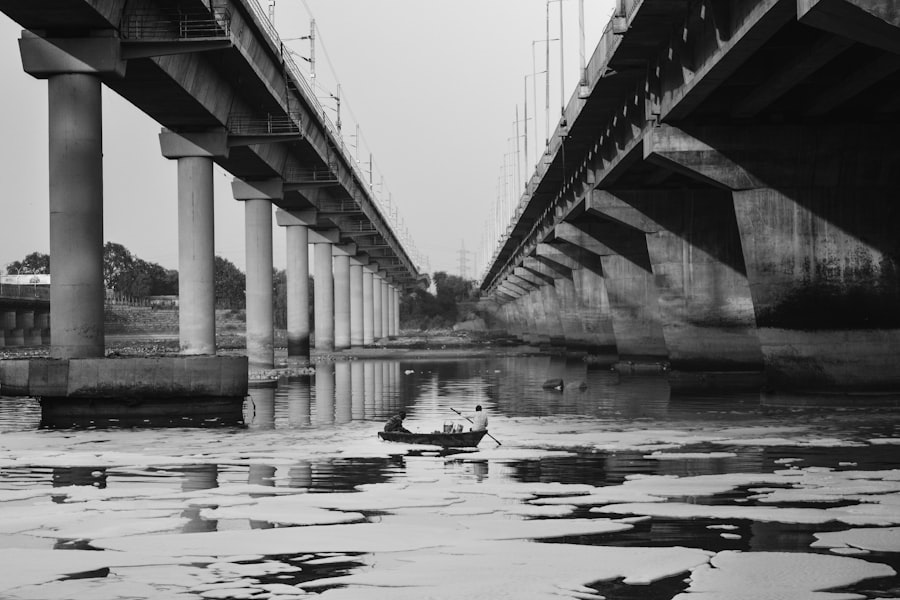
Beyond the immediate human casualties, illegal sand mining inflicts catastrophic damage on the Yamuna River ecosystem, creating a ripple effect that further impacts human well-being. This environmental degradation often exacerbates the risks faced by communities and miners alike.
Riverbed Degradation and Ecological Imbalance
The indiscriminate removal of sand from riverbeds has profound ecological consequences.
Lowering of the Riverbed
- Groundwater Depletion: The most immediate and severe impact is the lowering of the riverbed. This disrupts the natural hydrology, causing the water table in surrounding areas to drop significantly. This, in turn, impacts agricultural sustainability and access to drinking water for local communities, intensifying socio-economic distress that can drive people towards desperate measures like mining.
- Reduced Water Availability: As the riverbed deepens, the river’s capacity to retain water diminishes, especially during dry seasons. This exacerbates water scarcity for downstream users, ecosystems, and human consumption.
Bank Erosion and Instability
- Loss of Land: The deepening of the riverbed and the removal of sediment cause riverbanks to become unstable and susceptible to erosion. This leads to the loss of agricultural land, infrastructure, and even residential areas adjacent to the river, displacing communities and increasing their vulnerability.
- Damage to Infrastructure: Bridges, embankments, and other critical infrastructure built along the river are undermined by bank erosion, posing risks of collapse and significant economic costs for repair or replacement.
Impact on Aquatic Life
- Habitat Destruction: Sand mining directly destroys the habitats of various aquatic species, including fish, turtles, and crustaceans. The removal of sand alters the riverbed composition, making it unsuitable for spawning and breeding.
- Turbidity and Pollution: Mining operations increase water turbidity, reducing light penetration and affecting photosynthetic processes crucial for aquatic plant life. The machinery used often introduces pollutants like oil and grease into the river, further poisoning the ecosystem.
- Disruption of Food Chains: The decline in fish populations and other aquatic organisms disrupts the entire riverine food chain, impacting local livelihoods dependent on fishing and accelerating biodiversity loss.
Weakening Flood Defenses
Ironically, the sand that forms a natural barrier against floods is aggressively extracted, leaving communities more vulnerable.
Altered Flow Dynamics
- Increased Flood Risk: While it might seem counterintuitive, excessive sand mining can increase flood risk. The alteration of the riverbed and banks can change the river’s flow dynamics, leading to unpredictable water movement and flash floods in areas previously considered safe.
- Reduced Natural Absorption: Healthy riverbeds and banks, with their natural sand and vegetation, act as sponges, absorbing excess water during peak flows. Mining removes this natural buffer, reducing the river’s capacity to manage floodwaters.
Damage to Protective Structures
- Embankment Undermining: The erosion caused by illegal mining can undermine existing embankments and other flood protection structures, making them susceptible to breaching during heavy rains.
Enforcement Challenges and Policy Lacunae
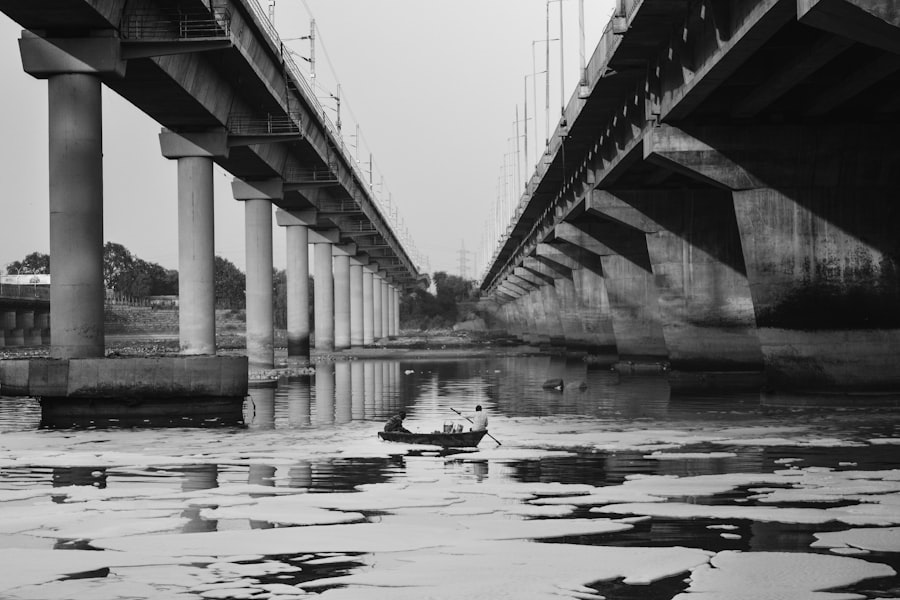
Despite the overwhelming evidence of environmental damage and human cost, effective enforcement against illegal sand mining remains a formidable challenge in India. This is due to a combination of systemic issues, policy gaps, and resistance to change.
The Enforcement Conundrum
The struggle to curb illegal sand mining is a protracted battle against powerful vested interests.
Lack of Adequate Manpower and Resources
- Overstretched Agencies: Law enforcement agencies, particularly local police and mining departments, are often understaffed, underfunded, and lack the technical equipment necessary to monitor and combat widespread illegal mining operations, especially in remote areas or at night.
- Infrastructure Deficiencies: The absence of proper roads or accessible routes to mining sites can hinder enforcement teams from reaching areas where illegal activities are rampant.
- Training Gaps: Personnel often lack specialized training in environmental law, geological assessment, or strategies for confronting organized criminal operations in this context.
Political Interference and Corruption
- Influence of Powerful Lobbies: As previously mentioned, the involvement of powerful political figures and wealthy businessmen in illegal sand mining operations acts as a major deterrent to effective enforcement. These individuals can exert pressure on officials, leading to transfers, harassment, or even violence against those who attempt to crack down.
- “Protection Rackets”: The existence of “protection rackets” where enforcement officials are bribed to ignore illegal activities or tip off miners about impending raids is a deeply entrenched problem.
Legal Loopholes and Ambiguities
- Weak Penalties: Historically, penalties for illegal sand mining have been relatively minor, often just a small fine, which is easily absorbed as a business cost by large-scale operators. This lack of deterrence encourages continued illegal activity.
- Complex Regulatory Framework: The regulatory framework governing sand mining involves multiple agencies at central, state, and local levels, leading to jurisdictional ambiguities and a lack of coordinated enforcement. This creates opportunities for exploitation.
- Difficulty in Proving Illegality: Proving the illegal nature of sand extraction can be challenging, especially when operations are run efficiently to avoid direct confrontation, or when documentation is forged.
Policy Responses and Their Limitations
Governments have attempted to address the issue through various policies and initiatives, but their efficacy has been mixed.
Adoption of Technology
- Satellite Monitoring and Drones: Some states have begun to utilize satellite imagery, drones, and GPS tracking to monitor mining sites and detect illegal activities. This has shown promise in identifying hotspots and providing evidence.
- Digital Permits and e-Auctions: To increase transparency and curb illegal sales, some states have implemented digital platforms for issuing mining permits and conducting e-auctions for legitimate leases. However, these systems can be circumvented or fall prey to corruption.
Increased Penalties and Legislation
- National Green Tribunal (NGT) Directives: The NGT has issued numerous directives, imposing stricter penalties, requiring environmental clearances for even minor mining projects, and calling for robust monitoring. These directives have been instrumental in raising awareness and shaping policy.
- Amended Mining Acts: Several state governments have amended their mining acts to include stricter provisions, higher fines, and longer imprisonment terms for illegal sand mining. While a step in the right direction, consistent enforcement remains the Achilles’ heel.
Public Awareness Campaigns
- Community Engagement: Efforts to involve local communities in reporting illegal mining and protecting riverine ecosystems have been initiated in some areas. Empowering communities to act as custodians of the river can be a powerful tool.
Limitations of Current Approaches
- Scale of the Problem: The sheer scale of illegal sand mining across numerous river systems makes it incredibly difficult to control with current resources. It’s like trying to empty an ocean with a thimble.
- Adaptability of Criminal Elements: Illegal miners and their patrons are highly adaptable, constantly finding new ways to evade detection, exploit loopholes, and corrupt the system.
- Lack of Political Will: Ultimately, systemic change often hinges on strong political will to dismantle the powerful nexus that profits from this illegal trade, a will that is frequently undermined by the very interests it seeks to control.
The alarming rise in sand mining deaths along the Yamuna River in India has raised significant concerns about environmental safety and regulatory oversight. A recent article highlights the tragic incidents that have occurred as a result of illegal mining activities, shedding light on the urgent need for stricter enforcement of laws to protect both the river and the communities that depend on it. For more insights on this pressing issue, you can read the full article here.
A Call to Action: Safeguarding the Yamuna and Its People
| Year | Number of Deaths | Location | Cause | Notes |
|---|---|---|---|---|
| 2018 | 12 | Yamuna River, Uttar Pradesh | Illegal sand mining accidents | Multiple incidents reported due to unregulated mining |
| 2019 | 8 | Yamuna River, Delhi NCR | Collapse of sand mining pits | Deaths mostly among laborers involved in illegal mining |
| 2020 | 15 | Yamuna River, Haryana | Drowning during sand extraction | Increase in illegal mining activities during lockdown |
| 2021 | 10 | Yamuna River, Uttar Pradesh | Accidents related to unregulated sand mining | Authorities increased crackdowns but incidents continued |
| 2022 | 7 | Yamuna River, Delhi NCR | Mining pit collapses and drowning | Some reduction in deaths due to stricter enforcement |
The tragic deaths in India’s Yamuna River sand mining are not mere statistics; they represent lives cut short, families devastated, and communities pushed to the brink. They are a stark reminder of the hidden human cost of unsustainable resource extraction. The environmental degradation accompanying these actions—the desiccated riverbeds, the collapsing banks, the dying ecosystems—speaks of a future imperiled.
This crisis demands a multi-pronged approach, moving beyond piecemeal efforts to a holistic strategy rooted in political integrity, technological innovation, social empowerment, and strict enforcement.
Strengthening Enforcement
- Zero Tolerance Policy: Governments must adopt a zero-tolerance policy towards illegal sand mining, ensuring that all perpetrators, irrespective of their influence, are brought to justice.
- Increased Resources and Training: Equipping enforcement agencies with adequate manpower, modern technology (drones, satellite imagery, GPS trackers), and specialized training is crucial.
- Independent Oversight: Establishing independent oversight bodies to monitor enforcement efforts and investigate allegations of corruption can help build accountability.
- Fast-Track Courts: Creating fast-track courts dedicated to environmental offenses can ensure timely prosecution and conviction, acting as a stronger deterrent.
Policy Reforms and Sustainable Alternatives
- Promoting Manufactured Sand (M-Sand): Encouraging the production and use of manufactured sand (M-sand) as an alternative to river sand can significantly reduce pressure on natural river systems. Governments can offer incentives for M-sand production and mandating its use in public projects.
- Scientific Mining Practices: For legitimate mining, strict adherence to scientific and environmentally sound practices, including replanting and riverbank stabilization, is essential. Regular environmental impact assessments must be mandatory and rigorously enforced.
- Rehabilitation of Affected Areas: Comprehensive plans for the ecological rehabilitation of areas ravaged by illegal mining must be implemented, including riverbed restoration and afforestation.
- Livelihood Diversification: For communities dependent on sand mining, especially those coerced into illegal operations, alternative sustainable livelihood opportunities must be created to break the cycle of poverty and exploitation.
Community Engagement and Awareness
- Empowering Local Communities: Local communities, as the first responders and direct victims of illegal mining, must be empowered to monitor and report illicit activities. Secure mechanisms for whistleblowers protection are paramount.
- Public Awareness Campaigns: Educating the public about the environmental and social consequences of illegal sand mining can foster greater demand for sustainably sourced materials and increased public pressure on authorities.
- Role of Media and Civil Society: A vigilant media and active civil society organizations play a crucial role in exposing illegal operations, advocating for policy changes, and holding authorities accountable.
The Yamuna River, a life-giver for millions, is groaning under the weight of relentless exploitation. The tragic deaths that occur within its sand-filled embrace are a moral indictment of a system that prioritizes profit over people and the planet. Addressing this crisis requires not just laws and policies, but a collective conscience, a shared commitment to protecting this vital lifeline, and ensuring that its waters flow not as a tomb, but as a source of life for generations to come. The time for decisive action, for placing human lives and ecological integrity above illicit gains, is now.
WATCH THIS! 🏗️ SAND MINING MAFIA: The $70 Billion Crime Wave Destroying Rivers & Killing Journalists
FAQs
What is sand mining?
Sand mining is the process of extracting sand from riverbeds, beaches, or other natural sources for use in construction, manufacturing, and other industries.
Why is sand mining conducted in the Yamuna River?
Sand mining in the Yamuna River is primarily conducted to supply sand for construction and infrastructure projects, as sand is a key raw material in making concrete and other building materials.
What are the risks associated with sand mining in the Yamuna River?
Sand mining in the Yamuna River poses several risks including environmental degradation, riverbank erosion, disruption of aquatic ecosystems, and safety hazards for workers involved in the mining process.
What has caused deaths related to sand mining in the Yamuna River?
Deaths related to sand mining in the Yamuna River have been caused by accidents such as drowning, collapses of riverbanks or sand pits, and unsafe working conditions during illegal or unregulated mining activities.
Is sand mining in the Yamuna River regulated by the government?
Yes, sand mining in the Yamuna River is regulated by government authorities who issue permits and enforce rules to control the quantity and methods of sand extraction to minimize environmental impact and ensure safety.
What measures are being taken to prevent sand mining deaths in India?
Measures include stricter enforcement of mining regulations, banning illegal sand mining, increasing surveillance and patrolling of mining sites, promoting sustainable mining practices, and raising awareness about the dangers of unregulated sand mining.
How does illegal sand mining contribute to accidents and deaths?
Illegal sand mining often involves untrained workers, unsafe equipment, and disregard for safety protocols, which increases the likelihood of accidents such as drowning, collapses, and other fatal incidents.
What impact does sand mining have on the environment of the Yamuna River?
Sand mining can lead to riverbed degradation, loss of aquatic habitats, reduced water quality, lowered groundwater levels, and increased vulnerability of riverbanks to erosion and flooding.
Are there alternative materials to sand for construction to reduce mining pressure?
Yes, alternatives such as manufactured sand (M-sand), recycled construction waste, and other materials are being explored and promoted to reduce dependence on natural sand mining.
What should local communities do to address sand mining-related issues?
Local communities can report illegal mining activities, participate in awareness campaigns, collaborate with authorities for sustainable resource management, and advocate for safer working conditions for miners.