
Tree rings, the concentric circles found in the cross-section of a tree trunk, serve as a remarkable natural archive of environmental history. Each ring represents a year of growth, with variations in width and density reflecting the climatic conditions during that period. This unique characteristic makes tree rings invaluable to climate science, as they provide insights into past weather patterns, including temperature fluctuations, precipitation levels, and drought occurrences.
By studying these rings, scientists can reconstruct historical climate data that extends back thousands of years, offering a long-term perspective on climate variability and change. The significance of tree rings extends beyond mere curiosity; they are crucial for understanding how climate has influenced ecosystems and human societies throughout history. As climate change accelerates in the modern era, the lessons gleaned from tree rings become increasingly relevant.
They not only help scientists predict future climate scenarios but also inform policymakers about the potential impacts of climate change on agriculture, water resources, and biodiversity. Thus, tree rings stand as a testament to nature’s ability to record the past, providing a vital tool for navigating the challenges of the present and future.
Key Takeaways
- Tree rings are a valuable tool in climate science, providing insights into past climate conditions and their impact on societies.
- Understanding Bronze Age droughts can offer crucial knowledge about how ancient civilizations coped with and were affected by extreme climate events.
- Dendrochronology helps reveal drought patterns and their consequences on past societies, shedding light on the challenges they faced.
- Analyzing tree rings can uncover historical climate events, offering a deeper understanding of how past civilizations were impacted by drought.
- Tree ring studies can inform modern climate science and policy, providing valuable lessons for addressing current and future climate challenges.
The Significance of Bronze Age Drought in Understanding Ancient Civilizations
The Bronze Age, a pivotal period in human history marked by advancements in metallurgy and the rise of complex societies, was not immune to the whims of nature. Among the most significant climatic events of this era were prolonged droughts that had profound effects on ancient civilizations. These droughts not only challenged agricultural practices but also strained social structures and trade networks.
Understanding the impact of these droughts is essential for comprehending the dynamics of ancient societies and their eventual decline. Drought during the Bronze Age often led to food shortages, which in turn triggered social unrest and migration. As communities struggled to adapt to changing environmental conditions, many were forced to abandon their settlements or seek new resources elsewhere.
This movement of people contributed to cultural exchanges and conflicts, shaping the geopolitical landscape of the time. By studying the patterns and consequences of Bronze Age droughts, researchers can gain insights into how ancient civilizations responded to environmental stressors, revealing both their resilience and vulnerabilities.
How Tree Rings Can Reveal Drought Patterns and Their Impact on Past Societies
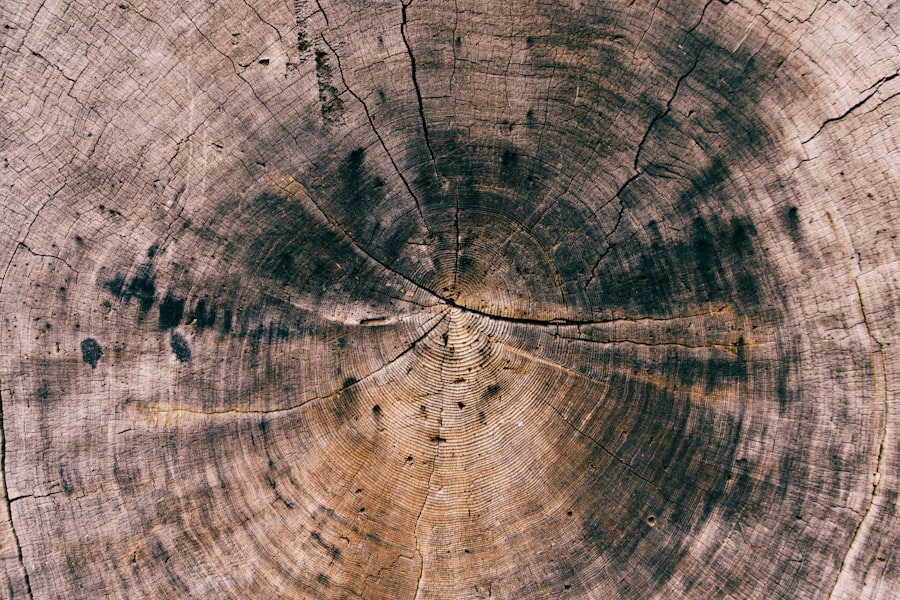
Tree rings serve as a powerful tool for deciphering historical drought patterns, offering a window into the climatic challenges faced by past societies. The width and density of tree rings can indicate periods of moisture stress or abundance, allowing scientists to identify years of significant drought. By analyzing these patterns across multiple trees from various regions, researchers can construct a comprehensive picture of regional climate variability over centuries or even millennia.
The implications of these findings are profound. For instance, when tree ring data is correlated with archaeological evidence, it becomes possible to trace the impact of drought on agricultural productivity and settlement patterns. In regions where agriculture was the backbone of society, such as Mesopotamia or the Indus Valley, prolonged droughts could lead to crop failures and subsequent societal collapse.
By understanding how these environmental factors influenced human behavior, researchers can better appreciate the intricate relationship between climate and civilization.
The Role of Dendrochronology in Uncovering Historical Climate Events
| Historical Climate Event | Dendrochronology Data |
|---|---|
| Medieval Warm Period | Wider tree rings indicating warmer temperatures |
| Little Ice Age | Narrower tree rings indicating colder temperatures |
| Droughts | Thinner tree rings indicating dry conditions |
| Forest Fires | Scorched or missing tree rings indicating fire events |
Dendrochronology, the scientific study of tree rings, plays a crucial role in uncovering historical climate events. This discipline allows scientists to date wooden artifacts and structures accurately while simultaneously providing insights into past environmental conditions. By examining tree rings from living trees as well as ancient wood samples, dendrochronologists can create chronologies that extend back thousands of years, revealing patterns of climate change that would otherwise remain hidden.
One of the most significant contributions of dendrochronology is its ability to provide precise dating for historical events. For example, by correlating tree ring data with historical records, researchers can pinpoint when specific droughts occurred and assess their severity. This information is invaluable for understanding how ancient societies adapted to or were affected by these climatic shifts.
Furthermore, dendrochronology can help identify trends in climate variability over time, offering critical context for contemporary climate discussions.
Understanding the Methods Used to Analyze Tree Rings and Interpret Drought Patterns
The analysis of tree rings involves several sophisticated methods that allow scientists to interpret past climatic conditions accurately. One common technique is cross-dating, which involves comparing ring patterns from different trees to establish a chronological sequence. This method ensures that researchers can identify specific years of growth and correlate them with known climatic events.
Additionally, scientists often use specialized tools to measure ring width and density with precision, enabling them to quantify changes in growth rates over time. Another important aspect of tree ring analysis is the use of isotopic studies. By examining the chemical composition of tree rings, researchers can gain insights into past moisture levels and temperature variations.
For instance, variations in carbon isotopes can indicate changes in photosynthetic activity related to drought stress. Combining these methods allows scientists to create a more nuanced understanding of how environmental factors influenced tree growth and, by extension, human societies during critical periods like the Bronze Age.
The Implications of Bronze Age Drought on Agriculture, Food Production, and Civilization

The implications of drought during the Bronze Age were far-reaching, particularly concerning agriculture and food production. As societies became increasingly reliant on farming for sustenance and economic stability, any disruption in rainfall patterns could have catastrophic consequences. Prolonged droughts often led to crop failures, which not only threatened food security but also undermined social cohesion as communities struggled to survive.
In many cases, these agricultural challenges prompted significant changes in societal organization. Some civilizations adapted by diversifying their crops or developing irrigation systems to mitigate the effects of drought. Others faced collapse as they could not sustain their populations amid dwindling resources.
The study of these responses provides valuable lessons about resilience and adaptation in the face of environmental challenges—insights that remain relevant as modern societies grapple with similar issues related to climate change.
Exploring the Global Effects of Drought and Climate Change on Ancient Societies
Drought is not merely a localized phenomenon; its effects can ripple across regions and even continents.
For instance, evidence suggests that a severe drought around 2200 BCE impacted both Mesopotamia and the Indus Valley Civilization, leading to widespread societal changes.
The interconnectedness of ancient societies means that understanding drought’s global effects is crucial for grasping historical dynamics. Trade routes could be disrupted as regions faced food shortages, leading to economic decline or conflict over resources.
The Connection Between Tree Rings, Drought, and the Collapse of Bronze Age Civilizations
The connection between tree rings, drought, and the collapse of Bronze Age civilizations is a compelling narrative that underscores the fragility of human societies in the face of environmental change. As researchers analyze tree ring data alongside archaeological evidence, they uncover correlations between periods of severe drought and societal decline. For example, studies have shown that significant drops in agricultural productivity due to drought coincided with the fall of major city-states in regions like Mesopotamia.
These findings highlight how environmental stressors can exacerbate existing vulnerabilities within societies. While some civilizations managed to adapt through innovation or migration, others succumbed to the pressures of resource scarcity and social unrest. The lessons learned from these historical collapses serve as cautionary tales for contemporary societies facing similar challenges due to climate change.
How Tree Ring Studies Can Inform Modern Climate Science and Policy
Tree ring studies offer invaluable insights that can inform modern climate science and policy decisions. By providing a long-term perspective on climate variability, researchers can better understand natural climate cycles and distinguish them from anthropogenic influences. This knowledge is crucial for developing accurate climate models that predict future scenarios based on historical data.
Moreover, policymakers can benefit from tree ring research when crafting strategies for climate adaptation and mitigation. Understanding how past societies responded to environmental stressors can guide contemporary efforts to build resilience against climate change impacts on agriculture, water resources, and urban planning. By integrating lessons from history with current scientific knowledge, societies can make informed decisions that promote sustainability and preparedness for future challenges.
The Importance of Preserving and Studying Ancient Trees for Climate Research
The preservation and study of ancient trees are essential for advancing climate research and understanding historical environmental changes. These trees serve as living records of past climates, offering insights that cannot be obtained from other sources such as ice cores or sediment layers. Protecting ancient forests ensures that future generations will have access to this invaluable data.
Furthermore, studying ancient trees can reveal how ecosystems have responded to past climate fluctuations, providing context for current biodiversity challenges. As modern forests face threats from climate change and human activity, understanding their historical resilience can inform conservation efforts aimed at preserving biodiversity and ecosystem health.
Reflecting on the Lessons Learned from Tree Rings and Bronze Age Drought
In conclusion, tree rings offer a remarkable lens through which to view the interplay between climate and civilization throughout history. The study of these natural archives has illuminated the profound impact of Bronze Age droughts on ancient societies, revealing both their vulnerabilities and adaptive strategies. As modern society grapples with unprecedented climate challenges, the lessons learned from tree rings become increasingly relevant.
By reflecting on how past civilizations navigated environmental stressors, contemporary societies can glean insights into resilience and adaptation strategies that may prove vital in addressing current climate issues. The importance of preserving ancient trees for ongoing research cannot be overstated; they hold keys to understanding our planet’s climatic past and informing our future responses to an ever-changing environment.
In recent studies, tree rings have provided crucial insights into the climatic conditions of the Bronze Age, revealing significant drought periods that may have impacted ancient civilizations. These findings are part of a broader effort to understand historical climate patterns and their effects on human societies. For more detailed information on how tree rings are used to study past climates and their implications, you can explore a related article on this topic by visiting this page. This article delves into the methodologies and discoveries that have emerged from dendrochronology, offering a fascinating glimpse into the past.
WATCH THIS! 😕They Buried the Truth: How Ancient Elites Hid a Climate Collapse.
FAQs
What are tree rings and how do they relate to the Bronze Age?
Tree rings, also known as growth rings, are annual rings found in the cross-section of a tree trunk. These rings can provide valuable information about the age of the tree and the environmental conditions it experienced during its lifetime. In the context of the Bronze Age, tree rings can be used to study past climate patterns and their potential impact on human societies.
How do tree rings indicate drought conditions during the Bronze Age?
During periods of drought, trees may experience reduced growth or even complete cessation of growth, resulting in narrower tree rings. By analyzing the width and density of tree rings from the Bronze Age period, researchers can identify patterns indicative of drought conditions that may have affected the availability of water and resources for human populations.
What insights can tree ring analysis provide about the impact of drought on Bronze Age societies?
Tree ring analysis can offer valuable insights into how droughts may have influenced agricultural productivity, water availability, and overall societal resilience during the Bronze Age. By understanding the frequency and severity of drought events, researchers can better comprehend the challenges faced by ancient civilizations and their strategies for coping with environmental stress.
How do researchers use tree ring data to reconstruct past climate conditions?
Researchers use tree ring data, along with other proxy records such as ice cores and sediment layers, to reconstruct past climate conditions. By comparing and correlating these different sources of evidence, scientists can develop a more comprehensive understanding of past climate variability and its potential impact on human societies during the Bronze Age and other historical periods.
What are the implications of studying tree rings and Bronze Age drought for modern climate research?
Studying tree rings and Bronze Age drought can provide valuable lessons for modern climate research and our understanding of climate change. By examining how past societies responded to environmental challenges, we can gain insights into potential strategies for adapting to and mitigating the impacts of climate change in the present and future.