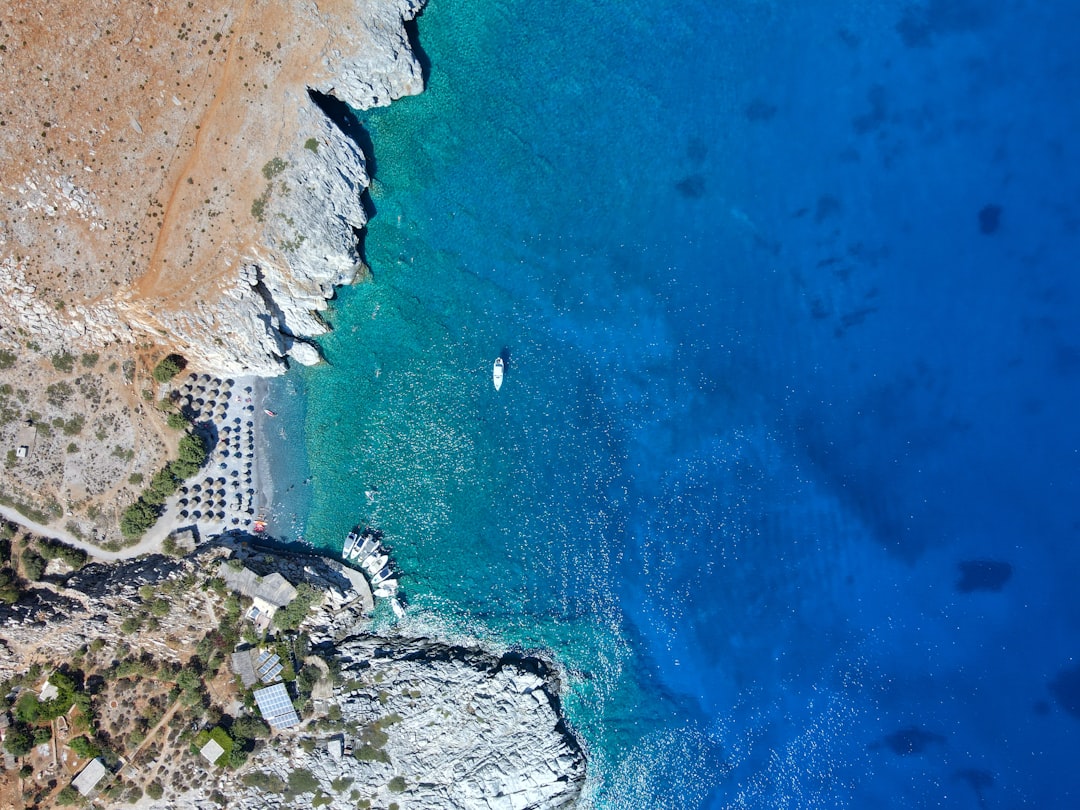
Greece, a nation steeped in ancient history and breathtaking natural beauty, has long captivated the global imagination. Its myriad islands, scattered like emeralds across the cerulean Aegean and Ionian seas, have become synonymous with idyllic getaways. Beyond the postcard-perfect beaches and whitewashed villages, a robust and continually expanding tourism industry fuels their economies. For discerning investors, the Greek islands present a landscape ripe with opportunity, albeit one that, like any foreign direct investment, requires careful consideration and a thorough understanding of its intrinsic dynamics. This article aims to dissect the multifaceted aspects of Greek island tourism investment, offering a factual and insightful perspective on its potential and pitfalls.
The Enduring Appeal of Greek Island Tourism
The enduring popularity of Greek island tourism is not a transient phenomenon but rather a firmly established trend, rooted in a confluence of factors. This sustained demand forms the bedrock upon which any successful investment must be built.
Geographic and Climatic Advantages
The geographical position of the Greek islands, nestled at the crossroads of Europe, Asia, and Africa, grants them a strategic advantage. Their Mediterranean climate, characterized by long, sunny summers and mild winters, ensures a prolonged tourist season, extending from early spring to late autumn in many regions. This extended operational window contributes significantly to revenue potential. The sheer number and diversity of the islands, from the volcanic landscapes of Santorini to the verdant expanses of Corfu, cater to a broad spectrum of tourist preferences, from luxury seekers to adventure enthusiasts.
Cultural and Historical Richness
Greece’s unparalleled cultural and historical heritage serves as a powerful magnet for tourism. Ancient ruins, Byzantine monasteries, and Venetian architecture interweave with contemporary life, offering visitors a profound sense of temporal and cultural exploration. This inherent value proposition differentiates Greek island tourism from destinations solely reliant on sun and sand. The allure of experiencing the birthplace of democracy, philosophy, and mythology adds a layer of depth to the tourist experience, influencing booking decisions and encouraging repeat visits.
Established Infrastructure and Accessibility
While varying across islands, a considerable degree of tourism infrastructure is already in place. International airports on major islands like Crete, Rhodes, and Corfu facilitate direct access from numerous global hubs. Port facilities cater to a thriving cruise ship industry and inter-island ferry services, ensuring connectivity. The presence of established hospitality providers, from boutique hotels to large resort complexes, offers investors a starting point, potentially reducing initial development complexities. Furthermore, ongoing investments in infrastructure, particularly in renewable energy and digital connectivity, aim to enhance the visitor experience and operational efficiency.
Identifying Key Investment Sectors
The Greek island tourism market is diverse, offering a range of investment entry points. Understanding these sectors is crucial for aligning investment strategies with specific market demands and risk appetites.
Hospitality and Accommodation Development
The most direct and visible form of investment lies within the hospitality sector. This encompasses the development, acquisition, or refurbishment of hotels, resorts, villas, and guesthouses. Demand for luxury and boutique accommodations has seen a significant surge, particularly on islands like Mykonos and Santorini, where personalized experiences and exclusive services command premium pricing. Investors should consider market saturation in certain high-demand areas and identify islands with untapped potential or niche market opportunities.
Recreational and Experiential Tourism
Beyond traditional accommodation, investments in experiential tourism are gaining traction. This includes developing facilities for water sports, yachting, diving, hiking, and cultural tours. The modern traveler increasingly seeks authentic and immersive experiences, moving beyond passive sightseeing. Investments in eco-tourism initiatives, such as sustainable farm stays or guided nature treks, align with growing global trends in responsible tourism. The development of specialized culinary experiences, capitalising on Greece’s renowned gastronomy, also presents a promising avenue.
Infrastructure and Support Services
While less glamorous, investments in tourism-supporting infrastructure are vital. This can involve upgrading or developing transport links, waste management systems, and utility networks. The digital transformation of tourism services, encompassing online booking platforms, smart island initiatives, and enhanced connectivity, also presents investment opportunities for technology companies. Furthermore, the burgeoning demand for short-term rental management services, particularly for properties acquired by international investors, creates a separate but connected service sector.
Niche Markets and Sustainable Tourism
The increasing environmental consciousness among travelers has opened doors for sustainable tourism investments. This includes eco-friendly lodging, renewable energy solutions for tourism facilities, and initiatives that preserve local ecosystems and cultural heritage. Medical tourism, capitalizing on Greece’s favorable climate and the expertise of its medical professionals, is another developing niche. Agro-tourism, combining agricultural experiences with hospitality, offers opportunities to showcase local produce and traditions, attracting a specific segment of the market.
Navigating the Regulatory and Economic Landscape
Investing in a foreign country invariably involves navigating a distinct regulatory and economic framework. Prospective investors in Greek island tourism must be apprised of these intricacies.
Legal Framework and Investment Incentives
Greece has implemented a series of legislative reforms aimed at streamlining investment processes and attracting foreign capital. The “Strategic Investments” law provides fast-track procedures and incentives for large-scale projects meeting specific criteria. Tax incentives, such as reduced corporate tax rates for profits reinvested in development, are also periodically introduced. Investors should engage with local legal experts to ensure compliance with zoning regulations, building permits, and environmental impact assessments, which can vary significantly between municipalities and islands.
Economic Stability and Growth Prospects
Following a period of economic instability, Greece has demonstrated remarkable resilience and is experiencing a period of sustained economic growth. The tourism sector has consistently been a significant contributor to GDP, acting as a crucial engine for recovery and development. The government’s commitment to further strengthening tourism, coupled with an influx of EU recovery funds, bodes well for continued growth. However, investors should remain cognizant of global economic headwinds and their potential impact on discretionary travel spending.
Property Market Dynamics
The property market on the Greek islands exhibits diverse characteristics. Prime locations on established tourist islands command high prices, often reflecting global demand for prestigious real estate. In contrast, properties on less developed islands or in more rural areas might offer greater value and potential for appreciation over time, as tourism expands to new frontiers. Understanding local market trends, property valuation methods, and the nuances of Greek property law is paramount. Due diligence, including title checks and surveys, is an indispensable step before any acquisition.
Labor Market Considerations
The availability and cost of skilled labor in the tourism sector are important considerations. While a significant portion of the workforce is seasonal, there is a growing emphasis on professional development and year-round employment in larger operations. Investors should evaluate local labor laws, social security contributions, and prevailing wage rates. Sourcing qualified personnel, particularly for specialized roles in luxury hospitality or niche tourism, may require strategic recruitment efforts.
Mitigating Risks and Challenges
Like any investment, Greek island tourism presents its own set of risks and challenges. A prudent investor approaches these not as insurmountable barriers but as variables to be understood, planned for, and mitigated.
Environmental and Climate Risks
The unique ecosystems of the Greek islands, while a major draw, are also susceptible to environmental challenges. Climate change, manifested in rising sea levels, increased frequency of heatwaves, and potential water scarcity, poses long-term risks. Investors in coastal properties or water-intensive operations must consider these factors and implement sustainable practices to ensure resilience and responsible development. Regulatory scrutiny regarding environmental impact is also intensifying, necessitating thorough planning.
Seasonal Fluctuations and Market Volatility
The inherent seasonality of tourism, while extended in Greece, still presents a challenge. Revenue streams can be highly concentrated within peak months, necessitating robust financial planning for off-peak periods. Global events, such as pandemics or economic downturns, can trigger significant and rapid market volatility, impacting booking patterns and visitor numbers. Diversification of services, targeting different market segments, and employing flexible pricing strategies can help mitigate these fluctuations.
Competitive Landscape
The Greek island tourism market is highly competitive, both domestically and internationally. New entrants must differentiate their offerings to stand out from established players. This can involve investing in unique architectural designs, offering specialized services, or targeting underserved market niches. A thorough competitive analysis is essential to identify market gaps and develop compelling value propositions. Understanding the existing pricing structures and service standards is also crucial for strategic positioning.
Bureaucracy and Permitting Processes
Despite governmental efforts to streamline procedures, bureaucratic hurdles can still be encountered in Greece. Obtaining permits, licenses, and approvals can be a lengthy process, particularly for complex developments. Engaging experienced local consultants, legal advisors, and architects who possess a deep understanding of the local administrative system is highly advisable. Patience and meticulous preparation are virtues in navigating these procedural labyrinths.
A Forward-Looking Perspective
The trajectory for Greek island tourism appears positive, underpinned by strong fundamentals and ongoing strategic investments. The Greek government’s commitment to sustainable tourism, the diversification of tourist offerings, and the integration of technology are creating a more resilient and attractive investment environment.
Sustainable Development and Digital Transformation
The emphasis on sustainable development is not merely a trend but a necessity for the long-term viability of Greek island tourism. Investments in renewable energy, circular economy principles, and environmental protection are becoming increasingly vital. Simultaneously, the digital transformation of the sector, from smart hotels to AI-powered travel planning, is enhancing efficiency and improving the visitor experience. Investors who embrace these twin pillars of sustainability and technology are likely to find themselves at the forefront of future growth.
Emerging Destinations and Niche Markets
While popular islands like Mykonos and Santorini continue to attract significant investment, attention is increasingly turning towards lesser-known islands that offer authentic experiences and lower entry costs. Islands in the Dodecanese, Cyclades (beyond the established hubs), and the Ionian Sea are being explored for their untapped potential. Furthermore, the growth of niche markets such as wellness tourism, culinary tours, and adventure sports will continue to open up new investment avenues, moving beyond the traditional sun-and-sea model.
In conclusion, the Greek islands offer a compelling proposition for tourism investment. Their inherent beauty, rich cultural tapestry, and established tourist appeal provide a robust foundation. However, like a skilled sailor navigating the Aegean, a shrewd investor must be acutely aware of the currents, both favorable and challenging. By understanding the enduring appeal, identifying key sectors, navigating the regulatory and economic landscape, and mitigating potential risks, investors can uncover the true secrets of Greek island tourism and potentially chart a course towards significant returns. The Aegean sea, with its endless horizons, truly reflects the vast opportunities that await those willing to dive into its depths.
FAQs
What makes Greek islands attractive for tourism investment?
Greek islands offer stunning natural beauty, rich cultural heritage, and a well-established tourism infrastructure. Their unique landscapes, historical sites, and Mediterranean climate attract millions of visitors annually, making them lucrative locations for tourism-related investments.
Which Greek islands are considered the best for tourism investment?
Popular islands for tourism investment include Santorini, Mykonos, Crete, Rhodes, and Corfu. These islands have high tourist traffic, developed amenities, and strong demand for accommodations and services, providing good opportunities for investors.
What types of tourism investments are common in the Greek islands?
Common investments include hotels, resorts, vacation rentals, restaurants, and recreational facilities. Additionally, eco-tourism and luxury tourism projects are gaining popularity due to increasing demand for sustainable and high-end travel experiences.
Are there any government incentives for investing in Greek island tourism?
Yes, the Greek government offers various incentives such as tax benefits, grants, and streamlined licensing processes to encourage investment in tourism infrastructure, especially in less developed islands to promote regional growth.
What challenges should investors be aware of when investing in Greek island tourism?
Investors should consider challenges like seasonal fluctuations in tourist numbers, regulatory and bureaucratic hurdles, infrastructure limitations on smaller islands, and environmental protection regulations that may affect development projects.