
The dawn of understanding human history is a continuous process, a meticulous excavation not just of earth but of time itself. Each unearthed artifact, each deciphered inscription, acts as a shard of a broken mirror, reflecting a past that, when reassembled, grants us a clearer vision of who we are and how we came to be. Archaeological breakthroughs are not fleeting moments of sensational discovery, but rather the gradual, often painstaking, unveiling of foundational truths about our ancestors. These advancements, powered by relentless inquiry and innovative technology, allow us to peer beyond the veil of millennia, connecting with the lives, struggles, and triumphs of those who walked the earth long before us.
The story of human origins, once painted with broad strokes, is continually refined by archaeological evidence. For decades, the prevailing narrative of early human migration, particularly the journey out of Africa, was based on a limited set of fossil finds and inferred timelines. However, recent discoveries have begun to redraw this ancient map, adding crucial details and challenging established theories. We are now understanding that the exodus from Africa was not a single, monolithic event but a complex series of movements, a mosaic of dispersal across vast geographical expanses.
New Radiometric Dating Techniques and Their Impact
The advent of more precise radiometric dating techniques has been a game-changer in understanding early human movements. Methods like optoluminescence dating and electron spin resonance dating, when applied to sediment and artifact contexts, provide more robust timelines for human presence in specific regions. These advancements allow archaeologists to pinpoint occupation periods with greater accuracy, moving beyond broad estimates to finely tuned chronological frameworks. This precision is like upgrading from a blurry photograph to a high-definition image, revealing subtle shifts and nuances in the timing of migrations that were previously indistinguishable.
Unexpected Fossil Discoveries and Their Implications
The discovery of fossil hominin remains in unexpected locations has fundamentally altered our understanding of dispersal patterns. For instance, finds in Southeast Asia and Oceania, predating previously held beliefs about human presence in these areas, suggest earlier and more complex migrations than initially theorized. These fossils are not just bones; they are keystones in the arch of prehistory, forcing us to reconsider the routes taken and the capabilities of early human populations to traverse challenging terrains and adapt to diverse environments. The Dmanisi hominins in Georgia, for example, demonstrated a surprising range of morphology and a much earlier presence of hominins outside of Africa than was previously accepted.
Reinterpreting Stone Tool Assemblages
The analysis of stone tool assemblages, the primary material culture of early humans, has also undergone significant revision. Previously, certain tool types were rigidly associated with specific hominin species or cultural periods. However, new discoveries reveal a greater degree of variation and overlap, suggesting that tool traditions were more fluid and potentially less tied to a single species than once thought. This reinterpretation is akin to understanding different dialects within a language; the basic structure is there, but regional variations and influences reveal a richer, more dynamic history of communication and innovation. The Oldowan and Acheulean industries, for example, are now understood to have coexisted and been utilized by different hominin groups, challenging linear evolutionary models.
Recent archaeological breakthroughs have shed new light on ancient civilizations, revealing insights that challenge our understanding of history. For instance, a fascinating article discusses the discovery of a previously unknown city in the heart of the Amazon rainforest, which has changed perceptions about the region’s pre-Columbian societies. This discovery not only highlights the complexity of ancient urban planning but also emphasizes the need for further exploration in areas long considered uninhabitable. To learn more about these groundbreaking findings, you can read the full article at Real Lore and Order.
Deciphering Lost Languages: The Rosetta Stone Effect of Modern Discoveries
The ability to read ancient languages is a monumental key, unlocking the thoughts and experiences of past civilizations. While the Rosetta Stone remains an iconic example of linguistic decipherment, modern archaeology has produced its own set of “Rosetta Stones” – artifacts and contexts that allow us to crack the codes of forgotten tongues, revealing the narratives of societies that would otherwise remain silent. These breakthroughs are not merely academic exercises; they are acts of resurrection, breathing life back into the voices of the past.
Advances in Epigraphy and Paleography
Modern epigraphy and paleography have moved beyond simple transcription. Sophisticated imaging techniques, such as multispectral imaging, can reveal inscriptions that are faint, damaged, or even invisible to the naked eye. This allows scholars to read texts that were once considered illegible, bringing lost documents and inscriptions back into the realm of scholarship. This is like having a powerful magnifying glass that can pierce through layers of time and decay, exposing the delicate script of history. Inscriptions from newly discovered sites, or re-examined inscriptions with new techniques, can provide crucial context for understanding administrative systems, religious beliefs, and social structures.
The Impact of Proto-Writing and Early Script Development
The study of proto-writing and the earliest forms of script development continues to shed light on the origins of human record-keeping. Discoveries of tokens, pictographs, and early syllabic scripts are providing a more nuanced understanding of how writing systems evolved. These early attempts at systematic notation are the seeds from which complex literary traditions would later bloom, and their decipherment offers a glimpse into the conceptual leaps that early humans made in developing abstract communication. The Vinča symbols, for example, though their true nature as a writing system is debated, represent an early human impulse to create standardized symbols with potential communicative intent.
Recontextualizing Known Texts with New Archaeological Evidence
Often, new archaeological discoveries provide the missing context for understanding previously known, but undeciphered or partially understood, texts. The discovery of a corresponding artifact, a specific architectural feature, or even a related inscription can provide the crucial key to unlocking the meaning of a text that has long eluded scholars. It’s like finding the missing pieces of a puzzle, where each new piece clarifies the image formed by the existing ones. For example, the Linear B script, representing an early form of Greek, was deciphered by associating its symbols with known Greek words, a process aided by archaeological context of the tablets on which it was found.
Technology’s Eye: Non-Invasive Techniques Revolutionizing Excavation
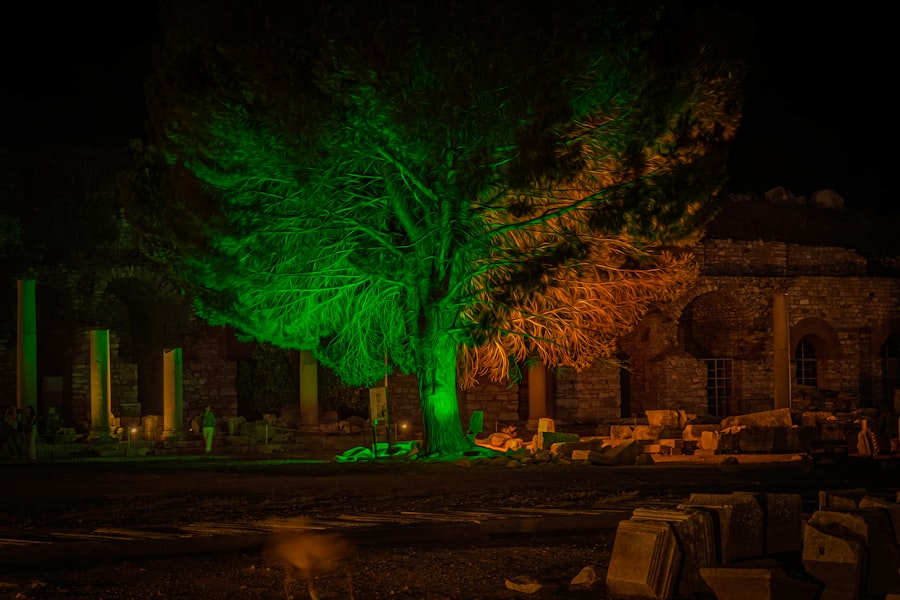
The image of the archaeologist with a trowel and brush, meticulously sifting through dirt, remains a vital part of the profession. However, a new generation of non-invasive technologies is fundamentally changing the way we survey, explore, and understand archaeological sites. These technologies act as our eyes and hands before the dirt is even disturbed, minimizing damage and maximizing the information we can gather from a site. They are the silent scouts of the archaeological world, revealing the hidden architecture beneath our feet.
Ground-Penetrating Radar (GPR) and Magnetometry Applications
Ground-penetrating radar (GPR) and magnetometry are powerful tools for identifying subsurface anomalies without excavation. GPR sends electromagnetic waves into the ground and measures their reflection, revealing buried walls, ditches, and other features. Magnetometry detects variations in the Earth’s magnetic field caused by buried objects, such as kilns, hearths, and metal artifacts. The data generated by these techniques creates detailed maps of buried features, guiding excavation efforts to the most promising areas and allowing for the study of entire settlement layouts without disturbing every inch of soil. These are like X-rays for the earth, revealing its internal structure.
Lidar and Aerial Survey for Landscape Archaeology
Lidar (Light Detection and Ranging) technology, particularly when used from aircraft or drones, has revolutionized landscape archaeology. By emitting laser pulses and measuring their reflection, Lidar can penetrate dense vegetation, revealing subtle topographic features that might otherwise be hidden. This allows archaeologists to map ancient field systems, roads, and settlement patterns over vast areas, providing a synoptic view of past human interaction with the landscape. This is like having a bird’s-eye view that can see through the forest canopy, revealing the ancient fingerprints left upon the land itself. The mapping of ancient Maya cities in dense jungle, previously only partially visible, has been transformed by Lidar.
Drone Technology and Photogrammetry for Documentation
Drones equipped with high-resolution cameras are providing unprecedented capabilities for site documentation and survey. Photogrammetry, the process of creating 3D models from overlapping photographs, allows for meticulous digital recording of excavation units, artifacts, and even entire structures. This creates a permanent digital archive, accessible for future research and analysis, and significantly reduces the need for extensive physical drawing and surveying on site. This is like creating a perfect digital twin of an archaeological find, allowing it to be studied and preserved in perpetuity.
Rethinking Ancient Civilizations: New Perspectives on Social Structures and Belief Systems
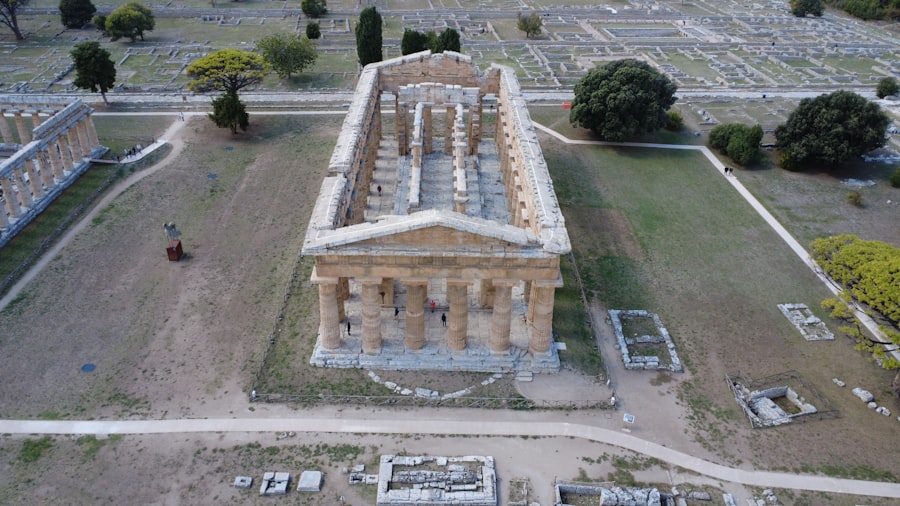
The study of ancient civilizations is not static; our understanding of their societies, their beliefs, and their daily lives is constantly being challenged and refined by new discoveries. We are moving beyond simplistic models of rulers and ruled, and beginning to appreciate the complexity and nuance of ancient social structures and the diverse tapestry of their spiritual and cosmological understandings. These archaeological insights are like uncovering the intricate workings of an ancient clock, revealing not just the gears but the artistry and intention behind its creation.
Unearthing Evidence of Complex Social Stratification
New excavations are revealing more sophisticated evidence of social stratification in ancient societies than previously understood. Discoveries of distinct burial types, differential housing quality, and specialized craft production zones offer clearer indicators of social hierarchies and the distribution of wealth and power. This allows us to move beyond generalizations and appreciate the localized and often intricate ways in which societies organized themselves. The examination of burial goods in societies like the Indus Valley Civilization, for example, provides insights into differing social statuses and potential elite consumption patterns.
The Archaeology of Everyday Life: Micro-histories from the Ground Up
A significant shift in archaeological focus has been towards the “archaeology of everyday life.” Excavations are now prioritizing the recovery and analysis of common artifacts, domestic spaces, and middens (waste deposits) to understand the lives of ordinary people, not just elites. This perspective adds depth and realism to our understanding of past societies, revealing their routines, their diets, their domestic practices, and their material culture in granular detail. This is like listening to the whispers of the common folk, whose lives, though less grand, formed the bedrock of any civilization. Discoveries of well-preserved domestic tools, food remains, and even children’s toys are invaluable to this field.
Deciphering Religious Practices Through Iconography and Ritual Objects
The interpretation of religious beliefs and practices has been greatly enhanced by the analysis of iconography and ritual objects. New discoveries of temple complexes, votive offerings, and detailed depictions of deities and mythological scenes are providing a richer understanding of ancient spiritual worlds. The contextual analysis of these finds, often situated within specific ritual spaces, allows for a more informed reconstruction of ceremonies, beliefs, and the role of religion in public and private life. For instance, the interpretation of reliefs from Mesopotamian ziggurats offers direct visual narratives of ritualistic performances and divine associations.
Recent discoveries in ancient archaeology have unveiled remarkable insights into our past, shedding light on civilizations long thought to be lost to time. One particularly fascinating article explores these breakthroughs in detail, highlighting how advanced technologies are revolutionizing our understanding of ancient societies. For those interested in delving deeper into this topic, you can read more about these significant findings in the article available here. These revelations not only enhance our knowledge but also spark curiosity about the mysteries that still lie beneath the surface.
Unveiling Technological Innovations: From Early Tools to Sophisticated Engineering
| Breakthrough | Location | Year Discovered | Significance | Estimated Age |
|---|---|---|---|---|
| Terracotta Army | Xi’an, China | 1974 | Revealed the burial complex of Emperor Qin Shi Huang and ancient Chinese funerary art | ~2,200 years |
| Göbekli Tepe | Southeastern Turkey | 1994 | Oldest known megalithic temple complex, changing views on prehistoric religion and society | ~11,600 years |
| Dead Sea Scrolls | Qumran Caves, Israel | 1947 | Ancient Jewish texts that shed light on early Judaism and the origins of Christianity | ~2,000 years |
| Rosetta Stone | Rashid (Rosetta), Egypt | 1799 | Key to deciphering Egyptian hieroglyphs and understanding ancient Egyptian language | ~2,200 years |
| King Tutankhamun’s Tomb | Valley of the Kings, Egypt | 1922 | Provided unprecedented insight into Egyptian burial practices and artifacts | ~3,300 years |
The narrative of human progress is intrinsically linked to our capacity for technological innovation. Archaeological discoveries continually reveal the remarkable ingenuity of our ancestors, showcasing their ability to solve problems, harness resources, and build complex structures with the tools and knowledge available to them. These findings are not just about the end product; they are about the journey of invention and the incremental advancements that paved the way for future developments. They demonstrate that human ambition and problem-solving have been constants throughout history.
The Evolution of Early Metallurgy and Material Science
The development of metallurgy, the working of metals, marked a significant leap in human technological capabilities. Archaeological evidence of early smelting furnaces, sophisticated casting techniques, and the deliberate alloying of metals reveals a deep understanding of material properties that developed over centuries. The transition from the Copper Age to the Bronze Age and then to the Iron Age was not abrupt but a gradual accumulation of knowledge and experimentation. This is like a chemist in a prehistoric laboratory, carefully experimenting with elements to create new and improved materials. The discovery of early bronze artifacts in the Near East demonstrates the sophisticated control of alloying processes.
Ancient Engineering Marvels and Construction Techniques
The grandeur of ancient engineering marvels, from the pyramids of Egypt to the aqueducts of Rome, continues to inspire awe. Modern archaeology, armed with advanced surveying and analytical techniques, is providing new insights into the sophisticated construction methods, logistical planning, and sheer engineering prowess that underpinned these achievements. Understanding how these massive structures were built, the materials employed, and the organizational structures required offers a profound appreciation for the capabilities of ancient societies. This is like deconstructing a magnificent symphony, understanding each note and each instrument that contributes to the grand composition. The detailed analysis of Roman concrete and its application in structures like the Pantheon continues to provide insights into ancient material science and engineering.
The Development of Agricultural Technologies and Their Societal Impact
The development of agricultural technologies was a transformative event in human history, enabling settled lifestyles, population growth, and the rise of complex societies. Archaeological discoveries related to early farming tools, irrigation systems, crop domestication, and animal husbandry provide crucial evidence of these innovations and their profound impact on human civilization. Understanding these developments allows us to trace the origins of our food systems and the fundamental shifts in human organization that agriculture necessitated. This is like studying the foundational blueprint of human settlement, the very bedrock upon which civilization was built. The study of ancient agricultural terraces in the Andes, for example, highlights sophisticated land management techniques in challenging environments.
The continuous uncovering of ancient archaeological breakthroughs is a testament to the enduring human drive to understand our past. Each discovery, whether a fragment of pottery or a monumental structure, contributes to a grander narrative of human resilience, innovation, and adaptation. As technology advances and our methodologies become more refined, we can anticipate further revelations that will continue to deepen our appreciation for the rich and complex tapestry of human history. The past is not a buried relic; it is a living source of knowledge that continues to inform and shape our present and future.
FAQs
What are some of the most significant ancient archaeological breakthroughs recently revealed?
Recent breakthroughs include the discovery of well-preserved ancient cities, new insights into early human civilizations through advanced DNA analysis, and the unearthing of previously unknown artifacts that shed light on ancient cultures and technologies.
How do these archaeological discoveries impact our understanding of ancient history?
These discoveries provide concrete evidence that helps historians and archaeologists reconstruct past societies, understand their social structures, technologies, and interactions, and correct or enhance existing historical narratives.
What technologies have contributed to recent archaeological breakthroughs?
Technologies such as ground-penetrating radar, LiDAR scanning, advanced DNA sequencing, and 3D imaging have played crucial roles in uncovering and analyzing ancient sites and artifacts without causing damage.
Where have some of the most important ancient archaeological sites been found recently?
Important sites have been uncovered in regions such as the Middle East, South America, Southeast Asia, and parts of Europe, each providing unique insights into different ancient civilizations.
What challenges do archaeologists face when uncovering ancient sites?
Challenges include environmental conditions, preservation of fragile artifacts, political and legal restrictions, funding limitations, and the need to balance excavation with conservation efforts.