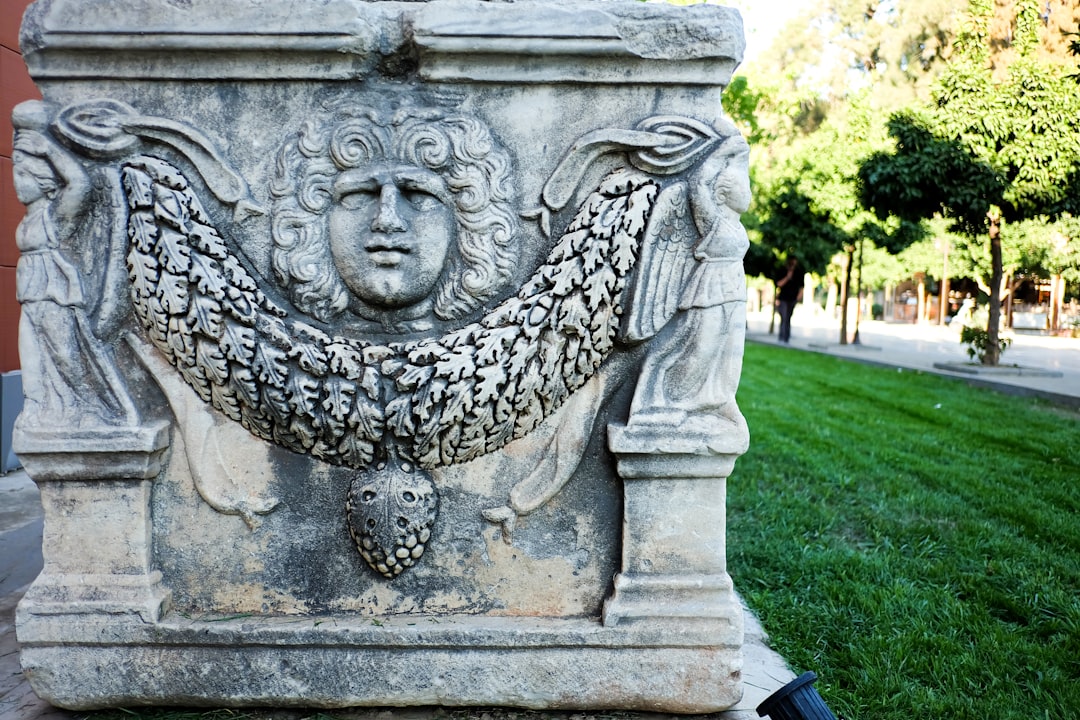
Cities are living entities, their present forms built layer upon layer on the foundations of their pasts. You walk on streets paved not just with asphalt, but with history. Beneath the bustling metropolises of today lie echoes of civilizations long gone, their stories whispered by the very earth beneath our feet. This article delves into the fascinating phenomenon of uncovering ancient cities concealed beneath modern urban landscapes, a testament to the relentless march of time and the enduring presence of human endeavor.
The ground you tread on is often a palimpsest, a manuscript where older writings are still visible beneath newer ones. In urban environments, this layering is not metaphorical; it is literal. The construction of a new building, the laying of utility lines, or even a simple excavation for a garden can, in an instant, peel back the veneer of modernity to reveal fragments of antiquity. This process of discovery, often serendipitous, has become a crucial aspect of urban archaeology, transforming mundane construction sites into windows into the past.
Accidental Discoveries: The Fortune of the Unprepared
Many of the most significant archaeological finds in urban settings have been unplanned. A construction crew digging foundations in Rome might unearth a section of an ancient Roman road, complete with chariot ruts. In London, the Great Fire of 1666, while destructive, also cleared the way for rebuilding, revealing archaeological layers that had been buried for centuries. These accidental encounters are like striking gold in a quarry – unexpected, valuable, and requiring skilled hands to appreciate and preserve.
The Role of Infrastructure Projects
Large-scale infrastructure projects, such as subway extensions or the installation of new sewage systems, are particularly fertile ground for urban archaeological discoveries. These undertakings often involve deep excavations, reaching layers that have remained undisturbed for millennia. The Crossrail project in London, for instance, uncovered an astonishing array of artifacts and archaeological features, from Roman mosaics to medieval plague pits, each piece a vital clue in reconstructing the city’s multi-faceted history.
Citizen Scientists and Community Engagement
Increasingly, the public plays a role in uncovering these hidden histories. Local historical societies, university outreach programs, and even diligent individuals have contributed to identifying and reporting potential archaeological finds. This democratization of discovery is invaluable, as it broadens the eyes observing the ground from a few specialists to a whole community invested in its heritage.
Many ancient cities lie hidden beneath the bustling streets of modern metropolises, revealing layers of history that are often overlooked. For an intriguing exploration of this phenomenon, you can read the article on Real Lore and Order, which delves into the archaeological discoveries that uncover the secrets of these forgotten urban landscapes. To learn more, visit this article.
Roman Roots Beneath Modern Streets
The Roman Empire, a sprawling testament to engineering and organization, left an indelible mark on the urban fabric of much of Europe and North Africa. Many of our modern cities owe their initial layout and even their names to Roman settlements, and beneath their current structures lie the remnants of these ancient foundations.
Londinium: A Capital Rediscovered
London, a global metropolis, stands atop the foundations of Londinium, a significant Roman port city. Excavations for buildings and transport links have repeatedly brought to light Roman walls, amphitheatres, and a myriad of domestic objects. These discoveries remind us that the Thames, a lifeline for modern London, was also a vital artery for Roman trade and administration.
Paris: Lutetia’s Enduring Legacy
The French capital, Paris, was once the Roman city of Lutetia. Vestiges of Roman baths, arenas, and street layouts can still be found beneath the city’s well-trodden paths. The Musée de Cluny, for instance, houses remarkably well-preserved Roman baths, a stunning reminder of the sophisticated infrastructure of the ancient inhabitants.
Cologne: Colonia Claudia Ara Agrippinensium’s Echoes
Cologne, Germany, was founded as a Roman colony, Colonia Claudia Ara Agrippinensium. Evidence of its Roman past is abundant, from sections of the ancient city walls to the remains of its infrastructure. The Roman-Germanic Museum in Cologne serves as a crucial repository for these finds, connecting the modern city to its imperial origins.
The Medieval City: Foundations of a New Era
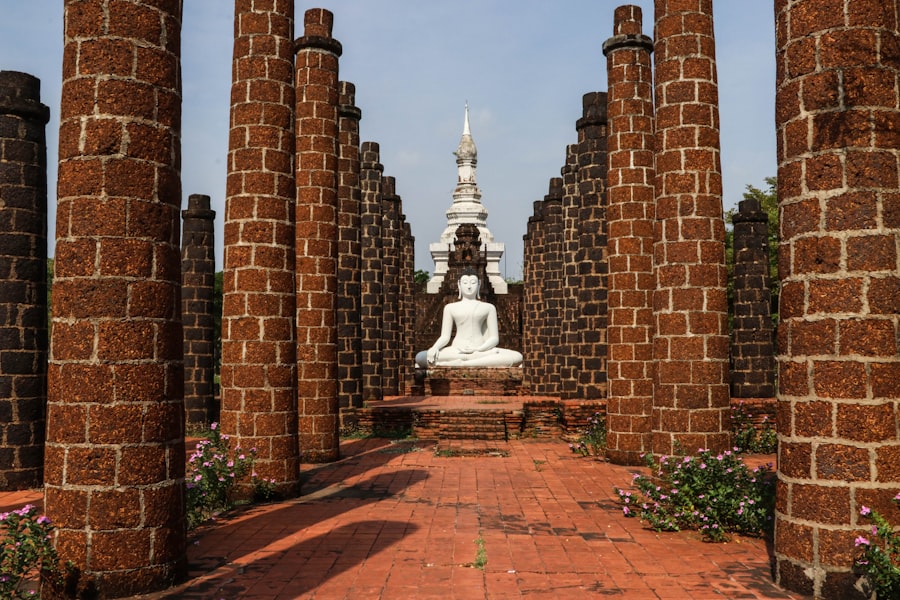
Following the decline of the Roman Empire, new urban centers emerged, shaped by the political, social, and economic forces of the Middle Ages. These medieval cities, with their distinctive churches, fortifications, and marketplaces, often lie buried beneath their more modern successors.
Guilds and Growth: The Urban Landscape of Medieval Europe
Medieval cities were typically characterized by their bustling marketplaces, narrow winding streets, and imposing guildhalls. Archaeological investigations often reveal the footprints of these medieval structures, providing insights into the lives of the artisans, merchants, and ordinary citizens who inhabited them. The construction of modern buildings in European cities frequently unearths these layers, revealing the layout of forgotten alleys and the foundations of once-thriving workshops.
Fortifications and Defenses: Walls That Tell a Story
Many medieval cities were enclosed by defensive walls, remnants of which are sometimes discovered during urban development. These walls, once bulwarks against aggression, now serve as tangible reminders of a more turbulent era. Their excavation offers valuable information about medieval military engineering and the evolving strategies of urban defense.
Religious Centers: The Heart of Medieval Life
Churches and monasteries were often the spiritual and social anchors of medieval towns and cities. The foundations and burial grounds of these religious institutions are frequently uncovered, providing insights into religious practices, social hierarchies, and the demographics of the time. The careful excavation and study of human remains, for example, can reveal details about diet, disease, and lifespans, painting a vivid picture of medieval life.
Industrial Revolution and Beyond: Layers of Change

The Industrial Revolution brought about unprecedented urban growth and transformation. Factories, canals, and new housing estates were constructed at a rapid pace, often on top of existing structures, creating new layers of archaeological interest.
The Footprint of Industry: Factories and Workshops
The archaeological record of the Industrial Revolution in urban areas is dominated by the remnants of factories, workshops, and associated infrastructure. Discoveries can include machinery parts, tools, and the very foundations of these industrial powerhouses. These finds help us understand the technological advancements, labor conditions, and environmental impact of this transformative period.
Housing and Social Stratification: The Lives of the Working Class
The rapid urbanization of the Industrial Revolution led to the construction of vast numbers of housing units, particularly for the working class. Archaeological excavations of old housing sites can reveal the living conditions, domestic practices, and material culture of these communities. These discoveries can challenge romanticized notions of the past and provide a more nuanced understanding of social history.
Infrastructural Innovations: Canals, Railways, and Utilities
The development of new transportation networks, such as canals and railways, and the expansion of utility services, like water and gas, significantly altered the urban landscape. Archaeological investigations related to these projects can uncover sections of old canals, railway lines, and the precursor systems to modern utilities, offering insights into the engineering challenges and solutions of the era.
Many ancient cities lie hidden beneath the bustling streets of modern metropolises, revealing fascinating layers of history waiting to be uncovered. For instance, the city of Rome is famous for its rich archaeological sites, but there are countless other locations around the world where remnants of past civilizations are buried just below the surface. If you’re interested in exploring this intriguing topic further, you can read more about it in this insightful article on ancient urban landscapes at Real Lore and Order.
The Challenges and Rewards of Urban Archaeology
| Ancient City | Modern City Above | Estimated Age (Years) | Depth Below Surface (Meters) | Notable Discoveries | Current Status |
|---|---|---|---|---|---|
| Pompeii | Pompeii, Italy | ~2,000 | 0-5 | Preserved Roman buildings, frescoes, and artifacts | Open archaeological site beneath modern town |
| Teotihuacan | San Juan Teotihuacan, Mexico | ~1,800 | 0-10 | Pyramids, murals, and urban layout | Partially excavated, surrounded by modern settlements |
| Caesarea Maritima | Caesarea, Israel | ~2,000 | 0-7 | Roman harbor, amphitheater, aqueduct remains | Excavated ruins integrated with modern town |
| Akrotiri | Santorini, Greece | ~3,600 | 0-3 | Well-preserved Minoan frescoes and buildings | Excavated site beneath modern village |
| Underneath Rome | Rome, Italy | Up to ~2,700 | 0-15 | Ancient Roman forums, catacombs, and aqueducts | Extensive underground ruins accessible by tours |
Uncovering ancient sites beneath modern cities is not without its complications, but the rewards, for our understanding of human history, are immense. It is a delicate balancing act, like a surgeon operating in a crowded room, where every move must be precise and considerate.
Preservation vs. Progress: A Constant Dilemma
One of the primary challenges is the inherent conflict between urban development and archaeological preservation. Construction projects often have tight deadlines and budgets, and the discovery of significant finds can lead to costly delays and the need for extensive preservation efforts. Negotiating this tension requires collaboration between developers, archaeologists, and heritage authorities.
The Importance of Context: Piecing Together the Past
Urban archaeological contexts are often highly disturbed due to centuries of building, demolition, and redevelopment. This makes it challenging to interpret finds and reconstruct the original arrangements of structures and activities. Archaeologists employ meticulous recording techniques and advanced scientific analyses to overcome these contextual challenges, much like a detective sifting through fragmented clues.
Technological Advancements: Tools of Discovery
Modern technology has revolutionized urban archaeology. Ground-penetrating radar (GPR), magnetometry, and lidar, for example, allow archaeologists to map buried features without invasive excavation, minimizing disruption. Advanced dating techniques, DNA analysis, and digital reconstruction software further enhance our ability to understand the past from the fragments we uncover.
A Window into Our Collective Story
Despite the challenges, the rewards of uncovering ancient cities beneath modern streets are profound. These discoveries provide tangible connections to our ancestors, revealing the continuity of human settlement, innovation, and cultural development. They transform our understanding of the cities we inhabit, revealing them not just as places of commerce and residence, but as multilayered tapestries of human experience. Each artifact, each foundation stone, is a word in the ongoing story of our civilization, waiting to be read.
FAQs
What are ancient cities hiding beneath modern streets?
Ancient cities hiding beneath modern streets refer to archaeological sites where remnants of old civilizations, such as buildings, roads, and artifacts, are buried underneath contemporary urban areas. These hidden cities provide valuable insights into historical cultures and urban development.
How are ancient cities discovered beneath modern urban areas?
Ancient cities are often discovered through archaeological excavations, ground-penetrating radar, construction projects, or accidental findings during infrastructure development. Advanced technologies like LIDAR and remote sensing also help identify buried structures without extensive digging.
Why are ancient cities buried beneath modern streets?
Over centuries, cities expand and rebuild on top of older settlements. Natural processes like sedimentation, earthquakes, and floods, combined with human activities such as construction and urbanization, lead to ancient layers being covered by newer developments.
Can modern cities coexist with the preservation of ancient sites beneath them?
Yes, many modern cities work to balance urban development with the preservation of archaeological sites. This often involves careful planning, creating protected zones, integrating ruins into public spaces, or conducting salvage excavations before construction.
What significance do ancient cities beneath modern streets hold for historians and archaeologists?
These hidden ancient cities offer crucial information about past societies, including their architecture, culture, economy, and daily life. Studying them helps historians and archaeologists understand human history, urban evolution, and cultural continuity or change over time.