The contemporary urban landscape, with its bustling streets, soaring skyscrapers, and intricate infrastructure, often conceals a profound historical truth: many of humanity’s most vibrant modern cities are built directly atop the remnants of their ancient predecessors. This phenomenon is not merely an architectural curiosity but a persistent archaeological challenge and a rich vein of historical inquiry. The layers of human endeavor, painstakingly constructed and then subsequently buried, represent a unique form of archaeological stratigraphy, a chronological record etched into the very earth beneath our feet. For the discerning observer, the subtle undulations in an old road, the unexpected appearance of an ancient wall during construction work, or the very names of districts can hint at the hidden depths below.
The decision to rebuild a city directly on its previous iteration is rarely arbitrary. Several compelling factors contribute to this enduring practice, creating a continuous thread of urban occupation stretching back millennia.
Strategic Location and Natural Resources
Ancient settlements were almost invariably founded upon principles of practicality and survival. Access to fresh water, defensible positions, fertile land, and navigable waterways were paramount. Consider the city of London, whose original Roman settlement, Londinium, was established at the first practical crossing point of the River Thames, a strategic advantage that remains relevant today. Similarly, Rome itself, built on a series of hills overlooking a bend in the Tiber, offered both defense and access to trade routes. These fundamental geographical advantages, once identified, tend to persist in their utility across successive generations, making relocation unnecessary and often undesirable.
Economic and Cultural Inertia
Once established, a city develops an inherent inertia. It becomes a nexus of trade, a repository of specialized skills, and a hub of cultural activity. The infrastructure, even if rudimentary, represents a significant investment of labor and resources. Disrupting this established order, moving an entire population, and rebuilding from scratch is an undertaking of immense scale and cost. The economic connections, the social networks, and the shared cultural identity built up over generations create a powerful incentive to maintain continuity, even in the face of destruction or decline.
The Power of Sacred Sites and Memory
Many ancient cities, particularly those with significant religious or political roles, feature prominent sacred sites – temples, shrines, or monumental structures. These places become deeply embedded in the collective consciousness, holding potent symbolic and spiritual value. To abandon such a site would be a profound act, often considered sacrilegious or a betrayal of identity. Consequently, successive layers of construction often encase and preserve these sacred nuclei, demonstrating a profound respect for heritage and a desire to maintain a connection to the past, even if that past is then literally submerged.
Many ancient cities lie hidden beneath the bustling streets of modern metropolises, waiting to be uncovered by archaeologists and historians. These subterranean relics provide invaluable insights into past civilizations and their ways of life. For an intriguing exploration of this topic, you can read more in the article found at this link, which delves into the fascinating discoveries made in various urban areas around the world.
Unearthing the Past: Methods and Challenges
The very conditions that lead to superimposition also present unique challenges for archaeologists. Excavating under live, functioning cities requires a delicate balance between preserving historical integrity and accommodating modern needs.
Rescue Archaeology and Public Works
Much of the archaeological discovery in urban contexts falls under the umbrella of “rescue archaeology” (or “salvage archaeology”). This occurs when new infrastructure projects – subway lines, building foundations, utility upgrades – inadvertently uncover ancient remains. Unlike traditional, planned excavations, rescue archaeology often operates under tight deadlines and budgets, demanding quick assessment and meticulous documentation. The challenge lies in maximizing scientific gain from limited windows of opportunity, often amidst the rumble of construction machinery.
Remote Sensing and Non-Invasive Techniques
Before the first spade breaks ground, archaeologists increasingly employ non-invasive techniques to map what lies beneath. Ground-penetrating radar (GPR), electrical resistivity tomography (ERT), and magnetometry can provide a subsurface “picture” without disturbing the urban fabric. These methods act as vital scouts, informing excavation strategies and helping to identify areas of particular archaeological promise, thereby minimizing disruption to modern city life.
The Problem of Vertical Stratigraphy
Unlike rural sites where horizontal expansion is often possible, urban archaeology is frequently characterized by deep vertical stratigraphy. Successive occupations build upon the debris of their predecessors, accumulating layers of earth, collapsed structures, and discarded artifacts. This vertical accumulation, while providing a rich chronological record, means that excavating a Roman street might require first removing a medieval one, then a Byzantine one, a process that can be arduous and resource-intensive, akin to peeling an onion layer by layer.
Case Studies: Cities as Palimpsests
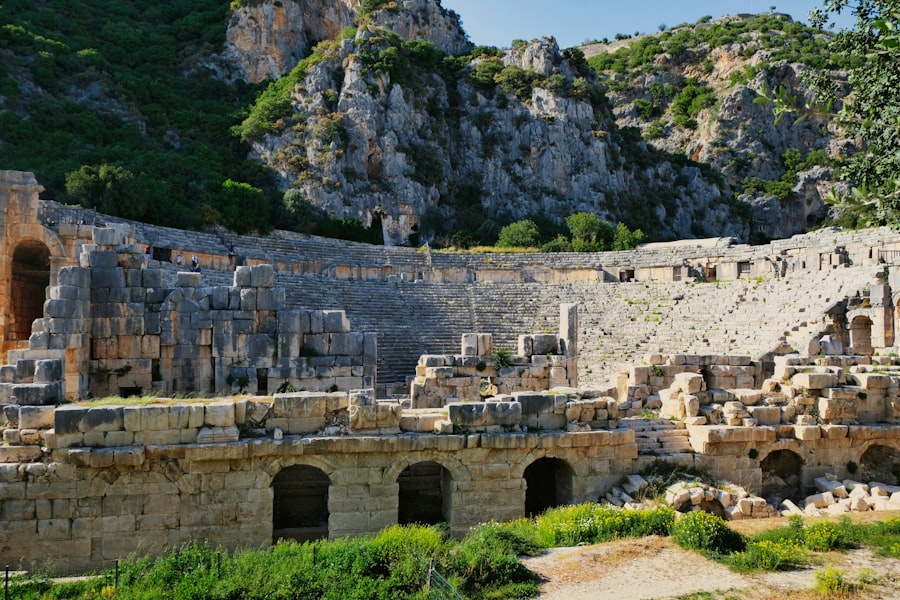
The phenomenon of ancient cities beneath modern streets is observable across diverse geographies and time periods. Each site offers unique insights into human history and adaptation.
Rome: The Eternal City’s Layers
Rome, often dubbed the “Eternal City,” stands as a prime example of continuous urban occupation and deep archaeological layering. Beneath the modern metropolis, one can find the Forum Romanum, partially excavated but still deeply embedded, the Domus Aurea, Nero’s opulent palace, accessible today by descending beneath a modern park, and countless churches built atop ancient temples or early Christian catacombs. The very foundations of its churches, palaces, and apartment blocks often incorporate material from preceding eras, a testament to the city’s self-cannibalizing and recycling nature.
London: From Londinium to Metropolitan Hub
Beneath the streets of modern London lie the remarkably preserved remnants of Roman Londinium. The city walls, originally built by the Romans, shaped the medieval city and their course can still be traced in the street plan. During the construction of the Bank of England’s current headquarters, extensive Roman remains, including a temple complex to Mithras, were discovered, providing a tangible link to the city’s ancient past. These discoveries often lead to temporary exhibitions, allowing the public to glimpse these subterranean treasures before they are re-covered for preservation.
Istanbul: Constantinople and Byzantium’s Footprints
Istanbul, a city that has served as the capital of three great empires – Roman, Byzantine, and Ottoman – offers an astonishing multi-layered archaeological record. The ancient Greek city of Byzantium, refounded as Constantinople by Emperor Constantine, now lies beneath the contemporary city. The Hagia Sophia, a marvel of Byzantine architecture, was constructed on the site of earlier churches, and beneath its current iteration, archaeologists have found remnants of its predecessors. The vast network of Byzantine cisterns, such as the Basilica Cistern, still exists as a subterranean world, a poignant reminder of the ingenious engineering required to sustain a massive ancient population.
Athens: The Acropolis and its Neighbours
While the Acropolis stands proudly exposed, much of ancient Athens lies beneath the modern city. The Agora, the heart of ancient Athenian public life, was deeply buried by later constructions and debris, only to be systematically uncovered in the 20th century. The metro system, a relatively recent addition to the city’s infrastructure, became an unprecedented archaeological endeavor, with each station acting as a small-scale dig site, revealing artifacts, roads, and even ancient graveyards, which are now often displayed within the stations themselves.
The Preservation Dilemma: Balancing Past and Present
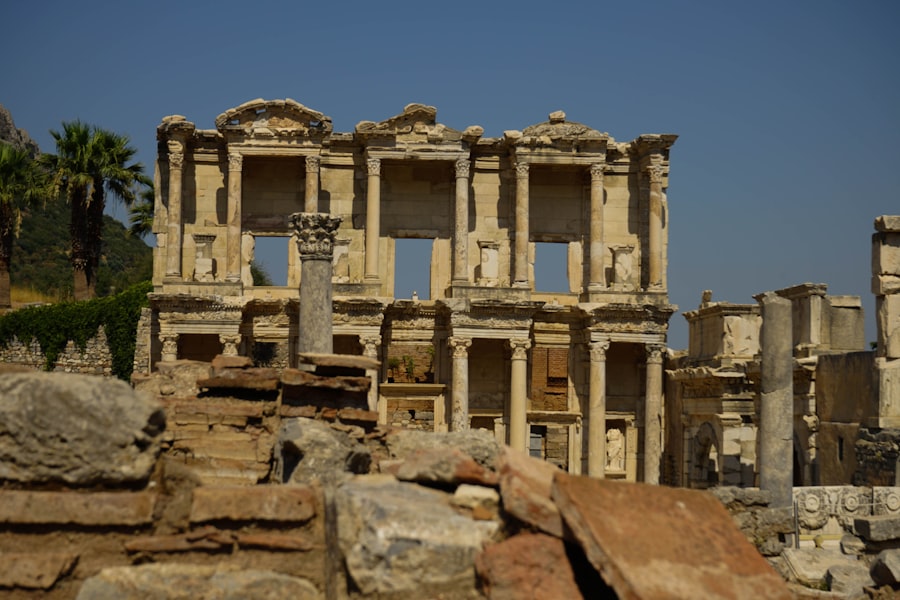
The ongoing discovery of ancient remains beneath modern cities presents a fundamental dilemma: how to preserve the invaluable insights from the past while allowing for the necessary growth and development of the present.
In-Situ Preservation vs. Removal
When significant archaeological finds are made, a critical decision must be taken: should the remains be preserved in situ (in their original location) or carefully excavated, recorded, and removed for study and potential display? In-situ preservation, while ideal for maintaining context, often necessitates design changes for new buildings or infrastructure. Removal, while allowing development to proceed, separates artifacts from their original environment, a crucial component of their historical narrative. This choice often involves complex negotiations between developers, archaeologists, and heritage authorities, driven by a balance of scientific value, cost, and public interest.
Public Engagement and Interpretation
As more ancient cities are revealed, there is a growing recognition of the importance of public engagement. Displaying archaeological finds within subway stations, creating accessible viewing platforms beneath buildings, or integrating elements of ancient structures into modern architecture allows citizens and tourists alike to connect with the deep history beneath their feet. This interpretive work transforms discoveries from mere academic interest into shared cultural heritage, fostering a deeper appreciation for the historical continuum.
The Future of Subterranean Archaeology
The technology for exploring and preserving ancient cities beneath modern infrastructure continues to evolve. Virtual reality and augmented reality are beginning to offer innovative ways to visualize buried structures, allowing non-archaeologists to experience these hidden worlds without physically disturbing them. The increasing precision of remote sensing, combined with advanced data analysis, promises to unlock even more secrets from beneath the urban sprawl. As our cities continue to grow and transform, the dialogue between the past and the present, the hidden and the visible, will only deepen, enriching our understanding of human ingenuity and resilience across millennia. The ground beneath you, dear reader, is not just pavement and soil; it is a meticulously layered archive, a silent testament to the countless lives and stories that laid the very foundations of our world.
FAQs
What are ancient cities hiding beneath modern streets?
Ancient cities hiding beneath modern streets refer to archaeological sites where remnants of old civilizations, such as buildings, roads, and artifacts, are buried underneath contemporary urban areas. These hidden cities provide valuable insights into historical cultures and urban development.
How are ancient cities discovered beneath modern urban areas?
Ancient cities are often discovered through archaeological excavations, ground-penetrating radar, construction projects, and historical research. Sometimes, accidental findings during building work lead to the uncovering of these hidden sites.
Why are ancient cities buried beneath modern streets?
Over centuries, cities expand and rebuild on top of older settlements. Natural processes like sedimentation, destruction from wars or natural disasters, and urban development cause ancient structures to become buried beneath newer layers of construction.
Can modern cities coexist with ancient ruins beneath them?
Yes, many modern cities coexist with ancient ruins beneath them. In some cases, archaeological sites are preserved and integrated into urban planning, allowing for both contemporary living and historical preservation.
What is the significance of studying ancient cities beneath modern streets?
Studying these ancient cities helps historians and archaeologists understand past human societies, their culture, architecture, and urban planning. It also provides context for the development of modern cities and can inform preservation efforts.