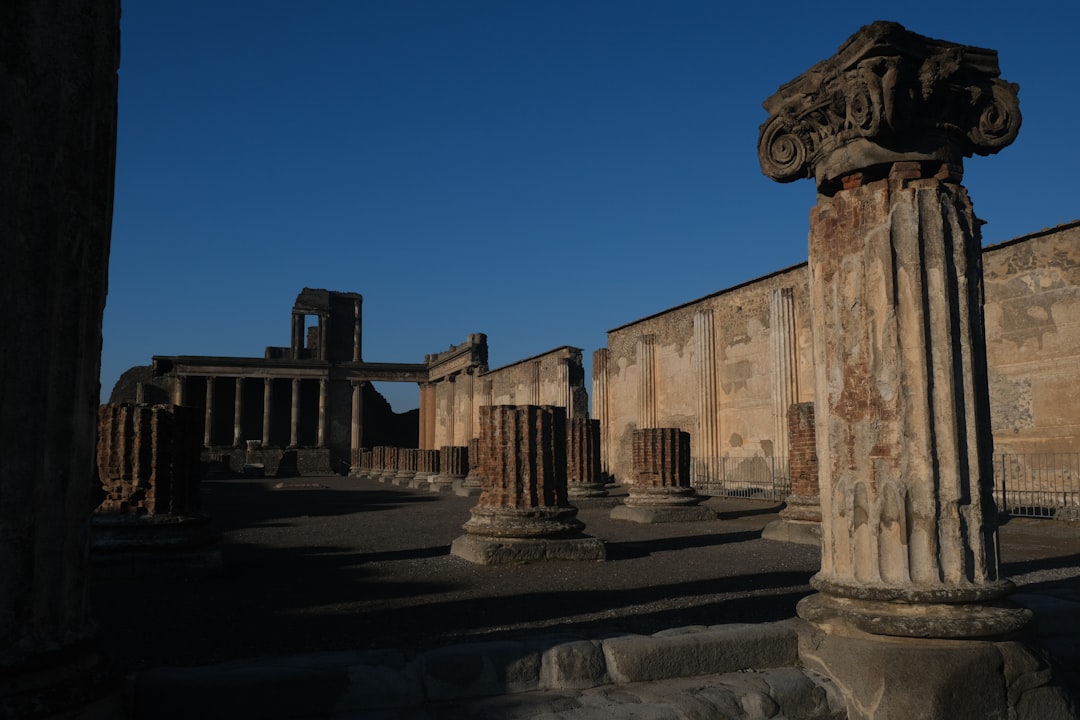
Ancient civilizations developed sophisticated heating methods without modern energy sources, demonstrating remarkable environmental adaptation in harsh climates. These societies engineered heating systems that efficiently utilized natural resources, revealing their advanced understanding of thermal principles and environmental management. Various cultures implemented distinct heating technologies based on available materials and regional conditions.
These systems included hypocausts (underfloor heating) in Roman baths, kang bed-stoves in China, ondol floors in Korea, and sophisticated air circulation designs in Middle Eastern and Mediterranean architecture. Each solution represented a culturally specific response to climate challenges while maximizing resource efficiency. The environmental footprint of these heating methods was relatively minimal compared to contemporary systems, as they primarily relied on renewable biomass, solar energy, and natural thermal properties of materials.
These technologies held significant cultural importance, often becoming central elements in domestic life and social practices. Ancient heating innovations continue to influence modern architectural design, particularly in passive solar techniques and sustainable building practices. Studying these historical approaches provides valuable insights for addressing current energy challenges and developing more environmentally responsible heating solutions.
Key Takeaways
- Ancient cities developed innovative heating systems using natural resources for efficient warmth.
- These systems combined scientific principles with local materials to create sustainable heating solutions.
- Heating played a crucial cultural and social role, influencing daily life and community structures.
- Archaeological studies reveal the complexity and environmental benefits of ancient heating technologies.
- Modern architecture can draw inspiration from ancient methods to promote sustainable and eco-friendly heating.
The Science Behind Ancient Heating Systems
The heating systems of ancient cities were often based on principles of thermodynamics and fluid dynamics that you might find surprisingly sophisticated. One of the most notable methods was the hypocaust system used by the Romans, which involved circulating hot air beneath floors and through walls. This system relied on a furnace that heated air, which then traveled through a network of flues and channels, warming the spaces above.
The design allowed for even heat distribution, creating a comfortable environment even in the coldest months. In addition to hypocausts, other civilizations employed different techniques that demonstrated a keen understanding of heat retention and distribution. For instance, the use of thermal mass in adobe structures allowed buildings to absorb heat during the day and release it slowly at night.
This principle is still relevant today, as it emphasizes the importance of materials in regulating indoor temperatures. By studying these ancient systems, you can appreciate how early engineers and architects were able to create efficient heating solutions long before the advent of electricity or fossil fuels.
Examples of Ancient Cities with Advanced Heating Systems
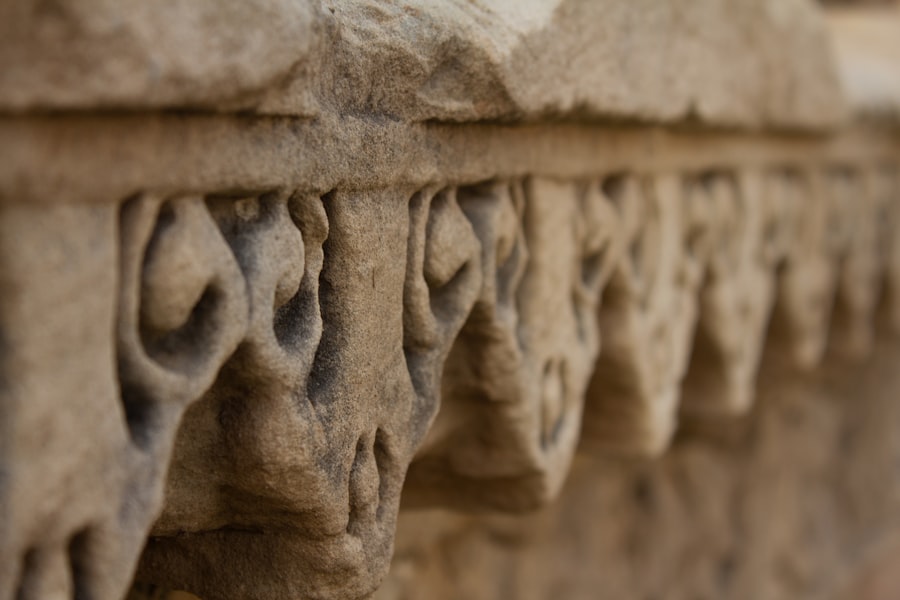
As you explore various ancient cities, you will encounter remarkable examples of advanced heating systems that highlight the ingenuity of their inhabitants. The city of Pompeii, for instance, is renowned for its well-preserved remains that showcase the use of hypocaust heating in private homes and public baths. The intricate network of flues and heated floors not only provided warmth but also contributed to the luxurious lifestyle enjoyed by its residents.
Another fascinating example is found in the ancient city of Çatalhöyük in modern-day Turkey, where early inhabitants utilized simple yet effective methods for heating their dwellings. The homes were constructed with thick mud walls that retained heat from cooking fires, allowing for a stable indoor temperature. This early form of passive solar heating demonstrates how even primitive societies were able to adapt their living spaces to their environment effectively.
How Ancient Cities Utilized Natural Resources for Heating
Ancient civilizations were adept at utilizing the natural resources available to them for heating purposes. In regions where wood was scarce, such as parts of the Middle East, people turned to alternative materials like dung or straw for fuel. These organic materials burned efficiently and provided a sustainable source of heat for cooking and warming homes.
By using what was readily available in their surroundings, these societies minimized their environmental impact while maximizing their comfort.
For example, the ancient Greeks recognized the potential of hot springs and built bathhouses around these natural phenomena.
The thermal waters provided not only warmth but also a social space for relaxation and community gathering. This clever use of geothermal resources illustrates how ancient peoples were attuned to their environment and capable of harnessing its gifts for practical purposes.
The Environmental Impact of Ancient Heating Systems
| Ancient City | Heating Method | Technology Description | Estimated Era | Location | Efficiency Notes |
|---|---|---|---|---|---|
| Pompeii | Hypocaust System | Underfloor heating using hot air from a furnace circulated beneath floors and walls | 1st Century AD | Italy | Efficient for public baths and wealthy homes, required constant fuel |
| Çatalhöyük | Central Hearths with Smoke Vents | Central fire pits with smoke venting through roof openings, providing warmth and ventilation | 7500 BC | Turkey | Simple but effective for communal heating, no fuel recycling |
| Roman Empire Cities | Hypocaust System | Advanced underfloor heating with flues in walls to distribute heat evenly | 1st – 4th Century AD | Across Europe and North Africa | Highly efficient for public baths and villas, required skilled maintenance |
| Skara Brae | Stone Hearths | Stone-built hearths inside homes using peat or wood fires for heating | 3200 BC | Scotland | Basic heating, no heat recycling, relied on insulation from stone walls |
| Ancient Korea (Goguryeo) | Ondol System | Underfloor heating using flues to channel smoke and heat beneath floors | 1st Century BC – 7th Century AD | Korean Peninsula | Highly efficient, influenced modern radiant floor heating |
When considering the environmental impact of ancient heating systems, it is essential to recognize that these methods were often more sustainable than many modern practices. The reliance on local materials and renewable resources meant that ancient cities had a lower carbon footprint compared to contemporary urban centers that depend heavily on fossil fuels. By utilizing natural resources efficiently, these civilizations maintained a balance with their environment that is often lacking today.
Moreover, many ancient heating systems were designed with longevity in mind. Structures built with durable materials like stone or adobe not only provided effective insulation but also required minimal maintenance over time. This focus on durability and sustainability allowed ancient cities to thrive for centuries without depleting their resources or causing significant environmental degradation.
The Cultural and Social Significance of Heating in Ancient Cities
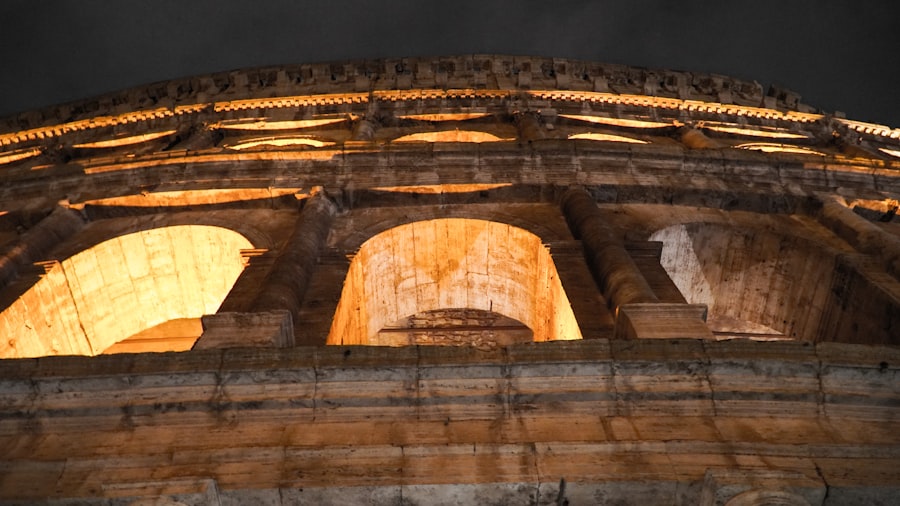
Heating systems in ancient cities were not merely functional; they held significant cultural and social importance as well. In many societies, warmth was associated with hospitality and comfort, making heated spaces central to social interactions. Public baths in Roman cities served as communal gathering places where people could socialize while enjoying the benefits of warmth and cleanliness.
These spaces fostered community bonds and reflected the values of society. Additionally, the act of gathering around a fire has been a fundamental aspect of human culture since prehistoric times. In ancient cities, hearths served as focal points within homes where families would come together to share meals and stories.
This communal aspect of heating transcended mere physical warmth; it created a sense of belonging and connection among individuals, reinforcing social ties that were vital for survival in challenging environments.
The Legacy of Ancient Heating Systems in Modern Architecture
The influence of ancient heating systems can still be seen in modern architecture today. As you walk through contemporary buildings, you may notice elements inspired by ancient techniques that promote energy efficiency and sustainability. For instance, passive solar design principles echo the thermal mass strategies employed by ancient civilizations, utilizing materials that absorb and retain heat to create comfortable indoor environments.
Furthermore, modern architects are increasingly looking to history for inspiration when designing eco-friendly buildings. The integration of natural ventilation systems and green roofs reflects a growing awareness of the need to harmonize architecture with nature—an ethos that was prevalent in many ancient cultures.
Challenges in Preserving and Studying Ancient Heating Systems
Despite their significance, preserving and studying ancient heating systems presents numerous challenges. Many archaeological sites have been damaged or destroyed over time due to natural disasters, urban development, or neglect. As a result, valuable insights into these systems may be lost forever if not properly documented and protected.
Additionally, interpreting the remnants of ancient heating systems can be complex. Archaeologists must piece together fragments of evidence while considering the cultural context in which these systems operated. This requires interdisciplinary collaboration among historians, engineers, and environmental scientists to fully understand how these systems functioned and their impact on society.
The Role of Archaeology in Uncovering Ancient Heating Systems
Archaeology plays a crucial role in uncovering the mysteries surrounding ancient heating systems. Through careful excavation and analysis, archaeologists can reveal the remnants of hypocausts, hearths, and other heating technologies that provide insight into daily life in ancient cities. These discoveries not only enhance our understanding of past civilizations but also inform contemporary discussions about sustainability and energy efficiency.
Moreover, advancements in technology have revolutionized archaeological practices. Techniques such as ground-penetrating radar and 3D modeling allow researchers to visualize subsurface structures without invasive digging. This non-destructive approach enables archaeologists to study ancient heating systems while preserving the integrity of archaeological sites for future generations.
Reimagining Ancient Heating Techniques for Sustainable Living
As you reflect on the ingenuity of ancient heating systems, consider how these techniques can be reimagined for sustainable living today. With growing concerns about climate change and energy consumption, there is an urgent need to adopt practices that minimize our environmental impact while maximizing comfort. By looking back at historical methods, you can find inspiration for innovative solutions that align with modern sustainability goals.
For instance, integrating passive solar design principles into new construction can significantly reduce reliance on artificial heating sources. Utilizing thermal mass materials like adobe or stone can help regulate indoor temperatures naturally, creating energy-efficient homes that honor traditional practices while meeting contemporary needs. Additionally, exploring alternative fuel sources such as biomass or geothermal energy can provide sustainable options reminiscent of those used by our ancestors.
Lessons from Ancient Cities’ Free Heating
In conclusion, the study of ancient cities’ free heating systems offers valuable lessons for contemporary society as we navigate the challenges of energy consumption and environmental sustainability. By examining the science behind these systems and their cultural significance, you can appreciate the ingenuity of our ancestors who found ways to thrive in diverse climates using available resources. As you consider the legacy of these ancient techniques in modern architecture and sustainable living practices, remember that there is much we can learn from history.
By reimagining these time-tested methods for today’s world, you can contribute to a more sustainable future that honors both our past and our planet’s well-being. Embracing the wisdom of ancient civilizations may hold the key to creating a harmonious balance between human needs and environmental stewardship in an ever-changing world.
Ancient cities often employed innovative methods for heating their structures, showcasing their advanced understanding of architecture and environmental management. For a deeper exploration of how these civilizations harnessed natural resources for warmth, you can read more in this related article on ancient urban planning and heating techniques. Check it out here: Ancient Cities and Their Heating Solutions.
FAQs
What is meant by “ancient cities free heating”?
“Ancient cities free heating” refers to the historical methods and systems used in ancient urban settlements to provide heating without modern fuel sources. These systems often utilized natural geothermal energy, architectural design, or innovative technologies to warm buildings and public spaces.
Which ancient cities are known for using free heating methods?
Cities such as Pompeii and Herculaneum in ancient Rome, as well as some settlements in Iceland and Turkey, are known for utilizing geothermal energy or hypocaust systems to provide heating. These methods allowed inhabitants to enjoy warmth without relying on wood or coal.
How did ancient Romans provide heating in their buildings?
The Romans developed the hypocaust system, an underfloor heating method where hot air from a furnace circulated beneath raised floors and through hollow walls, effectively warming rooms. This system was used in baths, villas, and public buildings.
Did ancient civilizations use geothermal energy for heating?
Yes, some ancient civilizations located near geothermal sources harnessed natural heat for warming purposes. For example, in areas like modern-day Iceland and parts of Turkey, hot springs and volcanic activity provided a natural source of heat for bathing and heating.
What architectural features helped ancient cities maintain warmth?
Ancient architects used thick walls, south-facing windows, thermal mass materials like stone and brick, and strategic building orientation to maximize solar gain and retain heat. Courtyards and enclosed spaces also helped reduce heat loss.
Are any ancient heating systems still in use today?
While modern heating technologies have largely replaced ancient systems, some traditional methods like hypocaust-inspired designs and geothermal heating continue to influence contemporary sustainable architecture and heating solutions.
What can modern society learn from ancient free heating methods?
Modern society can learn about sustainable and energy-efficient heating by studying ancient methods that utilized natural resources and smart design. These approaches emphasize reducing reliance on fossil fuels and minimizing environmental impact.
Were these ancient heating methods accessible to all citizens?
In many ancient cities, advanced heating systems like hypocausts were typically available to wealthier citizens or public facilities. Common people often relied on simpler methods such as fireplaces or clothing for warmth.
How did ancient free heating impact daily life?
Access to effective heating improved comfort, health, and social activities, especially during colder months. Public baths and heated rooms became centers for socializing and relaxation, contributing to the cultural life of ancient cities.
Is there archaeological evidence of ancient free heating systems?
Yes, archaeological excavations have uncovered remains of hypocaust systems, heated floors, and infrastructure linked to geothermal heating, providing insight into the engineering and lifestyle of ancient civilizations.