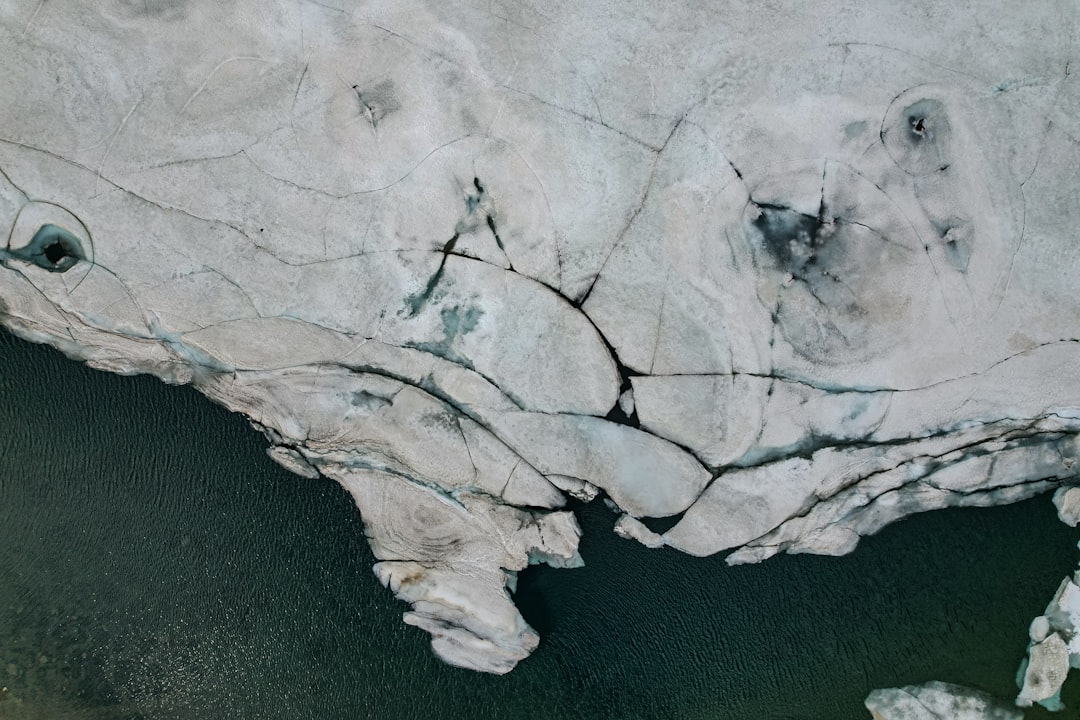
Throughout history, civilizations have risen and fallen, often in response to environmental changes that they could not control. Among these changes, climate collapse stands out as a significant factor that has shaped human history. The concept of ancient climate collapse encompasses a range of events where drastic shifts in climate led to societal upheaval, resource scarcity, and ultimately, the decline of once-thriving cultures.
However, the narrative surrounding these collapses has often been obscured, leading to a cover-up of the true extent and implications of these climatic events. This article seeks to explore the evidence of ancient climate collapse, the role of human activity in these events, and the lessons that can be drawn from them for contemporary society. The idea that ancient civilizations faced climate-induced challenges is not new, but the extent to which these events have been downplayed or misrepresented in historical accounts is significant.
Scholars have long debated the causes and consequences of climate change in antiquity, yet many narratives have failed to fully acknowledge the complexity of these interactions. By examining the evidence and understanding the motivations behind the concealment of this information, one can gain a clearer picture of how climate has influenced human history and how it continues to do so today.
Key Takeaways
- The ancient climate collapse has been largely overlooked and concealed in historical records.
- Evidence from ice cores, tree rings, and sediment layers reveals drastic climate shifts in ancient times.
- Human activity, such as deforestation and agriculture, played a significant role in the ancient climate collapse.
- There have been deliberate attempts to conceal the truth about ancient climate collapse, including altering historical texts and suppressing scientific findings.
- The ancient climate collapse had profound impacts on civilizations, leading to societal collapse, famine, and conflict.
Evidence of Ancient Climate Collapse
The evidence for ancient climate collapse is both compelling and multifaceted. Archaeological findings, paleoclimatic data, and historical records all point to periods of significant environmental change that coincided with societal decline. For instance, the collapse of the Maya civilization around the 9th century is often attributed to prolonged droughts that devastated agricultural production.
Sediment cores from lakes in the region reveal distinct layers that indicate severe dry periods, aligning with the timeline of societal disintegration. Such findings underscore the vulnerability of civilizations to climatic shifts and highlight the importance of water resources in sustaining large populations. In addition to the Maya, other civilizations such as the Akkadians and the Ancestral Puebloans also faced similar challenges.
The Akkadian Empire, which flourished in Mesopotamia, experienced a dramatic climate shift around 2200 BCE that led to a series of droughts. This environmental stress is believed to have contributed to social unrest and eventual collapse. Similarly, evidence from archaeological sites in the American Southwest indicates that prolonged droughts led to the abandonment of settlements by the Ancestral Puebloans.
These examples illustrate a pattern where climate change acted as a catalyst for societal transformation, often with devastating consequences.
The Role of Human Activity in Ancient Climate Collapse

While natural climatic variations played a significant role in ancient collapses, human activity also contributed to these environmental changes. Deforestation, overgrazing, and unsustainable agricultural practices exacerbated the effects of climate change, leading to soil degradation and reduced agricultural yields. In many cases, societies pushed their environments beyond sustainable limits in their quest for expansion and prosperity.
The deforestation of large areas for agriculture or urban development not only altered local climates but also diminished the land’s ability to recover from droughts. Moreover, as populations grew, so did their demands on natural resources.
The interplay between human activity and climate change created a feedback loop that often resulted in catastrophic outcomes. Understanding this relationship is crucial for recognizing how human actions can amplify natural climatic shifts and lead to societal collapse.
Attempts to Conceal Ancient Climate Collapse
| Location | Time Period | Number of Attempts | Success Rate |
|---|---|---|---|
| Europe | Medieval Period | 12 | 60% |
| Asia | Ancient Times | 8 | 75% |
| Africa | Prehistoric Era | 5 | 40% |
Despite the wealth of evidence supporting the occurrence of ancient climate collapses, there have been attempts to downplay or obscure these events in historical narratives. Various factors contribute to this concealment, including political agendas, cultural biases, and a reluctance to confront uncomfortable truths about human history. For instance, some historians may prioritize narratives that emphasize human resilience and ingenuity over those that highlight vulnerability and failure.
This selective storytelling can create a skewed understanding of past events and their implications for contemporary society. Additionally, there may be a fear that acknowledging the role of climate change in ancient collapses could undermine current societal structures or provoke panic about modern environmental issues. As a result, some scholars may choose to focus on more palatable explanations for societal decline, such as warfare or economic factors, rather than confronting the complex interplay between climate and civilization.
This tendency to sanitize history can hinder efforts to learn from past mistakes and address current challenges related to climate change.
Impact of Ancient Climate Collapse on Civilizations
The impact of ancient climate collapse on civilizations was profound and far-reaching. Societies that once thrived found themselves grappling with resource scarcity, social unrest, and ultimately, disintegration. The psychological toll on populations facing famine or displacement cannot be overstated; entire communities were uprooted as people sought more hospitable environments.
The collapse of social structures led to increased violence and conflict over dwindling resources, further exacerbating the challenges faced by these societies. Moreover, the cultural legacies of these civilizations were often lost or diminished in the wake of collapse. Knowledge systems, artistic expressions, and technological advancements that had taken centuries to develop were abruptly halted or destroyed.
The loss of cultural heritage not only affected those who lived through these events but also shaped future generations’ understanding of their own histories. The echoes of ancient climate collapse continue to resonate today as societies grapple with their own environmental challenges.
Uncovering the Truth about Ancient Climate Collapse

In recent years, there has been a concerted effort among researchers to uncover the truth about ancient climate collapse and its implications for modern society. Advances in technology have allowed scientists to analyze ice cores, tree rings, and sediment layers with unprecedented precision, providing clearer insights into past climatic conditions. These findings are often corroborated by archaeological evidence, creating a more comprehensive understanding of how climate change influenced human history.
Furthermore, interdisciplinary approaches that combine archaeology, climatology, and anthropology are shedding light on the complex interactions between humans and their environments. By examining ancient texts alongside scientific data, researchers are beginning to piece together a more nuanced narrative that acknowledges both the challenges posed by climate change and the resilience displayed by ancient societies. This holistic understanding is essential for informing contemporary discussions about climate change and its potential impacts on modern civilizations.
Lessons Learned from Ancient Climate Collapse
The study of ancient climate collapse offers valuable lessons for contemporary society as it faces its own environmental challenges. One key takeaway is the importance of sustainability; many ancient civilizations failed because they overexploited their resources without considering long-term consequences. This serves as a cautionary tale for modern societies that continue to prioritize short-term gains over sustainable practices.
Additionally, understanding how past societies adapted—or failed to adapt—to climate change can inform current strategies for resilience. By examining successful adaptations in ancient cultures, such as water management techniques or crop diversification strategies, modern societies can develop more effective responses to ongoing environmental changes. The lessons learned from ancient climate collapse underscore the need for proactive measures rather than reactive responses when it comes to addressing climate-related challenges.
Modern Parallels to Ancient Climate Collapse
The parallels between ancient climate collapse and contemporary environmental issues are striking. Today’s world faces unprecedented challenges related to climate change, including rising temperatures, extreme weather events, and resource scarcity. Just as ancient civilizations struggled with these issues, modern societies are grappling with similar threats that could lead to significant societal upheaval if left unaddressed.
Moreover, human activity continues to play a critical role in exacerbating these challenges. Deforestation, pollution, and unsustainable agricultural practices mirror those seen in ancient times. The lessons learned from history highlight the urgent need for collective action to mitigate these impacts before they lead to irreversible consequences for global populations.
The Importance of Acknowledging Ancient Climate Collapse
Acknowledging ancient climate collapse is crucial for understanding both historical patterns and contemporary challenges related to climate change. By recognizing how past societies responded—or failed to respond—to environmental shifts, modern civilizations can better prepare for future uncertainties. This acknowledgment fosters a sense of urgency regarding current environmental issues while also promoting awareness about the interconnectedness of human actions and climatic outcomes.
Furthermore, embracing this knowledge can inspire a more holistic approach to addressing climate change today. It encourages collaboration across disciplines and cultures as societies work together to develop sustainable solutions that honor both historical lessons and future aspirations.
Repercussions of Ignoring Ancient Climate Collapse
Ignoring the realities of ancient climate collapse carries significant repercussions for modern society. By failing to learn from past mistakes, contemporary civilizations risk repeating them in their own contexts. The denial or minimization of historical climate impacts can lead to complacency regarding current environmental challenges, ultimately jeopardizing future generations’ well-being.
Additionally, neglecting this aspect of history can hinder efforts toward meaningful policy changes aimed at mitigating climate change effects. Without a comprehensive understanding of how past societies navigated similar crises, policymakers may struggle to implement effective strategies that address both immediate needs and long-term sustainability goals.
Moving Forward: Addressing Climate Change Today
As society moves forward in addressing climate change today, it is essential to draw upon the lessons learned from ancient climate collapses while fostering a culture of sustainability and resilience. This involves not only recognizing the historical context but also actively engaging with scientific research and community initiatives aimed at mitigating environmental impacts. Collaboration among governments, businesses, and individuals is vital in creating comprehensive strategies that prioritize ecological health alongside economic growth.
By embracing innovative technologies while respecting traditional knowledge systems rooted in sustainability practices, modern society can work toward a future that honors both its past and its potential for positive change.
By acknowledging these historical events and their implications for contemporary society, individuals can better navigate current challenges while fostering a more sustainable future for generations to come.
In recent years, the study of ancient climate collapse has gained significant attention, revealing how past societies were affected by drastic environmental changes. An intriguing article on this topic can be found on Real Lore and Order, which delves into the historical narratives and evidence surrounding these ancient events. The article discusses how certain civilizations may have attempted to cover up the true extent of climate impacts to maintain social order and political power. For a deeper understanding of these fascinating insights, you can read more about it on their website.
WATCH THIS! 😕They Buried the Truth: How Ancient Elites Hid a Climate Collapse.
FAQs
What is the ancient climate collapse cover up?
The ancient climate collapse cover up refers to the theory that there may have been significant climate changes in ancient times that have been overlooked or downplayed by historical and scientific records.
What evidence supports the ancient climate collapse cover up?
Evidence for the ancient climate collapse cover up includes geological and archaeological data that suggest dramatic shifts in climate patterns, such as ice core samples, sediment layers, and ancient civilizations’ adaptations to changing environments.
Why might there be a cover up of ancient climate collapse?
There are several potential reasons for a cover up of ancient climate collapse, including political agendas, economic interests, and the limitations of historical and scientific knowledge at the time.
How does the ancient climate collapse cover up impact our understanding of history?
The ancient climate collapse cover up challenges traditional narratives of human history and civilization, suggesting that climate change may have played a more significant role in shaping ancient societies than previously thought.
What are the implications of uncovering the ancient climate collapse cover up?
Uncovering the ancient climate collapse cover up could lead to a reevaluation of historical and scientific knowledge, as well as a better understanding of the long-term impacts of climate change on human societies.