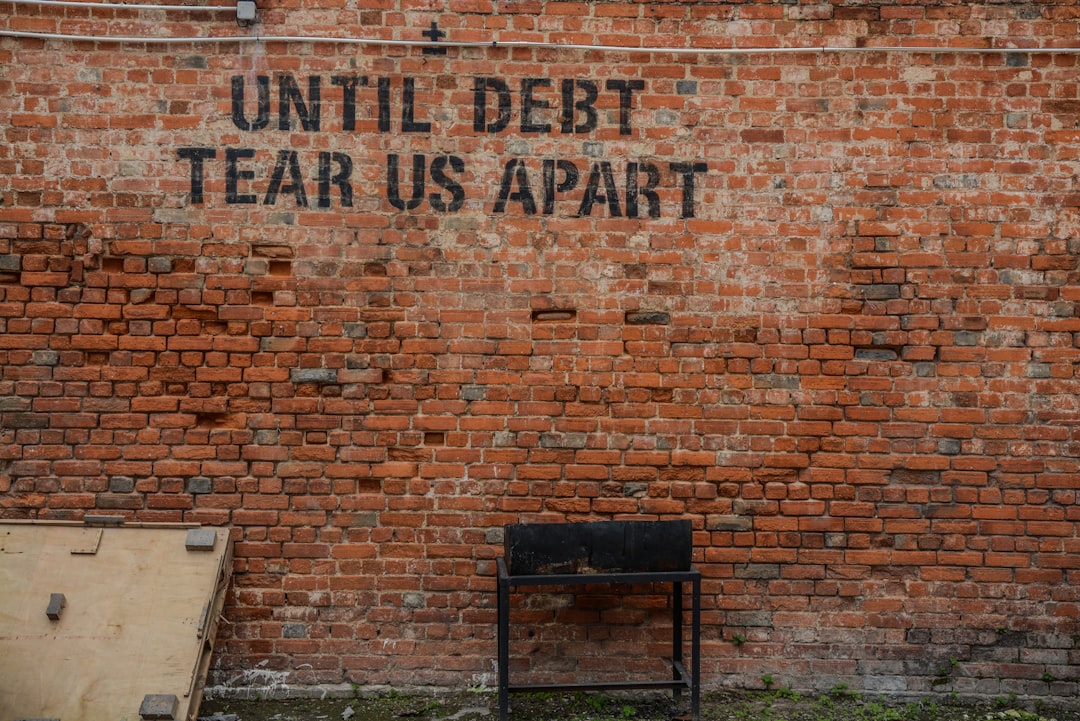
Debt peonage systems have long been a significant aspect of human economic history, representing a complex interplay between labor, debt, and social hierarchy. This system, often characterized by individuals being bound to work for a creditor until their debts are repaid, has manifested in various forms across different cultures and epochs. The implications of debt peonage extend beyond mere economic transactions; they delve into the realms of social structure, power dynamics, and ethical considerations.
Understanding these systems provides valuable insights into the historical context of labor relations and the evolution of economic practices. The concept of debt peonage raises critical questions about freedom, autonomy, and the moral obligations of creditors and debtors. As societies evolved, so too did the mechanisms of debt and labor, leading to a myriad of interpretations and implementations of peonage.
This article aims to explore the origins and development of debt peonage, its manifestations in ancient civilizations, its economic and social impacts, and the legal and ethical considerations surrounding it. Furthermore, it will examine resistance against such systems, their role in shaping societies, comparisons with modern-day debt systems, and the legacy they leave in contemporary society.
Key Takeaways
- Debt peonage systems have existed in ancient civilizations and continue to impact contemporary society.
- Debt peonage originated as a means of labor control and social hierarchy in ancient societies.
- Ancient debt peonage had significant economic and social impacts on individuals and communities.
- Resistance and rebellion against debt peonage were common in ancient societies.
- The legacy of debt peonage in shaping ancient societies can be seen in comparisons with modern-day debt systems.
Origins and Development of Debt Peonage
The origins of debt peonage can be traced back to ancient agricultural societies where credit systems began to emerge. In these early communities, individuals often found themselves in need of resources to cultivate land or sustain their families. As a result, they turned to wealthier landowners or merchants for loans, which were typically secured against future labor or produce.
This arrangement laid the groundwork for what would evolve into more formalized systems of debt peonage. Over time, as economies became more complex and trade expanded, the relationships between creditors and debtors grew increasingly intricate. As civilizations developed, so did the mechanisms of debt peonage.
In many cases, laws were enacted to regulate these relationships, often favoring creditors and perpetuating cycles of indebtedness. For instance, in ancient Rome, the Lex Poetelia Papiria was introduced to limit the harshness of debt bondage but did not eliminate it entirely. Instead, it allowed for a more structured approach to debt repayment while still enabling creditors to maintain control over their debtors.
This evolution reflects a broader trend in which economic systems adapt to societal needs while simultaneously reinforcing existing power dynamics.
Debt Peonage in Ancient Civilizations

Debt peonage was prevalent in several ancient civilizations, each exhibiting unique characteristics shaped by their cultural and economic contexts. In Mesopotamia, for example, the Code of Hammurabi included provisions that addressed debt and servitude, illustrating how deeply entrenched these practices were in early legal frameworks. Debtors could be forced into servitude if they failed to repay their loans, often leading to generations being trapped in cycles of debt.
This system not only affected individual families but also had broader implications for social stratification within these societies. Similarly, in ancient Greece, debt peonage played a crucial role in the economy. The practice was particularly evident during times of economic hardship when citizens found themselves unable to meet their financial obligations.
The resulting enslavement or servitude of debtors was a source of tension within Greek city-states, leading to social reforms such as those initiated by Solon in the 6th century BCE. These reforms aimed to alleviate the plight of indebted citizens by canceling debts and abolishing enslavement for unpaid loans, highlighting the ongoing struggle between economic necessity and social justice.
Economic and Social Impact of Debt Peonage
| Metrics | Data |
|---|---|
| Number of people affected by debt peonage | Millions |
| Impact on household income | Decrease in disposable income |
| Effect on mental health | Increased stress and anxiety |
| Contribution to poverty levels | Exacerbation of poverty |
| Barriers to economic mobility | Limited access to resources and opportunities |
The economic impact of debt peonage is multifaceted, influencing both individual livelihoods and broader market dynamics. On one hand, it provided a means for creditors to secure labor without upfront costs, effectively creating a workforce that was bound to them until debts were settled. This arrangement often resulted in a cycle of dependency where debtors could find themselves perpetually indebted due to high-interest rates or exploitative practices.
Consequently, this system stifled economic mobility and innovation among lower classes while enriching those at the top. Socially, debt peonage reinforced existing hierarchies and class divisions within societies. Debtors were often marginalized and stripped of their rights, leading to a stratified social order where wealth dictated power.
The stigma associated with indebtedness further alienated these individuals from their communities, creating a sense of isolation that could last for generations. In many cases, entire families were affected by the debts incurred by one member, perpetuating cycles of poverty and disenfranchisement that were difficult to escape.
Legal and Ethical Considerations of Debt Peonage
The legal frameworks surrounding debt peonage have historically been contentious, often reflecting the interests of those in power rather than the rights of the indebted. In many ancient societies, laws were designed to protect creditors while offering little recourse for debtors facing exploitation. This imbalance raises significant ethical questions about the morality of profiting from another’s misfortune and the responsibilities that come with lending money.
The lack of protections for vulnerable populations often led to abuses that were both legally sanctioned and socially accepted. In modern contexts, discussions about debt peonage continue to resonate as societies grapple with issues related to consumer debt and predatory lending practices. The ethical implications are profound; as financial institutions increasingly target low-income individuals with high-interest loans, parallels can be drawn between contemporary practices and historical forms of peonage.
The challenge lies in creating legal frameworks that not only regulate lending practices but also promote fairness and equity in financial transactions.
Resistance and Rebellion against Debt Peonage

Throughout history, resistance against debt peonage has manifested in various forms, from individual acts of defiance to organized movements aimed at systemic change. In ancient Rome, for instance, there were numerous instances where indebted citizens banded together to demand reforms that would alleviate their burdens. These collective actions often highlighted the injustices inherent in the system and served as catalysts for legal changes that sought to protect vulnerable populations from exploitation.
In more recent times, movements against predatory lending practices have emerged as a response to modern-day equivalents of debt peonage. Activists advocate for policies that promote financial literacy and equitable lending practices while challenging systemic inequalities that perpetuate cycles of debt. These efforts reflect a growing awareness of the historical roots of such issues and underscore the importance of learning from past injustices to inform contemporary solutions.
Role of Debt Peonage in Shaping Ancient Societies
Debt peonage played a pivotal role in shaping the social fabric of ancient societies by influencing class structures and power dynamics. The reliance on indebted labor created a distinct separation between creditors and debtors, often leading to entrenched social hierarchies that favored wealth accumulation among the elite. This dynamic not only affected economic relations but also permeated cultural narratives surrounding success and failure, reinforcing notions that equated financial stability with moral virtue.
Moreover, the prevalence of debt peonage contributed to societal tensions that could lead to conflict or reform. As disenfranchised populations sought to challenge their circumstances, they often became catalysts for broader social change. The struggles faced by indebted individuals highlighted systemic inequalities that could no longer be ignored, prompting shifts in policy and public sentiment that reshaped societal norms around labor and economic justice.
Comparisons with Modern-Day Debt Systems
When examining modern-day debt systems through the lens of historical debt peonage, striking similarities emerge despite advancements in legal protections and economic structures. Today’s consumer credit landscape often mirrors past practices where individuals find themselves ensnared in cycles of debt due to high-interest loans or predatory lending practices. The ease with which credit can be obtained can lead to financial entrapment reminiscent of ancient systems where labor was exchanged for borrowed resources.
Furthermore, just as ancient societies grappled with the ethical implications of debt relationships, contemporary discussions continue to revolve around issues such as financial literacy and equitable access to credit. The lessons learned from historical debt peonage systems serve as cautionary tales for modern economies striving to balance growth with social responsibility. Recognizing these parallels can inform policies aimed at preventing exploitation while promoting economic empowerment for all individuals.
Uncovering Ancient Debt Peonage through Archaeological and Historical Evidence
Archaeological findings and historical records provide invaluable insights into the nature of debt peonage in ancient civilizations. Artifacts such as clay tablets from Mesopotamia reveal detailed accounts of transactions involving loans and labor agreements, shedding light on how these systems operated on a day-to-day basis. Such evidence illustrates not only the mechanics of debt but also the societal attitudes toward indebtedness and servitude.
Additionally, historical texts from various cultures document instances of resistance against oppressive debt practices, offering glimpses into the lived experiences of those affected by peonage systems. These narratives enrich our understanding of how individuals navigated their circumstances and fought for justice within rigid social structures. By piecing together these fragments of history, scholars can better comprehend the complexities surrounding debt peonage and its enduring legacy.
Legacy of Debt Peonage in Contemporary Society
The legacy of debt peonage continues to resonate in contemporary society as issues related to economic inequality persist globally. The historical context surrounding these systems informs current debates about consumer rights, financial regulation, and social justice initiatives aimed at addressing systemic disparities.
Moreover, recognizing the historical roots of modern-day debt systems can empower individuals to advocate for change within their communities. By drawing parallels between ancient practices and contemporary issues, activists can mobilize support for policies that prioritize fairness and accountability in lending practices. The lessons learned from ancient debt peonage systems serve as reminders that vigilance is necessary to prevent history from repeating itself.
Lessons from Ancient Debt Peonage Systems
In conclusion, the exploration of debt peonage systems throughout history reveals profound insights into human economic behavior and social organization. From its origins in ancient agricultural societies to its manifestations across various civilizations, debt peonage has shaped labor relations and influenced societal structures in significant ways. The ethical considerations surrounding these systems continue to resonate today as modern economies grapple with issues related to consumer debt and financial exploitation.
The resistance against debt peonage serves as a testament to human resilience and the ongoing struggle for justice within oppressive systems.
Ultimately, understanding the legacy of debt peonage is essential for fostering a more just economic landscape that prioritizes dignity and opportunity for all individuals.
In exploring the historical intricacies of ancient debt peonage systems, one can draw fascinating parallels with the socio-economic structures that have persisted through time. These systems, often characterized by the binding of individuals to labor in order to repay debts, have left a significant mark on societal development. For a deeper understanding of how these ancient practices have influenced modern legal and economic frameworks, you might find the article on Real Lore and Order particularly insightful. This piece delves into the evolution of debt-related practices and their enduring impact on contemporary society.
WATCH THIS! 😕They Buried the Truth: How Ancient Elites Hid a Climate Collapse.
FAQs
What is ancient debt peonage?
Ancient debt peonage refers to a system in which individuals are forced into a cycle of debt and servitude, often through unfair or exploitative practices. This system has been prevalent in various ancient civilizations and has been a form of social and economic control.
Which ancient civilizations practiced debt peonage?
Debt peonage systems have been documented in various ancient civilizations, including Mesopotamia, Ancient Greece, Ancient Rome, and pre-Columbian Mesoamerica. These systems varied in their specific practices and cultural contexts.
How did ancient debt peonage systems work?
In ancient debt peonage systems, individuals would become indebted to a creditor, often due to circumstances such as crop failure, medical expenses, or other unforeseen events. Unable to repay the debt, they would be forced into servitude to work it off, often under harsh and exploitative conditions.
What were the consequences of being in debt peonage?
Being in debt peonage meant that individuals and their families were trapped in a cycle of poverty and servitude. They often had limited or no control over their own labor and were vulnerable to exploitation and abuse by their creditors.
How did ancient societies address debt peonage?
Ancient societies had varying approaches to debt peonage. Some had laws and regulations to protect debtors from excessive exploitation, while others had more oppressive systems that perpetuated the cycle of debt and servitude. In some cases, debt relief measures or debt forgiveness were implemented to alleviate the burden on indebted individuals.