Uncovering Ancient Elites and Climate Collapse
The past is not a foreign country; it is a laboratory. Within its desiccated scrolls and crumbling ruins lie observations and experiments that can shed light on our present challenges. For centuries, scholars have delved into the remnants of vanished civilizations, seeking to understand their rise and fall. In recent decades, a potent new lens has been applied to these ancient narratives: climate science. This convergence of archaeology, anthropology, and climatology is revealing a compelling story of how environmental shifts, amplified by the actions and inactions of elite classes, have repeatedly led to societal collapse. This article explores this intricate relationship, demonstrating how understanding the decisions of ancient leaders in the face of ecological change can offer crucial lessons for our own precarious future.
Across the globe, archaeological evidence paints a stark picture of civilizations grappling with dramatic climate shifts. From the parched plains of Mesopotamia to the sun-baked Maya heartland, periods of relative environmental stability often gave way to prolonged droughts, intense monsoons, or abrupt temperature fluctuations. These were not mere inconveniences; they were existential threats that tested the very foundations of these societies.
The Fertile Crescent and the Water’s Fury
The cradle of civilization in Mesopotamia, with its fertile river valleys, was highly dependent on predictable rainfall and river flows. Early Sumerian city-states, and later the Akkadian and Babylonian empires, flourished by mastering irrigation. This mastery, however, also created a dependency. When climatic patterns shifted, leading to both devastating floods and prolonged droughts, this intricate system began to falter.
The Irrigation Trap: A Double-Edged Sword
The vast irrigation networks that fed ancient Mesopotamian populations were engineering marvels. However, they also had unforeseen consequences. Salinization, the buildup of salt in the soil due to irrigation and evaporation, gradually degraded arable land. This slow poisoning of the earth, exacerbated by changing rainfall patterns, reduced agricultural yields, placing immense pressure on the food supply. Imagine a delicate clockwork mechanism: when one cog, water availability, begins to grind, the entire machine is at risk of seizing up.
The Collapse of the Akkadian Empire: A Case Study in Climate Shock
The sudden and dramatic collapse of the Akkadian Empire around 2200 BCE is a compelling example. Archaeological data, including sediment cores from the northern Mesopotamian plains, reveals an abrupt and severe drought that lasted for centuries. This climate shock appears to have coincided with evidence of significant population decline and abandonment of major urban centers. The empire, built on the ability to project power and extract resources from a vast territory, proved vulnerable when the environmental underpinnings of its prosperity evaporated.
The Maya: Cities in the Jungle and the Vanishing Rain
The Maya civilization, renowned for its sophisticated calendar, monumental architecture, and advanced mathematics, also faced the wrath of a changing climate. For centuries, their city-states thrived in the rainforests of Mesoamerica, their prosperity intrinsically linked to the region’s hydrological cycle.
The Agony of Drought: A Thirsting Civilization
Paleoclimate records, such as those derived from lake sediments and stalagmites, indicate that the Maya experienced a series of intense and prolonged droughts during their Classic Period (roughly 250-900 CE), coinciding with the decline of many of their major cities. These droughts would have severely impacted their agricultural systems, which relied on both rainfall and raised field techniques. Picture a vibrant tapestry, intricately woven with threads of water; when those threads begin to fray and disappear, the entire design unravels.
The Water Management Paradox: Engineered Solutions, Unforeseen Consequences
The Maya were masters of water management, constructing elaborate reservoirs and canal systems to store and distribute water. While these innovations allowed them to thrive in a sometimes-challenging environment, they also represented a significant investment of resources and labor. During prolonged droughts, these systems could become insufficient, or worse, the concentrated populations dependent on them became acutely vulnerable when the water source dwindled. The careful management of water, a symbol of their ingenuity, ultimately became a point of acute fragility.
In exploring the intriguing connections between ancient elites and their potential role in climate collapse, a related article provides valuable insights into how societal structures may have influenced environmental outcomes. This article delves into the ways in which power dynamics and resource management among ancient civilizations could have contributed to ecological degradation, ultimately leading to their decline. For a deeper understanding of these themes, you can read more in the article available at this link.
The Architects of Power: Elites and Their Role in Societal Resilience or Ruin
The response to environmental challenges was not uniform across ancient societies. The decisions made by ruling elites, their priorities, and their willingness to adapt played a pivotal role in determining whether a civilization weathered the storm or succumbed to its force.
The Burden of Leadership: Choices in the Face of Scarcity
Ancient elites, be they kings, priests, or wealthy landowners, held considerable power and influence. Their decisions shaped resource allocation, managed public works, and dictated societal priorities. In times of environmental stress, these decisions were amplified, with the potential to either bolster resilience or accelerate decline. Think of a ship’s captain; their calm, reasoned decisions during a tempest can save the vessel, while panic or misjudgment can doom it.
Diversification of Livelihoods: A Strategy of Survival
Societies that encouraged or allowed for a diversity of economic activities and food sources often demonstrated greater resilience. Those that were heavily reliant on a single crop or a narrow range of resources were far more susceptible to climate-induced shocks. Elites who recognized this principle and fostered a more diversified economy were, in essence, hedging their bets against environmental uncertainty.
The Pitfalls of Centralization: Focusing Resources on Extravagance
Conversely, elites who prioritized their own aggrandizement, investing heavily in monumental construction projects or lavish lifestyles while neglecting infrastructure or agricultural innovation, often found their societies more vulnerable. When resources became scarce, these self-serving priorities could create deep fissures within the social fabric.
The Roman Empire and the Management of Agricultural Lands
The Roman Empire, a vast and complex entity, provides another compelling case study. Its agricultural heartlands, particularly in North Africa and Sicily, were critical for feeding its burgeoning population and its legions.
The Emperor’s Granary: The Fragility of Imperial Breadbaskets
The Roman reliance on its provinces for grain was a cornerstone of its stability. However, as climate patterns shifted, impacting agricultural productivity in these key regions, the empire’s ability to feed itself was threatened. Evidence suggests periods of increased drought and soil degradation in North Africa during the later Roman period, which would have directly impacted the grain supply. This imperial reliance, like a single, massive artery, becomes a critical vulnerability if its flow is interrupted.
The Response of the Elite: Adaptation vs. Status Quo
The Roman elite, particularly in the later imperial period, faced difficult choices. Did they invest in more sustainable agricultural practices, manage water resources more effectively, or attempt to maintain the existing system through increased taxation and military coercion? The historical record suggests a mixed response, with some attempts at adaptation but also a pervasive tendency to cling to established power structures and extractive practices.
The Social Fabric Under Strain: Inequality, Conflict, and the Collapse of Order
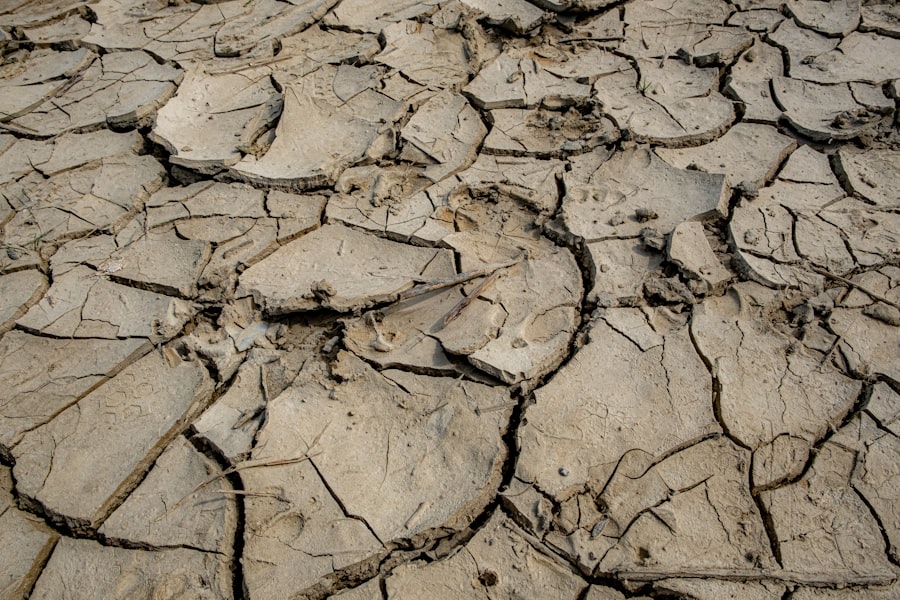
Climate collapse is rarely a purely environmental phenomenon; it is a social phenomenon, deeply intertwined with existing inequalities and power dynamics. When environmental stressors compound existing social tensions, the stage is often set for unrest and, ultimately, collapse.
The Growing Chasm: Inequality and Vulnerability
Ancient societies, like many today, were characterized by significant disparities in wealth and status. When environmental conditions deteriorated, it was often the poorest and most vulnerable segments of the population who bore the brunt of the hardship. This disproportionate impact could create resentment and instability. Imagine a tiered society where the lowest tiers collapse under a heavy rain while the higher tiers remain relatively dry; the imbalance is stark and unsustainable.
Famine, Migration, and Social Unrest
Periods of drought and crop failure frequently led to famine, forcing desperate populations to migrate in search of sustenance. These migrations could place immense pressure on new regions, leading to conflict with existing populations. Elites who failed to manage these social dynamics, or who exacerbated them through policies that favored the wealthy, often found themselves facing widespread unrest and rebellion.
The Bronze Age Collapse: A Confluence of Crises
The Late Bronze Age Collapse (roughly 1200 BCE) is a prime example of a period where climate change likely acted as a significant stressor, exacerbating existing vulnerabilities and contributing to the widespread disruption of numerous civilizations across the Eastern Mediterranean and Near East. Archeological and textual evidence points to a combination of factors, including prolonged droughts, disruption of trade routes, and widespread warfare, all of which likely fed into and off of each other.
The Role of Elites in Mitigating or Magnifying Conflict
The actions of elites during times of scarcity and social unrest were crucial. Did they seek to alleviate the suffering of their populace, or did they resort to repression and further exploitation?
Diplomacy and Trade: Mechanisms for Stability
Effective diplomacy and well-managed trade networks could help to mitigate the impact of localized environmental problems. Elites who fostered these relationships could ensure access to vital resources during times of crisis. Conversely, elites who engaged in aggressive expansionism or disrupted established trade routes often found themselves facing a cascade of negative consequences.
Internal Divisions: The Seeds of Decay
When elites were deeply divided amongst themselves, or when their authority was challenged by powerful factions, their ability to respond effectively to environmental and social crises was severely hampered. This internal fracturing could leave a society critically exposed.
The Legacy of Ruin: Lessons for the Modern World
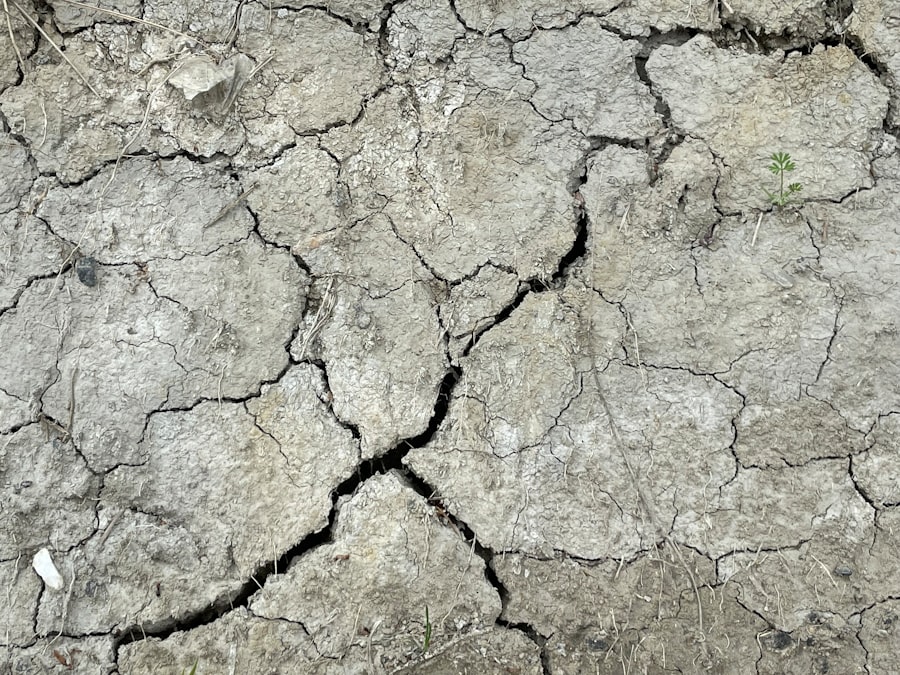
The study of ancient Elites and climate collapse is not merely an academic exercise. It provides us with a potent mirror, reflecting the potential consequences of our own actions and inactions in the face of contemporary environmental challenges. The patterns observed in the past are not deterministic, but they are undeniably instructive.
The Specter of Climate Change: A Familiar Threat
Today, humanity faces a climate crisis of unprecedented scale and speed. Rising global temperatures, more extreme weather events, and the degradation of ecosystems are not distant possibilities but present realities. The echoes of ancient droughts and societal collapses serve as a stark warning. Imagine a well-worn path, trodden by countless feet before ours, leading towards a precipice; the traces of those who fell are a grim testament to the dangers ahead.
The Role of Global Elites: Responsibility and Agency
The decisions made by the global elite today – governments, corporations, and influential individuals – have profound implications for our collective future. The choices regarding resource consumption, energy policy, and international cooperation will determine humanity’s ability to adapt to and mitigate climate change. Will today’s elites learn from the mistakes of their predecessors, or are we doomed to repeat them?
The Perils of Denial and Delay: A Familiar Trap
One of the most recurring themes in ancient collapses is the human tendency towards denial and delay in the face of impending crisis. Elites often resisted acknowledging the severity of environmental problems, prioritizing short-term gains and established power structures over necessary, albeit difficult, changes. This pattern of behavior, unfortunately, is palpable in some quarters of contemporary discourse.
Building Resilience: A Path Forward
The lessons from ancient societies are not solely about doom and gloom. They also highlight the elements that can foster resilience.
Sustainable Practices and Long-Term Thinking
The adoption of sustainable practices, a commitment to long-term ecological thinking, and the prioritization of environmental well-being over short-term economic growth are essential. This requires a shift in mindset, not just for the general populace, but crucially for those in positions of power.
Inclusive Governance and Social Equity
Societies that fostered a greater degree of inclusivity and social equity often demonstrated greater resilience. Addressing inequality and ensuring that all members of society have a stake in its well-being is a crucial component of any strategy for navigating future challenges.
The Power of Knowledge: Learning from the Past
Ultimately, the most powerful tool we possess is our capacity for learning. By diligently studying the past, by understanding the intricate dance between human societies and their environments, and by heeding the warnings etched in the ruins of bygone eras, we can forge a more resilient future. The past is not a script to be blindly followed, but a library of case studies, offering invaluable insights into the enduring challenges of power, prosperity, and the ever-present forces of nature. The choices made by ancient elites, though removed by millennia, hold a direct, undeniable resonance for the decisions that lie before us.
FAQs
What is meant by “ancient elites” in the context of climate collapse?
“Ancient elites” refers to the ruling classes or influential groups in historical societies who held political, economic, or religious power. These elites often controlled resources and decision-making during periods of environmental stress, including climate collapse.
How did climate collapse affect ancient civilizations?
Climate collapse typically involved significant environmental changes such as prolonged droughts, cooling or warming periods, and resource scarcity. These changes disrupted agriculture, trade, and social stability, often leading to the decline or transformation of ancient civilizations.
What evidence links ancient elites to climate collapse events?
Archaeological findings, historical records, and paleoclimate data show correlations between shifts in climate and changes in elite behavior, such as increased fortification, resource hoarding, or social unrest. Some studies suggest elites may have concealed or mismanaged information about environmental crises.
Why might ancient elites have hidden or downplayed climate collapse?
Elites may have hidden climate collapse to maintain social order, protect their status, or avoid panic. Controlling information about environmental stress could help them manage public perception and delay societal upheaval.
What lessons can modern societies learn from ancient elites’ responses to climate collapse?
Modern societies can learn the importance of transparency, adaptive governance, and equitable resource management during environmental crises. Understanding past failures to address climate change openly can inform better strategies to mitigate current and future climate risks.