
Energy acquisition has been essential to human civilization throughout history. Ancient power systems, though frequently underemphasized in technological histories, significantly influenced societal development. These systems extended beyond simple energy capture to become integral components of the cultural, spiritual, and economic structures of their respective communities.
Examples include Persian windmills and Roman water wheels, which established foundational principles for contemporary energy technologies. Examining these historical systems offers important perspectives on humanity’s environmental interactions and resource utilization strategies. Investigation of ancient power systems demonstrates extensive innovation and environmental adaptation.
Civilizations worldwide developed techniques to harness energy from natural sources, reflecting sophisticated environmental knowledge. This analysis examines the complex characteristics of ancient energy systems, including their functions, energy sources, engineering principles, cultural importance, and enduring influence. Study of these systems illuminates human ingenuity and adaptability when confronting environmental constraints.
Key Takeaways
- Ancient civilizations developed sophisticated power systems that integrated engineering, culture, and spirituality.
- Energy control played a crucial role in societal development and technological advancement in ancient times.
- Studying ancient energy systems reveals lost technologies and informs modern energy solutions.
- Preservation of these systems faces challenges but is vital for understanding historical environmental impacts.
- Ancient power practices continue to influence contemporary energy policies and sustainable development efforts.
The Role of Energy Control in Ancient Civilizations
Energy control was pivotal in the development and sustainability of ancient civilizations. Societies that mastered energy resources often found themselves at an advantage, enabling them to expand their territories, enhance agricultural productivity, and improve their overall quality of life. For instance, the Egyptians harnessed the power of the Nile River through irrigation systems that transformed arid land into fertile fields.
Similarly, in ancient China, the use of coal for heating and cooking marked a significant advancement in energy control. The Chinese developed sophisticated methods for mining and utilizing coal long before it became a staple in other parts of the world.
This early adoption of fossil fuels allowed for greater population densities and urbanization, as cities could support larger numbers of people with reliable energy sources. The ability to control energy resources thus became a defining characteristic of successful civilizations, influencing their social structures and economic systems.
Unearthing Ancient Power Sources
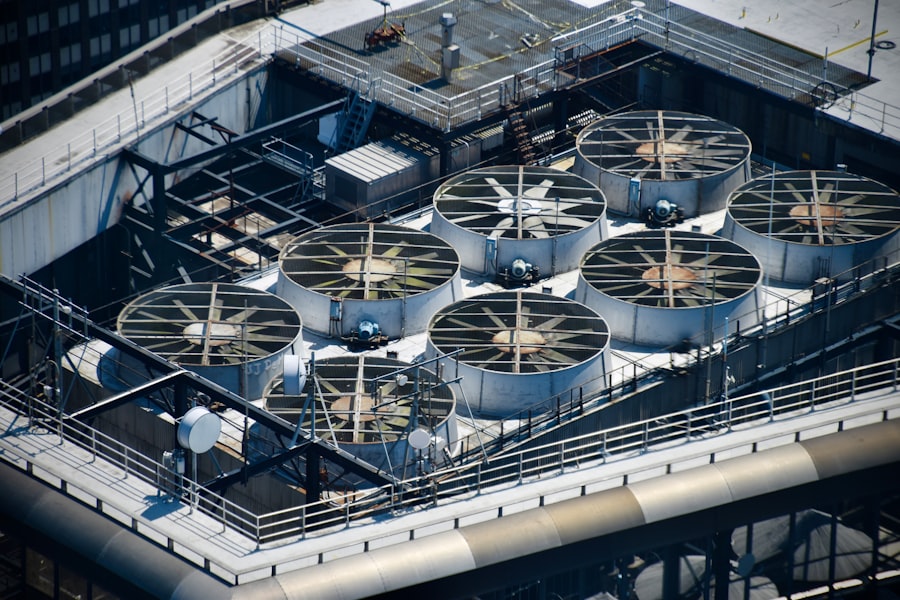
The study of ancient power sources reveals a diverse array of techniques and materials used by early societies to harness energy. Water, wind, solar, and biomass were among the primary sources exploited by these civilizations. The Greeks, for example, utilized wind power through the construction of windmills that ground grain and pumped water.
These early machines showcased an understanding of mechanical principles that would not be fully appreciated until centuries later. Archaeological discoveries have unearthed evidence of solar energy use in ancient cultures as well. The Inca civilization constructed structures aligned with the sun’s path to maximize warmth during cold nights.
Similarly, ancient Egyptians built their homes with thick walls to retain heat during the day while keeping interiors cool at night. These practices illustrate an intuitive grasp of solar energy’s potential long before modern technology made it a focal point in energy discussions.
The Engineering and Design of Ancient Energy Systems
The engineering prowess displayed in ancient energy systems is a testament to human innovation and adaptability. Ancient builders employed advanced techniques to create structures that could withstand environmental challenges while maximizing energy efficiency. The Roman aqueducts are a prime example; these monumental feats of engineering not only transported water over long distances but also utilized gravity to maintain flow rates, showcasing an understanding of hydraulics that was revolutionary for its time.
In addition to aqueducts, ancient civilizations developed intricate designs for windmills and water wheels that optimized energy capture.
This attention to detail allowed for efficient energy conversion, enabling societies to thrive on the resources available to them.
The legacy of these engineering feats continues to influence modern renewable energy technologies, as contemporary engineers draw inspiration from ancient designs.
Understanding the Cultural and Spiritual Significance of Ancient Power
| Ancient Civilization | Power System | Energy Source | Control Mechanism | Estimated Efficiency | Primary Use |
|---|---|---|---|---|---|
| Ancient Egypt | Water Wheels | Hydraulic (Nile River) | Manual adjustment of water flow | 20-30% | Irrigation and grain grinding |
| Ancient Greece | Windmills | Wind Energy | Orientation of sails | 15-25% | Grinding grain and pumping water |
| Ancient China | Chain Pumps | Human and Animal Power | Manual or animal-driven crank | 10-20% | Water lifting for irrigation |
| Roman Empire | Water Mills | Hydraulic (Rivers) | Water flow regulation via sluices | 25-35% | Grinding grain and sawing wood |
| Mesopotamia | Shaduf | Human Power | Counterweight lever system | 5-10% | Water lifting for irrigation |
Energy systems in ancient civilizations were not solely utilitarian; they held deep cultural and spiritual significance as well. Many societies viewed natural forces as manifestations of divine power, leading to rituals and practices aimed at appeasing these energies. For instance, the ancient Greeks worshipped gods associated with various elements—such as Poseidon for water and Aeolus for wind—reflecting their reverence for the forces that sustained their lives.
In addition to religious practices, energy systems often played a role in community identity and cohesion. Festivals celebrating harvests or successful irrigation projects brought people together, reinforcing social bonds and shared values. The construction of monumental structures like temples or pyramids often required collective effort and resource management, further embedding energy control within the cultural narrative.
Thus, ancient power systems were not just about survival; they were integral to the identity and continuity of civilizations.
The Legacy of Ancient Energy Control in Modern Technology
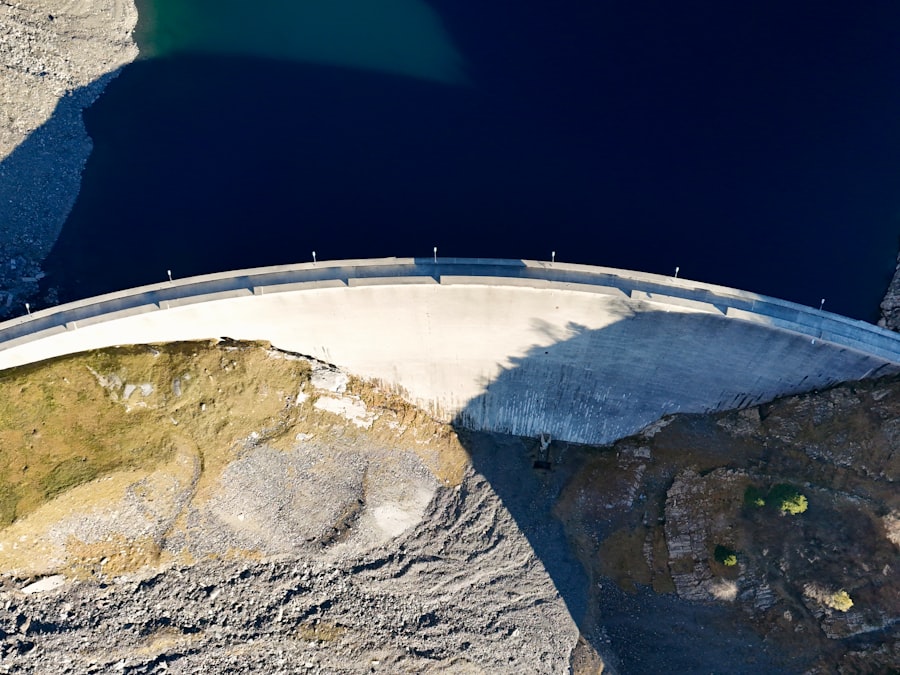
The legacy of ancient energy control is evident in modern technology, where many principles first explored by early civilizations continue to inform contemporary practices. The basic concepts behind windmills and water wheels have evolved into sophisticated turbines that generate electricity today. Similarly, ancient irrigation techniques have influenced modern agricultural practices, emphasizing sustainable water management in farming.
Moreover, the cultural significance attributed to energy sources in ancient times has sparked renewed interest in sustainable practices today. As societies grapple with climate change and resource depletion, there is a growing recognition of the need to return to some principles rooted in ancient wisdom—such as community-based resource management and respect for natural cycles. By studying ancient power systems, modern societies can glean valuable lessons on sustainability and resilience.
Challenges in Studying and Preserving Ancient Power Systems
Despite their importance, studying and preserving ancient power systems presents numerous challenges. Many sites have been lost to time due to natural disasters, urban development, or neglect. Archaeologists often face difficulties in locating remnants of these systems, as they may be buried beneath layers of sediment or obscured by modern infrastructure.
Additionally, funding constraints can limit excavation efforts and hinder comprehensive research. Preservation efforts are further complicated by the need to balance archaeological integrity with public interest. As sites become popular tourist destinations, there is a risk that overexposure could lead to degradation or destruction.
Striking a balance between education and conservation is essential for ensuring that future generations can appreciate these ancient innovations. Collaborative efforts between governments, local communities, and academic institutions are crucial for safeguarding these invaluable resources.
Examining the Environmental Impact of Ancient Energy Practices
While ancient power systems were often more sustainable than many modern practices, they still had environmental impacts that warrant examination. For instance, deforestation for fuel or agricultural expansion could lead to soil erosion and habitat loss. Similarly, large-scale irrigation projects sometimes resulted in salinization of soil or depletion of local water sources.
However, many ancient civilizations demonstrated remarkable adaptability in managing their environments sustainably. The Maya civilization practiced shifting agriculture and developed complex water management systems that minimized ecological disruption while maximizing productivity. By studying these practices, modern societies can learn valuable lessons about balancing human needs with environmental stewardship.
Uncovering the Mysteries of Lost Energy Technologies
Throughout history, numerous energy technologies have been lost or forgotten due to societal collapse or shifts in resource availability. The reasons behind these losses are often complex; they may involve changes in political structures, environmental conditions, or cultural values. For example, the decline of the Roman Empire led to a significant loss of engineering knowledge that took centuries to recover.
Archaeologists and historians continue to search for clues about these lost technologies through excavation and analysis of historical texts. Each discovery offers a glimpse into how past societies adapted their energy practices to meet their needs. By piecing together these fragments of history, researchers hope to uncover not only what was lost but also how those lessons can inform current energy challenges.
The Influence of Ancient Power Systems on Modern Energy Policies
Ancient power systems have left an indelible mark on contemporary energy policies as societies strive for sustainable solutions amid growing environmental concerns. Policymakers increasingly look to historical practices for inspiration on how to manage resources responsibly while meeting modern demands. For instance, community-based approaches to resource management seen in ancient cultures are being revisited as models for contemporary governance.
Furthermore, the emphasis on renewable energy sources echoes principles established by ancient civilizations that relied on wind, water, and solar power long before fossil fuels became dominant. As nations grapple with climate change and seek alternatives to carbon-intensive energy sources, there is a renewed appreciation for the wisdom embedded in ancient practices.
Preserving and Learning from Ancient Energy Systems for the Future
The preservation of ancient power systems is not merely an academic pursuit; it holds significant implications for future generations facing pressing energy challenges. By studying these systems, modern societies can glean insights into sustainable practices that prioritize ecological balance while meeting human needs. Collaborative efforts between archaeologists, historians, engineers, and policymakers are essential for ensuring that this knowledge is not lost.
Moreover, integrating lessons from ancient energy systems into contemporary education can foster a deeper understanding of humanity’s relationship with nature. By instilling respect for traditional practices alongside modern innovations, future leaders may be better equipped to navigate the complexities of energy management in an increasingly interconnected world. Ultimately, preserving and learning from ancient power systems offers a pathway toward a more sustainable future—one that honors both history and innovation.
In exploring the fascinating world of ancient power systems and energy control, one can gain valuable insights from the article available on the Lore and Order website. This resource delves into the intricate methods used by ancient civilizations to harness and manage energy, shedding light on their innovative techniques and technologies. For more information, you can read the article [here](https://www.realloreandorder.com/).
WATCH THIS! The Impossible Technology They Erased From History
FAQs
What were ancient power systems?
Ancient power systems refer to the methods and technologies used by early civilizations to generate, harness, and control energy for various purposes such as agriculture, construction, and daily life. These systems often relied on natural forces like water, wind, and animal power.
How did ancient civilizations control energy?
Ancient civilizations controlled energy by developing tools and mechanisms such as water wheels, windmills, pulleys, and levers. They also used architectural designs to optimize natural energy sources, like solar orientation and ventilation.
What types of energy sources were used in ancient times?
Common energy sources in ancient times included human and animal muscle power, water flow (hydropower), wind, firewood, and solar energy. These sources were harnessed through various mechanical and structural innovations.
What is an example of an ancient power system?
One example is the water wheel, used by ancient Greeks and Romans to grind grain and pump water. Another example is the qanat system, an underground channel used in Persia to transport water for irrigation.
How did ancient power systems influence modern energy control?
Ancient power systems laid the foundation for modern engineering and energy technologies by demonstrating principles of mechanics, hydraulics, and renewable energy use. Many modern devices and systems evolved from these early innovations.
Were ancient power systems sustainable?
Many ancient power systems were sustainable as they utilized renewable energy sources like water and wind, and relied on natural cycles. However, some practices, such as deforestation for fuel, had environmental impacts.
Did ancient cultures have knowledge of electricity?
While ancient cultures did not have a scientific understanding of electricity as we do today, there is evidence that some civilizations, like the ancient Greeks, experimented with static electricity and simple electrical phenomena.
How was energy stored in ancient times?
Energy storage in ancient times was limited and mostly mechanical, such as storing water in reservoirs or using elevated weights. Chemical energy storage, like fuel reserves, was also common.
What role did energy control play in ancient societies?
Energy control was crucial for agriculture, transportation, construction, and daily living. Efficient energy use allowed societies to grow, develop infrastructure, and improve quality of life.
Are there any surviving ancient power systems today?
Yes, some ancient power systems, like water mills and qanats, are still in use or preserved as historical sites, demonstrating the durability and ingenuity of ancient energy control methods.