
Throughout history, ancient societies have been profoundly influenced by the natural world, particularly by the climate cycles that shaped their environments. These cycles, characterized by variations in temperature, precipitation, and seasonal patterns, played a crucial role in determining the viability of agricultural practices, settlement patterns, and social structures.
The study of ancient societies provides valuable insights into how human beings have historically interacted with their environment, revealing a complex tapestry of resilience and innovation in the face of climatic challenges. The significance of climate cycles extends beyond mere survival; they have also shaped cultural identities and social hierarchies. As communities faced periods of drought or abundance, their responses varied widely, leading to the development of distinct agricultural techniques, trade networks, and even religious practices.
By examining these ancient responses to climate fluctuations, modern scholars can glean lessons about sustainability, adaptability, and the intricate relationship between humans and their environment. This exploration not only enriches our understanding of history but also offers critical perspectives on contemporary issues related to climate change.
Key Takeaways
- Ancient societies were deeply influenced by recurring climate cycles, which shaped their development and survival strategies.
- Archaeological findings reveal how these societies adapted their agriculture, migration, and settlements in response to changing climates.
- Trade networks and cultural practices often evolved as mechanisms to cope with environmental stresses caused by climate fluctuations.
- Technological innovations and shifts in social-political structures were critical for ancient communities to manage climate-related challenges.
- Studying ancient responses to climate cycles offers valuable insights for modern societies facing similar environmental uncertainties.
Understanding Climate Cycles and Their Impact on Ancient Societies
Climate cycles are natural phenomena that occur over varying time scales, influencing weather patterns and environmental conditions. These cycles can be short-term, such as seasonal changes, or long-term, spanning decades or even centuries. For ancient societies, understanding these cycles was essential for agricultural planning and resource management.
The ability to predict seasonal rains or droughts could mean the difference between prosperity and famine. Consequently, many civilizations developed sophisticated methods for observing and interpreting climatic patterns, often integrating this knowledge into their agricultural calendars and societal structures. The impact of climate cycles on ancient societies was multifaceted.
For instance, during periods of favorable climate, populations could flourish, leading to increased agricultural output and the growth of cities. Conversely, adverse climatic conditions could trigger food shortages, social unrest, and even the collapse of entire civilizations. The interplay between climate and societal development is evident in various historical contexts, from the rise of the Mesopotamian empires during the Holocene climatic optimum to the decline of the Maya civilization during prolonged droughts.
Understanding these dynamics is crucial for comprehending how ancient peoples navigated their environments and adapted to changing conditions.
Archaeological Evidence of Ancient Societies’ Response to Climate Cycles
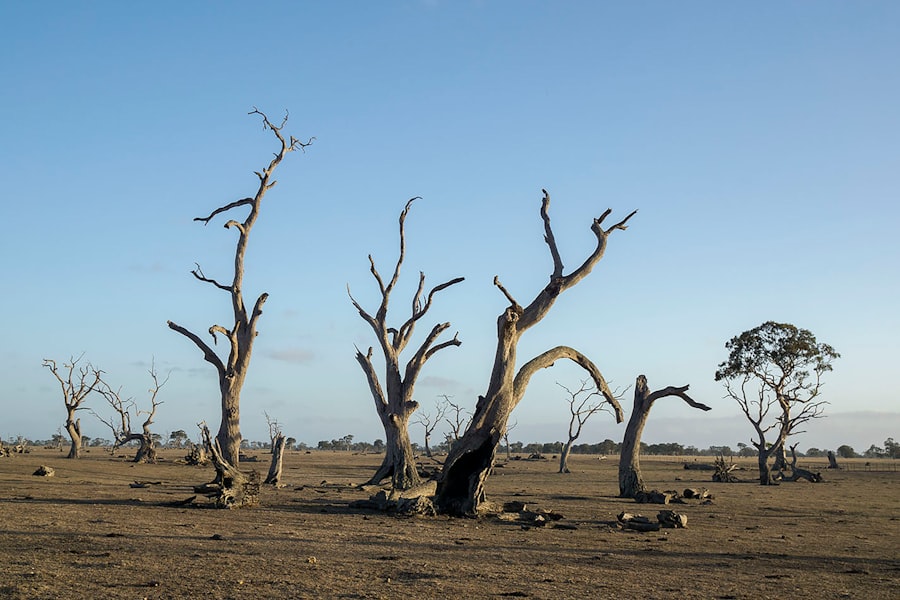
Archaeological research has unearthed a wealth of evidence illustrating how ancient societies responded to climate cycles. Excavations of ancient settlements often reveal patterns in architecture, agricultural practices, and resource management that correlate with climatic changes. For example, in regions like the American Southwest, archaeologists have discovered that the Ancestral Puebloans adapted their irrigation techniques in response to shifting rainfall patterns.
The construction of complex canal systems allowed them to maximize water usage during dry spells, showcasing their ingenuity in overcoming environmental challenges. Moreover, artifacts such as pottery, tools, and food remains provide insights into dietary changes linked to climate fluctuations. In some cases, shifts in crop cultivation can be traced through pollen analysis in sediment cores, revealing how societies adjusted their agricultural practices in response to changing environmental conditions.
This archaeological evidence not only highlights the resilience of ancient peoples but also underscores the importance of adaptability in ensuring survival amidst unpredictable climate cycles.
Agricultural Practices and Adaptations to Climate Cycles
Agriculture served as the backbone of many ancient societies, making it imperative for these communities to develop practices that could withstand the vicissitudes of climate cycles. In regions prone to drought, such as parts of North Africa and the Middle East, ancient farmers employed techniques like dry farming and crop rotation to optimize yields despite limited water availability. These methods not only conserved soil moisture but also enhanced soil fertility over time, allowing communities to sustain themselves even during challenging climatic periods.
In contrast, areas with more reliable rainfall patterns saw the emergence of intensive farming practices. The ancient Egyptians, for instance, capitalized on the annual flooding of the Nile River to irrigate their fields. This predictable cycle allowed them to cultivate staple crops like wheat and barley with remarkable efficiency.
However, when climate anomalies disrupted these patterns—such as during periods of drought or excessive flooding—these societies had to innovate rapidly. The development of storage facilities for surplus grain became crucial for mitigating food shortages during lean years, demonstrating how agricultural adaptations were directly tied to climate variability.
Migration Patterns and Settlements in Response to Climate Cycles
| Climate Cycle | Time Period | Ancient Society | Impact on Society | Evidence/Metric |
|---|---|---|---|---|
| Holocene Climate Optimum | 9,000 – 5,000 BCE | Neolithic Societies (e.g., Fertile Crescent) | Expansion of agriculture and settlement due to warmer, wetter conditions | Increased pollen counts, lake sediment cores |
| 4.2 Kiloyear Event | c. 2200 BCE | Old Kingdom Egypt, Akkadian Empire | Severe drought leading to societal collapse and famine | Speleothem isotopic data, tree ring drought records |
| Medieval Warm Period | 950 – 1250 CE | Viking Settlements in Greenland | Expansion of Norse settlements due to milder climate | Ice core temperature proxies, historical records |
| Little Ice Age | 1300 – 1850 CE | European and Native American Societies | Crop failures, famines, and social unrest due to cooler temperatures | Glacier advance data, tree ring temperature reconstructions |
| Younger Dryas | c. 12,900 – 11,700 BCE | Late Paleolithic Hunter-Gatherers | Rapid cooling causing shifts in migration and subsistence patterns | Ice core oxygen isotope ratios, sediment layers |
Migration has been a fundamental aspect of human history, often driven by environmental factors such as climate cycles. As resources became scarce due to prolonged droughts or other climatic shifts, entire communities were compelled to relocate in search of more hospitable environments. The movement of peoples not only reshaped demographic landscapes but also facilitated cultural exchanges that enriched societies across regions.
For example, the collapse of the Classic Maya civilization is often attributed to a series of severe droughts that rendered large areas uninhabitable. As agricultural productivity declined, many Maya groups migrated to more fertile regions or adapted their lifestyles to survive in harsher conditions. Similarly, the Viking expansion into Greenland and North America during warmer climatic periods illustrates how favorable conditions can spur migration and settlement in previously uninhabitable areas.
These patterns underscore the dynamic relationship between climate cycles and human mobility throughout history.
Trade and Exchange Networks in Ancient Societies and Their Response to Climate Cycles
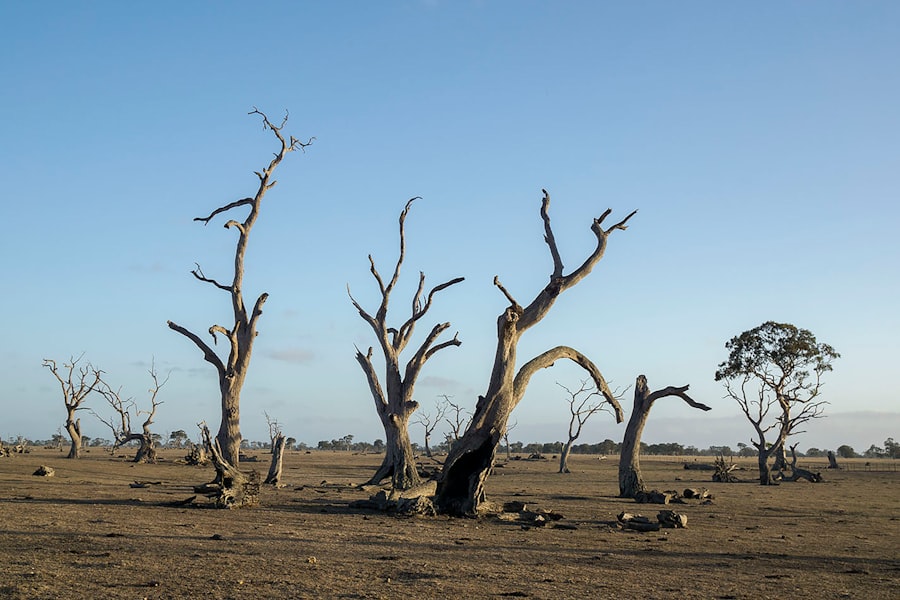
Trade networks played a vital role in ancient societies’ responses to climate cycles by facilitating the exchange of goods and resources across vast distances. When local agricultural production faltered due to adverse climatic conditions, communities often relied on trade to obtain essential supplies. This interdependence fostered relationships between different cultures and regions, allowing for the sharing of knowledge and resources that could mitigate the impacts of climate variability.
For instance, during periods of drought in Mesopotamia, trade routes expanded as communities sought grain from neighboring regions with more favorable conditions. The establishment of trade networks not only provided access to vital resources but also encouraged technological innovations in transportation and storage methods. The ability to move goods efficiently became increasingly important as societies adapted to fluctuating climates, highlighting how trade served as a lifeline during challenging times.
Cultural and Religious Practices in Relation to Climate Cycles
Cultural and religious practices in ancient societies were often deeply intertwined with their understanding of climate cycles. Many civilizations developed rituals and beliefs centered around agricultural cycles, seasonal changes, and natural phenomena. These practices served not only as a means of coping with uncertainty but also as a way to foster community cohesion in times of hardship.
Similarly, many indigenous cultures around the world held ceremonies to honor deities associated with rain or fertility, reflecting their reliance on favorable climatic conditions for survival. These cultural expressions provided a framework for understanding and responding to environmental challenges while reinforcing social bonds within communities.
Technological Innovations and Adaptations in Ancient Societies
Technological innovations were crucial for ancient societies as they sought to adapt to changing climate cycles. From advancements in irrigation techniques to the development of new agricultural tools, these innovations enabled communities to enhance productivity and resilience in the face of environmental challenges. For instance, the invention of plows allowed for more efficient tilling of soil, while improvements in water management systems facilitated agriculture even in arid regions.
Moreover, technological adaptations extended beyond agriculture. In response to shifting climatic conditions, ancient societies developed new building materials and architectural designs that improved insulation against extreme temperatures or heavy rainfall. The use of adobe bricks in desert regions exemplifies how communities harnessed local resources to create structures that could withstand harsh climates.
These innovations not only ensured survival but also laid the groundwork for future advancements in technology and infrastructure.
Social and Political Structures in Response to Climate Cycles
The impact of climate cycles on social and political structures within ancient societies cannot be overstated. As environmental conditions fluctuated, communities often reorganized themselves politically to better manage resources and respond effectively to challenges. In times of crisis—such as prolonged droughts or food shortages—leaders emerged who could coordinate collective efforts for survival.
In some cases, centralized political systems developed as a response to environmental pressures. For example, the rise of powerful city-states in Mesopotamia can be attributed in part to the need for coordinated irrigation projects that required collective governance. Conversely, when resources became scarce due to adverse climatic conditions, social hierarchies could shift dramatically as competition for limited resources intensified.
This dynamic interplay between climate cycles and social organization highlights how environmental factors shaped governance structures throughout history.
Lessons from Ancient Societies’ Response to Climate Cycles for Modern Society
The study of ancient societies’ responses to climate cycles offers valuable lessons for contemporary society grappling with similar challenges posed by climate change. One key takeaway is the importance of adaptability; ancient peoples demonstrated remarkable resilience through innovation and resourcefulness when faced with environmental shifts. Modern societies can learn from these historical examples by prioritizing sustainable practices that promote ecological balance while ensuring food security.
Additionally, understanding the interconnectedness of trade networks can inform current approaches to global resource management. Just as ancient communities relied on trade during times of scarcity, modern nations must foster collaboration and exchange to address pressing issues related to climate change and resource depletion. By drawing on historical precedents, contemporary society can develop strategies that enhance resilience while promoting social cohesion in an increasingly interconnected world.
Relevance of Studying Ancient Societies’ Response to Climate Cycles
In conclusion, studying ancient societies’ responses to climate cycles provides invaluable insights into human adaptability and resilience throughout history. The intricate relationship between climate fluctuations and societal development underscores the importance of understanding environmental dynamics in shaping cultural identities and social structures. As modern society faces unprecedented challenges related to climate change, these historical lessons become increasingly relevant.
By examining how ancient peoples navigated their environments through innovation, collaboration, and cultural expression, contemporary society can glean strategies for fostering sustainability and resilience in an ever-changing world. Ultimately, the legacy of ancient societies serves as a reminder that humanity’s relationship with nature is both complex and enduring—a relationship that continues to evolve as we confront new environmental realities today.
In exploring the intricate relationship between climate cycles and ancient societies, one can gain valuable insights from the article available at this link. The article delves into how fluctuations in climate have historically influenced the rise and fall of civilizations, shedding light on the adaptive strategies employed by these societies in response to environmental changes.
WATCH THIS! 🏛️ Empires Didn’t Collapse—They Got Erased: The Pattern Nobody Sees
FAQs
What are climate cycles?
Climate cycles refer to natural patterns of change in the Earth’s climate over various timescales, ranging from decades to millennia. These cycles can include fluctuations in temperature, precipitation, and atmospheric conditions caused by factors such as solar radiation variations, volcanic activity, and ocean currents.
How have climate cycles affected ancient societies?
Climate cycles have significantly influenced ancient societies by impacting agriculture, water availability, and habitability. Periods of drought or cooling could lead to crop failures, food shortages, and social stress, while favorable climate conditions often supported population growth and cultural development.
Can you give examples of ancient societies affected by climate cycles?
Yes, for example, the collapse of the Maya civilization around 900 CE has been linked to prolonged droughts. Similarly, the decline of the Akkadian Empire in Mesopotamia is associated with a severe drought period. These examples illustrate how climate variability played a role in shaping historical societal changes.
How do scientists study past climate cycles?
Scientists study past climate cycles using proxy data such as ice cores, tree rings, sediment layers, and fossil records. These proxies provide information about temperature, precipitation, and atmospheric composition from periods before modern instruments existed.
What is the significance of understanding climate cycles in relation to ancient societies?
Understanding climate cycles helps researchers comprehend how environmental changes influenced human history, including migration, societal collapse, and technological adaptation. This knowledge can also inform current climate resilience strategies by learning from past human responses to climate variability.
Are climate cycles predictable?
Some climate cycles, like the Milankovitch cycles related to Earth’s orbital changes, are predictable over long timescales. However, shorter-term climate variability can be influenced by complex and sometimes unpredictable factors, making precise predictions challenging.
Did ancient societies have ways to adapt to climate cycles?
Yes, many ancient societies developed adaptive strategies such as irrigation systems, crop diversification, and social organization changes to cope with climate variability. However, the effectiveness of these adaptations varied depending on the severity and duration of climate events.
How does the study of ancient climate cycles relate to modern climate change?
Studying ancient climate cycles provides context for current climate change by showing natural variability and human-environment interactions over time. It highlights the potential impacts of rapid climate shifts and the importance of sustainable adaptation measures today.