
Ancient tool marks provide direct evidence of early human technological practices and manufacturing techniques. These marks, preserved on stone, wood, metal, and other materials, enable archaeologists to identify specific tools and reconstruct the methods used by ancient craftspeople. Through systematic analysis of these surface modifications, researchers can determine tool types, manufacturing processes, and the skill levels required for various tasks.
Tool marks function as archaeological indicators that reveal information about ancient societies’ technological capabilities and cultural practices. Each mark represents specific techniques, material choices, and functional requirements characteristic of particular time periods and geographic regions. Scientific examination of these marks allows researchers to trace technological development, identify trade relationships, and understand the organization of craft production in ancient communities.
The analysis of tool marks contributes to broader archaeological understanding by providing quantifiable data about past human behavior. This evidence helps establish chronological sequences of technological innovation and documents the transmission of knowledge between generations and cultures. Such research enhances our comprehension of human technological evolution and the development of specialized craftsmanship in ancient societies.
Key Takeaways
- Ancient tool marks provide valuable insights into the techniques and tools used by early craftsmen.
- Various analytical methods help identify and interpret the characteristics of tool marks on artifacts.
- Studying tool marks aids in understanding technological advancements across different historical periods.
- Preservation of tool marks at archaeological sites is crucial for accurate historical and cultural interpretation.
- Ongoing research continues to uncover new information about ancient technologies and social contexts through tool mark analysis.
Methods of Analysis
The analysis of ancient tool marks employs a variety of methods that combine both scientific techniques and traditional archaeological practices. One of the primary approaches involves visual examination, where researchers meticulously inspect artifacts under magnification to identify distinct patterns and characteristics. This initial observation can reveal crucial information about the type of tool used, the technique employed, and even the skill level of the craftsman.
High-resolution photography and digital imaging further enhance this process, allowing for detailed documentation and comparison of tool marks across different artifacts. In addition to visual analysis, researchers often utilize experimental archaeology to replicate ancient techniques. By recreating tools and processes based on existing marks, they can gain insights into how specific techniques were executed.
This hands-on approach not only validates hypotheses about ancient practices but also fosters a deeper understanding of the physicality involved in crafting objects. Furthermore, advancements in technology have introduced methods such as scanning electron microscopy (SEM) and three-dimensional imaging, which provide unprecedented detail in analyzing surface textures and micro-wear patterns. These scientific techniques complement traditional methods, enriching the overall understanding of ancient tool marks.
Tools Used in Ancient Times

The tools employed by ancient craftsmen varied widely depending on the materials they worked with and the tasks they undertook. Stone tools, for instance, were among the earliest implements used by humans, with flint knapping techniques producing sharp edges for cutting and scraping. These tools were essential for survival, aiding in hunting, food preparation, and shelter construction.
The craftsmanship involved in creating these tools reflects a deep understanding of material properties and an ability to manipulate them effectively. As societies evolved, so too did their tools. The advent of metallurgy introduced new materials such as bronze and iron, leading to more sophisticated implements.
Metalworking techniques allowed for greater precision and durability in tools, which in turn facilitated advancements in agriculture, construction, and artistry. The diversity of tools across different cultures and time periods highlights not only technological progress but also the adaptability of human ingenuity in response to environmental challenges and societal needs.
Case Studies of Tool Marks
Several notable case studies illustrate the significance of tool marks in understanding ancient practices. One such example is the analysis of Neolithic stone tools found in various archaeological sites across Europe. Researchers have identified distinct patterns in the wear and tear on these tools, indicating specific uses such as butchering animals or processing plant materials.
By correlating these findings with environmental data, archaeologists can reconstruct dietary habits and subsistence strategies of Neolithic communities. Another compelling case study involves the examination of pottery from ancient Mesopotamia. Tool marks on ceramic surfaces provide insights into the techniques used by potters, including wheel-throwing and hand-building methods.
The presence of specific tool marks can also indicate trade relationships between different regions, as similar styles and techniques emerge across vast distances. These case studies exemplify how tool marks serve as critical evidence for reconstructing past lifestyles, economies, and cultural exchanges.
Significance of Tool Marks in Archaeology
| Metric | Description | Measurement Method | Typical Range | Significance |
|---|---|---|---|---|
| Striation Width | Width of linear marks left by tool edges | Microscopic measurement using SEM or optical microscope | 5 – 50 micrometers | Indicates type of tool and material hardness |
| Striation Depth | Depth of grooves or cuts made by tools | 3D profilometry or confocal microscopy | 1 – 20 micrometers | Helps differentiate between tool types and usage force |
| Tool Edge Radius | Radius of curvature of the cutting edge | SEM imaging and image analysis software | 10 – 200 micrometers | Determines sharpness and manufacturing technique |
| Cutting Angle | Angle between tool edge and worked surface | Goniometer or image analysis | 20° – 60° | Relates to tool function and efficiency |
| Striation Pattern | Arrangement and orientation of tool marks | Visual inspection and pattern recognition software | Linear, parallel, cross-hatched | Indicates motion type and tool handling |
| Material Residue | Microscopic particles left on tool marks | EDS (Energy Dispersive X-ray Spectroscopy) | Trace amounts | Identifies worked material and tool use context |
| Wear Facet Size | Area of worn surface on tool edge | Optical microscopy and image analysis | 0.1 – 5 mm² | Indicates duration and intensity of tool use |
The significance of tool marks in archaeology cannot be overstated. They serve as tangible evidence of human activity, offering clues about technological advancements and cultural practices throughout history. By studying these marks, archaeologists can piece together narratives that reveal how ancient societies interacted with their environments and each other.
This understanding is crucial for constructing a comprehensive picture of human development over millennia. Moreover, tool marks can help establish chronological frameworks for archaeological sites. By analyzing the styles and techniques associated with specific time periods, researchers can date artifacts more accurately and understand their place within broader historical contexts.
This chronological insight is essential for interpreting the evolution of technology and craftsmanship across different cultures and epochs.
Uncovering the Techniques of Ancient Craftsmen
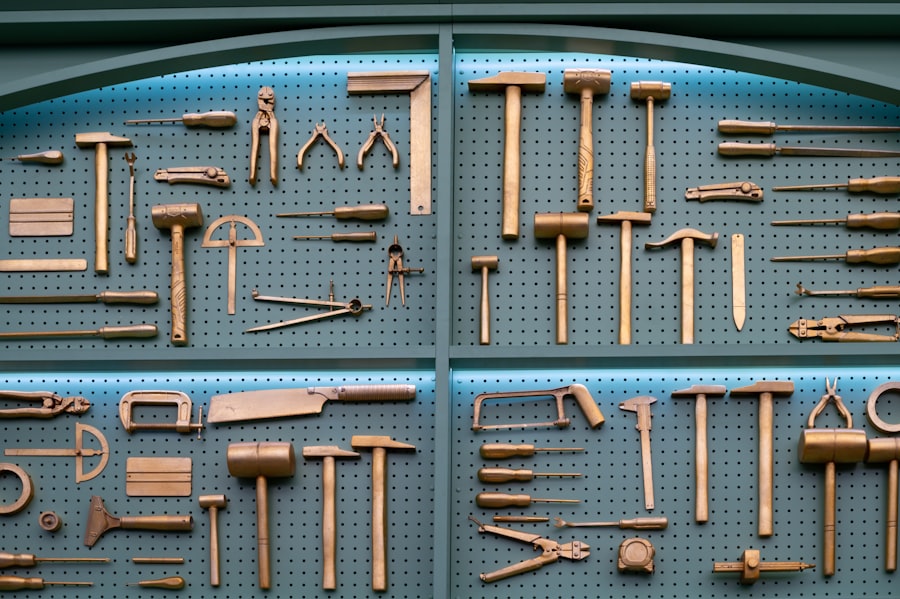
Uncovering the techniques employed by ancient craftsmen through tool marks provides a glimpse into their creative processes and problem-solving abilities. Each mark left on an artifact is a testament to the skill and knowledge possessed by its creator. For instance, variations in chisel marks on stone sculptures can indicate different carving techniques or even changes in artistic style over time.
By studying these nuances, researchers can identify regional differences in craftsmanship and trace the evolution of artistic traditions. Additionally, understanding these techniques allows archaeologists to appreciate the learning processes involved in passing down knowledge from one generation to another. The replication of tool marks through experimental archaeology not only sheds light on practical skills but also highlights the importance of mentorship and apprenticeship in ancient societies.
This exploration reveals that craftsmanship was not merely a means to an end; it was an integral part of cultural identity and community cohesion.
Comparing Tool Marks from Different Time Periods
Comparing tool marks from different time periods offers valuable insights into technological advancements and shifts in cultural practices. For example, examining tool marks from the Paleolithic era alongside those from the Neolithic period reveals significant changes in material use and crafting techniques. The transition from stone to metal tools marked a pivotal moment in human history, influencing everything from agricultural practices to warfare.
Furthermore, such comparisons can illuminate broader social changes within communities.
By analyzing these patterns over time, researchers can better understand how societies adapted to challenges and opportunities presented by their surroundings.
The Role of Tool Marks in Understanding Ancient Technology
Tool marks play a crucial role in understanding ancient technology by providing direct evidence of how tools were made and used. They offer insights into the materials available to ancient craftsmen and their innovative approaches to problem-solving. For instance, specific wear patterns on tools can indicate not only their function but also the level of expertise required to create them.
As cultures interacted through trade or conquest, they often exchanged knowledge about tools and techniques. By analyzing similarities in tool marks across different geographical areas, archaeologists can identify instances of cultural exchange and technological transfer that shaped human history.
Preservation of Tool Marks in Archaeological Sites
The preservation of tool marks within archaeological sites is vital for future research endeavors. Factors such as soil composition, climate conditions, and burial practices all influence how well these marks are preserved over time. In some cases, organic materials may decay rapidly while stone or metal artifacts endure for millennia, leading to uneven preservation across different sites.
Efforts to protect these fragile remnants are essential for ensuring that future generations can study them. Archaeologists often employ careful excavation techniques to minimize damage to artifacts while documenting their context thoroughly. Additionally, advancements in conservation methods have improved the ability to preserve delicate tool marks for analysis long after they have been unearthed.
Interpreting the Cultural and Social Context of Tool Marks
Interpreting the cultural and social context surrounding tool marks enriches our understanding of ancient societies. These marks are not merely functional; they are imbued with meaning that reflects the values, beliefs, and practices of their creators. For example, certain decorative elements found alongside tool marks may indicate ritualistic significance or social status within a community.
Furthermore, analyzing tool marks within their broader archaeological context allows researchers to explore issues such as gender roles in craftsmanship or the division of labor within societies. By examining who created specific tools and for what purposes, archaeologists can gain insights into social hierarchies and community dynamics that shaped daily life in ancient times.
Future Research and Discoveries in Analyzing Ancient Tool Marks
The future of research into ancient tool marks holds great promise as new technologies continue to emerge. Innovations such as artificial intelligence and machine learning may enable researchers to analyze vast datasets more efficiently, identifying patterns that were previously overlooked. Additionally, interdisciplinary collaborations between archaeologists, materials scientists, and artists could lead to groundbreaking discoveries about ancient craftsmanship.
As scholars continue to explore the significance of tool marks within various cultural contexts, they will undoubtedly uncover new narratives that challenge existing paradigms about human history. The ongoing study of these imprints not only enhances our understanding of technological evolution but also deepens our appreciation for the creativity and resilience that define humanity’s journey through time.
Ancient tool marks analysis provides valuable insights into the techniques and technologies used by our ancestors. For a deeper understanding of this fascinating subject, you can explore a related article that discusses various methodologies and findings in the field. Check it out here: Ancient Tool Marks Analysis.
WATCH THIS! The Impossible Technology They Erased From History
FAQs
What is ancient tool marks analysis?
Ancient tool marks analysis is the study of marks or impressions left on artifacts, bones, or other materials by tools used in ancient times. This analysis helps archaeologists and researchers understand the types of tools used, their manufacturing techniques, and the activities performed by past cultures.
Why is tool marks analysis important in archaeology?
Tool marks analysis provides valuable information about the technology, craftsmanship, and daily life of ancient peoples. It can reveal how tools were made and used, the materials they worked on, and can even help identify cultural or chronological differences between archaeological sites.
What methods are used to analyze ancient tool marks?
Common methods include microscopic examination, 3D imaging, and comparison with experimental tool marks made using replica tools. Techniques such as scanning electron microscopy (SEM) and photogrammetry are also employed to capture detailed images of the marks.
Can tool marks help identify the type of tool used?
Yes, different tools leave distinctive marks based on their shape, material, and use. By studying the size, shape, and pattern of the marks, analysts can often determine whether a tool was made of stone, metal, bone, or other materials, and identify specific tool types like chisels, knives, or scrapers.
Are tool marks analysis results always definitive?
While tool marks analysis can provide strong evidence about tool use and manufacture, results are often interpreted within a broader archaeological context. Factors such as post-depositional damage or overlapping marks can complicate interpretations, so conclusions are made cautiously.
What materials can show ancient tool marks?
Tool marks can be found on a variety of materials including stone, bone, wood, metal, ceramics, and even soft materials like leather. The preservation of these marks depends on environmental conditions and the material’s durability.
How does experimental archaeology relate to tool marks analysis?
Experimental archaeology involves recreating ancient tools and using them to produce marks on materials. These experimental marks are then compared to archaeological specimens to better understand the techniques and tools used in the past.
Can tool marks analysis help in dating artifacts?
While tool marks themselves do not provide direct dates, they can assist in relative dating by linking artifacts to known technological periods or cultural phases based on the style and technology of the tools inferred from the marks.
Is tool marks analysis used outside archaeology?
Yes, tool marks analysis is also used in forensic science to identify tools involved in crimes, in art conservation to study tool use in artworks, and in materials science to understand wear and manufacturing processes.