
Ancient water management systems were crucial to the survival and prosperity of early civilizations. These systems, which included aqueducts, canals, and reservoirs, were designed to harness and distribute water efficiently, ensuring that communities had access to this vital resource. The ability to manage water effectively allowed societies to thrive in otherwise inhospitable environments, transforming arid landscapes into fertile agricultural zones.
The ingenuity displayed in these ancient systems not only reflects the technological capabilities of the time but also highlights the deep understanding that early humans had of their environment and the necessity of water for sustaining life. Moreover, the significance of these ancient systems extends beyond mere survival; they played a pivotal role in shaping social structures and economic development. As communities grew and agricultural practices advanced, the demand for reliable water sources increased.
This led to the establishment of complex governance systems to oversee water distribution and management. The construction and maintenance of these infrastructures required collaboration and organization, fostering a sense of community and shared responsibility among the inhabitants. Thus, ancient water management systems were not just engineering feats; they were foundational elements that influenced the cultural and social dynamics of early civilizations.
Key Takeaways
- Ancient water management systems were crucial for the survival and development of ancient civilizations.
- Water played a central role in the daily lives, agriculture, and religious practices of ancient societies.
- Identifying ancient water management systems requires a multidisciplinary approach, including archaeology, hydrology, and anthropology.
- Ancient civilizations used various techniques such as aqueducts, reservoirs, and irrigation systems for water management.
- The impact of ancient water management systems on society can still be seen today in the form of cultural practices and infrastructure.
The Role of Water in Ancient Civilizations
Water was the lifeblood of ancient civilizations, serving as a critical resource for agriculture, trade, and daily life. In regions such as Mesopotamia, the Nile Valley, and the Indus River basin, access to water determined the success or failure of entire societies. The fertile lands along riverbanks allowed for the cultivation of crops, which in turn supported larger populations and led to the development of cities.
The relationship between water and agriculture was symbiotic; as farming techniques improved, so too did the methods for managing water resources, creating a cycle of growth and innovation. In addition to its agricultural significance, water also played a vital role in trade and transportation.
This connectivity allowed for cultural exchange and economic interaction between different regions, contributing to the rise of complex trade networks. Furthermore, water sources often became focal points for settlement, leading to the establishment of cities that thrived on commerce and cultural exchange. Thus, water was not merely a resource; it was a catalyst for civilization itself.
Identifying Ancient Water Management Systems
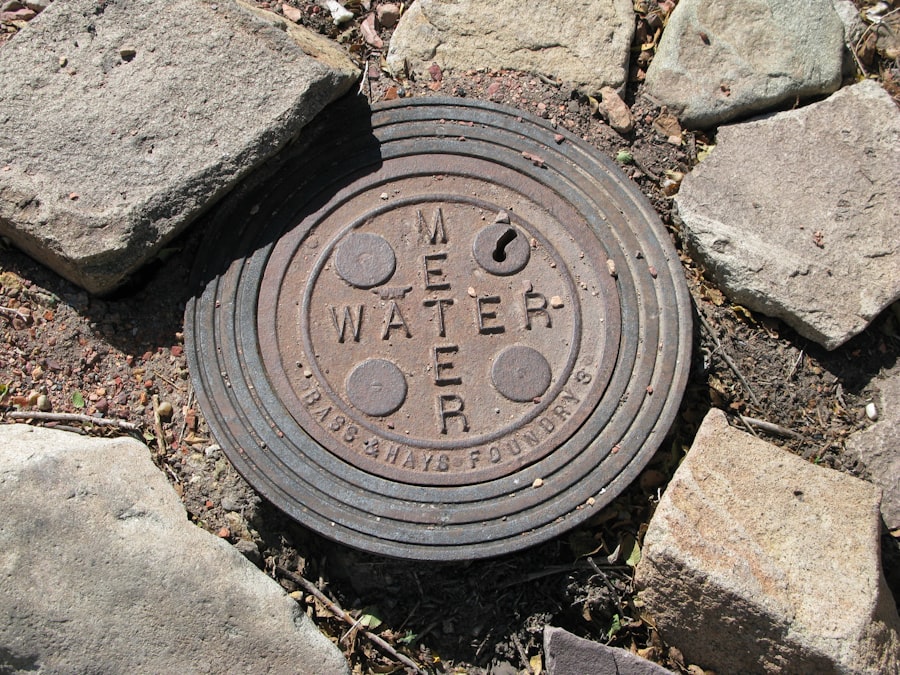
Identifying ancient water management systems requires a multidisciplinary approach that combines archaeology, history, and environmental science. Researchers often begin by examining historical texts and records that provide insights into how ancient societies managed their water resources. These documents can reveal information about specific techniques used, the scale of infrastructure projects, and the societal implications of water management practices.
However, written records are often scarce or incomplete, necessitating a reliance on archaeological evidence. Archaeologists employ various methods to uncover remnants of ancient water management systems. Ground-penetrating radar, aerial photography, and satellite imagery can reveal hidden structures such as canals or reservoirs that may not be visible on the surface.
Excavations can provide physical evidence of these systems, allowing researchers to analyze construction techniques and materials used. By piecing together this information, scholars can reconstruct the complexities of ancient water management practices and gain a deeper understanding of their significance within specific cultural contexts.
Techniques Used in Ancient Water Management
| Technique | Description |
|---|---|
| Aqueducts | Structures used to transport water from a water source to a location where it is needed. |
| Irrigation canals | Artificial waterways used to supply water to crops for agricultural purposes. |
| Dams | Structures built to obstruct the flow of water and create a reservoir for various purposes such as irrigation, drinking water, and hydroelectric power. |
| Cisterns | Underground reservoirs used to store rainwater for later use. |
The techniques employed in ancient water management were diverse and often tailored to the specific environmental conditions of each region. One common method was the construction of irrigation systems that diverted water from rivers or lakes to agricultural fields. These systems could range from simple ditches to elaborate networks of canals that spanned vast distances.
In arid regions, such as those found in Mesopotamia, farmers developed sophisticated techniques for managing scarce water resources, including the use of floodwater harvesting and seasonal irrigation. Another notable technique was the creation of reservoirs and cisterns to store water for dry periods. Ancient civilizations recognized the importance of having a reliable supply of water during times of drought or low rainfall.
By building large storage facilities, they could ensure that their communities had access to water year-round. Additionally, some cultures developed aqueducts to transport water over long distances, showcasing remarkable engineering skills that allowed them to overcome geographical challenges. These techniques not only facilitated agricultural productivity but also demonstrated a profound understanding of hydrology and landscape management.
The Impact of Ancient Water Management on Society
The impact of ancient water management systems on society was profound and multifaceted. Access to reliable water sources enabled agricultural surplus, which in turn supported population growth and urbanization. As cities expanded, so did the complexity of social structures.
The need for organized governance to oversee water distribution led to the emergence of political institutions that regulated access to this essential resource. This governance often included laws and regulations regarding water rights, reflecting the critical importance of water in societal organization. Furthermore, ancient water management systems fostered economic development by facilitating trade and commerce.
With improved irrigation techniques and reliable water supplies, agricultural productivity increased significantly. Surplus crops could be traded with neighboring communities, leading to economic interdependence and cultural exchange. The resulting prosperity allowed for advancements in arts, sciences, and technology, as societies could invest resources into areas beyond mere survival.
Thus, ancient water management was not only a means of sustaining life but also a driving force behind societal advancement.
Uncovering Forgotten Water Management Systems
Many ancient water management systems have been lost to time, buried beneath layers of sediment or forgotten due to changes in climate and land use. Uncovering these forgotten systems is a challenging yet rewarding endeavor for researchers and archaeologists alike. Advances in technology have made it possible to locate these hidden infrastructures more effectively than ever before.
For instance, remote sensing technologies can identify anomalies in vegetation patterns that may indicate buried canals or reservoirs. Fieldwork is another essential component in uncovering these forgotten systems. Archaeologists often conduct excavations in areas where historical records suggest the presence of ancient water management infrastructure.
By carefully analyzing soil samples and artifacts found during these digs, researchers can piece together how these systems functioned and their significance within their respective cultures. The rediscovery of these ancient practices not only enriches our understanding of past civilizations but also provides valuable insights into sustainable water management practices that can be applied today.
Preservation and Restoration of Ancient Water Management Systems
Preserving and restoring ancient water management systems is crucial for both cultural heritage and modern sustainability efforts. Many of these systems are at risk due to urban development, climate change, and neglect. Preservation initiatives often involve collaboration between archaeologists, historians, environmentalists, and local communities to ensure that these valuable resources are protected for future generations.
Restoration efforts can take various forms, from stabilizing existing structures to reconstructing entire systems based on archaeological findings. In some cases, traditional knowledge from local communities is integrated into restoration projects, allowing for a more holistic approach that respects both historical significance and contemporary needs. By revitalizing these ancient systems, societies can benefit from their historical wisdom while addressing current challenges related to water scarcity and environmental sustainability.
Lessons Learned from Ancient Water Management Systems
The study of ancient water management systems offers valuable lessons that remain relevant today.
Many ancient civilizations developed techniques that maximized efficiency while minimizing waste—a principle that modern societies can learn from as they grapple with issues related to overconsumption and environmental degradation.
Additionally, the collaborative nature of ancient water management highlights the need for community involvement in resource management today. Successful ancient systems often relied on collective efforts among community members to maintain infrastructure and ensure equitable access to water resources. This model can inform contemporary approaches to resource management by emphasizing inclusivity and shared responsibility among stakeholders.
Modern Applications of Ancient Water Management Techniques
Modern applications of ancient water management techniques are increasingly being explored as societies seek sustainable solutions to contemporary challenges. For instance, some regions are reviving traditional irrigation methods that have been used for centuries to enhance agricultural productivity while conserving water resources. Techniques such as terracing or floodwater harvesting are being adapted to fit modern contexts, demonstrating the enduring relevance of ancient practices.
Furthermore, urban planners are looking at historical examples when designing contemporary infrastructure projects. The principles behind ancient aqueducts or canal systems can inform modern engineering solutions that prioritize efficiency and sustainability. By integrating lessons from the past into current practices, societies can create resilient systems capable of addressing both present needs and future challenges.
The Future of Studying Ancient Water Management Systems
The future of studying ancient water management systems looks promising as interdisciplinary approaches continue to evolve. Advances in technology will likely enhance researchers’ ability to uncover hidden infrastructures and analyze their functions more comprehensively. As climate change poses new challenges for water availability worldwide, understanding how ancient civilizations adapted their practices will be invaluable in informing modern strategies.
Moreover, increased collaboration between archaeologists, historians, environmental scientists, and local communities will foster a more holistic understanding of these systems’ significance. By integrating diverse perspectives and expertise, researchers can develop innovative solutions that honor historical practices while addressing contemporary issues related to water management.
The Cultural and Historical Significance of Ancient Water Management Systems
The cultural and historical significance of ancient water management systems cannot be overstated. These infrastructures are not merely remnants of past engineering feats; they embody the ingenuity and resilience of human societies throughout history. They reflect how communities adapted to their environments while fostering social cohesion through shared efforts in resource management.
Moreover, these systems serve as a testament to humanity’s ongoing relationship with nature—a relationship characterized by both dependence on natural resources and responsibility for their stewardship. As modern societies face unprecedented challenges related to climate change and resource scarcity, revisiting the lessons embedded within ancient water management practices offers a pathway toward sustainable futures rooted in historical wisdom.
Ancient water management systems have long fascinated historians and archaeologists, as they reveal the ingenuity and resourcefulness of early civilizations in harnessing and distributing water resources. These systems, ranging from the sophisticated aqueducts of Rome to the intricate qanat systems of Persia, demonstrate a deep understanding of engineering and environmental adaptation. For those interested in exploring more about these remarkable feats of ancient engineering, a related article can be found on the Real Lore and Order website. This article delves into various ancient water management techniques and their impact on the development of civilizations. You can read more about it by visiting this link.
WATCH THIS! 😕They Buried the Truth: How Ancient Elites Hid a Climate Collapse.
FAQs
What are ancient water management systems?
Ancient water management systems refer to the infrastructure and techniques used by ancient civilizations to collect, store, and distribute water for various purposes such as agriculture, drinking, and sanitation.
What are some examples of ancient water management systems?
Examples of ancient water management systems include the aqueducts of ancient Rome, the qanats of Persia, the stepwells of India, and the terraced irrigation systems of ancient China and Peru.
How were ancient water management systems constructed?
Ancient water management systems were constructed using a variety of materials and techniques, including stone, brick, and clay for structures such as aqueducts and reservoirs, as well as excavation and tunneling for underground channels and wells.
What was the purpose of ancient water management systems?
The primary purpose of ancient water management systems was to ensure a reliable and sustainable water supply for the needs of the local population, including agriculture, drinking water, and sanitation.
What is the significance of ancient water management systems?
Ancient water management systems are significant because they demonstrate the ingenuity and engineering prowess of ancient civilizations, as well as their understanding of the importance of water management for sustaining life and supporting complex societies.