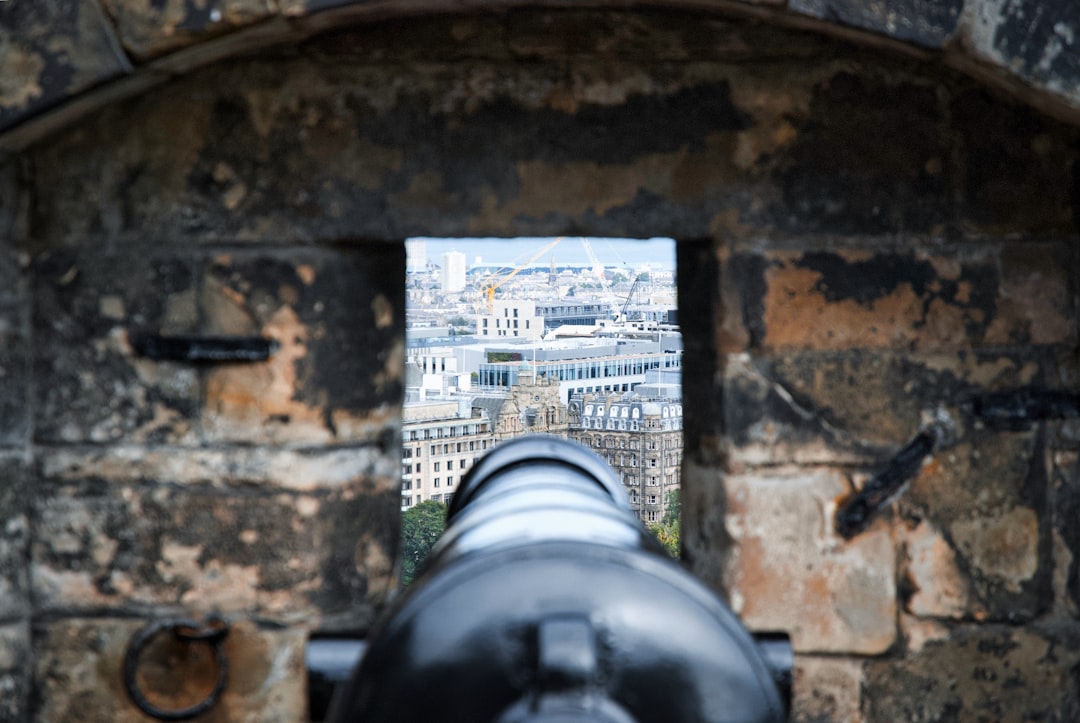
Ancient weapons have long fascinated historians, archaeologists, and enthusiasts alike. These tools of war, crafted by early civilizations, not only served practical purposes but also reflected the cultural values and technological advancements of their time. From the rudimentary stone tools of prehistoric societies to the sophisticated swords and spears of later empires, ancient weaponry provides a window into the past, revealing the complexities of human conflict and ingenuity.
The study of these artifacts offers insights into the social structures, economies, and belief systems of ancient peoples, making them invaluable to understanding human history. The significance of ancient weapons extends beyond their physical form; they embody the spirit of their creators and the societies that wielded them. Each weapon tells a story, whether it be one of conquest, defense, or ritual.
As civilizations rose and fell, their weapons evolved, adapting to new challenges and technologies. This evolution not only highlights the advancements in metallurgy and craftsmanship but also underscores the ever-changing nature of warfare itself. By examining ancient weapons, one can gain a deeper appreciation for the interplay between technology, culture, and conflict throughout history.
Key Takeaways
- Ancient weapons played a crucial role in shaping the history of warfare and had a significant impact on the development of civilizations.
- The evolution of ancient weapons reflects the technological advancements and strategic innovations of different cultures throughout history.
- Archaeological discoveries have unearthed a wealth of information about ancient weaponry, providing insights into the craftsmanship and materials used in their creation.
- The role of ancient weapons in warfare was multifaceted, influencing tactics, strategies, and the outcome of battles and conflicts.
- Ancient weapons varied greatly across different cultures, showcasing the diversity of technological and artistic achievements in weaponry.
The Evolution of Ancient Weapons
The evolution of ancient weapons is a testament to human innovation and adaptability. In the earliest days, humans relied on simple tools made from stone, wood, and bone. These primitive weapons were primarily used for hunting and self-defense.
As societies developed and became more complex, so too did their weaponry. The introduction of metallurgy marked a significant turning point; the ability to forge metal allowed for stronger and more durable weapons. Bronze weapons emerged around 3000 BCE, followed by iron weapons in the Iron Age, which revolutionized warfare.
As civilizations expanded and encountered one another, the need for more effective weaponry became apparent. The development of the sword, spear, and bow and arrow exemplified this shift. Swords became symbols of power and status, while spears were versatile tools for both throwing and close combat.
The bow and arrow provided a tactical advantage in battle, allowing warriors to strike from a distance. Each advancement in weaponry not only improved combat effectiveness but also influenced military strategies and formations, leading to more organized and sophisticated warfare.
Unearthing Ancient Weaponry: Archaeological Discoveries

Archaeological discoveries have played a crucial role in unearthing ancient weaponry and shedding light on the past. Excavations at sites such as ancient battlefields, burial grounds, and fortifications have revealed a wealth of artifacts that provide insight into the types of weapons used by various cultures. For instance, the discovery of bronze swords in burial mounds across Europe has helped historians understand the significance of these weapons in social hierarchies and rituals.
One notable example is the excavation of the Terracotta Army in China, where thousands of life-sized figures were found buried with intricate weapons. These findings not only highlight the craftsmanship of ancient Chinese artisans but also suggest the importance of weaponry in funerary practices and beliefs about the afterlife. Similarly, archaeological digs in regions like Mesopotamia and Egypt have uncovered a variety of weapons that illustrate the technological advancements and military strategies employed by these early civilizations.
Each discovery adds another layer to the understanding of how ancient peoples approached warfare and conflict.
The Role of Ancient Weapons in Warfare
| Ancient Weapon | Advantages | Disadvantages |
|---|---|---|
| Sword | Effective in close combat | Requires skill and strength to use |
| Bow and Arrow | Long-range attack | Requires accuracy and training |
| Spear | Good for thrusting and throwing | Limited in close combat |
| Chariot | Provides speed and mobility | Requires trained horses and drivers |
Ancient weapons played a pivotal role in shaping the course of warfare throughout history. They were not merely tools for killing; they were instruments that defined military tactics, influenced political power dynamics, and determined territorial boundaries. The introduction of chariots in ancient Mesopotamia revolutionized battlefield strategies, allowing for faster movement and more effective assaults on enemy lines.
Similarly, the use of siege weapons such as catapults and battering rams changed the nature of warfare by enabling armies to breach fortified cities. Moreover, ancient weapons often symbolized power and authority within societies. Rulers would display their weaponry as a means of asserting dominance over their subjects and enemies alike.
The sword became a symbol of nobility in many cultures, representing not just martial prowess but also leadership and honor. In this way, ancient weapons transcended their functional roles; they became integral to the identity and mythology of civilizations.
Ancient Weapons in Different Cultures
The diversity of ancient weapons across different cultures reflects the unique values, resources, and technologies of each society. In ancient Greece, for example, hoplites wielded spears and shields as part of their phalanx formation, emphasizing discipline and teamwork in battle. The Greeks also developed advanced naval weaponry, such as triremes equipped with bronze rams designed to sink enemy ships.
In contrast, the warriors of Mesoamerica utilized obsidian blades and wooden clubs adorned with spikes for close combat. The Aztecs and Maya incorporated ritualistic elements into their weaponry, often using them in ceremonies that underscored their beliefs about life, death, and sacrifice. Similarly, in ancient India, the use of bows and arrows was prevalent among warriors known as Kshatriyas, who adhered to a code of honor that dictated their conduct in battle.
The Technology Behind Ancient Weapons

The technology behind ancient weapons is a fascinating study in human ingenuity. The transition from stone to metal marked a significant leap in weapon-making techniques. Early metallurgists learned to extract copper from ores, leading to the creation of bronze through alloying with tin.
This innovation allowed for sharper edges and greater durability compared to stone tools.
The ability to forge iron into various shapes enabled the production of stronger swords and armor that could withstand greater impacts.
Techniques such as quenching—rapidly cooling hot metal—resulted in harder blades that maintained sharpness longer than their predecessors. Additionally, advancements in casting methods allowed for more intricate designs and mass production of weaponry, making them more accessible to larger armies.
The Legacy of Ancient Weapons in Modern Times
The legacy of ancient weapons continues to resonate in modern times, influencing contemporary military technology and cultural symbolism. Many modern firearms draw inspiration from ancient designs; for instance, the concept of rifling—grooves inside a barrel that improve accuracy—can trace its roots back to early projectile weapons like crossbows. Furthermore, military strategies developed during ancient times still inform modern tactics; principles such as flanking maneuvers or siege warfare remain relevant today.
Culturally, ancient weapons have become symbols of heritage and identity for many nations. Museums around the world showcase these artifacts as reminders of historical conflicts and achievements. They serve as educational tools that help people understand their past while fostering a sense of pride in their cultural heritage.
Additionally, ancient weaponry often appears in literature and popular media, reinforcing its enduring significance in storytelling.
The Artistry of Ancient Weapons
Beyond their functional purposes, ancient weapons were often crafted with remarkable artistry that reflected the skill and creativity of their makers. Many cultures took great pride in embellishing their weapons with intricate designs, engravings, or inlays made from precious materials like gold or ivory. These artistic elements not only enhanced the aesthetic appeal but also conveyed messages about power, status, or divine favor.
For instance, Japanese samurai swords are renowned for their beauty as much as their effectiveness in battle. The process of forging a katana involves multiple layers of steel folded together to create a blade that is both strong and flexible. The resulting weapon is not only a tool for combat but also a work of art that embodies centuries of tradition and craftsmanship.
Similarly, Viking swords often featured elaborate hilts adorned with carvings or gemstones that signified the warrior’s rank or lineage.
The Impact of Ancient Weapons on History
The impact of ancient weapons on history cannot be overstated; they have shaped empires, influenced trade routes, and altered social structures across civilizations. The conquests facilitated by superior weaponry often led to cultural exchanges that enriched societies but also resulted in devastating conflicts that reshaped borders and populations. For example, the Roman Empire’s military prowess was largely attributed to its advanced weaponry and disciplined legions, allowing it to expand across Europe and North Africa.
Moreover, ancient weapons have played crucial roles in pivotal historical events such as revolutions or uprisings against oppressive regimes. The availability or absence of certain types of weaponry could determine the outcome of battles or even entire wars. As such, understanding the historical context surrounding these weapons provides valuable insights into how they influenced human behavior and societal development over time.
The Preservation of Ancient Weapons
Preserving ancient weapons is essential for maintaining cultural heritage and understanding historical narratives. Many artifacts are vulnerable to deterioration due to environmental factors such as humidity or temperature fluctuations. Museums and archaeological institutions employ various conservation techniques to protect these items from decay while ensuring they remain accessible for study and public viewing.
Efforts to preserve ancient weaponry often involve meticulous restoration processes that require specialized knowledge about materials and historical context. For instance, metal artifacts may undergo cleaning treatments to remove corrosion while retaining as much original material as possible. Additionally, digital technologies such as 3D scanning allow for detailed documentation without risking damage to fragile items.
Exploring the Significance of Ancient Weapons
In conclusion, ancient weapons serve as powerful symbols that encapsulate human ingenuity, conflict, artistry, and cultural identity throughout history. Their evolution reflects not only advancements in technology but also shifts in societal values and military strategies across different civilizations. Through archaeological discoveries and ongoing research efforts, scholars continue to uncover new insights into how these artifacts shaped human experiences.
The legacy left by ancient weaponry is profound; it informs modern military practices while enriching cultural narratives worldwide. As society progresses into an increasingly complex future, understanding the significance of these historical artifacts remains vital for appreciating humanity’s shared past—a past marked by both conflict and creativity that continues to resonate today.
If you’re interested in exploring the fascinating world of ancient weapons, you might find the article on the history and evolution of weaponry particularly enlightening. It delves into various ancient civilizations and their unique armaments, shedding light on how these tools shaped warfare and society. For more insights, check out this related article on Real Lore and Order.
WATCH THIS! 15 Ancient Weapons That BROKE History (And Were Hidden)
FAQs
What is a documentary about ancient weapons?
A documentary about ancient weapons is a film or video presentation that explores the history, development, and use of weapons from ancient civilizations. It may include interviews with experts, historical reenactments, and analysis of archaeological findings.
What are some examples of ancient weapons featured in such documentaries?
Ancient weapons featured in documentaries may include swords, spears, bows and arrows, axes, maces, and various siege weapons such as catapults and ballistae. The focus is often on weapons used by civilizations such as the Romans, Greeks, Egyptians, and medieval European societies.
What is the purpose of creating a documentary about ancient weapons?
The purpose of creating a documentary about ancient weapons is to educate and inform viewers about the history and significance of these weapons in human civilization. It may also seek to explore the technological advancements, cultural influences, and military strategies associated with ancient weaponry.
How are ancient weapons researched for these documentaries?
Researchers for these documentaries often rely on historical texts, archaeological findings, and expert analysis to understand the design, construction, and use of ancient weapons. They may also consult with historians, archaeologists, and weapon experts to ensure accuracy and authenticity.
What can viewers learn from watching a documentary about ancient weapons?
Viewers can learn about the technological advancements, cultural significance, and military tactics associated with ancient weapons. They may also gain insights into the social, political, and economic factors that influenced the development and use of these weapons in ancient societies.