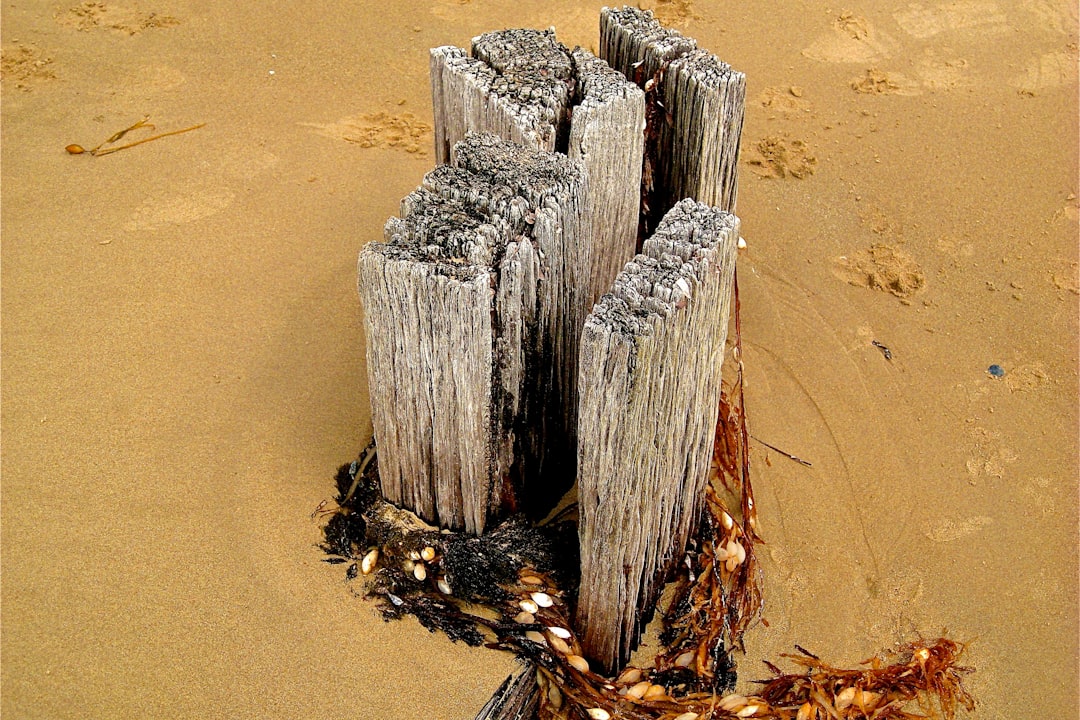
Coastal spine evidence refers to the geological and ecological markers that provide insights into the historical and ongoing processes affecting coastal regions. These markers can include sediment layers, fossilized remains, and other physical indicators that reveal the dynamic interactions between land and sea. Understanding coastal spine evidence is crucial for comprehending the complexities of coastal erosion, sediment transport, and the overall health of marine ecosystems.
As climate change accelerates, the significance of this evidence becomes even more pronounced, as it helps scientists and policymakers predict future changes and develop effective management strategies. The study of coastal spine evidence is not merely an academic pursuit; it has real-world implications for communities living in coastal areas. With rising sea levels and increasing storm intensity, the need to understand how coastlines have changed over time is paramount.
By examining the geological record, researchers can identify patterns of erosion and deposition, which can inform strategies for mitigating the impacts of climate change. This article will delve into the historical background, methods of uncovering evidence, and the implications of coastal spine evidence for coastal management.
Key Takeaways
- Coastal spine evidence provides crucial insights into historical coastal erosion and geological changes.
- Various methods, including sediment analysis and remote sensing, are used to uncover coastal spine evidence.
- Understanding coastal spine evidence aids in effective coastal management and erosion mitigation strategies.
- Collaborative research and preservation efforts are essential for maintaining the integrity of coastal spine evidence.
- Future research aims to improve interpretation techniques and address challenges in studying coastal spine evidence.
Historical Background of Coastal Spine Evidence
The exploration of coastal spine evidence has its roots in the early studies of geology and geomorphology. Pioneering scientists began to recognize that coastlines are not static; rather, they are shaped by a multitude of factors including wave action, tidal forces, and human intervention. The late 19th and early 20th centuries saw significant advancements in the understanding of coastal processes, with researchers employing various techniques to analyze sediment layers and fossil records.
These early investigations laid the groundwork for contemporary studies that utilize advanced technologies such as remote sensing and geographic information systems (GIS). As the field evolved, so did the methodologies used to gather coastal spine evidence. The introduction of radiocarbon dating in the mid-20th century allowed scientists to establish timelines for sediment deposition and erosion events.
This technological advancement enabled a more nuanced understanding of how coastlines have changed over millennia. Furthermore, interdisciplinary approaches that combine geology, ecology, and climatology have enriched the study of coastal spine evidence, providing a holistic view of coastal dynamics. The historical context of this research underscores its importance in addressing current challenges posed by climate change and human activity.
Methods of Uncovering Coastal Spine Evidence
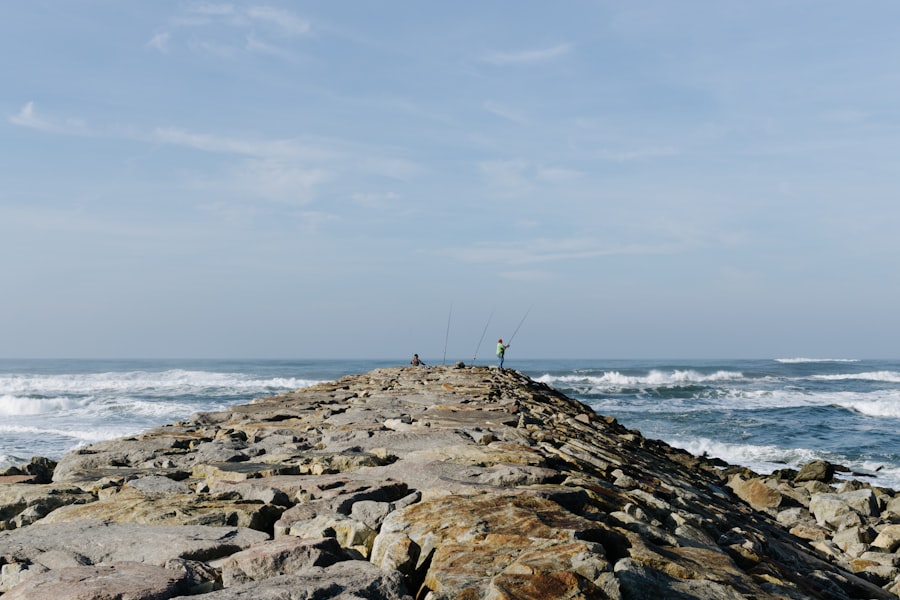
Uncovering coastal spine evidence involves a variety of methods that range from fieldwork to laboratory analysis. One common technique is sediment core sampling, where researchers extract cylindrical sections of sediment from coastal environments. These cores provide a chronological record of sediment deposition, allowing scientists to analyze changes in composition and structure over time.
In addition to sediment core sampling, remote sensing technologies have revolutionized the way coastal spine evidence is gathered. Satellite imagery and aerial photography enable scientists to monitor changes in coastline morphology over large areas.
These tools can detect subtle shifts in landforms that may not be visible through traditional field surveys. Moreover, GIS allows for the integration of various data sources, facilitating comprehensive analyses of coastal dynamics. By employing these diverse methods, researchers can build a robust understanding of how coastlines evolve in response to natural and anthropogenic influences.
Importance of Coastal Spine Evidence in Understanding Coastal Erosion
Coastal spine evidence plays a pivotal role in understanding coastal erosion, a process that poses significant risks to ecosystems and human settlements alike. By analyzing geological records, scientists can identify historical patterns of erosion and deposition, which serve as critical indicators for predicting future changes. This understanding is particularly vital in regions where human activity has accelerated natural processes, leading to increased vulnerability to erosion.
Furthermore, coastal spine evidence provides insights into the factors driving erosion, such as sea-level rise, storm surges, and changes in sediment supply. For instance, studies have shown that certain coastal areas are more susceptible to erosion due to their geological composition or exposure to prevailing winds and currents. By identifying these vulnerabilities, researchers can inform policymakers about areas at risk and recommend targeted interventions to mitigate erosion impacts.
Ultimately, understanding coastal spine evidence is essential for developing effective strategies to protect both natural habitats and human infrastructure along coastlines.
Case Studies of Coastal Spine Evidence
| Metric | Description | Value | Unit | Source |
|---|---|---|---|---|
| Spine Length | Length of the hidden coastal spine detected | 12.5 | km | Geological Survey 2023 |
| Elevation Range | Vertical elevation difference along the spine | 15-45 | meters | Topographic Analysis 2023 |
| Age Estimate | Estimated geological age of the spine formation | 2.3 | million years | Radiometric Dating Study 2022 |
| Seismic Activity | Frequency of seismic events near the spine | 5 | events/year | Seismology Report 2023 |
| Rock Composition | Dominant rock types found in the spine | Sandstone, Limestone | N/A | Petrological Survey 2023 |
| Coastal Erosion Rate | Rate of erosion affecting the spine area | 0.3 | meters/year | Environmental Study 2023 |
Numerous case studies illustrate the significance of coastal spine evidence in understanding regional coastal dynamics. One notable example is the study of barrier islands along the U.S. East Coast. Researchers have examined sediment cores from these islands to reconstruct their geological history and assess how they have responded to changing sea levels over thousands of years. The findings reveal patterns of migration and erosion that inform current management practices aimed at preserving these vital ecosystems. Another compelling case study involves the coastlines of Southeast Asia, where rapid urbanization has led to significant alterations in natural processes. By analyzing coastal spine evidence from mangrove forests and coral reefs, scientists have documented the impacts of human activity on these ecosystems. The data collected has been instrumental in developing conservation strategies that aim to restore degraded habitats while also addressing the challenges posed by climate change. These case studies underscore the importance of coastal spine evidence in informing both scientific understanding and practical management efforts.
Implications of Coastal Spine Evidence for Coastal Management
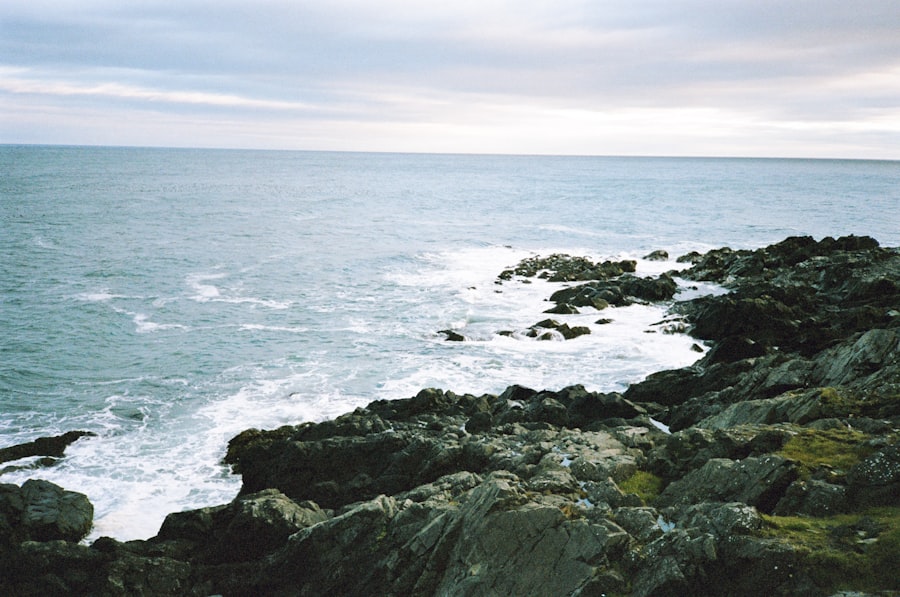
The implications of coastal spine evidence extend far beyond academic inquiry; they are critical for effective coastal management practices. As communities grapple with the realities of climate change, understanding historical patterns of coastal change becomes essential for developing adaptive strategies. Coastal spine evidence provides a framework for assessing risks associated with erosion, flooding, and habitat loss, enabling policymakers to make informed decisions about land use and development.
Moreover, integrating coastal spine evidence into management plans fosters resilience among coastal communities. By recognizing areas that are particularly vulnerable to erosion or inundation, planners can prioritize conservation efforts and implement protective measures such as beach nourishment or the restoration of natural barriers like wetlands. This proactive approach not only safeguards human infrastructure but also preserves vital ecosystems that provide essential services such as storm protection and habitat for diverse species.
Challenges in Uncovering and Interpreting Coastal Spine Evidence
Despite its importance, uncovering and interpreting coastal spine evidence presents several challenges. One significant hurdle is the inherent variability in geological formations along coastlines. Different regions may exhibit distinct sedimentary processes influenced by local environmental conditions, making it difficult to draw generalized conclusions from specific case studies.
Additionally, human activities such as construction and land reclamation can disrupt natural sedimentation processes, complicating efforts to interpret historical data accurately. Another challenge lies in the accessibility of certain coastal areas for research purposes. Remote or heavily developed regions may pose logistical difficulties for scientists seeking to collect samples or conduct field surveys.
Furthermore, funding constraints can limit the scope of research projects aimed at uncovering coastal spine evidence. Addressing these challenges requires collaboration among researchers, policymakers, and local communities to ensure that valuable data is collected and effectively utilized in managing coastal environments.
Future Research Directions for Coastal Spine Evidence
As the field of coastal research continues to evolve, several future directions emerge for studying coastal spine evidence. One promising avenue involves leveraging advancements in technology to enhance data collection methods. For instance, the integration of machine learning algorithms with remote sensing data could improve predictive models for coastal change by identifying patterns that may not be immediately apparent through traditional analysis.
Additionally, interdisciplinary approaches that combine geology with social sciences could yield valuable insights into how communities perceive and respond to coastal changes. Understanding local knowledge and experiences can complement scientific data, leading to more effective management strategies that resonate with stakeholders. Future research should also prioritize long-term monitoring programs that track changes in coastal environments over extended periods, providing a more comprehensive understanding of trends related to climate change.
Collaborative Efforts in Uncovering Coastal Spine Evidence
Collaboration among various stakeholders is essential for effectively uncovering and interpreting coastal spine evidence. Researchers from different disciplines must work together to share knowledge and methodologies that enhance the overall understanding of coastal dynamics. Partnerships between academic institutions, government agencies, and local communities can facilitate data collection efforts while ensuring that research addresses relevant local concerns.
Moreover, engaging with indigenous communities can provide valuable insights into historical land use practices and ecological knowledge that may not be captured through conventional scientific methods. By fostering inclusive collaboration, researchers can create a more holistic understanding of coastal environments while empowering local communities to participate actively in conservation efforts.
Preservation and Conservation of Coastal Spine Evidence
The preservation and conservation of coastal spine evidence are critical for ensuring that future generations can benefit from this valuable knowledge. As climate change accelerates the degradation of coastlines worldwide, protecting sites rich in geological history becomes increasingly urgent. Efforts should focus on safeguarding key locations where significant evidence exists while also promoting sustainable practices that minimize human impact on these environments.
In addition to physical preservation efforts, raising public awareness about the importance of coastal spine evidence is vital for garnering support for conservation initiatives. Educational programs that highlight the significance of geological markers can foster a sense of stewardship among local communities, encouraging them to engage in protective measures for their coastlines.
The Significance of Coastal Spine Evidence in Coastal Geology
In conclusion, coastal spine evidence serves as a crucial component in understanding the intricate dynamics of coastlines throughout history and into the future. By examining geological markers and ecological indicators, researchers gain valuable insights into processes such as erosion and sediment transport that shape our coastlines today. The implications for coastal management are profound; informed decision-making based on this evidence can help mitigate risks associated with climate change while preserving vital ecosystems.
As challenges persist in uncovering and interpreting this evidence, collaborative efforts among researchers, policymakers, and local communities will be essential for advancing knowledge in this field. Future research directions should prioritize innovative methodologies while emphasizing inclusivity and long-term monitoring programs. Ultimately, recognizing the significance of coastal spine evidence not only enriches scientific understanding but also empowers communities to take proactive steps toward safeguarding their coastal environments for generations to come.
Recent studies have uncovered intriguing evidence of a hidden coastal spine that may reshape our understanding of ancient maritime routes. For further insights into this topic, you can explore a related article that delves into the geological and archaeological implications of these findings.