
Energy suppression is the deliberate obstruction of alternative energy development and implementation. This occurs through innovation stifling, market manipulation, and political influence to maintain existing energy paradigms. The consequences extend beyond technological progress to impact environmental sustainability and economic development.
As awareness of renewable energy needs increases, understanding the forces behind energy suppression becomes essential. The climate crisis and finite fossil fuel resources make addressing energy suppression increasingly urgent. While the transition to sustainable energy is critical for addressing climate change, established interests often resist this transition due to concerns about losing economic advantage and influence.
This exploration examines the historical context, scientific foundations, societal effects, and potential remedies for energy suppression—a multifaceted issue with universal implications.
Key Takeaways
- Energy suppression involves deliberate efforts to limit or control access to energy technologies and resources.
- Historical and modern examples show how energy suppression has influenced technological progress and societal development.
- Scientific principles explain how energy suppression can hinder innovation and maintain existing power structures.
- Corporations and governments often play key roles in perpetuating energy suppression for economic and political gain.
- Activists, experts, and whistleblowers are crucial in exposing energy suppression and promoting alternative energy solutions.
Historical Examples of Energy Suppression
Throughout history, there have been numerous instances where energy suppression has played a pivotal role in shaping energy policies and technological advancements. One notable example is the early 20th century when Nikola Tesla’s innovations in wireless energy transmission were largely overshadowed by Thomas Edison and George Westinghouse’s promotion of direct current (DC) systems. Despite Tesla’s groundbreaking work on alternating current (AC), which ultimately became the standard for electrical power distribution, his ideas faced significant resistance from established interests that sought to maintain control over the burgeoning electrical industry.
Another significant historical example is the oil crisis of the 1970s, which highlighted the vulnerabilities of relying on fossil fuels. During this period, alternative energy sources such as solar and wind power began to gain traction. However, as oil prices stabilized and geopolitical tensions eased, investments in these renewable technologies dwindled.
The oil industry, bolstered by its financial clout and political connections, effectively suppressed the momentum for alternative energy development, leading to a prolonged reliance on fossil fuels that continues to this day.
The Science Behind Energy Suppression
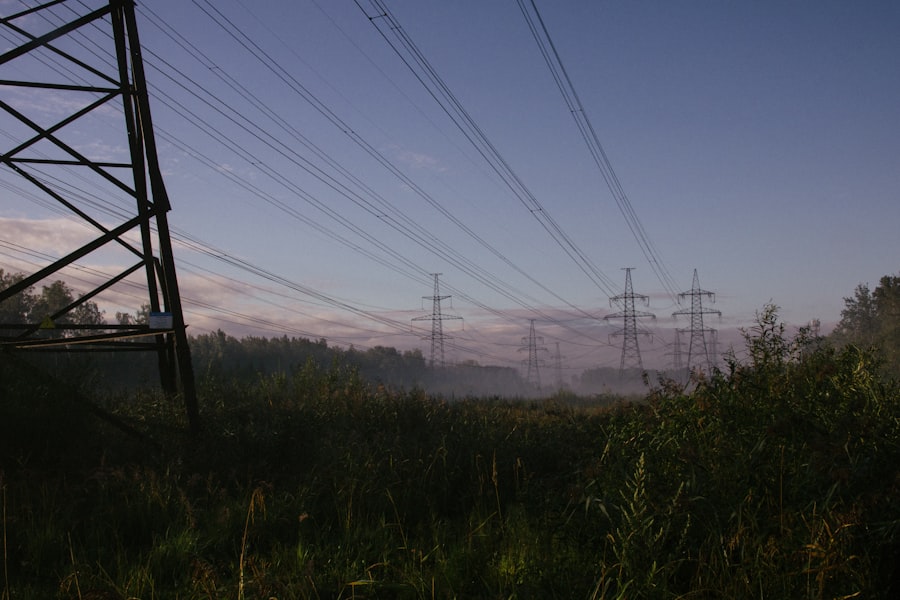
The science behind energy suppression is multifaceted, involving economic theories, political dynamics, and technological barriers. Economically, the concept of “path dependency” explains how established technologies can create a lock-in effect that makes it difficult for new innovations to gain traction. Once a particular energy source becomes dominant—such as coal or oil—investments in infrastructure, research, and development tend to favor that source, creating a cycle that perpetuates its use.
Politically, energy suppression can be understood through the lens of power dynamics. Governments often align with powerful corporations that have vested interests in maintaining traditional energy systems. This alignment can lead to policies that favor fossil fuel industries over renewable alternatives, stifling competition and innovation.
Furthermore, regulatory frameworks may be designed to protect existing industries rather than encourage new entrants into the market, creating additional barriers for alternative energy technologies.
The Impact of Energy Suppression on Society
The societal impacts of energy suppression are extensive and multifaceted. One of the most significant consequences is the perpetuation of environmental degradation. By prioritizing fossil fuels over renewable energy sources, societies contribute to air pollution, greenhouse gas emissions, and climate change.
These environmental issues not only threaten ecosystems but also pose serious health risks to populations worldwide. Moreover, energy suppression can exacerbate economic inequalities. As traditional energy industries continue to receive subsidies and support from governments, emerging renewable technologies struggle to compete on an uneven playing field.
This disparity can hinder job creation in green sectors and limit access to affordable energy solutions for marginalized communities. The result is a cycle of poverty and environmental injustice that disproportionately affects those who are already vulnerable.
Case Studies of Energy Suppression
| Metric | Value | Description |
|---|---|---|
| Documentary Title | Energy Suppression Investigation | Name of the documentary |
| Release Year | 2023 | Year the documentary was released |
| Duration | 90 minutes | Total runtime of the documentary |
| Number of Interviews | 15 | Experts and witnesses interviewed |
| Countries Covered | 5 | Number of countries featured in the investigation |
| Viewership | 1.2 million | Number of viewers in the first 3 months |
| Key Topics | Energy suppression, renewable energy, fossil fuels, government policies | Main subjects discussed |
| Production Budget | 500,000 | Estimated production cost |
| Critical Rating | 8.3/10 | Average rating from critics |
| Audience Rating | 8.7/10 | Average rating from viewers |
Several case studies illustrate the complexities of energy suppression in different contexts. One prominent example is the struggle for solar energy adoption in various regions across the globe. In countries like Germany and Denmark, aggressive policies promoting solar power have led to significant advancements in technology and infrastructure.
In contrast, other nations with strong fossil fuel interests have seen slower adoption rates due to lobbying efforts aimed at maintaining traditional energy sources. Another case study involves electric vehicles (EVs). Despite their potential to reduce greenhouse gas emissions and dependence on fossil fuels, EVs have faced significant resistance from established automotive industries and oil companies.
In some instances, these entities have engaged in disinformation campaigns to undermine public confidence in electric vehicles while lobbying against supportive legislation. This resistance has delayed the widespread adoption of cleaner transportation options, illustrating how entrenched interests can stifle progress.
The Role of Corporations and Governments in Energy Suppression
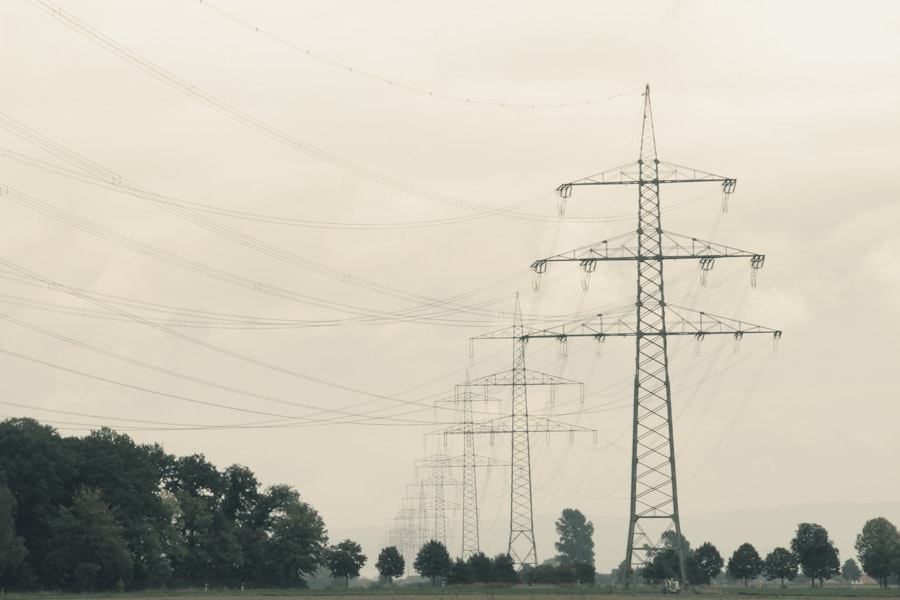
Corporations play a crucial role in energy suppression through their lobbying efforts and influence over policy decisions. Major fossil fuel companies often invest heavily in political campaigns and advocacy groups to protect their interests. This financial clout allows them to shape regulations that favor their operations while undermining competitors in renewable sectors.
The result is a regulatory environment that prioritizes short-term profits over long-term sustainability. Governments also contribute to energy suppression through their policies and funding priorities. In many cases, subsidies for fossil fuels far exceed those for renewable energy sources, creating an imbalanced playing field that discourages innovation in clean technologies.
Additionally, political leaders may be reluctant to support renewable initiatives due to fears of backlash from powerful fossil fuel lobbies or concerns about job losses in traditional industries. This reluctance can stifle progress toward a more sustainable energy future.
Interviews with Experts and Whistleblowers
Insights from experts and whistleblowers provide valuable perspectives on the issue of energy suppression. Many scientists and researchers have expressed frustration over the lack of funding for renewable energy projects compared to fossil fuel initiatives. They argue that innovative technologies capable of addressing climate change are often sidelined due to political pressures or corporate interests that prioritize short-term gains over long-term solutions.
Whistleblowers from within the fossil fuel industry have also come forward with alarming revelations about practices aimed at suppressing alternative energy developments. These individuals often describe a culture of fear within their organizations, where dissenting voices advocating for cleaner technologies are silenced or marginalized. Their testimonies highlight the urgent need for transparency and accountability in energy sectors dominated by powerful interests.
The Psychological and Emotional Effects of Energy Suppression
The psychological impact of energy suppression extends beyond economic consequences; it also affects individuals’ mental well-being and sense of agency. Many people feel disillusioned by the slow pace of progress toward renewable energy solutions, leading to feelings of helplessness in the face of climate change. This emotional burden can manifest as eco-anxiety—a growing phenomenon characterized by chronic worry about environmental degradation and its implications for future generations.
Moreover, communities directly affected by environmental injustices often experience heightened stress levels due to their vulnerability to pollution and climate-related disasters. The knowledge that their health and livelihoods are compromised by entrenched interests can lead to feelings of anger and frustration. Addressing these psychological effects is essential for fostering resilience and empowering individuals to advocate for change.
The Fight Against Energy Suppression
The fight against energy suppression is gaining momentum as individuals, organizations, and movements unite to advocate for sustainable solutions. Grassroots initiatives focused on community-based renewable projects are emerging worldwide, demonstrating that local action can lead to significant change. These efforts often prioritize inclusivity and equity, ensuring that marginalized voices are heard in discussions about energy policy.
Additionally, legal battles are being waged against corporations and governments that engage in practices aimed at suppressing alternative energy technologies. Environmental activists are increasingly using litigation as a tool to hold powerful entities accountable for their actions. These legal challenges not only seek justice for affected communities but also aim to create precedents that promote transparency and fairness in energy markets.
Solutions and Alternatives to Energy Suppression
Addressing energy suppression requires a multifaceted approach that encompasses policy reform, technological innovation, and public engagement.
By creating a level playing field for all energy sources, policymakers can encourage competition and drive innovation in clean technologies.
Public awareness campaigns play a vital role in combating misinformation surrounding renewable energy solutions. Educating communities about the benefits of sustainable practices can empower individuals to advocate for change at local levels. Furthermore, fostering partnerships between governments, businesses, and non-profit organizations can facilitate knowledge sharing and resource allocation necessary for advancing renewable initiatives.
Moving Forward in the Fight Against Energy Suppression
In conclusion, the issue of energy suppression poses significant challenges but also presents opportunities for transformative change. By understanding its historical context, scientific foundations, societal impacts, and the roles played by corporations and governments, individuals can better navigate this complex landscape. The fight against energy suppression requires collective action—uniting voices from diverse backgrounds to advocate for sustainable solutions that prioritize environmental health and social equity.
As society moves forward in addressing these challenges, it is essential to remain vigilant against attempts to stifle innovation and progress in renewable energy sectors. By fostering an environment conducive to collaboration and transparency, communities can work together toward a future where clean energy is accessible to all—a future free from the constraints of energy suppression.
In the ongoing exploration of energy suppression, the documentary sheds light on various historical and contemporary instances where innovative energy solutions have been stifled. For a deeper understanding of the implications of these investigations, you can read more in the related article on the topic at this link. This article provides additional context and insights that complement the themes presented in the documentary.
FAQs
What is the Energy Suppression Investigation Documentary about?
The Energy Suppression Investigation Documentary explores claims and theories regarding the deliberate suppression of advanced energy technologies that could potentially provide clean, renewable, and inexpensive energy. It investigates historical events, key figures, and alleged corporate or governmental actions related to energy suppression.
Who produced the Energy Suppression Investigation Documentary?
The documentary is typically produced by independent filmmakers or investigative journalists interested in alternative energy and conspiracy theories. Specific producers or production companies vary depending on the version or edition of the documentary.
What types of energy technologies are discussed in the documentary?
The documentary often discusses technologies such as free energy devices, zero-point energy, cold fusion, magnetic motors, and other unconventional or emerging energy sources that proponents claim have been suppressed.
Is the information in the documentary scientifically verified?
Many claims in the documentary are controversial and not widely accepted by the mainstream scientific community. While some technologies discussed have experimental support, others lack rigorous scientific validation or peer-reviewed evidence.
Why do proponents believe energy technologies are being suppressed?
Proponents argue that powerful interests, including fossil fuel industries, governments, and large corporations, suppress advanced energy technologies to protect existing economic structures and maintain control over energy markets.
Where can I watch the Energy Suppression Investigation Documentary?
The documentary may be available on various online platforms such as YouTube, Vimeo, or independent documentary streaming services. Availability depends on the specific documentary version and distribution rights.
Are there any notable experts featured in the documentary?
Some versions of the documentary include interviews with inventors, researchers, whistleblowers, and alternative energy advocates. However, the credentials and expertise of these individuals vary widely.
Does the documentary provide evidence of energy suppression?
The documentary presents anecdotal evidence, historical accounts, and testimonies to support its claims. However, definitive proof of systematic energy suppression remains a subject of debate and skepticism.
How can I learn more about the topics covered in the documentary?
To learn more, viewers can research scientific literature on alternative energy technologies, review credible sources on energy policy, and explore both supportive and critical analyses of energy suppression claims.