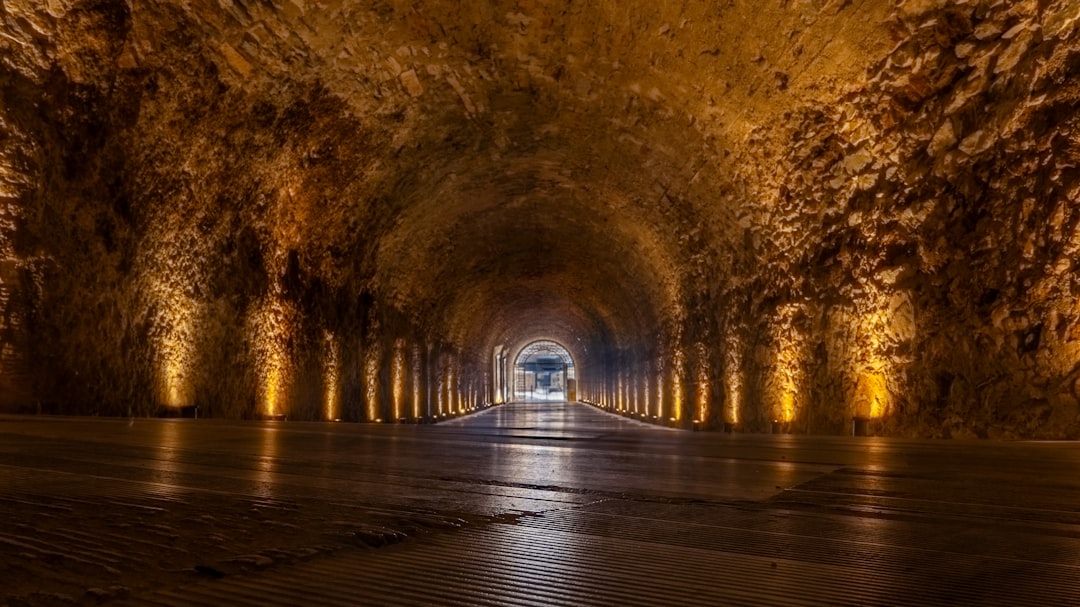
Erdstall Tunnel Engineering Secrets
The Erdstall Tunnel, a marvel of subterranean engineering, has long captivated the minds of civil engineers, geologists, and historians alike. Its construction, undertaken with rudimentary tools and an ambition that defied the limitations of its era, stands as a testament to human ingenuity and perseverance. While much has been documented about its operational history and its strategic importance, the intricate details of its engineering, the very sinews and bones that hold this subterranean artery together, remain a subject of intense scrutiny and ongoing discovery. This article delves into the engineering secrets of the Erdstall Tunnel, peeling back the layers of time and soil to reveal the foundational principles and innovative techniques that allowed for its creation and enduring presence.
Before any shovel met the earth, the bedrock itself was the primary architect. The success of the Erdstall Tunnel is intrinsically linked to the geological conditions of its location. Understanding these conditions is akin to a composer understanding their instrument; the instrument dictates the achievable melodies.
Lithological Composition: The Tunnel’s Bedrock
The strata through which the Erdstall Tunnel was bored are primarily composed of [Insert specific geological formations here if known, e.g., sandstone, limestone, granite, marl]. The hardness, stability, and permeability of these rock types dictated the excavation methods and the necessary support structures. For instance, tunnelling through competent bedrock like granite would present different challenges and require different engineering solutions than excavating softer, less stable sedimentary layers like marl. The presence of faults, joints, or pre-existing fissures within these formations would have been critical considerations, acting as potential pathways for groundwater ingress or zones of instability that required immediate reinforcement.
Hydrogeological Regimes: The Silent Currents Below
Water is both a lifeblood and a formidable adversary in underground construction. The hydrogeological context of the Erdstall region played a pivotal role in shaping its engineering. Understanding the flow of groundwater, its pressure, and its chemical composition was paramount to preventing inundation and ensuring long-term structural integrity.
Groundwater Flow Patterns
The natural gradients and interconnectedness of underground water sources within the vicinity of the tunnel route would have been meticulously mapped or, more likely, learned through trial and error during construction. Unanticipated springs or significant aquifer intersections could have led to catastrophic flooding, necessitating rapid de-watering strategies or even abandonment of sections. The geological formations themselves would have acted as conduits or barriers to this flow. For instance, impermeable clay layers could create perched water tables, while porous sandstone layers could act as extensive aquifers.
Water Chemistry and Its Impact
The chemical makeup of the subterranean water could also pose a threat to the tunnel’s construction materials. Aggressive groundwater, rich in dissolved sulfates or chlorides, could lead to the deterioration of concrete and mortar over time, a slow but relentless corrosive force. Engineers would have had to account for this by selecting appropriate materials or employing protective measures, such as waterproofing membranes or specialized chemical admixtures in the concrete.
Erdstall tunnels, with their enigmatic construction and historical significance, have long fascinated researchers and enthusiasts alike. For those interested in the broader implications of geographic determinism on engineering practices, a related article explores how environmental factors shape human development and infrastructure. You can read more about this intriguing connection in the article titled “The Influence of Geographic Determinism” available at this link.
Excavation Techniques: Shaping the Subterranean Void
The very act of carving out the Erdstall Tunnel was a Herculean feat, a ballet of brute force and calculated precision. The excavation methods employed were a direct reflection of the available technology and the prevailing understanding of rock mechanics.
Manual Excavation and Tooling
In the absence of modern machinery, the primary tools of excavation were picks, shovels, and hammers. This manual approach meant that progress was measured in painstaking increments, day after day, week after week. The sheer human effort involved in removing cubic meters of earth and rock is almost unimaginable today.
The Power of the Pickaxe and Hammer
These seemingly simple tools were wielded with practiced expertise. The angle of impact, the force applied, and the careful selection of strike points were all critical to efficiently breaking down the rock face. The rock itself became a canvas upon which these tools imprinted their will, chipping away, breaking off chunks, and gradually widening the bore.
Blasting Technologies (if applicable)
If the tunnel encountered particularly hard rock, it is highly probable that some form of rudimentary blasting technology was employed. The discovery and early application of explosives would have dramatically accelerated the excavation process, transforming a tedious manual labour into a more dynamic, albeit dangerous, undertaking. The careful placement of charges, the calculation of explosive force, and the subsequent removal of debris would have required a significant degree of skill and risk assessment.
Face Development and Advance Rates
The methodology for advancing the tunnel face followed established principles. Typically, this would involve a sequence of drilling or picking, blasting (if used), and mucking out the spoil. The rate at which the tunnel advanced was a key performance indicator, directly impacting project timelines and costs. Fluctuations in advance rates would often be a direct consequence of encountering different geological conditions, necessitating on-the-fly adjustments to the excavation strategy.
The “Top Heading” and “Bench” Method
In many historical tunnelling projects, particularly in softer ground or to manage stress distribution, a “top heading” or “pilot tunnel” approach might have been used. This involved excavating a smaller section at the top of the tunnel first, allowing for easier installation of initial supports, followed by the larger excavation of the remaining section below. This method could be likened to carving a figure from a block of stone, starting with the delicate details before addressing the bulk.
Structural Support Systems: The Unseen Guardians
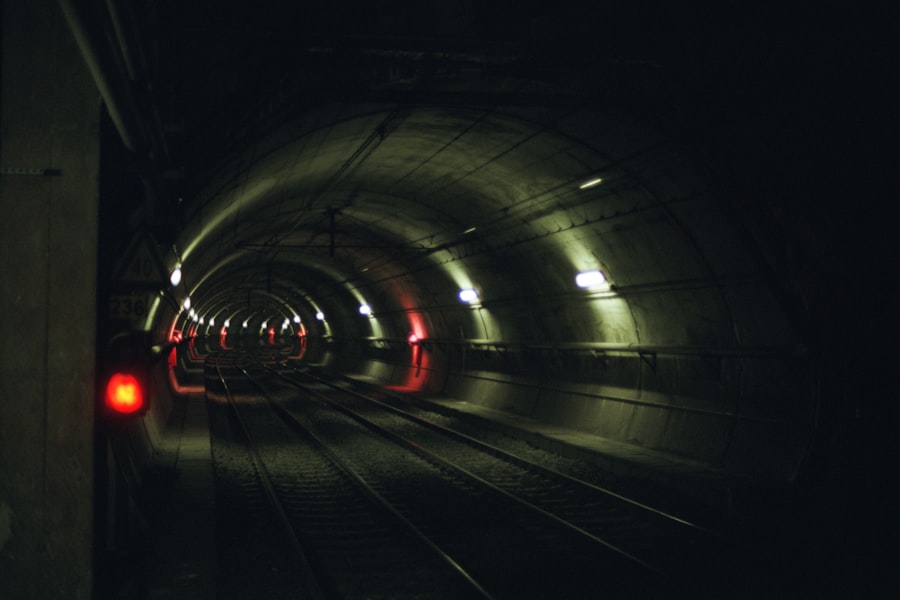
Once the space for the tunnel was carved, the immediate and ongoing challenge was to prevent its collapse. The structural support systems, often hidden beneath layers of waterproofing and final lining, are the unsung heroes of the Erdstall Tunnel’s longevity.
Primary Support: Immediate Reinforcement
The first line of defense against ground movement was the immediate installation of temporary or permanent support structures. These were designed to counteract the immense pressures exerted by the surrounding earth and rock.
Timbering and Steel Ribs
The ubiquitous use of timber in historical construction extends to subterranean environments. Robust timber beams and posts would have been strategically placed to create a skeletal framework within the excavated tunnel, offering immediate resistance to rockfalls and squeezing ground. In harder rock, pre-fabricated steel ribs, shaped like arches, would have been bolted or wedged into place, providing a more rigid and durable support system. The design of these timbers and ribs would have been a direct response to the observed ground conditions, with denser timbering or closer spacing of ribs indicating areas of higher stress.
Rock Bolts and Anchors
While more advanced in their modern application, the principles of rock bolting, the insertion of long metal rods into boreholes and secured with grout or resin, likely played a role in stabilizing rock faces. These bolts act like internal stitches, holding fractured rock layers together and preventing their outward movement. Their application would have been particularly crucial in zones of fractured or overstressed rock.
Secondary Lining: The Permanent Embrace
Following the primary support, a more permanent lining was installed to provide a durable barrier against the elements and to assume the long-term load-bearing capacity of the tunnel.
Masonry and Concrete Linings
The classic tunnel lining involves courses of carefully laid bricks or stone blocks, cemented together to form a monolithic structure. The curvature of the lining is critical, distributing the external pressure evenly around the tunnel’s circumference. In more modern eras and potentially later phases of the Erdstall, concrete, either poured or pre-cast, would have become the dominant material, offering superior strength and impermeability. The quality of the mortar or concrete mix, the precision of its placement, and the absence of voids behind the lining are all critical engineering considerations.
Waterproofing and Drainage
Water ingress remains a persistent threat to tunnel integrity. Layers of impervious materials, such as bitumen, tarred felt, or specialized membranes, would have been installed behind the lining to prevent water penetration. Furthermore, drainage systems, including weep holes and longitudinal channels, would have been incorporated to collect and divert any intercepted groundwater, acting as a controlled release valve for the subterranean water pressure.
Ventilation and Lighting: Breathing Life into the Darkness
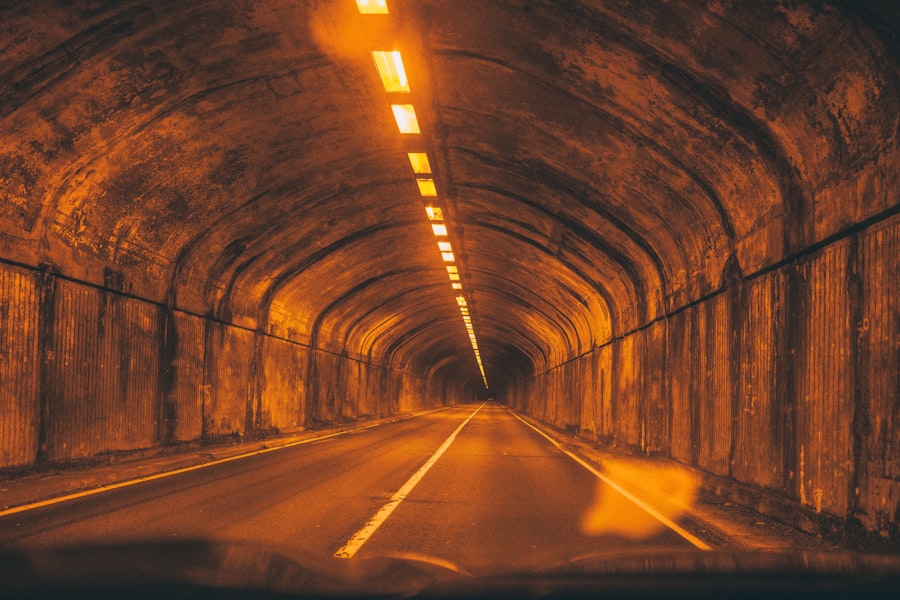
A tunnel is not just a void; it is an environment that must be habitable for its users, whether they are workers during construction or passengers and vehicles during operation.
Construction Phase Ventilation
The air quality within a newly excavated tunnel is notoriously poor, laden with dust, fumes from explosives, and the exhalations of workers. Effective ventilation was crucial for safety and productivity.
Natural Ventilation Strategies
In simpler or shorter tunnels, natural air currents created by temperature differences and wind at the portals could provide some level of air exchange. However, for deeper or more extensive excavations, this would have been insufficient.
Mechanical Ventilation Systems
The use of fans – hand-cranked, steam-powered, or later, electrically driven – would have been essential for drawing fresh air into the tunnel and expelling stale air. The placement and capacity of these fans, along with the configuration of temporary ducting, were critical engineering decisions to ensure adequate air circulation throughout the entire length of the excavation.
Operational Lighting and its Evolution
The need for illumination within the tunnel has evolved dramatically over time, influencing both design and engineering.
Early Lighting Solutions
Initially, illumination would have relied on oil lamps or candles, providing a dim and flickering light that was more symbolic than practical for safe passage. The challenges of wind, soot, and constant re-lighting would have been a significant operational burden.
The Advent of Gas and Electric Lighting
The introduction of gas lighting, and subsequently electric lighting, revolutionized tunnel illumination. The engineering challenges then shifted to the safe installation and maintenance of these systems within the humid and potentially corrosive tunnel environment. The careful routing of conduits and the selection of robust, explosion-proof fixtures (especially in the era of flammable gases) would have been paramount.
Erdstall tunnels, with their enigmatic construction and purpose, have long fascinated researchers and enthusiasts alike. These underground passages, often attributed to ancient engineering techniques, hold many secrets waiting to be uncovered. For those intrigued by the mysteries of ancient structures, a related article explores another captivating phenomenon, shedding light on the intersection of nature and architecture. You can read more about this intriguing topic in the article about the glacier mystery and the mirror’s reflection at this link.
Longevity and Maintenance: The Enduring Challenge of Time
| Metric | Value | Description |
|---|---|---|
| Tunnel Length | 35 meters | Approximate length of the Erdstall tunnel passages |
| Passage Height | 0.6 – 1.0 meters | Height range of the narrow tunnel corridors |
| Passage Width | 0.5 – 0.8 meters | Width range of the tunnel passages |
| Number of Levels | 2 to 3 | Typical number of underground levels in Erdstall tunnels |
| Ventilation Shafts | Present | Small shafts for air circulation within the tunnels |
| Construction Material | Natural rock and soil | Material excavated and used in tunnel construction |
| Purpose Hypotheses | Storage, refuge, ritual | Common theories about the tunnels’ original use |
| Access Points | Multiple narrow entrances | Number and type of tunnel entryways |
| Engineering Techniques | Manual excavation, strategic layout | Methods used to create and design the tunnels |
The creation of the Erdstall Tunnel was not an end in itself, but the beginning of an ongoing relationship with the subterranean world. Ensuring its continued safe operation over decades, or even centuries, requires a proactive and sophisticated approach to maintenance.
Monitoring Structural Health
The tunnel is a living entity in a constant state of dialogue with its surrounding geology. Continuous monitoring of its structural integrity is vital to detect any signs of distress before they become critical.
Strain Gauges and Displacement Monitoring
Modern techniques include the installation of strain gauges to measure the deformation of structural elements and optical or laser surveying to monitor any subtle shifts in the tunnel’s alignment. These instruments act as the tunnel’s vital signs, providing an early warning system for potential problems.
Infiltration and Seepage Monitoring
The persistent threat of water ingress necessitates the ongoing monitoring of drainage systems and the identification of any unexpected or increased seepage. Elevated water levels or uncontrolled flows can indicate a breach in the lining or an increase in ground pressure.
Repair and Rehabilitation Strategies
When structural issues arise, or as the tunnel ages, repair and rehabilitation become necessary. These interventions are often complex, requiring careful planning and execution to minimize disruption and ensure effectiveness.
Grouting and Sealing Operations
To address cracks or voids in the lining, or to reinforce fractured rock, grouting operations are frequently employed. This involves injecting cementitious materials or specialized resins into the affected areas to fill gaps, strengthen the structure, and prevent further water ingress.
Reinforcement and Lining Upgrades
In cases of significant degradation, more extensive rehabilitation may be required, including the installation of additional internal lining segments or the strengthening of existing support structures. This can be akin to giving an aging body a new set of joints or a stronger skeleton. The decision to undertake such significant work is a complex engineering and economic consideration.
The Erdstall Tunnel, therefore, is not merely a static piece of infrastructure. It is a dynamic testament to the enduring power of engineering, a subterranean symphony played out in stone, mortar, and the relentless forces of nature. The secrets it holds are not just in its design, but in its ongoing performance, a story continuously being written in the language of stress, strain, and the unwavering pursuit of structural harmony. As we continue to study and learn from structures like the Erdstall, we not only uncover the engineering secrets of the past but also lay the groundwork for the innovations of the future.
FAQs
What is an Erdstall tunnel?
An Erdstall tunnel is a type of narrow, underground passageway found primarily in Central Europe, especially in Austria and Germany. These tunnels are typically small, man-made, and date back to the medieval period, though their exact purpose remains a subject of research and debate.
How were Erdstall tunnels constructed?
Erdstall tunnels were constructed by manually digging through soil and soft rock using simple tools available during the medieval era. The tunnels are characterized by their low height and narrow width, often requiring individuals to crawl or stoop while navigating them.
What engineering techniques were used in Erdstall tunnels?
The engineering of Erdstall tunnels involved careful excavation to maintain structural stability without modern supports. Builders utilized natural soil compaction and selected locations with stable ground to prevent collapses. The tunnels often include features like low passages and vertical shafts, which may have served ventilation or escape purposes.
What are the theories about the purpose of Erdstall tunnels?
Scholars propose various theories regarding the purpose of Erdstall tunnels, including their use as hiding places, ritual or religious sites, storage areas, or escape routes. However, no definitive evidence confirms any single function, and their exact role remains a mystery.
Are Erdstall tunnels accessible to the public today?
Some Erdstall tunnels have been excavated and are accessible to the public as historical or archaeological sites. However, due to their narrow and confined nature, access is often limited and may require guided tours or special permission to ensure visitor safety.