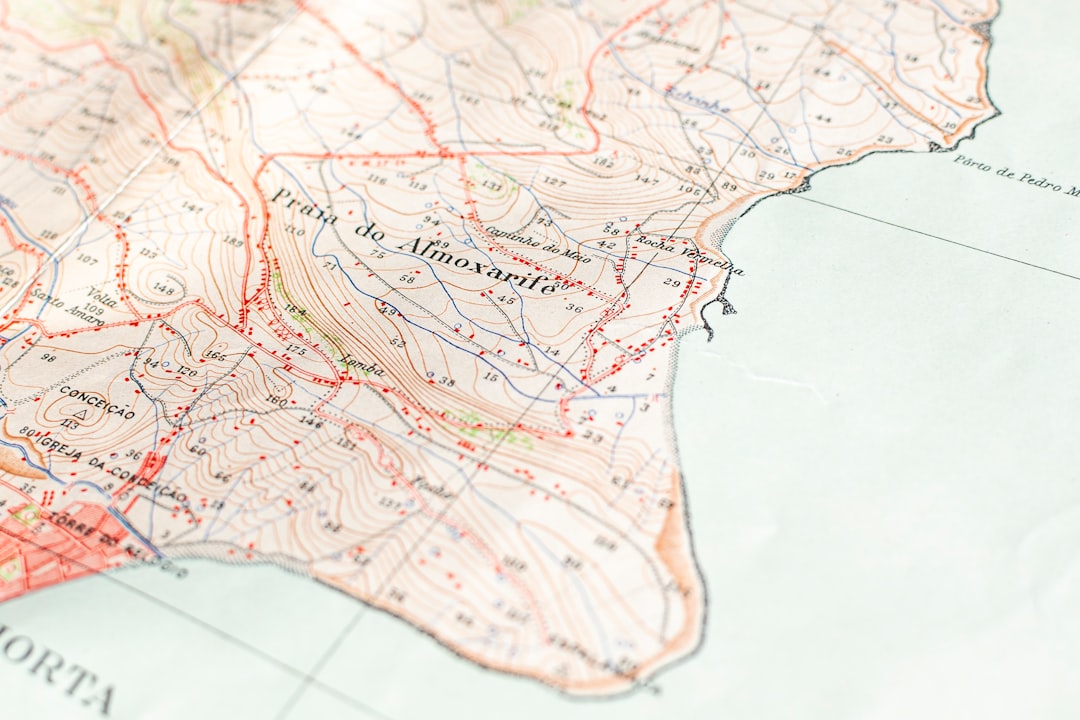
The Piri Reis Map, created in 1513 by the Ottoman admiral and cartographer Piri Reis, stands as a remarkable artifact of early cartography. This map is particularly notable for its depiction of parts of Europe, Africa, and the Americas, showcasing a level of detail that was unprecedented for its time. Crafted on a piece of worn parchment, the map is not only a navigational tool but also a historical document that reflects the geographical knowledge and cultural exchanges of the early 16th century.
The map’s intricate illustrations and annotations provide insights into the maritime practices and worldviews of the era, making it a subject of fascination for historians, geographers, and enthusiasts alike. The significance of the Piri Reis Map extends beyond its artistic merit; it serves as a testament to the advancements in navigation and exploration during the Age of Discovery. The map is believed to have been compiled using various sources, including earlier maps and accounts from explorers.
This amalgamation of knowledge highlights the interconnectedness of different cultures and civilizations in the pursuit of understanding the world. As scholars delve deeper into its origins and implications, the Piri Reis Map continues to captivate those interested in the evolution of cartography and its role in shaping human history.
Key Takeaways
- The Piri Reis Map is a famous historical map created by Ottoman cartographer Piri Reis in 1513.
- The map has sparked mystery and controversy due to its accurate depiction of coastlines and its potential connection to ancient seafaring knowledge.
- Cartography plays a crucial role in uncovering glacial history and understanding climate change through the analysis of historical maps like the Piri Reis Map.
- Researchers have analyzed the Piri Reis Map for glacial evidence, suggesting that it may have been based on ancient sources predating known exploration.
- Comparing the Piri Reis Map with modern geological data has revealed potential evidence of glacial activity and changes in coastlines over time.
The Mystery of the Piri Reis Map
The allure of the Piri Reis Map lies not only in its artistic and historical value but also in the mysteries that surround it. One of the most intriguing aspects is the accuracy with which it depicts certain geographical features, particularly those of South America and Antarctica. The map includes details that were not officially discovered until centuries later, leading to speculation about how Piri Reis acquired such precise information.
Some researchers have posited that ancient civilizations possessed advanced navigational techniques or knowledge that has since been lost to time. Moreover, the map’s depiction of Antarctica, which appears without ice cover, raises questions about the historical climate of the region. This has led to various theories regarding ancient seafaring capabilities and the potential for earlier civilizations to have explored areas that are now inaccessible due to glacial coverage.
The enigmatic nature of the Piri Reis Map has sparked debates among historians, archaeologists, and scientists, each attempting to unravel its secrets while grappling with the implications of its findings.
Uncovering Glacial History through Cartography
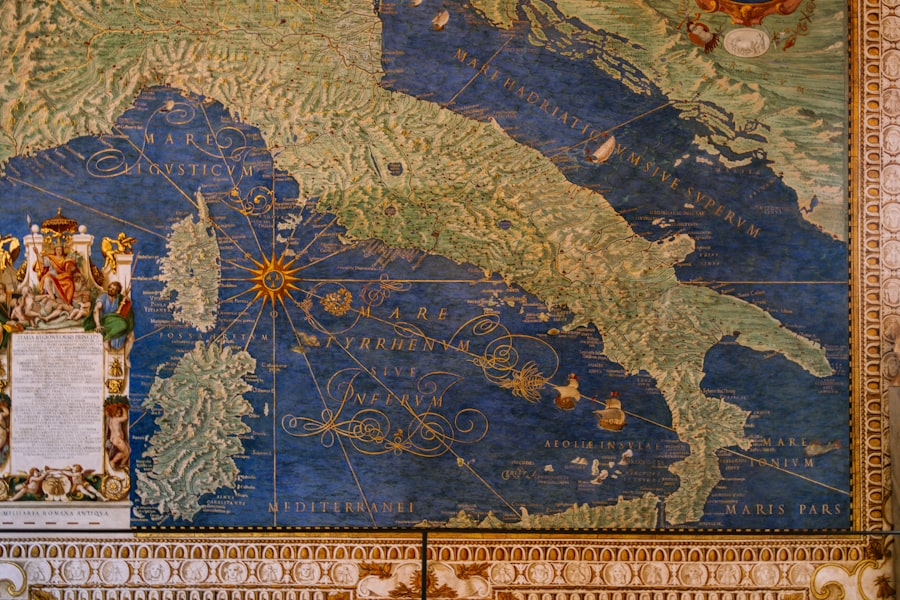
Cartography serves as a powerful tool for understanding glacial history, as maps can reveal changes in landscapes over time. The Piri Reis Map is particularly significant in this context because it offers a glimpse into a world that may have been vastly different from what is observed today. By analyzing historical maps alongside geological data, researchers can piece together a narrative of glacial movements and climatic shifts that have occurred over millennia.
The study of glacial history through cartography involves examining how ice sheets have advanced and retreated across various regions. This process not only informs scientists about past climate conditions but also helps predict future changes in response to global warming. The Piri Reis Map, with its potential representation of an ice-free Antarctica, invites further investigation into how ancient climates may have influenced human exploration and settlement patterns.
Analyzing the Piri Reis Map for Glacial Evidence
| Glacial Evidence | Findings |
|---|---|
| Glacial extent | Shows glacial extent in the northern hemisphere |
| Topography | Depicts mountainous regions and valleys |
| Ice sheets | Indicates presence of ice sheets and glaciers |
| Climate indicators | Provides clues about past climate conditions |
In recent years, scholars have turned their attention to the Piri Reis Map as a potential source of glacial evidence. By scrutinizing its depictions of coastlines and landforms, researchers aim to identify features that may correlate with known glacial activity. For instance, certain topographical elements on the map could indicate areas that were once free from ice cover, suggesting a warmer climate during the time it was created.
Additionally, comparisons between the map’s illustrations and modern geological surveys can yield insights into how glacial processes have shaped landscapes over time. By overlaying contemporary data onto the Piri Reis Map, scientists can assess whether specific features align with known glacial formations or if they represent an entirely different geological history. This analytical approach not only enhances understanding of glacial dynamics but also sheds light on the broader implications for climate change and environmental shifts.
Comparing the Piri Reis Map with Modern Geological Data
The juxtaposition of the Piri Reis Map with modern geological data reveals fascinating correlations and discrepancies that enrich our understanding of both historical cartography and contemporary geology. Researchers have employed advanced technologies such as Geographic Information Systems (GIS) to overlay the map onto current topographical data, allowing for a detailed comparison of landforms and coastlines. This process has illuminated areas where the map’s representations align closely with modern geological findings, suggesting that Piri Reis may have had access to accurate information about certain regions.
Some features depicted on the Piri Reis Map do not correspond with established geological formations, leading to questions about their origins. These inconsistencies fuel ongoing debates about whether ancient civilizations possessed knowledge that has since been lost or if they relied on mythological or speculative interpretations of geography.
The interplay between historical maps and modern science continues to challenge conventional narratives about exploration and discovery.
The Controversy Surrounding the Piri Reis Map

The Piri Reis Map has not been without controversy, as its existence raises questions about historical accuracy and the sources from which it was derived. Critics argue that some elements of the map may be exaggerated or misrepresented, leading to misconceptions about ancient navigational capabilities. The debate centers around whether Piri Reis was a skilled cartographer who synthesized various sources or if he relied on hearsay and folklore to create his work.
Furthermore, discussions surrounding the map often touch upon broader themes of cultural appropriation and knowledge transmission among civilizations. Some scholars contend that attributing advanced navigational skills solely to European explorers overlooks contributions from indigenous peoples and other cultures that played significant roles in maritime exploration. This controversy highlights the importance of critically examining historical narratives and recognizing the diverse influences that shape our understanding of geography.
The Impact of the Piri Reis Map on Glacial Research
The Piri Reis Map has made a notable impact on glacial research by providing a unique perspective on historical climate conditions.
By integrating insights from the map into contemporary research, scholars can develop a more nuanced understanding of past climates and their influence on human activity.
Moreover, the map serves as a catalyst for interdisciplinary collaboration among historians, geologists, and climatologists. As researchers from diverse fields come together to analyze the Piri Reis Map, they contribute to a richer dialogue about climate change and its historical context. This collaborative approach fosters innovative methodologies that enhance our ability to interpret both ancient cartographic artifacts and modern geological data.
Exploring the Possibility of Ancient Seafaring Knowledge
The Piri Reis Map raises intriguing questions about ancient seafaring knowledge and capabilities. Its detailed depictions suggest that earlier civilizations may have possessed sophisticated navigational techniques that allowed them to explore vast oceanic expanses long before modern technology emerged. This possibility challenges conventional narratives about maritime exploration and invites further investigation into how knowledge was shared across cultures.
Some researchers propose that ancient mariners utilized celestial navigation or other methods to chart their courses accurately. The presence of detailed coastlines on the Piri Reis Map implies that these navigators had access to reliable information about landforms and currents, which would have been essential for successful voyages. By examining historical accounts alongside cartographic evidence, scholars can begin to reconstruct a more comprehensive picture of ancient seafaring practices.
The Role of the Piri Reis Map in Understanding Climate Change
As discussions surrounding climate change become increasingly urgent, the Piri Reis Map offers valuable insights into how past climates have shaped human history. Its potential representation of an ice-free Antarctica serves as a reminder that significant climatic shifts have occurred throughout Earth’s history, often with profound consequences for ecosystems and societies. By studying these historical patterns, researchers can better understand current trends in climate change and their implications for future generations.
The map also underscores the importance of interdisciplinary research in addressing climate-related challenges. By integrating insights from cartography, geology, and climatology, scientists can develop more robust models that account for both historical data and contemporary observations. This holistic approach enhances our ability to predict future climate scenarios and informs strategies for mitigating environmental impacts.
The Piri Reis Map as a Window into Ancient Cartographic Techniques
The Piri Reis Map serves as a fascinating window into ancient cartographic techniques and practices. Its intricate illustrations reflect not only artistic skill but also a deep understanding of geography and navigation for its time. The map’s creation involved synthesizing information from various sources, highlighting how knowledge was transmitted across cultures through trade routes and exploration.
Moreover, studying the techniques employed by Piri Reis provides insights into how early cartographers approached representation and accuracy. The use of symbols, annotations, and artistic embellishments reveals much about their worldview and priorities in mapping the known world. By examining these elements within the context of historical developments in cartography, scholars can trace the evolution of mapping practices over centuries.
The Continued Relevance of the Piri Reis Map in Glacial Studies
In conclusion, the Piri Reis Map remains a significant artifact in both historical cartography and glacial research. Its potential insights into ancient climates and seafaring practices continue to inspire scholarly inquiry across multiple disciplines. As researchers delve deeper into its mysteries, they uncover valuable lessons about past environmental conditions that resonate with contemporary discussions on climate change.
The ongoing relevance of the Piri Reis Map lies in its ability to bridge gaps between history, science, and culture. By fostering interdisciplinary collaboration and encouraging critical examination of historical narratives, this remarkable map contributes to a richer understanding of our planet’s climatic history and its implications for future generations. As scholars continue to explore its depths, they reaffirm the importance of preserving such artifacts as windows into our shared human experience with nature’s ever-changing landscape.
The Piri Reis map, a world map compiled in 1513 by the Ottoman admiral and cartographer Piri Reis, has long intrigued historians and cartographers due to its depiction of the coastlines of South America and Africa with remarkable accuracy for its time. This map is often discussed in the context of glacial history because some interpretations suggest it might depict the Antarctic coast free of ice, a controversial claim that has sparked numerous debates. For those interested in exploring more about the mysteries and historical context surrounding ancient maps like the Piri Reis map, a related article can be found on the Real Lore and Order website. You can read more about these fascinating topics by visiting their sample page.
WATCH THIS 🧊The US Military Confirmed It: What’s REALLY Under the Antarctic Ice?
FAQs
What is glacial history?
Glacial history refers to the study of past glacial activity, including the formation and movement of glaciers, as well as the impact of glaciers on the Earth’s landscape and climate.
What is the Piri Reis map?
The Piri Reis map is a world map created by the Ottoman admiral and cartographer Piri Reis in 1513. It is notable for its inclusion of what some believe to be a representation of the Antarctic coastline, which has led to speculation about its possible connection to ancient or advanced civilizations.
What is the significance of the Piri Reis map in glacial history?
The Piri Reis map has been the subject of debate and speculation due to its depiction of the Antarctic coastline, which some claim could only have been mapped when the region was free of ice. This has led to theories about advanced ancient civilizations or prehistoric global exploration.
What do scientists say about the Piri Reis map’s depiction of the Antarctic coastline?
Most scientists and historians believe that the depiction of the Antarctic coastline on the Piri Reis map is not evidence of advanced ancient civilizations or prehistoric global exploration. They argue that the map’s representation of the Antarctic coastline is likely a result of inaccuracies in the mapmaking process or misinterpretation of existing geographical knowledge.
How does the Piri Reis map relate to our understanding of glacial history?
The Piri Reis map has sparked interest in the study of glacial history by prompting discussions about the extent of ancient geographical knowledge and the potential impact of past glacial activity on global exploration and cartography. However, it is important to approach these discussions with a critical and evidence-based perspective.