
Historical fallacies represent a significant challenge in the study of history, as they can distort our understanding of past events and figures. These fallacies arise from various sources, including misinterpretations, biases, and the selective use of evidence. They can lead to the propagation of myths and misconceptions that shape collective memory and influence contemporary society.
The importance of recognizing and addressing these fallacies cannot be overstated, as they not only affect academic discourse but also have real-world implications for cultural identity and social cohesion. The examination of historical fallacies invites scholars and enthusiasts alike to engage in a critical analysis of the narratives that have been constructed over time. By scrutinizing the sources and methodologies employed in historical research, one can uncover the layers of interpretation that have led to erroneous conclusions.
This process is essential for fostering a more nuanced understanding of history, one that acknowledges complexity and embraces the multiplicity of perspectives that characterize human experience.
Key Takeaways
- Historical fallacies can have a significant impact on society and our understanding of the past.
- Artifacts play a crucial role in uncovering historical truths and challenging misconceptions.
- Case studies of artifacts disproving historical narratives highlight the importance of reevaluating our understanding of history.
- Misinterpretation of artifacts can contribute to historical fallacies and the need for critical analysis of historical sources.
- Embracing a more accurate understanding of history is essential for addressing the consequences of historical fallacies and promoting ethical considerations in historical revisionism.
The Role of Artifacts in Uncovering Historical Truths
Artifacts serve as tangible links to the past, providing invaluable insights into the lives, cultures, and societies that once existed. These objects, ranging from tools and pottery to inscriptions and artworks, offer a direct connection to historical events and practices. They can illuminate aspects of daily life, social structures, and belief systems that written records may overlook or misrepresent.
As such, artifacts play a crucial role in uncovering historical truths, allowing historians and archaeologists to piece together a more comprehensive picture of human history. The study of artifacts is not merely about cataloging objects; it involves interpreting their significance within their cultural context.
By analyzing the materials, craftsmanship, and usage of artifacts, researchers can draw conclusions about technological advancements, trade networks, and social hierarchies. In this way, artifacts become essential tools for challenging established narratives and revealing the complexities of past societies.
Case Studies of Artifacts Disproving Historical Narratives

Throughout history, numerous artifacts have emerged that challenge prevailing historical narratives, prompting scholars to reevaluate long-held beliefs. One notable example is the discovery of the Dead Sea Scrolls in the mid-20th century. These ancient texts, dating back to the Second Temple period, provided new insights into Jewish history and early Christianity.
They revealed a diversity of beliefs and practices that contradicted the monolithic portrayal of these religions in earlier historical accounts. The scrolls not only enriched our understanding of religious thought but also highlighted the importance of considering multiple perspectives in historical analysis. Another compelling case is the excavation of the ancient city of Troy, which was long thought to be a mere myth until archaeological evidence confirmed its existence.
The findings at Hisarlik in modern-day Turkey provided tangible proof of a city that had been believed to be fictional, as described in Homer’s epics. This discovery not only validated aspects of Greek mythology but also prompted historians to reconsider the interplay between myth and history. Such cases illustrate how artifacts can serve as catalysts for rethinking established narratives and encourage a more critical examination of historical sources.
The Impact of Historical Fallacies on Society
| Historical Fallacy | Impact on Society |
|---|---|
| Revisionist History | Distorts the understanding of past events and can lead to misinformation being perpetuated. |
| False Narratives | Can shape public opinion and influence policies based on inaccurate information. |
| Denial of Historical Events | Undermines the experiences of those affected and can perpetuate injustice. |
| Historical Stereotypes | Contributes to prejudice and discrimination, impacting social cohesion. |
The consequences of historical fallacies extend far beyond academic circles; they can significantly impact societal beliefs and values. When inaccuracies permeate public understanding of history, they can shape national identities, influence political ideologies, and perpetuate stereotypes. For instance, romanticized narratives about colonialism often obscure the violence and exploitation that accompanied these historical processes.
Such distortions can foster a sense of pride in a nation’s past while simultaneously marginalizing the experiences of those who suffered under colonial rule. Moreover, historical fallacies can contribute to ongoing social tensions and conflicts. Misinterpretations of events such as wars or revolutions can lead to polarized views among different groups within society.
For example, differing interpretations of the American Civil War continue to fuel debates over race relations and regional identities in the United States. By perpetuating myths or oversimplified narratives, societies risk repeating past mistakes and failing to learn from history’s lessons.
How Misinterpretation of Artifacts Contributes to Historical Fallacies
Misinterpretation of artifacts is a common source of historical fallacies, as the context in which an object is found can dramatically alter its significance. When artifacts are removed from their original settings or analyzed without sufficient contextual information, they may be misrepresented or misunderstood. This can lead to erroneous conclusions about the cultures or societies that produced them.
For instance, an artifact that appears to serve one function may have had multiple uses or meanings within its original context. Additionally, biases in interpretation can further complicate the understanding of artifacts. Scholars may project contemporary values or assumptions onto ancient objects, leading to anachronistic interpretations that do not accurately reflect historical realities.
Such misinterpretations can reinforce existing stereotypes or misconceptions about certain cultures or periods. Therefore, it is essential for historians and archaeologists to approach artifacts with a critical eye, considering both their physical characteristics and their broader cultural implications.
The Importance of Reevaluating Historical Narratives
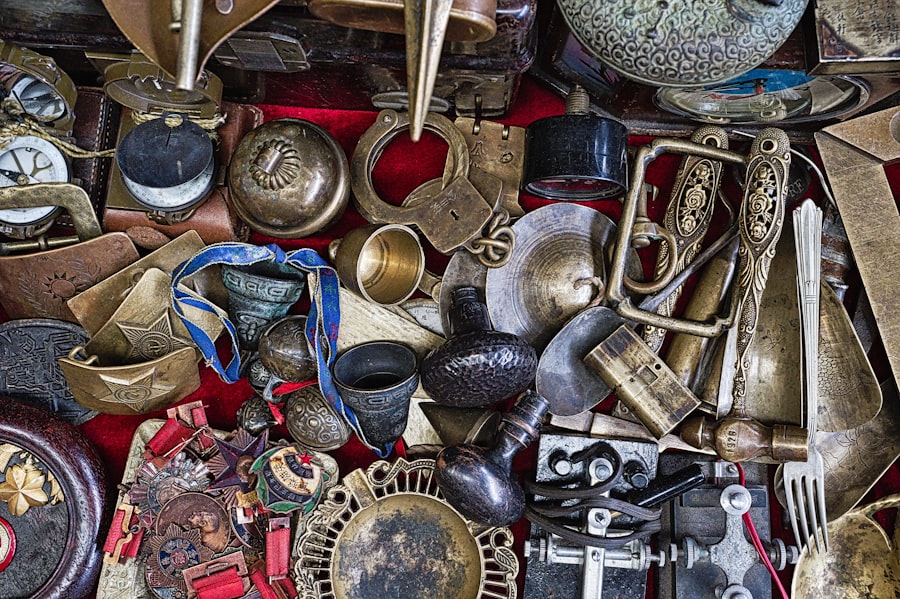
Reevaluating historical narratives is crucial for fostering a more accurate understanding of the past. As new evidence emerges and perspectives shift, it becomes necessary to revisit established accounts and consider alternative interpretations. This process not only enriches historical scholarship but also encourages a more inclusive approach to history that acknowledges diverse voices and experiences.
By challenging dominant narratives, historians can uncover hidden stories that have been overlooked or marginalized. Furthermore, reevaluation allows societies to confront uncomfortable truths about their pasts. Acknowledging historical injustices—such as slavery, genocide, or colonialism—can be a painful but necessary step toward healing and reconciliation.
By engaging with these difficult aspects of history, communities can foster dialogue and understanding among different groups, ultimately contributing to a more cohesive society.
The Role of Archaeology in Uncovering Historical Fallacies
Archaeology plays a pivotal role in uncovering historical fallacies by providing empirical evidence that can either support or challenge existing narratives. Through systematic excavation and analysis, archaeologists can recover artifacts and structures that offer insights into past societies. This scientific approach allows for a more rigorous examination of historical claims, as it relies on tangible evidence rather than speculation or conjecture.
Moreover, archaeology often reveals complexities that written records may obscure. For instance, archaeological findings can demonstrate the coexistence of multiple cultures in a region or highlight social dynamics that differ from those described in historical texts. By integrating archaeological data with other forms of evidence—such as oral histories or written documents—scholars can construct more nuanced narratives that reflect the diversity of human experience.
Addressing the Consequences of Historical Fallacies
Addressing the consequences of historical fallacies requires a concerted effort from educators, historians, and policymakers alike. Education plays a vital role in shaping public understanding of history; therefore, it is essential to promote critical thinking skills that encourage students to question established narratives and seek out diverse perspectives. By fostering an environment where inquiry is valued over rote memorization, educators can empower future generations to engage with history thoughtfully.
Additionally, public discourse surrounding history must prioritize accuracy and inclusivity. Media representations of historical events often perpetuate fallacies by oversimplifying complex issues or favoring sensationalism over factual reporting. Encouraging responsible journalism and promoting media literacy can help combat these tendencies, ensuring that public discussions are grounded in well-researched evidence rather than misinformation.
The Need for Critical Analysis of Historical Sources
Critical analysis of historical sources is fundamental for constructing accurate narratives about the past. Historians must evaluate the reliability and bias inherent in various sources—whether they are written documents, oral histories, or artifacts—to assess their validity. This process involves considering factors such as authorship, context, and purpose while also recognizing the limitations of each source.
Moreover, interdisciplinary approaches can enhance critical analysis by incorporating insights from fields such as sociology, anthropology, and psychology. By examining how social dynamics influence historical accounts or how memory shapes collective narratives, historians can develop a more comprehensive understanding of the past. This multifaceted approach not only enriches scholarship but also fosters a deeper appreciation for the complexities inherent in human history.
The Ethical Considerations of Historical Revisionism
Historical revisionism often carries ethical implications that warrant careful consideration. While revisiting established narratives is essential for accuracy, it is crucial to approach this process with sensitivity to the experiences of those affected by historical events. Revisionism should not serve as a means to erase or diminish the suffering endured by marginalized groups; rather, it should aim to amplify their voices and acknowledge their contributions to history.
Furthermore, ethical considerations extend to how historical narratives are presented in public spaces—such as museums or monuments—which can shape collective memory and identity. Engaging with diverse perspectives in these contexts ensures that history is represented in a manner that honors all experiences rather than privileging certain narratives over others.
Embracing a More Accurate Understanding of History
In conclusion, embracing a more accurate understanding of history necessitates a commitment to recognizing and addressing historical fallacies. By critically analyzing artifacts, reevaluating established narratives, and promoting inclusive approaches to historical scholarship, societies can foster a deeper appreciation for the complexities of human experience. The role of archaeology and interdisciplinary collaboration cannot be overstated; they provide essential tools for uncovering truths that challenge prevailing assumptions.
Ultimately, confronting historical fallacies is not merely an academic exercise; it has profound implications for contemporary society. By engaging with history thoughtfully and responsibly, individuals can contribute to a more informed public discourse that honors diverse perspectives and promotes social cohesion. In doing so, they pave the way for a future where history serves as a source of understanding rather than division—a foundation upon which communities can build resilience and unity in an ever-changing world.
Recent discoveries in archaeology have led to significant debates about the accuracy of historical narratives, with some artifacts suggesting that established timelines may be incorrect. For a deeper exploration of this topic, you can read the article on our website that discusses various artifacts and their implications for our understanding of history. Check it out here: com/sample-page/’>Artifacts Proving History is Wrong.
WATCH THIS! Why 99% of History Is Wrong (The Ooparts That Prove It)
FAQs
What are artifacts proving history is wrong?
Artifacts proving history is wrong are physical objects or items that challenge or contradict established historical narratives, timelines, or beliefs.
How do artifacts prove history is wrong?
Artifacts can prove history is wrong by providing evidence that contradicts or challenges existing historical accounts, timelines, or beliefs. This evidence can come in the form of archaeological finds, ancient texts, or other physical remains.
What are some examples of artifacts proving history is wrong?
Examples of artifacts proving history is wrong include ancient maps that suggest advanced knowledge of geography, ancient texts that describe technology or events previously thought impossible for the time period, and archaeological finds that challenge established timelines or cultural narratives.
Why is it important to consider artifacts proving history is wrong?
It is important to consider artifacts proving history is wrong because they can lead to a reevaluation of our understanding of the past, challenge existing assumptions, and contribute to a more accurate and nuanced understanding of history.
How do historians and archaeologists respond to artifacts proving history is wrong?
Historians and archaeologists may respond to artifacts proving history is wrong by conducting further research, reevaluating existing evidence, and considering the implications of the new findings on our understanding of history. This process may involve debate, skepticism, and ultimately a reassessment of historical narratives.