
The Iberian Crown Atlas stands as a remarkable testament to the rich history of cartography and exploration during the late medieval period. This intricate collection of maps, created in the 16th century, not only serves as a geographical reference but also encapsulates the political, cultural, and scientific aspirations of the Iberian Peninsula during a time of great change. The atlas is a product of the Age of Discovery, a period marked by European powers venturing into uncharted territories, driven by a thirst for knowledge and wealth.
The Iberian Crown Atlas, therefore, is not merely a compilation of maps; it is a narrative woven into the fabric of history, reflecting the ambitions and achievements of its creators. As scholars and enthusiasts delve into the pages of the Iberian Crown Atlas, they uncover layers of meaning that extend beyond mere geography. The atlas is a window into the past, revealing how the world was perceived by its creators and how they sought to document their understanding of it.
The significance of this atlas lies not only in its artistic and cartographic merit but also in its role as a historical document that provides insight into the socio-political dynamics of the time. The exploration of this atlas invites readers to consider the broader implications of mapping and navigation in shaping human history.
Key Takeaways
- The Iberian Crown Atlas is a historically significant map that played a crucial role in navigation and exploration.
- Its creation involved advanced cartographic techniques and detailed geographic knowledge of the time.
- The atlas contains hidden symbols and meanings that reveal insights into the cultural and political context of the Iberian Crown.
- It has influenced modern cartography and continues to be a subject of preservation and scholarly study.
- The atlas holds a lasting legacy, inspiring popular culture, art, and ongoing discoveries about early mapmaking.
The History and Significance of the Iberian Crown Atlas
The origins of the Iberian Crown Atlas can be traced back to a period when Spain and Portugal were at the forefront of global exploration. During the late 15th and early 16th centuries, these nations embarked on ambitious voyages that expanded their empires and brought them into contact with diverse cultures and lands. The atlas emerged as a crucial tool for navigators and explorers, providing them with essential information about newly discovered territories.
Its creation was not merely an artistic endeavor; it was a response to the practical needs of an age characterized by maritime exploration. The significance of the Iberian Crown Atlas extends beyond its immediate utility for navigation. It represents a confluence of art, science, and politics, reflecting the aspirations of the Iberian monarchies to assert their dominance on the global stage.
The atlas served as a symbol of power, showcasing the extent of territorial claims and the wealth that could be derived from exploration. Furthermore, it played a vital role in shaping European perceptions of the world, influencing how future generations would understand geography and navigation.
The Making of the Iberian Crown Atlas

The creation of the Iberian Crown Atlas was a collaborative effort that involved skilled cartographers, artists, and scholars. These individuals worked together to compile a comprehensive collection of maps that depicted both known and unknown regions. The process was labor-intensive, requiring meticulous attention to detail and an understanding of various scientific principles, including astronomy and mathematics.
The cartographers relied on a combination of firsthand accounts from explorers, existing maps, and their own observations to create accurate representations of the world. In addition to its technical aspects, the making of the Iberian Crown Atlas was also influenced by cultural factors. The artistic style employed in the atlas reflects the aesthetics of the time, incorporating elaborate illustrations and decorative elements that enhance its visual appeal.
The maps were not only functional but also served as works of art that conveyed a sense of wonder about the world. This blend of artistry and science is what makes the Iberian Crown Atlas a unique artifact that continues to captivate historians and cartography enthusiasts alike.
The Geographic and Cartographic Features of the Iberian Crown Atlas
The geographic features depicted in the Iberian Crown Atlas are both diverse and intricate. The atlas includes maps that cover vast expanses of land and sea, showcasing continents such as Africa, Asia, and the Americas. Each map is characterized by its unique style, with varying levels of detail that reflect the knowledge available at the time.
Coastal outlines are often depicted with precision, while inland areas may be less defined, indicating areas that were still largely unexplored. Cartographically, the Iberian Crown Atlas employs several techniques that were innovative for its time. The use of scale bars, compass roses, and latitude lines demonstrates an advanced understanding of navigation and geography.
These features not only enhance their aesthetic value but also serve practical purposes by providing navigators with essential information for their journeys.
Uncovering Hidden Symbols and Meanings in the Iberian Crown Atlas
| Metric | Details |
|---|---|
| Atlas Name | Iberian Crown Atlas |
| Date of Creation | 16th Century (circa 1590) |
| Origin | Spain and Portugal |
| Number of Maps | Approximately 50 |
| Material | Handmade parchment and ink |
| Notable Features | Detailed coastal outlines, secret cartographic symbols, hidden political messages |
| Purpose | Navigation, territorial claims, and political propaganda |
| Secret Elements | Encoded routes, concealed territorial boundaries, cryptic annotations |
| Current Location | National Library of Spain |
| Research Status | Ongoing studies to decode hidden messages and symbols |
Beneath its surface, the Iberian Crown Atlas is rich with hidden symbols and meanings that invite deeper exploration. Scholars have noted that many maps within the atlas contain allegorical representations that reflect contemporary beliefs and values. For instance, certain regions may be adorned with images representing local deities or historical figures, serving as markers of cultural significance.
These symbols provide insight into how different cultures were perceived by European explorers and cartographers. Moreover, the use of color and imagery in the atlas often carries specific connotations. For example, vibrant colors may signify wealth or fertility in certain regions, while darker hues might indicate danger or desolation.
By analyzing these elements, researchers can glean insights into not only geographical knowledge but also the cultural narratives that shaped perceptions of different lands. The hidden meanings within the Iberian Crown Atlas thus serve as a reminder that maps are not just tools for navigation; they are also reflections of human thought and experience.
The Role of the Iberian Crown Atlas in Navigation and Exploration
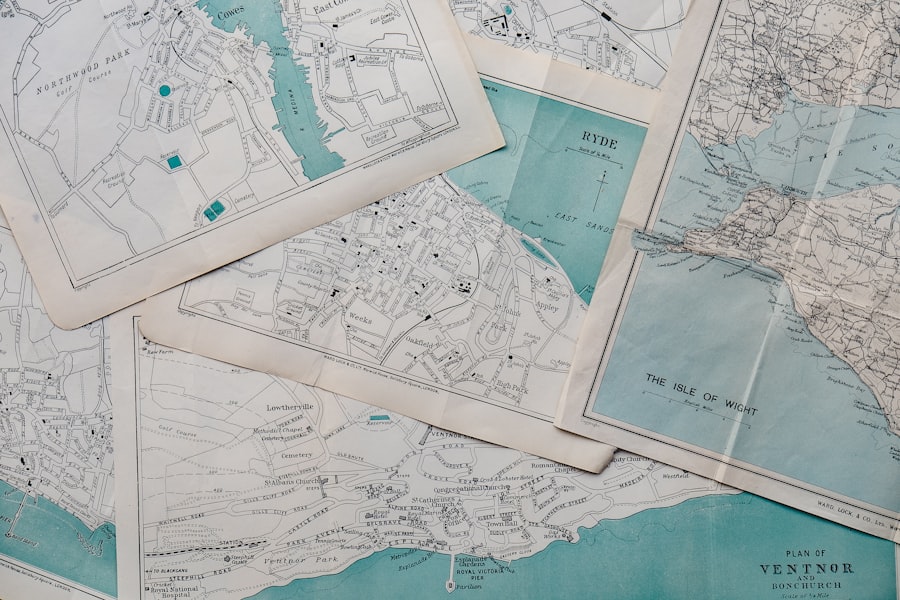
The Iberian Crown Atlas played a pivotal role in navigation during an era when maritime exploration was fraught with uncertainty. As explorers set sail into uncharted waters, they relied heavily on accurate maps to guide their journeys. The atlas provided essential information about coastlines, currents, and potential hazards, enabling navigators to make informed decisions as they ventured into unknown territories.
Its detailed representations allowed for more precise navigation than had previously been possible. In addition to its practical applications for navigation, the Iberian Crown Atlas also served as a source of inspiration for explorers. The maps depicted not only geographical features but also potential riches waiting to be discovered in distant lands.
This sense of adventure fueled further exploration as nations sought to expand their empires and assert their dominance over newly encountered territories. The atlas thus became an integral part of the broader narrative of exploration during this transformative period in history.
The Influence of the Iberian Crown Atlas on Modern Cartography
The impact of the Iberian Crown Atlas on modern cartography cannot be overstated. As one of the earliest comprehensive atlases produced during the Age of Discovery, it laid foundational principles that continue to inform contemporary mapping practices. The techniques employed by its creators—such as scale representation, thematic mapping, and artistic embellishments—have influenced generations of cartographers who followed in their footsteps.
Furthermore, the atlas’s emphasis on accuracy and detail set new standards for map-making that would resonate throughout history. Modern cartographers often draw upon historical atlases like the Iberian Crown Atlas to understand how mapping has evolved over time. By studying these early works, they gain insights into both technical advancements and shifts in cultural perspectives regarding geography.
In this way, the legacy of the Iberian Crown Atlas endures in today’s mapping practices.
Preservation and Conservation Efforts for the Iberian Crown Atlas
Recognizing its historical significance, preservation efforts for the Iberian Crown Atlas have become increasingly important over time. As an artifact from a bygone era, it faces threats from environmental factors such as light exposure, humidity, and physical wear due to handling. Institutions dedicated to preserving cultural heritage have implemented various strategies to ensure its longevity for future generations.
Conservation efforts often involve careful restoration processes aimed at repairing damage while maintaining authenticity. Experts utilize advanced techniques to stabilize fragile materials and prevent further deterioration. Additionally, digitization initiatives have emerged as a means to make high-quality reproductions accessible to a wider audience while safeguarding the original documents from excessive handling.
These efforts reflect a commitment to preserving not only the physical atlas but also its cultural significance.
The Iberian Crown Atlas in Popular Culture and Art
The allure of the Iberian Crown Atlas extends beyond academic circles; it has also found its way into popular culture and art. Its intricate designs and historical narratives have inspired artists across various mediums who seek to capture its essence in contemporary works. From paintings to installations, artists often draw upon themes from the atlas to explore concepts related to exploration, identity, and cultural exchange.
Moreover, references to the Iberian Crown Atlas can be found in literature and film as well. Writers have utilized its imagery as metaphors for adventure or discovery while filmmakers have incorporated its visual elements into storytelling that reflects on humanity’s relationship with geography. This intersection between history and modern creativity underscores how enduring artifacts like the Iberian Crown Atlas continue to resonate within contemporary culture.
The Legacy of the Iberian Crown Atlas
The legacy left by the Iberian Crown Atlas is multifaceted; it encompasses contributions to cartography, exploration narratives, cultural understanding, and artistic expression. As one delves deeper into its pages or studies its impact on subsequent generations, it becomes evident that this atlas is more than just a collection of maps—it is a reflection of human curiosity about our world. In addition to shaping historical perspectives on geography, the atlas has also influenced how societies view their place within global contexts today.
By examining past explorations documented within its pages, individuals can gain insights into contemporary issues related to globalization, cultural exchange, and environmental stewardship. Thus, while rooted in history, the legacy of the Iberian Crown Atlas continues to inform discussions about our shared future.
The Ongoing Mysteries and Discoveries of the Iberian Crown Atlas
As scholars continue to study the Iberian Crown Atlas, new mysteries and discoveries emerge that deepen our understanding of this remarkable artifact. Each examination reveals layers previously overlooked—whether through advancements in technology or fresh interpretations by contemporary researchers—ensuring that interest in this historical treasure remains vibrant. The ongoing exploration surrounding the atlas serves as a reminder that history is not static; it evolves as new perspectives come to light.
As individuals engage with this rich tapestry woven from maps, symbols, stories, and artistry, they contribute to an ever-expanding narrative about humanity’s quest for knowledge about our world—a quest that began centuries ago with works like the Iberian Crown Atlas but continues unabated today.
The Iberian Crown Atlas is a fascinating historical document that reveals the intricate connections between the various kingdoms of the Iberian Peninsula. For those interested in exploring more about the historical context and significance of such maps, you can read a related article on the subject at this link. This article delves into the secrets and stories behind the cartography of the era, shedding light on how these maps influenced trade, politics, and cultural exchanges in the region.
WATCH THIS! 🗺️ The Map That Proves Humans Explored Earth 5,000 Years Too Early
FAQs
What is the Iberian Crown Atlas?
The Iberian Crown Atlas is a historical map collection created during the period of the Iberian monarchies, primarily Spain and Portugal. It showcases geographical knowledge and cartographic techniques from the 15th to 17th centuries.
Why is the Iberian Crown Atlas significant?
The atlas is significant because it provides insight into the early exploration and territorial claims of the Iberian powers. It reflects the political, cultural, and navigational knowledge of the time and is a valuable resource for historians and cartographers.
What secrets or unique features does the Iberian Crown Atlas contain?
The atlas contains detailed and sometimes cryptic cartographic information, including early depictions of newly discovered lands, navigational routes, and symbolic illustrations. Some maps include coded messages or annotations that reveal political intentions or secret knowledge of the era.
Who created the Iberian Crown Atlas?
The atlas was created by skilled cartographers and navigators commissioned by the Iberian monarchies. These individuals often worked in royal map-making offices or were explorers who contributed firsthand knowledge.
Where can the Iberian Crown Atlas be viewed today?
Original copies or fragments of the Iberian Crown Atlas are typically housed in national libraries, museums, or archives in Spain and Portugal. Some digital versions or reproductions may be available online for public viewing.
How does the Iberian Crown Atlas differ from other contemporary atlases?
The Iberian Crown Atlas is distinguished by its focus on the territories and maritime routes relevant to the Iberian empires, its artistic style, and the inclusion of secret or coded information related to political and exploratory ambitions.
What role did the Iberian Crown Atlas play in navigation and exploration?
The atlas served as a crucial tool for navigators and explorers by providing updated maps, sea routes, and geographic information that guided voyages during the Age of Discovery, helping to expand Iberian influence globally.
Are there any known mysteries or controversies associated with the Iberian Crown Atlas?
Some historians debate the interpretation of certain symbols and annotations within the atlas, suggesting they may contain hidden messages or undisclosed knowledge about early exploration, territorial claims, or diplomatic relations.