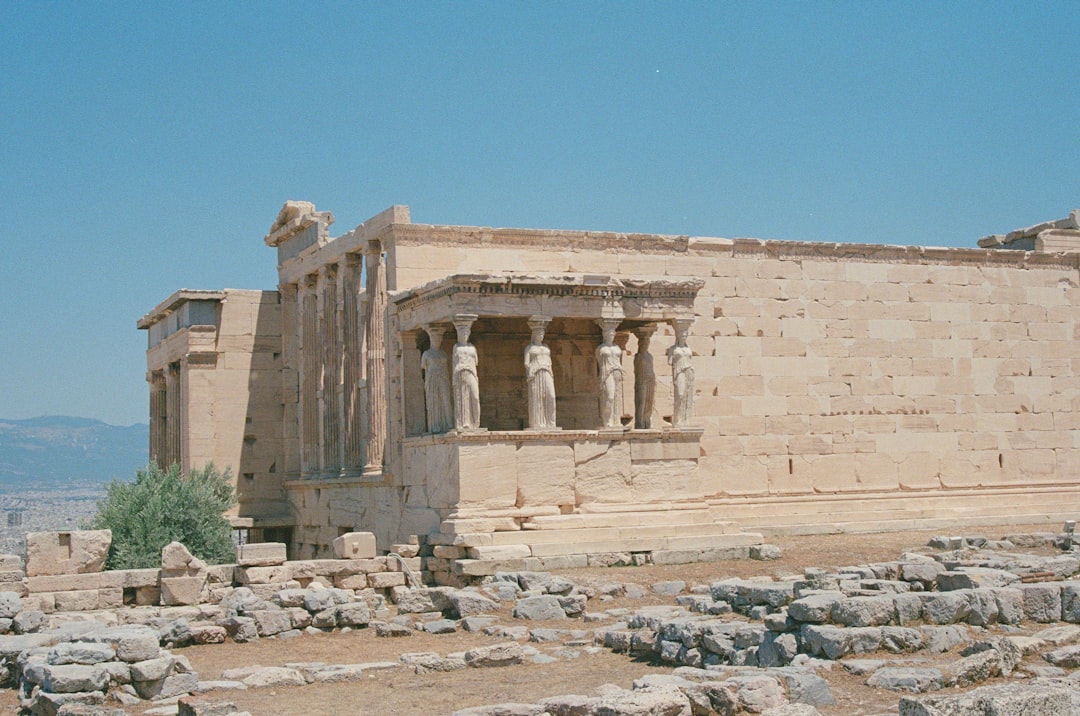
The enigma surrounding the disappearance of ancient empires has captivated historians and archaeologists for centuries. Civilizations such as the Maya, the Indus Valley, and the Roman Empire, once thriving with culture, innovation, and power, eventually faded into obscurity. The reasons for their decline are often complex and multifaceted, involving a combination of environmental changes, social upheaval, and external pressures.
For instance, the Maya civilization experienced a significant collapse around the 9th century, attributed to factors such as deforestation, drought, and warfare. These elements combined to create a perfect storm that led to the abandonment of once-bustling cities.
Economic troubles, political corruption, and military defeats weakened the empire from within, while barbarian invasions from the north further exacerbated its decline. The remnants of these once-great societies serve as a reminder of the fragility of human achievement and the ever-changing nature of power dynamics throughout history. As researchers continue to delve into these mysteries, they uncover new insights that challenge previous assumptions about why these empires vanished.
Key Takeaways
- Ancient empires often disappeared mysteriously, leaving behind unanswered questions about their downfall.
- Deciphering ancient scripts and languages has provided valuable insights into the history and culture of past civilizations.
- Archaeologists have unearthed hidden cities and palaces, shedding light on the daily lives of ancient societies.
- Forgotten dynasties rose and fell, shaping the course of history in ways that still impact modern society.
- The rediscovery of lost art and artifacts has enriched our understanding of ancient cultures and their artistic achievements.
Decoding Ancient Scripts and Languages
The task of decoding ancient scripts and languages is akin to piecing together a vast jigsaw puzzle, where each fragment holds the key to understanding a civilization’s thoughts, beliefs, and daily life. Scholars have dedicated their lives to deciphering languages such as cuneiform, hieroglyphics, and Linear B, each representing a unique window into the past. The Rosetta Stone, for example, was instrumental in unlocking the secrets of Egyptian hieroglyphs, allowing historians to finally read texts that had remained indecipherable for millennia.
This breakthrough not only illuminated the history of ancient Egypt but also provided insights into their culture, religion, and governance. Moreover, the study of ancient languages extends beyond mere translation; it involves understanding the context in which these languages were used. Linguists analyze syntax, grammar, and vocabulary to reconstruct how ancient peoples communicated their ideas and emotions.
The nuances of language can reveal much about societal values and priorities. For instance, the presence of numerous words for “love” in ancient Greek suggests a complex understanding of relationships that transcends mere romantic affection. As researchers continue to decode these ancient scripts, they contribute to a richer understanding of human history and the evolution of communication.
Unearthing Hidden Cities and Palaces
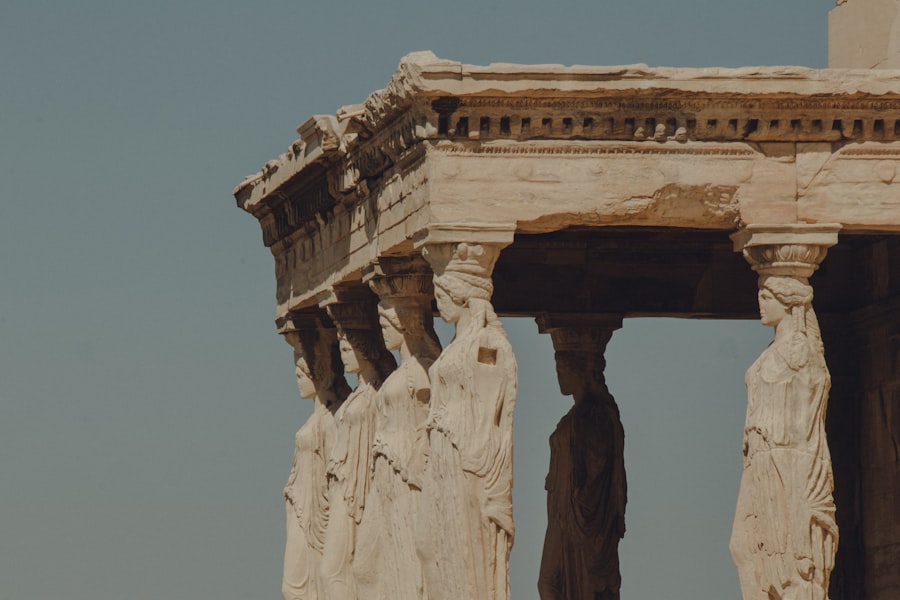
The discovery of hidden cities and palaces has often been likened to finding buried treasure, revealing not only architectural marvels but also the stories of those who once inhabited them. Archaeologists have unearthed remarkable sites such as Pompeii, which was preserved under volcanic ash for centuries, providing an unparalleled glimpse into Roman life. The meticulous excavation of this city has unveiled homes adorned with intricate frescoes, bustling marketplaces, and even graffiti that offers insights into the daily lives and thoughts of its residents.
In addition to Pompeii, other hidden cities like Angkor Wat in Cambodia showcase the grandeur of ancient civilizations. Once a thriving metropolis during the Khmer Empire, Angkor Wat is now recognized as one of the largest religious monuments in the world. Its intricate carvings and massive stone structures reflect not only architectural prowess but also the spiritual beliefs that shaped its construction.
Each discovery adds layers to our understanding of how these societies functioned and interacted with their environment. As archaeologists continue to explore uncharted territories, they remain hopeful that more hidden cities will emerge from the shadows of history.
The Rise and Fall of Forgotten Dynasties
| Dynasty | Duration | Peak Territory | Reason for Decline |
|---|---|---|---|
| Xia Dynasty | c. 2070–1600 BCE | Yellow River Valley | Internal strife and rebellion |
| Shang Dynasty | c. 1600–1046 BCE | Yellow River Valley | Overthrown by Zhou Dynasty |
| Zhou Dynasty | c. 1046–256 BCE | China’s Central Plains | Fragmentation and warring states |
| Qin Dynasty | 221–206 BCE | Unified China | Harsh rule and peasant revolts |
| Western Han Dynasty | 206 BCE–9 CE | Expanded to Central Asia | Corruption and power struggles |
The rise and fall of forgotten dynasties is a narrative woven into the fabric of human history, illustrating the cyclical nature of power and influence. Dynasties such as the Shang in China or the Gupta in India exemplify how leadership can shape cultural identity and societal progress. The Shang Dynasty, known for its advancements in bronze metallurgy and writing systems, laid the groundwork for future Chinese civilization.
However, like many dynasties before and after it, internal strife and external threats ultimately led to its decline. The Gupta Empire represents another fascinating case study in this regard. Often referred to as a golden age in Indian history, it was marked by significant achievements in art, science, and philosophy.
Yet, despite its cultural flourishing, the empire faced challenges from invading forces and internal divisions that contributed to its eventual downfall. These stories serve as poignant reminders that even the most prosperous societies are not immune to decline. By examining these forgotten dynasties, historians gain valuable insights into the factors that contribute to both success and failure in governance.
Rediscovering Lost Art and Artifacts
The rediscovery of lost art and artifacts is akin to unearthing pieces of a grand puzzle that tell stories of human creativity and expression throughout history. From ancient pottery to intricate sculptures, these artifacts provide tangible connections to civilizations long gone. The Elgin Marbles from ancient Greece are a prime example; these stunning sculptures once adorned the Parthenon but were removed in the early 19th century.
Their return has sparked debates about cultural heritage and ownership while highlighting the importance of preserving artistic legacies. In addition to monumental works like the Elgin Marbles, smaller artifacts such as jewelry or everyday tools offer insights into daily life in ancient societies. The meticulous craftsmanship displayed in these items reveals not only artistic skill but also cultural values and social structures.
As archaeologists continue to uncover these treasures, they contribute to a deeper understanding of human history and creativity.
Uncovering Advanced Technologies of the Past
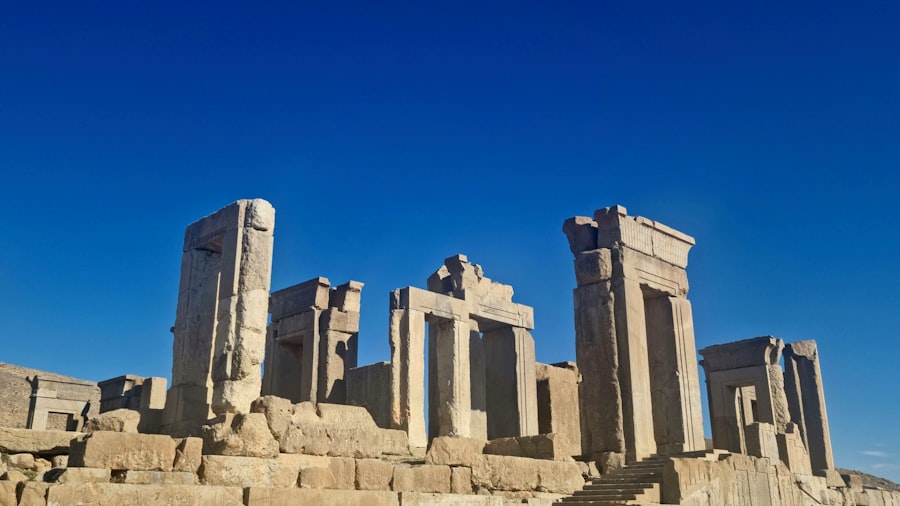
The exploration of advanced technologies from ancient civilizations reveals a remarkable ingenuity that often goes unrecognized in modern narratives. Many societies developed sophisticated engineering techniques long before contemporary innovations emerged. The construction of the pyramids in Egypt stands as a testament to this ingenuity; utilizing precise measurements and advanced knowledge of mathematics and astronomy, ancient Egyptians created monumental structures that have withstood the test of time.
Similarly, ancient Mesopotamia is credited with pioneering innovations such as irrigation systems that transformed agriculture in arid regions. These technologies not only improved crop yields but also facilitated urbanization by supporting larger populations. The wheel is another invention attributed to early civilizations that revolutionized transportation and trade.
By examining these advanced technologies, historians gain insight into how ancient peoples adapted to their environments and solved complex problems—lessons that remain relevant today as societies face new challenges.
Exploring Ancient Trade Routes and Commerce
The exploration of ancient trade routes unveils a complex web of commerce that connected distant civilizations long before globalization became a modern phenomenon. Trade routes such as the Silk Road facilitated not only the exchange of goods but also ideas, cultures, and technologies across vast distances. Spices from India, silk from China, and precious metals from Europe traversed these routes, enriching societies along the way.
The impact of trade on ancient civilizations cannot be overstated; it fostered economic interdependence and cultural exchange that shaped identities across regions. For instance, cities like Carthage thrived as commercial hubs due to their strategic locations along trade routes connecting Africa with Europe and Asia. The wealth generated through trade allowed for advancements in art, science, and architecture—elements that defined these civilizations’ legacies.
As researchers continue to map out these ancient networks, they uncover stories that highlight humanity’s enduring quest for connection and collaboration.
The Influence of Ancient Empires on Modern Society
The influence of ancient empires on modern society is profound and far-reaching, shaping everything from governance structures to cultural practices. Many contemporary political systems draw inspiration from ancient models; for instance, democratic principles can be traced back to ancient Greece’s city-states where citizens participated directly in decision-making processes. This legacy continues to resonate today as nations grapple with issues of representation and civic engagement.
Culturally, ancient empires have left indelible marks on art, literature, philosophy, and religion that persist in modern society. The works of philosophers like Socrates or Confucius continue to inform ethical discussions today while artistic styles from ancient Rome influence contemporary architecture. Additionally, religious beliefs rooted in ancient traditions still shape spiritual practices around the world.
By examining these influences, individuals can better appreciate how history informs present-day values and societal norms.
Understanding the Religious and Spiritual Beliefs of Ancient Civilizations
Understanding the religious and spiritual beliefs of ancient civilizations provides invaluable insights into their worldviews and societal structures. Many ancient cultures developed intricate belief systems that explained natural phenomena and provided frameworks for moral conduct. For example, the polytheistic religions of Mesopotamia featured gods associated with various aspects of life—agriculture, war, love—reflecting how deeply intertwined spirituality was with daily existence.
Rituals played a crucial role in these belief systems; they served not only as expressions of devotion but also as communal activities that reinforced social cohesion. Temples dedicated to deities became centers for worship and community gatherings where individuals sought favor from higher powers through offerings or sacrifices. As archaeologists uncover artifacts related to religious practices—such as altars or ceremonial objects—they illuminate how spirituality shaped identities within these civilizations.
The Legacy of Ancient Empires in Architecture and Engineering
The legacy left by ancient empires in architecture and engineering is evident in many modern structures that draw inspiration from their monumental designs. The grandeur of Roman aqueducts or Greek temples continues to influence contemporary architecture through principles such as symmetry, proportion, and functionality. These ancient builders demonstrated remarkable engineering skills that allowed them to create enduring structures capable of withstanding time’s passage.
Moreover, architectural innovations such as arches or domes revolutionized construction techniques during antiquity—elements still utilized today in various forms across different cultures worldwide. The Pantheon in Rome stands as an iconic example; its massive dome remains one of the largest unreinforced concrete domes ever built—a testament to Roman engineering prowess that inspires architects even now. By studying these legacies closely, individuals can appreciate how past achievements inform present practices while continuing to shape future developments.
Preserving and Protecting the Treasures of the Past
Preserving and protecting the treasures of the past is an ongoing challenge faced by societies worldwide as they strive to safeguard their cultural heritage for future generations. Archaeological sites are often vulnerable to threats such as urban development or climate change; thus proactive measures must be taken to ensure their survival amidst modern pressures. Organizations dedicated to heritage conservation work tirelessly alongside local communities to raise awareness about the importance of preserving historical sites.
In addition to physical preservation efforts—such as restoration projects or protective legislation—digital technologies have emerged as powerful tools for safeguarding cultural heritage. Virtual reality experiences allow individuals worldwide access to sites they may never visit physically while also providing opportunities for education about their significance. By embracing innovative approaches alongside traditional methods, societies can foster a deeper appreciation for their shared history while ensuring that treasures from antiquity endure through time’s passage.
In conclusion, exploring ancient empires reveals a rich tapestry woven from stories of triumphs and tribulations that continue to resonate today. From decoding scripts that unlock forgotten languages to unearthing hidden cities that tell tales long buried beneath layers of time—each discovery contributes invaluable insights into humanity’s collective journey through history. As individuals reflect on these legacies left behind by past civilizations—whether through art or architecture—they are reminded not only of where they come from but also inspired by what lies ahead on this ever-evolving path forward.
In exploring the lost secrets of ancient empires, one can gain fascinating insights into the mysteries that have shaped our history. A related article that delves deeper into these enigmatic civilizations can be found at