
Mexico City has established itself as a major technology center in Latin America over the past decade. The city, with a metropolitan population exceeding 21 million people, serves as Mexico’s primary economic hub and houses the headquarters of numerous multinational corporations and emerging technology companies. The technology sector in Mexico City has experienced substantial growth, driven by several key factors.
The city benefits from a large pool of skilled professionals, with over 130 universities and technical institutions producing graduates in engineering, computer science, and related fields. Additionally, Mexico City’s strategic location provides companies with access to both North American and Latin American markets, while offering cost advantages compared to traditional tech hubs like Silicon Valley. Government initiatives have played a crucial role in fostering technological development.
The Mexican government has implemented various programs to support innovation, including tax incentives for research and development activities, funding for startups through organizations like the National Entrepreneur Institute (INADEM), and the establishment of technology parks and incubators throughout the metropolitan area. The city also benefits from foreign direct investment, with international companies establishing operations to serve regional markets and take advantage of Mexico’s trade agreements, including the USMCA (formerly NAFTA).
Key Takeaways
- Mexico City has rapidly become a major hub for startups and innovation in Latin America.
- Government initiatives and support have significantly boosted the growth of the tech sector.
- Fintech and e-commerce are leading industries driving Mexico City’s tech expansion.
- The city hosts numerous tech hubs and co-working spaces fostering collaboration and entrepreneurship.
- Despite challenges, Mexico City’s tech community is diverse, inclusive, and poised for continued success.
The Growth of Startups in Mexico City
In recent years, Mexico City has witnessed an explosion of startup activity, with thousands of new ventures emerging across various sectors. This growth can be attributed to several factors, including increased access to funding, a burgeoning entrepreneurial culture, and the city’s strategic location as a gateway to both North and South America. Entrepreneurs are increasingly drawn to Mexico City due to its relatively low cost of living compared to other major cities, allowing them to stretch their resources further while building their businesses.
The startup ecosystem in Mexico City is diverse, encompassing industries such as fintech, e-commerce, health tech, and more. Many startups are leveraging technology to address local challenges, creating innovative solutions tailored to the unique needs of the Mexican market. This localized approach not only enhances the chances of success for these startups but also contributes to the overall economic development of the region.
As more entrepreneurs take the plunge into the startup world, Mexico City is solidifying its reputation as a breeding ground for innovation.
Key Players and Influencers in Mexico City’s Tech Industry
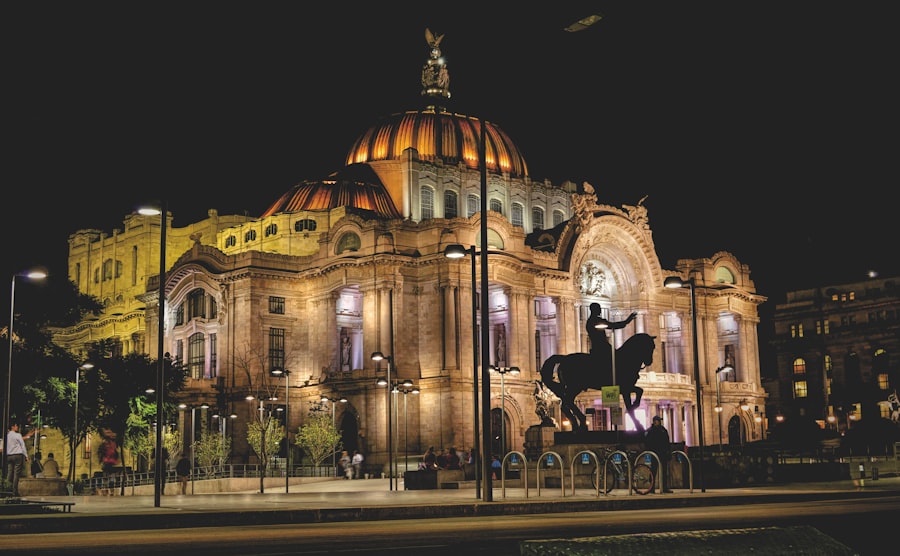
The success of Mexico City’s tech scene can be attributed to a myriad of key players and influencers who have dedicated their efforts to nurturing the ecosystem. Prominent venture capital firms, accelerators, and incubators have emerged as vital components of this landscape, providing essential funding and mentorship to budding entrepreneurs. Notable organizations such as 500 Startups and Seedstars have established a strong presence in the city, helping to identify and support promising startups.
In addition to financial backing, influential figures within the tech community play a crucial role in shaping the industry’s trajectory. Entrepreneurs who have successfully navigated the challenges of building their own companies often give back by mentoring others or investing in new ventures. Their experiences serve as valuable lessons for aspiring founders, fostering a culture of collaboration and knowledge-sharing that is essential for growth.
This interconnected web of support creates an environment where innovation can flourish.
The Impact of Government Support on Mexico City’s Tech Sector
Government support has been instrumental in propelling Mexico City’s tech sector forward. In recent years, local authorities have recognized the importance of fostering innovation and entrepreneurship as drivers of economic growth. Initiatives aimed at promoting technology adoption and supporting startups have been introduced, including tax incentives, grants, and access to public resources.
These measures have helped create a more favorable environment for tech companies to thrive. Moreover, government-backed programs have facilitated partnerships between public institutions and private enterprises, encouraging collaboration that benefits both parties. By investing in infrastructure and education, the government is laying the groundwork for a sustainable tech ecosystem that can adapt to future challenges.
As Mexico City continues to embrace its role as a tech hub, ongoing government support will be crucial in maintaining momentum and ensuring long-term success.
Mexico City’s Tech Hubs and Co-Working Spaces
| Metric | Value | Notes |
|---|---|---|
| Number of Tech Startups | 1,200+ | As of 2024, growing rapidly with focus on fintech and e-commerce |
| Annual Tech Investment | 1.5 Billion | Investment in local startups and innovation hubs |
| Tech Talent Pool | Over 150,000 | Includes software developers, engineers, and data scientists |
| Number of Tech Incubators/Accelerators | 30+ | Supporting early-stage startups and innovation |
| Major Tech Events Annually | 15+ | Includes conferences, hackathons, and meetups |
| Top Tech Sectors | Fintech, E-commerce, AI, Software Development | Key drivers of growth in the tech ecosystem |
| Average Salary for Software Developers | 35,000 | Annual average in local currency equivalent |
The physical landscape of Mexico City’s tech scene is marked by an array of tech hubs and co-working spaces that foster collaboration and innovation. These spaces serve as incubators for creativity, bringing together entrepreneurs, freelancers, and remote workers under one roof. Notable co-working spaces such as WeWork, Spaces, and local favorites like La Casa de las Ideas provide not only office amenities but also networking opportunities that can lead to fruitful partnerships.
These hubs often host events, workshops, and meetups that encourage knowledge-sharing among members of the tech community. By creating an environment conducive to collaboration, these spaces help break down barriers between different sectors and disciplines. As a result, they play a pivotal role in nurturing talent and facilitating the exchange of ideas that drive innovation forward in Mexico City.
The Rise of Fintech and E-commerce in Mexico City
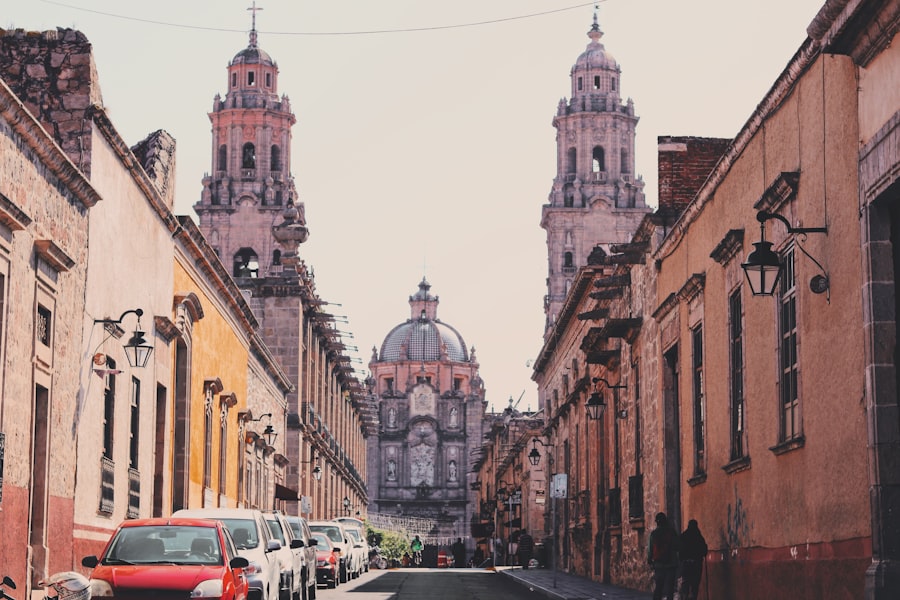
Among the various sectors experiencing rapid growth in Mexico City’s tech scene, fintech and e-commerce stand out as particularly dynamic areas. The fintech sector has gained significant traction due to the increasing demand for accessible financial services among the unbanked population in Mexico. Startups are leveraging technology to create innovative solutions that cater to this demographic, ranging from mobile payment platforms to digital lending services.
E-commerce has also seen remarkable growth in recent years, fueled by changing consumer behaviors and increased internet penetration. As more people turn to online shopping for convenience and variety, startups are capitalizing on this trend by offering unique products and services tailored to local preferences. The synergy between fintech and e-commerce is particularly noteworthy; many fintech solutions are designed specifically to enhance online transactions, making it easier for consumers to engage with e-commerce platforms.
Challenges and Opportunities for Tech Entrepreneurs in Mexico City
Despite its burgeoning growth, Mexico City’s tech scene is not without its challenges. Entrepreneurs often face obstacles such as regulatory hurdles, limited access to funding at certain stages of development, and fierce competition within the startup landscape. Navigating these challenges requires resilience and adaptability; entrepreneurs must be prepared to pivot their strategies in response to changing market conditions.
However, these challenges also present opportunities for innovation. As entrepreneurs work to overcome obstacles, they often develop creative solutions that can lead to new business models or technologies. Additionally, the growing interest from international investors in Mexico City’s tech ecosystem signals a shift towards greater recognition of its potential.
By leveraging local insights and global connections, entrepreneurs can position themselves for success in an increasingly competitive environment.
Mexico City’s Role in Latin America’s Tech Ecosystem
Mexico City plays a pivotal role in shaping Latin America’s tech ecosystem as one of its most influential cities. Its strategic location allows it to serve as a bridge between North America and other Latin American countries, facilitating cross-border collaboration and investment. As more startups emerge from Mexico City, they contribute not only to the local economy but also to the broader regional landscape.
The city’s vibrant tech scene has attracted attention from international investors seeking opportunities in Latin America.
As Mexico City continues to establish itself as a leading tech hub in the region, it is likely to inspire other cities across Latin America to invest in their own ecosystems.
Diversity and Inclusion in Mexico City’s Tech Community
Diversity and inclusion are critical components of Mexico City’s tech community. As the industry continues to grow, there is an increasing awareness of the importance of fostering an inclusive environment that reflects the rich cultural tapestry of the city. Initiatives aimed at promoting diversity within tech companies are gaining traction, with organizations actively working to recruit talent from underrepresented backgrounds.
Moreover, various community-driven efforts focus on empowering women and marginalized groups within the tech space. Programs that provide mentorship, training, and networking opportunities are helping to bridge the gender gap in technology roles. By prioritizing diversity and inclusion, Mexico City’s tech community is not only enhancing its own innovation potential but also setting an example for other regions striving for equity within their industries.
Success Stories and Notable Exits in Mexico City’s Tech Scene
The success stories emerging from Mexico City’s tech scene serve as inspiration for aspiring entrepreneurs navigating their own journeys. Companies like Clip, a mobile payment platform that has gained significant traction across Mexico, exemplify how innovative solutions can disrupt traditional industries. Clip’s success has attracted substantial investment from prominent venture capital firms, highlighting the potential for growth within the fintech sector.
Notable exits have also marked the evolution of Mexico City’s tech landscape. The acquisition of startups by larger companies demonstrates the increasing recognition of Mexican innovation on a global scale. These exits not only validate the efforts of entrepreneurs but also contribute to a cycle of reinvestment within the ecosystem as founders leverage their experiences to support new ventures.
The Future of Mexico City’s Tech Industry
Looking ahead, the future of Mexico City’s tech industry appears promising as it continues to evolve amidst changing global dynamics. With ongoing investments in infrastructure, education, and talent development, the city is well-positioned to maintain its status as a leading tech hub in Latin America. As new technologies emerge—such as artificial intelligence and blockchain—entrepreneurs will have opportunities to explore innovative applications that address pressing societal challenges.
Furthermore, as international interest in Latin America’s tech ecosystem grows, Mexico City stands poised to attract even more investment and talent from around the world. By fostering an environment that encourages collaboration among startups, investors, and government entities, Mexico City can solidify its role as a catalyst for innovation not only within its borders but throughout the entire region. In conclusion, Mexico City’s tech scene is a vibrant tapestry woven from diverse threads of innovation, collaboration, and resilience.
As it continues to grow and adapt to new challenges and opportunities, it remains an exciting focal point for entrepreneurs seeking to make their mark on the global stage.
The tech scene in Mexico City is rapidly evolving, with numerous startups and innovation hubs emerging throughout the city. For a deeper dive into the dynamics of this vibrant ecosystem, you can read more in the article available at this link. This article explores the challenges and opportunities faced by entrepreneurs in the region, highlighting key players and trends shaping the future of technology in Mexico City.
WATCH THIS! 🚨 Chicago’s Fiscal Cliff: Why America’s First City Is About to Fall
FAQs
What is the current state of the tech scene in Mexico City?
Mexico City has a rapidly growing tech scene, characterized by a vibrant startup ecosystem, increasing investment, and a strong talent pool. It is considered one of the leading tech hubs in Latin America.
What types of technology companies are prominent in Mexico City?
Mexico City hosts a diverse range of technology companies, including fintech startups, software development firms, e-commerce platforms, and companies specializing in artificial intelligence, blockchain, and mobile applications.
Are there any notable tech events or conferences held in Mexico City?
Yes, Mexico City regularly hosts major tech events and conferences such as Campus Party, Startup Weekend, and various fintech and innovation summits that attract entrepreneurs, investors, and tech professionals from across the region.
What support systems exist for startups in Mexico City?
Startups in Mexico City benefit from numerous accelerators, incubators, coworking spaces, and government programs designed to support innovation and entrepreneurship. Examples include Startup Mexico, MassChallenge Mexico, and the Mexico City Innovation Lab.
How is the talent pool for tech companies in Mexico City?
Mexico City has a large and growing pool of skilled tech professionals, supported by numerous universities and technical institutes offering programs in computer science, engineering, and related fields. The city also attracts international talent.
What role does government policy play in Mexico City’s tech ecosystem?
The Mexican government and local authorities have implemented policies and initiatives to foster innovation, improve digital infrastructure, and attract investment in the tech sector, contributing to the growth of Mexico City’s tech ecosystem.
How accessible is funding for tech startups in Mexico City?
Funding options for tech startups in Mexico City have expanded significantly, with access to venture capital, angel investors, government grants, and international investment funds focused on Latin America.
What challenges does the Mexico City tech scene face?
Challenges include infrastructure limitations, regulatory hurdles, competition for talent, and the need for greater access to early-stage funding. However, ongoing efforts aim to address these issues to sustain growth.
How does Mexico City compare to other tech hubs in Latin America?
Mexico City is one of the top tech hubs in Latin America, alongside cities like São Paulo, Buenos Aires, and Bogotá. It stands out for its large market size, strategic location, and growing investment climate.
What industries are driving tech innovation in Mexico City?
Key industries driving tech innovation include financial technology (fintech), e-commerce, health tech, logistics, and software development, with startups focusing on solving local and regional challenges.