Rare earth elements (REEs) are a group of 17 chemically similar elements that play a crucial role in modern technology and industry. These elements, which include lanthanum, cerium, neodymium, and dysprosium, are essential for the production of high-tech devices such as smartphones, electric vehicles, and renewable energy technologies. Their unique properties, such as high magnetic strength and luminescence, make them indispensable in various applications, from consumer electronics to advanced military systems.
As the world increasingly shifts towards a technology-driven economy, the importance of REEs continues to grow, highlighting their role as a cornerstone of innovation and progress. The significance of rare earth elements extends beyond their immediate applications. They are integral to the transition towards a more sustainable future, particularly in the context of renewable energy sources.
For instance, neodymium is vital for the production of powerful magnets used in wind turbines and electric motors. As nations strive to reduce their carbon footprints and embrace green technologies, the demand for REEs is expected to surge. This growing reliance on rare earth elements underscores the need for responsible sourcing and sustainable practices in their extraction and use.
Key Takeaways
- Rare earth elements are crucial for modern technology, including smartphones, electric vehicles, and renewable energy technologies.
- Rare earth elements were first discovered in the late 18th century and have a long history of use in various applications.
- The mining and extraction process of rare earth elements can have significant environmental impacts, including water and soil contamination.
- The global demand for rare earth elements is increasing, driven by the growing technology and renewable energy sectors.
- The geopolitical significance of rare earth elements is evident, as a few countries dominate the production and supply of these critical elements.
The Discovery and History of Rare Earth Elements
The journey of rare earth elements began in the late 18th century when Swedish chemist Johan Gadolin first isolated yttrium from a mineral called gadolinite. This marked the beginning of a series of discoveries that would unveil the unique properties of these elements. Over the following decades, scientists such as Martin Heinrich Klaproth and John Strutt contributed to the identification and isolation of other rare earth elements, including cerium and lanthanum.
The term “rare earth” was coined in the 19th century, reflecting both their scarcity in nature and the challenges associated with their extraction. Throughout the 20th century, the importance of rare earth elements became increasingly apparent, particularly during World War II when they were utilized in various military applications. The post-war era saw a surge in demand for REEs as industries expanded and technological advancements accelerated.
However, it wasn’t until the 1980s that China emerged as a dominant player in the global rare earth market, leading to significant shifts in production and supply chains. This historical context sets the stage for understanding the current landscape of rare earth element mining and its implications for global economies.
The Mining and Extraction Process of Rare Earth Elements
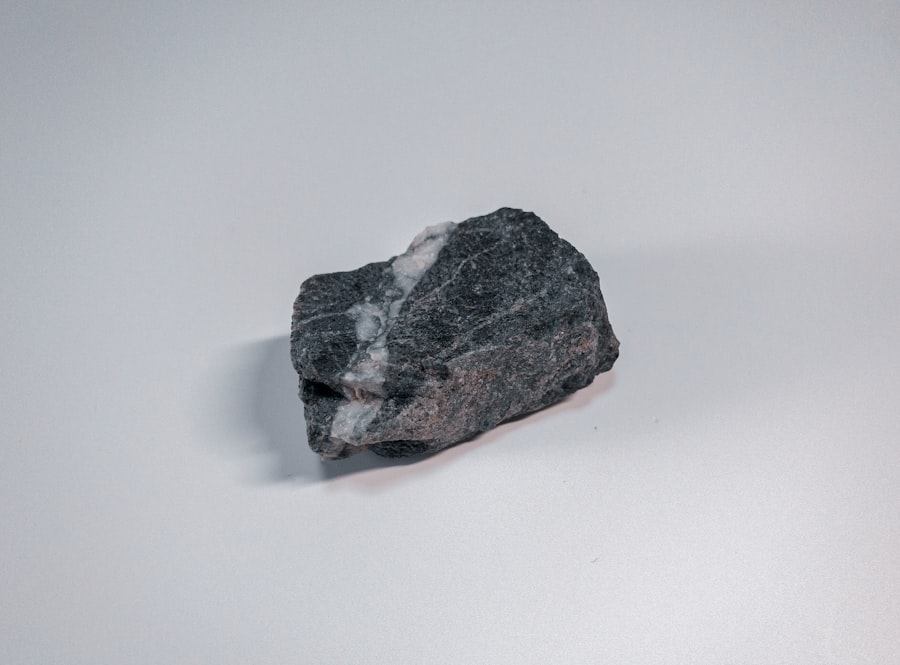
The mining and extraction of rare earth elements is a complex process that involves several stages, from exploration to processing. Initially, geologists conduct extensive surveys to identify potential deposits rich in REEs. Once a viable site is located, mining operations commence, often involving open-pit or underground methods.
The extracted ore is then crushed and subjected to various chemical processes to separate the desired rare earth elements from other minerals. This separation is typically achieved through techniques such as flotation, leaching, and solvent extraction. The intricacies of this process highlight the technical challenges associated with rare earth element extraction.
Each deposit presents unique geological characteristics that can affect the efficiency and cost-effectiveness of mining operations. Moreover, the low concentration of REEs in most ores necessitates large-scale mining efforts to yield economically viable quantities. As a result, companies must invest heavily in advanced technologies and methodologies to optimize extraction processes while minimizing waste and environmental impact.
The Environmental Impact of Rare Earth Element Mining
| Environmental Impact | Rare Earth Element Mining |
|---|---|
| Water Pollution | Contamination of groundwater and surface water due to toxic chemicals used in the mining process |
| Air Pollution | Release of dust and particulates containing harmful elements into the air |
| Deforestation | Destruction of natural habitats and ecosystems to make way for mining operations |
| Soil Contamination | Accumulation of toxic substances in the soil, affecting plant and animal life |
| Waste Generation | Production of large amounts of waste rock and tailings, which can leach hazardous materials |
While rare earth elements are vital for technological advancement, their extraction poses significant environmental challenges. Mining operations can lead to habitat destruction, soil erosion, and water contamination due to the release of toxic chemicals used in processing. Additionally, the waste generated during extraction often contains radioactive materials, raising concerns about long-term environmental degradation and public health risks.
These issues have sparked debates about the sustainability of rare earth element mining practices and the need for stricter regulations. Efforts to mitigate the environmental impact of REE mining are underway, with some companies exploring more sustainable practices. Innovations such as closed-loop systems aim to reduce waste generation by recycling materials used in extraction processes.
Furthermore, advancements in biotechnology are being investigated as potential solutions for more environmentally friendly extraction methods. However, achieving a balance between meeting global demand for rare earth elements and protecting ecosystems remains a significant challenge for the industry.
The Use of Rare Earth Elements in Modern Technology
Rare earth elements are integral to a wide array of modern technologies that shape daily life. In consumer electronics, for instance, neodymium is used in high-performance magnets found in headphones and speakers, enhancing sound quality and efficiency. Similarly, cerium plays a crucial role in catalytic converters for automobiles, helping to reduce harmful emissions and improve air quality.
The versatility of REEs extends to renewable energy technologies as well; they are essential components in wind turbines and solar panels, facilitating the transition to cleaner energy sources. The military sector also heavily relies on rare earth elements for advanced weaponry and defense systems. From precision-guided munitions to sophisticated communication devices, REEs enhance performance and reliability in critical applications.
As technological advancements continue to evolve, the demand for rare earth elements is expected to rise further, underscoring their significance in driving innovation across various industries.
The Global Demand for Rare Earth Elements
The global demand for rare earth elements has surged in recent years due to their pivotal role in emerging technologies and green energy solutions. As countries strive to transition away from fossil fuels and embrace renewable energy sources, the need for REEs has become increasingly pronounced. Electric vehicles (EVs), for example, rely on rare earth elements for efficient battery production and electric motor performance.
With major automakers committing to electrification strategies, the demand for REEs is projected to escalate dramatically.
Smartphones, tablets, and other devices require REEs for components such as displays and batteries.
As technology becomes more integrated into everyday life, the reliance on these critical materials will only intensify. This growing demand presents both opportunities and challenges for producers and consumers alike, necessitating strategic planning to ensure a stable supply chain.
The Geopolitical Significance of Rare Earth Elements
The geopolitical significance of rare earth elements cannot be overstated, particularly given their concentration in specific regions around the world. China currently dominates global production, accounting for over 60% of total supply. This monopoly has raised concerns among other nations about supply chain vulnerabilities and dependence on a single source for critical materials.
As countries seek to secure their access to rare earth elements, geopolitical tensions may arise over resource control and trade policies. In response to these concerns, several nations are exploring strategies to diversify their sources of rare earth elements. Initiatives aimed at developing domestic production capabilities or establishing partnerships with other resource-rich countries are gaining traction.
Additionally, efforts to recycle rare earth elements from electronic waste are being prioritized as a means to reduce reliance on primary sources. The geopolitical landscape surrounding REEs is evolving rapidly as nations recognize their strategic importance in securing technological advancements and economic stability.
The Challenges and Risks of Rare Earth Element Supply
Despite their critical importance, the supply chain for rare earth elements faces numerous challenges and risks that could impact availability in the future. One major concern is the environmental impact associated with mining operations, which can lead to regulatory scrutiny and potential disruptions in production. As public awareness of environmental issues grows, companies may face increased pressure to adopt sustainable practices or risk losing their social license to operate.
Additionally, geopolitical tensions can exacerbate supply chain vulnerabilities. Trade disputes or political conflicts may disrupt access to critical materials, leading to fluctuations in prices and availability. Furthermore, the complex nature of rare earth element extraction means that new sources take time to develop; establishing new mines or processing facilities requires significant investment and regulatory approvals.
These challenges underscore the need for proactive strategies to ensure a stable supply of rare earth elements amid an evolving global landscape.
The Future of Rare Earth Element Exploration and Production
Looking ahead, the future of rare earth element exploration and production is likely to be shaped by technological advancements and changing market dynamics. Innovations in extraction methods may lead to more efficient processes that minimize environmental impact while maximizing yield.
As countries prioritize sustainability and resource security, investments in domestic production capabilities are expected to increase. Governments may implement policies aimed at incentivizing exploration and development of new deposits within their borders. Furthermore, international collaborations focused on sharing knowledge and resources could enhance global supply chain resilience while promoting responsible sourcing practices.
The Role of Rare Earth Elements in Sustainable Development
Rare earth elements play a pivotal role in advancing sustainable development goals by enabling clean energy technologies and reducing environmental impacts across various sectors. Their application in renewable energy systems—such as wind turbines and solar panels—facilitates the transition towards low-carbon economies while addressing climate change challenges. By supporting innovations that promote energy efficiency and reduce greenhouse gas emissions, REEs contribute significantly to global sustainability efforts.
Moreover, as nations strive for circular economies that prioritize recycling and resource efficiency, rare earth elements can be recovered from electronic waste through innovative recycling techniques. This not only reduces reliance on primary sources but also minimizes environmental degradation associated with mining activities. By integrating sustainable practices into the lifecycle management of rare earth elements, societies can harness their benefits while safeguarding ecosystems for future generations.
The Impact and Implications of Rare Earth Elements
In conclusion, rare earth elements are indispensable components of modern technology that underpin various industries critical to economic growth and sustainability. Their unique properties enable advancements across sectors ranging from consumer electronics to renewable energy solutions. However, the challenges associated with their extraction—such as environmental impacts and geopolitical tensions—underscore the need for responsible sourcing practices.
As global demand for rare earth elements continues to rise amid technological advancements and sustainability initiatives, proactive strategies must be implemented to ensure a stable supply chain while minimizing environmental harm. By embracing innovation in exploration, production methods, and recycling efforts, societies can harness the potential of rare earth elements while addressing pressing environmental concerns. Ultimately, understanding the significance of these materials will be crucial as nations navigate an increasingly complex landscape shaped by technological progress and sustainability imperatives.
The documentary on rare earth elements provides an in-depth exploration of the critical role these materials play in modern technology and their geopolitical significance. For those interested in delving deeper into the subject, a related article on the topic can be found on Real Lore and Order. This article expands on the themes discussed in the documentary, offering additional insights into the environmental and economic impacts of rare earth element extraction and usage. You can read more about it by visiting the following link: Real Lore and Order.
WATCH THIS! They Can Shut Down Your World Overnight. This Is The Choke Point Controlling Everything!
FAQs
What are rare earth elements?
Rare earth elements are a group of 17 chemical elements in the periodic table, including scandium, yttrium, and the 15 lanthanides. They are essential for the production of various high-tech products such as smartphones, electric vehicles, and renewable energy technologies.
Why are rare earth elements important?
Rare earth elements are crucial for the manufacturing of many modern technologies due to their unique magnetic, luminescent, and catalytic properties. They are used in the production of electronics, batteries, magnets, and catalysts.
Where are rare earth elements found?
Rare earth elements are found in various minerals and ores, with the largest deposits located in China, Australia, the United States, and several other countries. They are often found in association with other elements, making their extraction and processing challenging.
What are the environmental concerns associated with rare earth element mining?
Rare earth element mining and processing can have significant environmental impacts, including soil and water contamination, habitat destruction, and the generation of large amounts of waste. Additionally, the extraction process can produce radioactive waste products.
Are there efforts to reduce the reliance on rare earth elements?
Efforts are underway to reduce the reliance on rare earth elements by developing alternative technologies and recycling strategies. Research is also focused on finding new sources of rare earth elements and improving extraction and processing methods to minimize environmental impact.