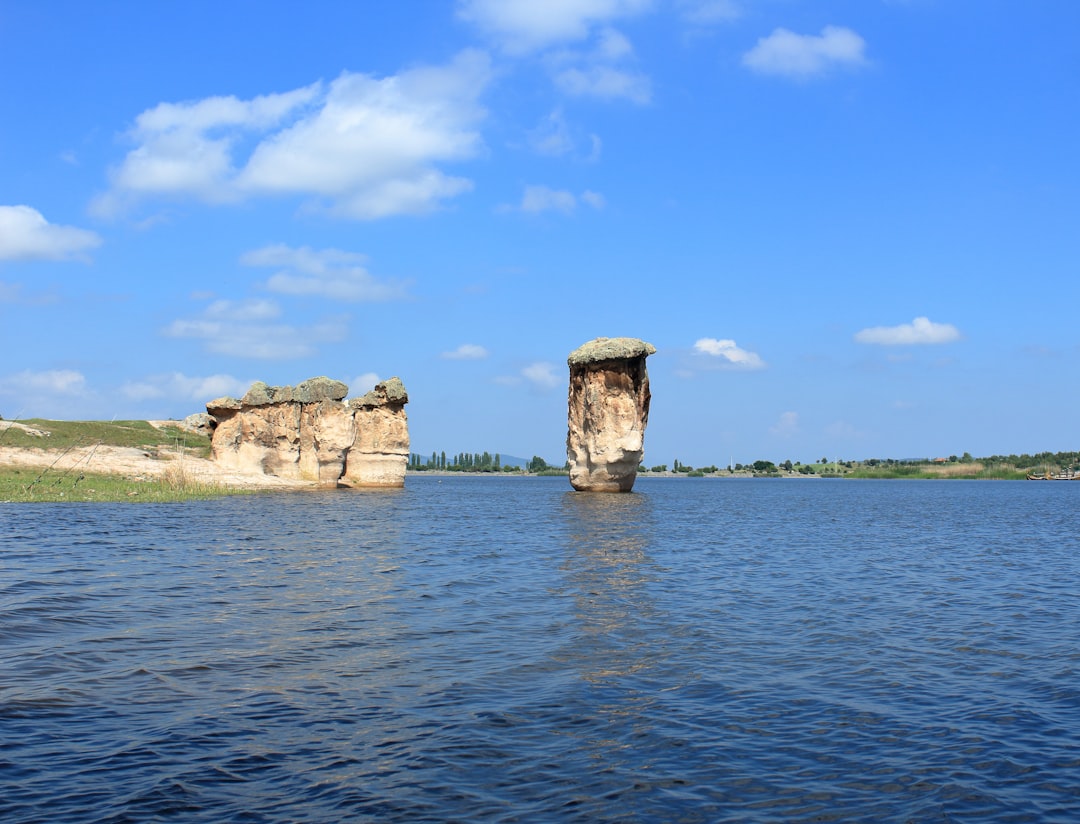
Ancient reservoir ruins stand as silent witnesses to the ingenuity and resourcefulness of past civilizations. These structures, often hidden beneath layers of earth or submerged beneath water, offer a glimpse into the sophisticated water management systems that once sustained entire communities. From the arid deserts of the Middle East to the lush valleys of South America, these remnants tell stories of survival, innovation, and the quest for control over one of humanity’s most vital resources: water.
As researchers and archaeologists delve into these sites, they uncover not only the physical remnants of ancient engineering but also the cultural narratives that shaped their construction and use. The allure of ancient reservoir ruins lies not only in their architectural grandeur but also in their ability to connect modern society with its historical roots. These structures serve as a testament to the challenges faced by ancient peoples in their pursuit of agricultural prosperity and urban development.
By studying these ruins, scholars can piece together the environmental conditions, societal structures, and technological advancements that defined various civilizations. The exploration of these ancient water systems is not merely an academic endeavor; it is a journey into the heart of human resilience and adaptability.
Key Takeaways
- Ancient reservoir ruins provide valuable insights into the engineering and cultural achievements of ancient civilizations.
- Reservoir ruins have historical significance, serving as evidence of advanced water management systems and societal development.
- Unearthing ancient reservoirs reveals the engineering marvels and advanced technology used in their construction.
- Ancient reservoirs played a crucial role in sustainable water management and had a significant impact on the cultural and societal development of ancient civilizations.
- The preservation and protection of ancient reservoir ruins are essential for future generations to continue exploring their historical, cultural, and engineering significance.
The Historical Significance of Reservoir Ruins
The historical significance of reservoir ruins cannot be overstated. They are often found at the intersection of agriculture, urbanization, and technological advancement, marking pivotal moments in human history. For instance, in ancient Mesopotamia, the construction of large-scale reservoirs allowed for the irrigation of vast tracts of land, transforming arid landscapes into fertile fields.
This agricultural revolution supported population growth and the rise of complex societies, ultimately leading to the establishment of some of the world’s first cities. The ruins of these reservoirs serve as a reminder of how water management was integral to societal development. Moreover, reservoir ruins often reflect the political and economic dynamics of their time.
In many cases, control over water resources was synonymous with power. Rulers and governments invested in these structures not only for their practical benefits but also as symbols of authority and stability. The remnants of ancient reservoirs can reveal insights into trade routes, social hierarchies, and even conflicts over resources.
By examining these ruins, historians can better understand the interplay between environment and society throughout different epochs.
Unearthing the Engineering Marvels of Ancient Reservoirs
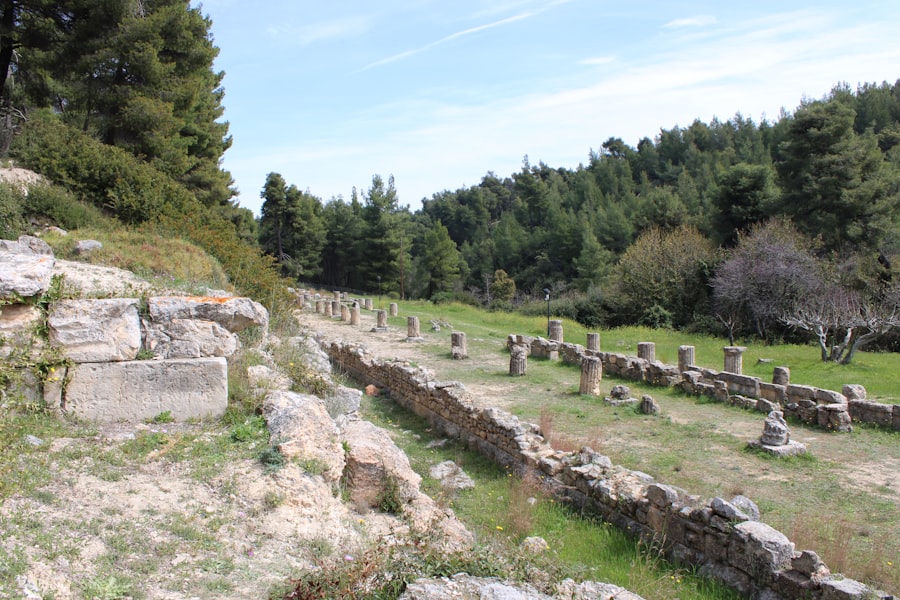
The engineering feats represented by ancient reservoir ruins are nothing short of remarkable. Many of these structures were built using techniques that showcased a deep understanding of hydrology and materials science. For example, the ancient Romans constructed aqueducts and reservoirs that utilized gravity to transport water over long distances, demonstrating an advanced grasp of engineering principles.
The remains of these systems reveal intricate designs that allowed for efficient water storage and distribution, highlighting the ingenuity of their creators. In addition to Roman engineering, other cultures also made significant contributions to reservoir construction. The Incas, for instance, developed sophisticated terracing and irrigation systems that included reservoirs strategically placed to capture rainwater in their mountainous terrain.
These engineering marvels not only served practical purposes but also reflected a harmonious relationship with the environment. As archaeologists continue to excavate these sites, they uncover new techniques and materials that challenge previous assumptions about ancient engineering capabilities.
The Cultural and Societal Impact of Ancient Reservoirs
| Reservoir Name | Location | Year Built | Size (acres) | Impact |
|---|---|---|---|---|
| Wadi Faynan Reservoir | Jordan | Approx. 2000 BCE | Unknown | Supported agriculture and provided water for local communities |
| Band-e Kaisar | Iran | 3rd century CE | Approx. 42,000 acres | Provided water for irrigation and supported local economy |
| Laurion Reservoirs | Greece | 5th century BCE | Unknown | Supported silver mining operations and provided water for the local population |
The cultural and societal impact of ancient reservoirs extends far beyond their functional roles in water management. These structures often became central to community life, serving as gathering places for social interaction and cultural exchange. In many ancient societies, reservoirs were not merely utilitarian; they were imbued with cultural significance and often featured prominently in local myths and legends.
The presence of a reservoir could signify prosperity and stability, fostering a sense of identity among the inhabitants. Furthermore, the construction and maintenance of reservoirs required collective effort, promoting social cohesion within communities. The labor involved in building these structures often brought people together, fostering collaboration across different social strata.
This communal aspect contributed to the development of social networks and relationships that transcended individual households. As such, ancient reservoirs can be seen as catalysts for social organization and cultural development.
The Mysteries Surrounding the Construction of Ancient Reservoirs
Despite extensive research, many mysteries still surround the construction of ancient reservoirs. Questions about the specific techniques used, the labor force involved, and the decision-making processes behind their locations remain subjects of ongoing investigation. For instance, while some scholars have proposed theories regarding the use of simple tools and manual labor, others suggest that more advanced methods may have been employed than previously thought.
The lack of written records from many ancient civilizations complicates efforts to fully understand these processes. Additionally, the motivations behind choosing specific sites for reservoir construction often elude researchers. Factors such as geography, climate, and proximity to population centers likely played significant roles in these decisions.
However, without concrete evidence, much remains speculative. As archaeological techniques advance and new technologies are employed in excavations, there is hope that some of these mysteries may eventually be unraveled.
Examining the Advanced Technology Used in Ancient Reservoirs
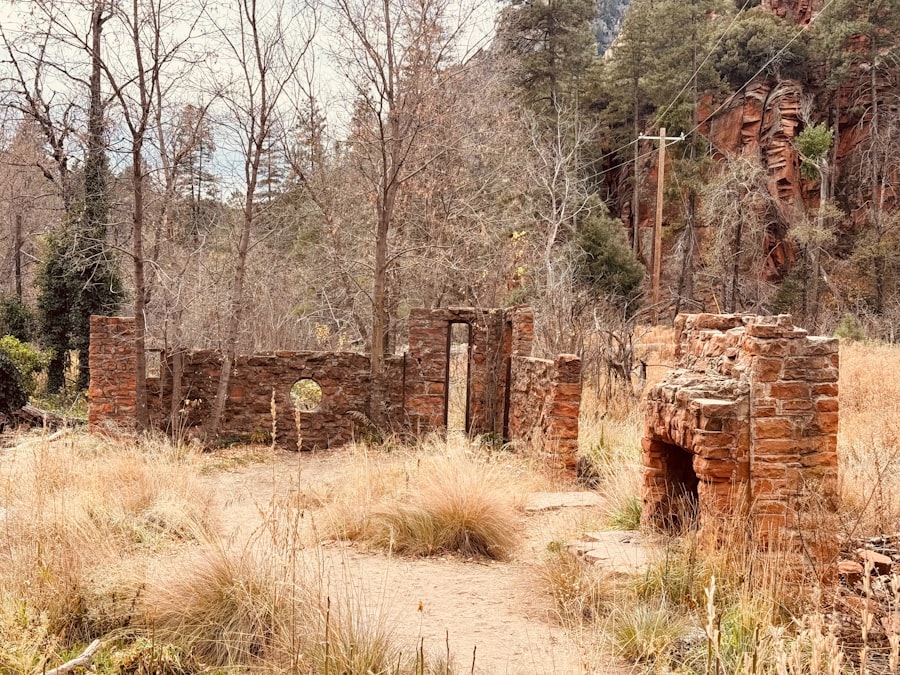
The technology employed in ancient reservoir construction reflects a level of sophistication that continues to impress modern engineers. Many ancient civilizations utilized locally available materials in innovative ways to create durable structures capable of withstanding environmental challenges. For example, the use of clay linings in reservoirs helped prevent water loss through seepage, showcasing an understanding of material properties that was ahead of its time.
Moreover, some ancient reservoirs incorporated features such as overflow channels and sedimentation basins designed to enhance water quality and manage excess rainfall. These elements demonstrate a comprehensive approach to water management that considered both quantity and quality—an understanding that is still relevant today. By studying these advanced technologies, modern engineers can gain insights into sustainable practices that have stood the test of time.
The Role of Ancient Reservoirs in Sustainable Water Management
Ancient reservoirs played a crucial role in sustainable water management long before contemporary practices emerged. By capturing and storing rainwater or river flow during wet seasons, these structures ensured a reliable water supply during dry periods. This practice not only supported agricultural activities but also contributed to the resilience of communities facing climate variability.
The principles underlying ancient reservoir systems resonate with modern concepts of sustainability. Many ancient cultures recognized the importance of maintaining a balance between human needs and environmental stewardship. Techniques such as rainwater harvesting and careful site selection reflect an awareness of ecological principles that can inform current water management strategies.
Discovering the Art and Symbolism of Ancient Reservoirs
Beyond their practical functions, ancient reservoirs often served as canvases for artistic expression and symbolism. Many cultures adorned their reservoirs with intricate carvings or inscriptions that conveyed religious or cultural messages. These artistic elements not only enhanced the aesthetic appeal of the structures but also reinforced their significance within the community.
In some cases, reservoirs were associated with deities or natural forces, reflecting a deep spiritual connection to water as a life-giving element. This symbolism often manifested in rituals or ceremonies held at reservoir sites, further intertwining cultural practices with water management systems. By exploring these artistic dimensions, researchers can gain insights into how ancient peoples perceived their relationship with water and its role in their lives.
Exploring the Spiritual and Religious Importance of Ancient Reservoirs
The spiritual and religious importance of ancient reservoirs is evident in many cultures around the world. Water has long been regarded as a sacred element in various belief systems, symbolizing purity, life, and renewal. In numerous ancient societies, reservoirs were not merely functional structures; they were imbued with spiritual significance that influenced rituals and community practices.
For instance, some cultures believed that certain reservoirs were blessed by deities or spirits associated with water sources. This belief often led to rituals aimed at appeasing these entities to ensure a bountiful supply of water for agriculture and daily life. The intersection between spirituality and water management highlights how deeply intertwined human existence is with natural resources—a theme that resonates across cultures and epochs.
Preserving and Protecting Ancient Reservoir Ruins for Future Generations
As interest in ancient reservoir ruins grows, so too does the need for preservation efforts to protect these invaluable sites from degradation and destruction. Many ancient structures face threats from urban development, climate change, and natural erosion processes. Recognizing their historical significance is crucial for ensuring that future generations can appreciate and learn from these remnants.
Efforts to preserve ancient reservoir ruins often involve collaboration between archaeologists, conservationists, local communities, and governments. Strategies may include establishing protected areas around significant sites or implementing sustainable tourism practices that minimize environmental impact while promoting awareness about cultural heritage. By prioritizing preservation initiatives, society can safeguard these treasures for future exploration and understanding.
The Future of Research and Exploration of Ancient Reservoir Ruins
The future of research into ancient reservoir ruins holds great promise as new technologies emerge to aid archaeological investigations.
Additionally, advancements in dating methods enable more accurate timelines for when these reservoirs were constructed and used.
As interdisciplinary approaches continue to evolve—combining archaeology with environmental science, anthropology, and engineering—scholars are poised to gain deeper insights into the complexities surrounding ancient reservoir systems. This collaborative spirit fosters a holistic understanding that transcends traditional disciplinary boundaries while enriching our appreciation for humanity’s historical relationship with water management. In conclusion, ancient reservoir ruins are more than mere remnants; they are gateways into understanding past civilizations’ ingenuity, culture, spirituality, and resilience in managing one of life’s most essential resources—water.
As research continues to unfold around these remarkable structures, they will undoubtedly reveal even more about humanity’s enduring quest for sustainability amidst changing environments.
In recent years, the discovery of ancient reservoir ruins has captivated historians and archaeologists alike, offering a glimpse into the sophisticated water management systems of past civilizations. These ruins, often hidden beneath layers of earth and vegetation, reveal the ingenuity and resourcefulness of ancient societies in harnessing and preserving water resources. For those interested in exploring more about the mysteries and historical significance of such ancient structures, a related article can be found on Real Lore and Order. This article delves into the broader context of ancient engineering marvels and their impact on modern understanding of historical water management. You can read more about it by visiting this link.
WATCH THIS! 😕They Buried the Truth: How Ancient Elites Hid a Climate Collapse.
FAQs
What are ancient reservoir ruins?
Ancient reservoir ruins are the remains of water storage systems built by ancient civilizations to collect and store water for various purposes such as irrigation, drinking water, and industrial use.
Where are ancient reservoir ruins found?
Ancient reservoir ruins can be found in various parts of the world, including regions with ancient civilizations such as the Middle East, Asia, Europe, and the Americas.
What are the secrets of ancient reservoir ruins?
The secrets of ancient reservoir ruins include the advanced engineering and construction techniques used by ancient civilizations to create these water storage systems, as well as the significance of these reservoirs in sustaining ancient societies.
How were ancient reservoir ruins constructed?
Ancient reservoir ruins were constructed using a variety of materials and techniques, including stone masonry, earthen embankments, and hydraulic engineering principles to capture and store water from natural sources such as rivers, springs, and rainfall.
What can we learn from ancient reservoir ruins?
Studying ancient reservoir ruins can provide insights into the technological, social, and environmental aspects of ancient civilizations, as well as their ability to adapt to and manage water resources in different landscapes and climates.