
Ancient cities stand as monumental testaments to human ingenuity, creativity, and social organization. They were not merely collections of buildings and streets; they were vibrant centers of culture, commerce, and governance. From the majestic ziggurats of Mesopotamia to the intricate urban layouts of the Indus Valley, these cities encapsulated the aspirations and complexities of their inhabitants.
Each city was a microcosm of its society, reflecting the values, beliefs, and social hierarchies that defined its people. The study of these ancient urban centers provides invaluable insights into the evolution of human civilization and the intricate web of relationships that sustained them. The significance of ancient cities extends beyond their architectural grandeur.
They served as hubs for trade, innovation, and cultural exchange, facilitating interactions among diverse groups.
Understanding the dynamics within these urban environments is crucial for comprehending the broader historical narratives that shaped human development.
As scholars delve into the complexities of ancient cities, they uncover not only the achievements but also the challenges faced by their inhabitants, particularly in terms of social cohesion and fracture.
Key Takeaways
- Ancient cities were complex urban centers with unique social structures and challenges.
- Social structure in ancient societies was often hierarchical, with distinct classes and roles.
- Evidence of social fracture in ancient cities can be seen in archaeological findings and historical records.
- Factors contributing to social fracture included inequality, power struggles, and external threats.
- Social fracture had a significant impact on ancient cities, leading to unrest, conflict, and decline.
Understanding Social Structure in Ancient Societies
Social structure in ancient societies was often hierarchical, with clear distinctions between different classes and roles. At the top of this hierarchy were the elites—kings, priests, and wealthy landowners—who wielded significant power and influence. Below them were artisans, merchants, and farmers, each contributing to the economy and culture in unique ways.
This stratification was not merely a reflection of wealth but also encompassed factors such as occupation, education, and lineage. The roles individuals played within this structure were often predetermined by birth, leading to a rigid social order that could be difficult to navigate. Moreover, social structures were deeply intertwined with cultural norms and religious beliefs.
In many ancient societies, the divine right of kings legitimized their authority, while religious leaders often held sway over both spiritual and temporal matters. This intertwining of religion and governance reinforced social hierarchies and created a sense of order within the community. However, such rigid structures also sowed the seeds for discontent among those at the lower rungs of society.
The disparities in wealth and power often led to tensions that could erupt into conflict or social upheaval.
Evidence of Social Fracture in Ancient Cities
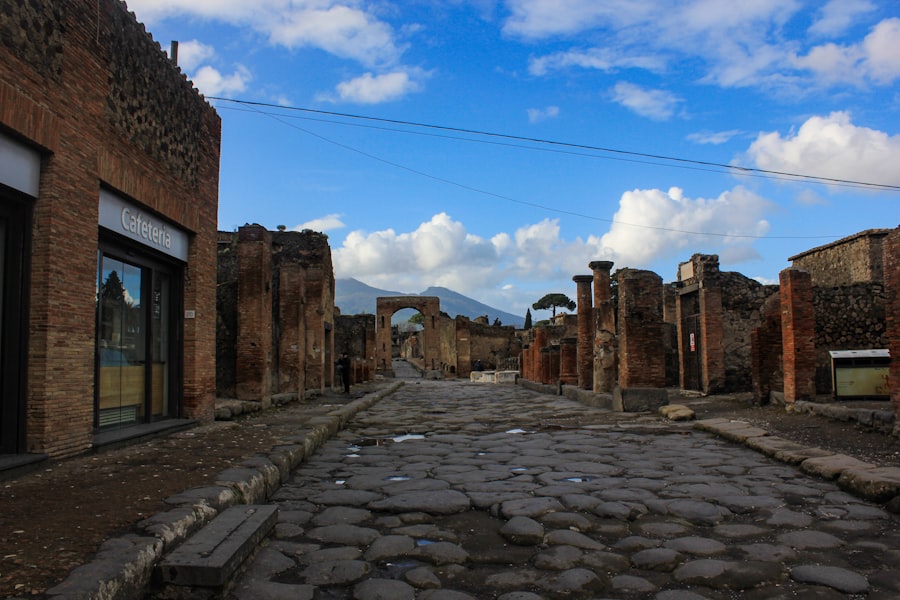
The evidence of social fracture in ancient cities can be discerned through various archaeological findings and historical records. One prominent indicator is the existence of distinct neighborhoods or sectors within a city that catered to different social classes. For instance, in cities like Pompeii or Athens, excavations have revealed areas where the wealthy resided in opulent villas while the lower classes lived in more modest accommodations.
This physical separation often mirrored social divisions and highlighted disparities in access to resources and opportunities. Additionally, historical texts provide insights into social tensions that plagued ancient cities. Accounts of revolts, strikes, or civil unrest often point to underlying fractures within society.
For example, the Roman Empire faced numerous uprisings from enslaved populations and disenfranchised citizens who sought to challenge their subjugation. Such events serve as reminders that beneath the surface of prosperity lay deep-seated grievances that could threaten the stability of even the most powerful civilizations.
Factors Contributing to Social Fracture
| Factors | Contributions |
|---|---|
| Economic Inequality | Creates disparities and resentment |
| Political Polarization | Divides communities and hinders cooperation |
| Religious Intolerance | Leads to discrimination and conflict |
| Racial Discrimination | Causes social division and tension |
Several factors contributed to social fracture in ancient cities, with economic disparity being one of the most significant. As trade flourished and wealth accumulated in certain sectors of society, those left behind often felt marginalized and disenfranchised. The concentration of wealth among elites created a chasm between the rich and poor, leading to resentment and social unrest.
Economic inequality was exacerbated by factors such as taxation policies that disproportionately affected lower classes or monopolies on trade that limited opportunities for upward mobility. Political instability also played a crucial role in fostering social fracture. In many ancient societies, power struggles among elites could lead to civil wars or coups that disrupted social order.
The shifting allegiances and rivalries among ruling factions often left ordinary citizens caught in the crossfire. Furthermore, external threats from invading forces could exacerbate internal divisions as communities struggled to unite against a common enemy while grappling with their own social issues.
Impact of Social Fracture on Ancient Cities
The impact of social fracture on ancient cities was profound and multifaceted. As divisions deepened within society, the cohesion that once held communities together began to erode.
When citizens felt alienated from their leaders or marginalized by their peers, they were less likely to invest in their city’s well-being or contribute to its cultural vibrancy. Moreover, social fracture often precipitated violence and conflict. As tensions escalated between different groups within a city, clashes could erupt, resulting in destruction and loss of life.
The consequences were not only immediate but also long-lasting; cities that experienced significant internal strife often struggled to recover economically and socially. The scars left by such conflicts could linger for generations, shaping the identity and trajectory of a city long after the initial fractures had occurred.
Archaeological Discoveries Shedding Light on Social Fracture
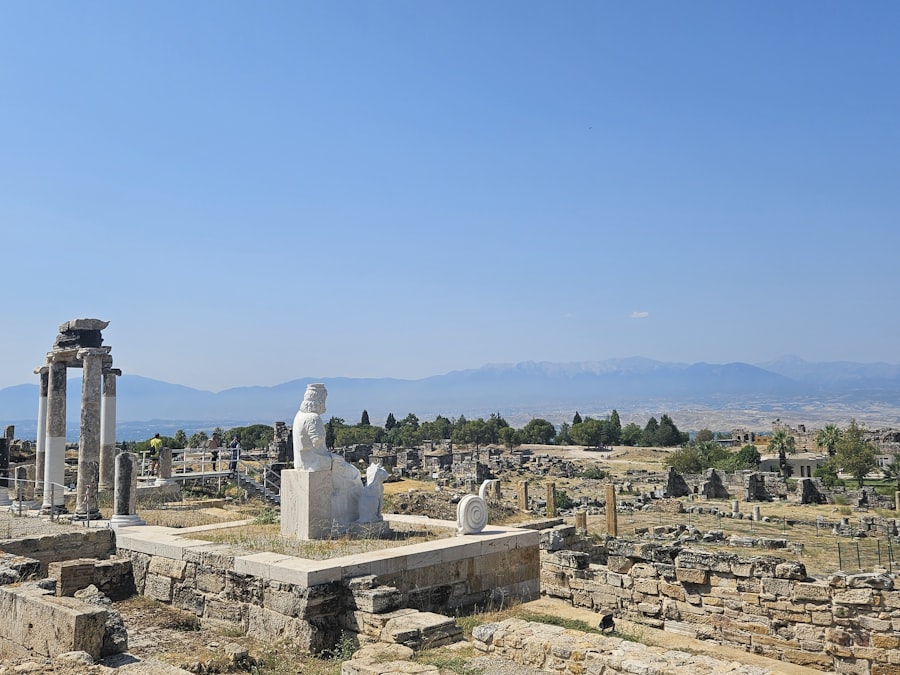
Archaeological discoveries have played a pivotal role in illuminating the complexities of social fracture in ancient cities. Excavations at sites like Çatalhöyük in Turkey have revealed evidence of communal living alongside signs of social stratification, suggesting that even early urban centers grappled with issues of inequality. Artifacts such as pottery styles or burial practices can indicate differences in status among inhabitants, providing tangible evidence of social hierarchies.
In addition to material culture, inscriptions and written records have offered insights into the political dynamics that contributed to social fracture. For instance, decrees or edicts from rulers can reveal attempts to address grievances or quell unrest among citizens. These documents serve as historical snapshots that highlight the ongoing struggle between authority and dissent within ancient urban environments.
By piecing together these fragments of history, archaeologists and historians can construct a more nuanced understanding of how social fractures manifested in daily life.
Role of Religion and Belief Systems in Social Fracture
Religion played a dual role in ancient societies; it could both unify communities and exacerbate divisions. On one hand, shared beliefs and rituals fostered a sense of belonging among individuals within a city. Temples served as focal points for communal gatherings and celebrations, reinforcing social bonds through shared practices.
However, religious differences could also lead to conflict, particularly in multicultural urban centers where various belief systems coexisted. The manipulation of religious authority by political leaders further complicated this dynamic. Rulers often aligned themselves with specific deities or religious institutions to legitimize their power, creating divisions between those who adhered to official doctrines and those who followed alternative beliefs.
Such divisions could lead to persecution or marginalization of minority groups within a city, deepening existing fractures and contributing to social unrest.
Strategies for Addressing Social Fracture in Ancient Cities
Ancient societies employed various strategies to address social fracture and restore cohesion within their cities. One common approach was through public works projects aimed at improving infrastructure and providing employment opportunities for marginalized groups. By investing in communal resources such as roads, aqueducts, or public buildings, leaders sought to foster a sense of shared purpose among citizens while alleviating economic disparities.
Additionally, some rulers implemented reforms aimed at redistributing wealth or granting greater rights to lower classes. These measures could include land redistribution or changes in taxation policies designed to alleviate burdens on poorer citizens. While not always successful, such initiatives reflected an awareness among leaders that addressing social fractures was essential for maintaining stability and ensuring the longevity of their cities.
Lessons from Ancient Cities for Modern Society
The study of social fracture in ancient cities offers valuable lessons for contemporary society. One key takeaway is the importance of addressing economic inequality as a means of fostering social cohesion. Modern urban centers continue to grapple with disparities that can lead to discontent among marginalized populations.
By learning from historical examples, policymakers can implement strategies aimed at reducing inequality and promoting inclusivity. Furthermore, understanding the role of governance in shaping social dynamics is crucial for modern leaders. The historical interplay between authority and dissent underscores the need for transparent communication and engagement with citizens.
By fostering dialogue and addressing grievances proactively, contemporary societies can work towards preventing fractures before they escalate into conflict.
Future Research and Exploration in Understanding Social Fracture
As scholars continue to explore the complexities of social fracture in ancient cities, future research holds promise for uncovering new insights into this multifaceted issue. Advances in technology, such as remote sensing and digital archaeology, allow for more comprehensive analyses of urban landscapes and their inhabitants. These tools can help researchers identify patterns of settlement and social organization that may have previously gone unnoticed.
Moreover, interdisciplinary approaches that combine archaeology with anthropology, sociology, and history can enrich our understanding of how social fractures developed over time. By examining ancient cities through multiple lenses, researchers can gain a more holistic view of the factors contributing to social dynamics and their implications for human behavior.
Relevance of Studying Social Fracture in Ancient Cities
The relevance of studying social fracture in ancient cities extends far beyond academic curiosity; it offers critical insights into the human experience across time and space. By examining how ancient societies navigated issues of inequality, conflict, and cohesion, modern scholars can glean valuable lessons applicable to contemporary challenges. As cities today face increasing pressures from globalization, migration, and economic disparity, understanding the historical context of social fracture becomes essential for fostering resilience and unity within diverse urban environments.
In conclusion, ancient cities serve as both mirrors reflecting past human experiences and guides illuminating pathways toward a more equitable future. The exploration of social fracture within these urban centers not only enriches our understanding of history but also empowers us to confront present-day challenges with greater awareness and empathy.
In exploring the concept of social fracture in ancient cities, it’s fascinating to consider how these historical dynamics continue to influence modern urban landscapes. An insightful article that delves into the complexities of social hierarchies and their impact on city development can be found on Real Lore and Order. This piece provides a comprehensive analysis of how ancient societal structures have left a lasting imprint on contemporary urban planning and social interactions. For a deeper understanding, you can read the full article by visiting Real Lore and Order.
WATCH THIS! 😕They Buried the Truth: How Ancient Elites Hid a Climate Collapse.
FAQs
What is social fracture in ancient cities?
Social fracture in ancient cities refers to the division and disintegration of social structures within urban communities during ancient times. This could include factors such as class divisions, political unrest, economic inequality, and cultural conflicts.
What are some examples of social fracture in ancient cities?
Examples of social fracture in ancient cities include the division between the patricians and plebeians in ancient Rome, the class disparities in ancient Athens, and the social unrest and inequality in ancient Mesopotamian cities.
What were the causes of social fracture in ancient cities?
The causes of social fracture in ancient cities were varied and could include factors such as economic inequality, political corruption, cultural clashes, and the breakdown of traditional social structures.
How did social fracture impact ancient cities?
Social fracture had significant impacts on ancient cities, leading to unrest, political instability, and in some cases, the downfall of entire civilizations. It also contributed to the decline of urban centers and the disintegration of social cohesion.
What are some strategies ancient cities used to address social fracture?
Ancient cities employed various strategies to address social fracture, including reforms to address economic inequality, political restructuring, and attempts to promote social cohesion through religious or cultural means. However, these efforts were not always successful in mitigating social fracture.