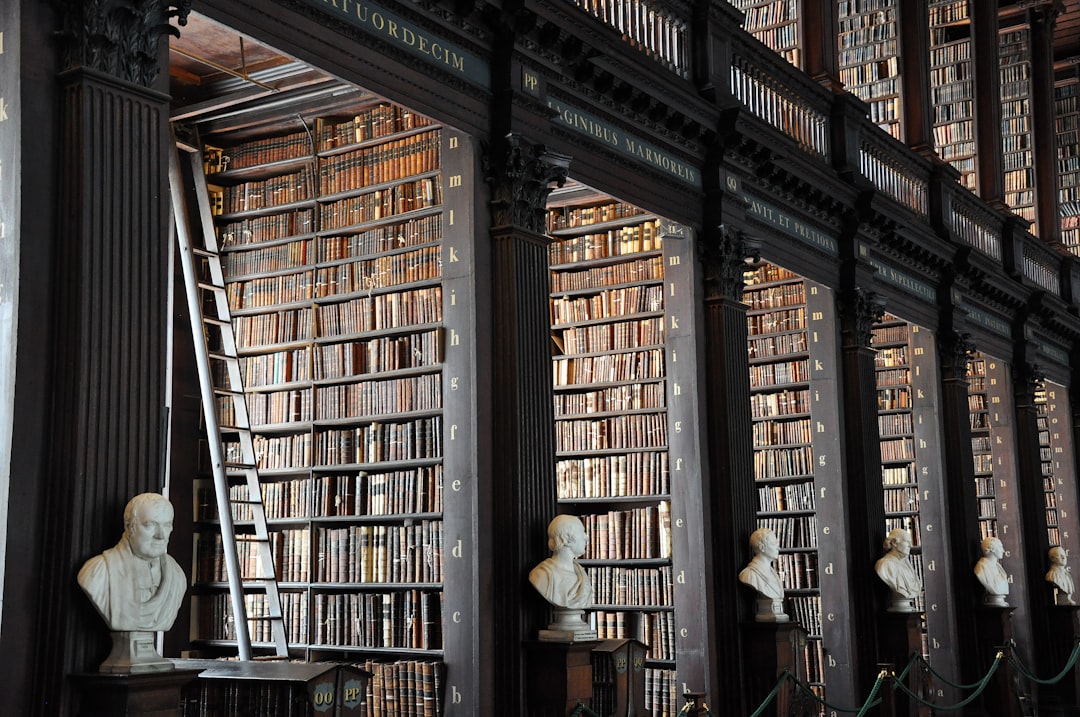
The Fire Library represents a conceptual framework for understanding repositories of suppressed or restricted documents that remain inaccessible to the general public. This concept encompasses both physical and digital archives containing materials that have been withheld, censored, or removed from public circulation due to various political, institutional, or security considerations. These repositories typically house documents, records, and information that governments, organizations, or other entities have classified, redacted, or otherwise restricted from public access.
The materials may include historical records, government communications, corporate documents, or other texts that contain sensitive or controversial information. The suppression of such documents often occurs through official classification systems, legal restrictions, or deliberate destruction of records. The Fire Library concept highlights the ongoing tension between information control and public access to knowledge.
This dynamic involves institutional efforts to limit information distribution through classification protocols, censorship mechanisms, and legal frameworks, while simultaneously facing pressure from transparency advocates, journalists, and researchers who seek broader access to these materials. In contemporary information environments, this concept has gained relevance as digital technologies have both facilitated information sharing and created new methods for surveillance and control. The preservation and eventual release of suppressed documents often depends on whistleblowers, freedom of information legislation, declassification processes, and investigative journalism efforts that work to bring hidden information into public view.
Key Takeaways
- The Fire Library contains historically suppressed documents revealing hidden truths.
- Uncovering these documents involved advanced research and investigative methods.
- The revelations challenge established historical narratives and prompt legal and ethical debates.
- Public reactions highlight the demand for transparency and access to information.
- The Fire Library underscores the critical importance of openness in preserving history.
The Suppressed Documents
Within the confines of the Fire Library lie documents that have been systematically suppressed for various reasons—political, social, or even personal. These documents may include government reports, historical accounts, scientific studies, or personal letters that reveal uncomfortable truths. Each piece of paper holds a story that challenges the dominant narratives we often accept without question.
As you sift through these materials, you will find evidence of censorship and manipulation that has shaped public perception and understanding throughout history. The significance of these suppressed documents cannot be overstated. They serve as crucial pieces of evidence that can alter our understanding of significant events or figures.
For instance, consider how certain government reports might reveal misconduct or corruption that has been buried under layers of red tape and misinformation. By bringing these documents to light, you not only challenge existing narratives but also empower others to question what they have been taught. The act of uncovering these hidden truths is not just an academic exercise; it is a vital step toward fostering a more informed and engaged society.
The History of Suppression
The history of suppression is as old as civilization itself. From ancient empires to modern democracies, those in power have often sought to control information to maintain their authority. You may find it fascinating to explore how various regimes have employed censorship as a tool for oppression.
For example, during times of war or political upheaval, governments have frequently restricted access to information that could incite dissent or challenge their legitimacy. This pattern of suppression has persisted through centuries, revealing a troubling aspect of human nature—the desire to control knowledge. As you delve deeper into this history, you will uncover specific instances where suppression has had profound consequences.
The burning of books in ancient China or the censorship of dissenting voices during the McCarthy era in the United States are just two examples that illustrate how fear can drive societies to silence their own citizens. Understanding this history is crucial for recognizing the ongoing struggles against censorship today. It serves as a reminder that vigilance is necessary to protect our rights and ensure that history does not repeat itself.
Methods of Uncovering
Uncovering suppressed documents requires a combination of tenacity, creativity, and sometimes even subterfuge.
This legal tool empowers individuals to demand transparency from their governments, forcing them to disclose information that may otherwise remain hidden. In addition to legal avenues, grassroots movements have played a significant role in uncovering suppressed documents. Activists often organize campaigns to raise awareness about specific issues, pressuring institutions to release information that they would prefer to keep secret.
Social media has become an invaluable tool in this regard, allowing individuals to share their findings and mobilize support quickly. As you explore these methods, you will gain insight into the dedication required to bring hidden truths into the light and the collective power of individuals united by a common cause.
Significance of the Uncovered Documents
| Metric | Description | Value | Unit |
|---|---|---|---|
| Total Suppressed Documents | Number of documents suppressed by the Fire Library | 1,250 | Documents |
| Suppression Rate | Percentage of documents suppressed out of total processed | 12.5 | % |
| Average Suppression Time | Average time taken to suppress a document | 0.8 | Seconds |
| Peak Suppression Hour | Hour of the day with highest suppression activity | 14:00 – 15:00 | Time |
| Suppressed Document Types | Most common types of documents suppressed | PDF, DOCX, TXT | File Types |
The significance of uncovered documents extends far beyond mere historical curiosity; they have the potential to reshape our understanding of events and influence contemporary discourse. When you come across previously suppressed materials, you may find that they challenge widely accepted narratives or reveal injustices that demand redress. For instance, newly uncovered documents related to civil rights movements can provide context and depth to our understanding of social struggles, highlighting voices that were silenced in mainstream accounts.
Moreover, these documents often serve as catalysts for change. They can inspire movements for justice or accountability by providing irrefutable evidence of wrongdoing or systemic issues. As you reflect on their significance, consider how these revelations can empower marginalized communities and give them a platform to share their stories.
The act of uncovering suppressed documents is not just about historical accuracy; it is about amplifying voices that have long been ignored and fostering a more equitable society.
Impact on Historical Narratives
The impact of uncovered documents on historical narratives is profound and multifaceted. When you examine how new information alters our understanding of past events, you will see that it can lead to a reevaluation of key figures and moments in history. For example, previously classified documents regarding military operations may reveal ethical dilemmas or decisions made under duress that paint a different picture than what was officially presented at the time.
As you consider these shifts in narrative, think about how they affect collective memory and identity. Historical narratives shape how societies view themselves and their place in the world; thus, uncovering new information can lead to significant cultural shifts. You may find it enlightening to explore how these changes can foster reconciliation in post-conflict societies or challenge long-held prejudices by presenting alternative perspectives on contentious issues.
Legal and Ethical Implications
The journey into the realm of suppressed documents raises important legal and ethical questions that warrant careful consideration. As you navigate this complex landscape, you will encounter debates surrounding intellectual property rights, national security concerns, and individual privacy. The tension between transparency and security often complicates efforts to access information that could be vital for public discourse.
Ethically speaking, there is also a responsibility that comes with uncovering sensitive materials. You may grapple with questions about how best to present this information without causing harm or distress to individuals involved. Balancing the public’s right to know with respect for personal privacy is a delicate task that requires thoughtful deliberation.
As you reflect on these implications, consider how they shape your own understanding of accountability and responsibility in disseminating information.
Reactions from the Public
Public reactions to uncovered documents can vary widely, ranging from outrage and disbelief to gratitude and empowerment. When you witness the unveiling of previously hidden truths, you may find yourself caught up in a whirlwind of emotions as people grapple with the implications of what they have learned. Some may feel betrayed by institutions they once trusted, while others may feel invigorated by newfound knowledge that inspires action.
Social media plays a crucial role in shaping public reactions today. As news spreads rapidly online, individuals can share their thoughts and feelings about uncovered documents almost instantaneously. This creates an environment where discussions flourish but can also lead to misinformation if not approached critically.
As you observe these reactions unfold, consider how they reflect broader societal attitudes toward transparency and accountability in governance.
Future of the Fire Library
Looking ahead, the future of the Fire Library remains uncertain yet filled with potential. As technology continues to evolve, so too do the methods for uncovering suppressed documents. You may find it intriguing to explore how advancements in artificial intelligence and data analysis could revolutionize research efforts by making it easier to sift through vast amounts of information quickly.
However, challenges persist as well—governments and institutions may become increasingly adept at employing sophisticated means of censorship or surveillance in response to growing demands for transparency. The future will likely require continued advocacy for open access to information alongside innovative strategies for navigating legal hurdles. As you contemplate this future landscape, consider your role in promoting transparency and accountability within your own community.
Lessons Learned
The exploration of suppressed documents through the lens of the Fire Library offers valuable lessons about resilience, vigilance, and the importance of questioning accepted narratives. You may come away with a renewed appreciation for those who dedicate their lives to uncovering hidden truths despite facing significant obstacles along the way. Their courage serves as an inspiration for all who seek justice and accountability in an increasingly complex world.
Moreover, this journey emphasizes the need for critical thinking when consuming information—an essential skill in today’s digital age where misinformation can spread rapidly. By learning from past mistakes and advocating for transparency in all aspects of society, you can contribute to creating an environment where knowledge is accessible and valued.
The Importance of Transparency in Information Access
In conclusion, your exploration of the Fire Library underscores the vital importance of transparency in information access. The journey through suppressed documents reveals not only hidden truths but also highlights the ongoing struggle for knowledge in an age marked by both unprecedented access and pervasive censorship. As you reflect on this journey, remember that every uncovered document has the potential to reshape our understanding of history and influence contemporary discourse.
Ultimately, fostering a culture that values transparency requires collective effort—individuals must remain vigilant in demanding accountability from institutions while also supporting those who work tirelessly to uncover hidden truths. By championing transparency in all its forms, you contribute to building a more informed society where knowledge is not just power but also a pathway toward justice and equity for all.
In recent discussions surrounding transparency and access to information, the topic of fire library suppressed documents has gained significant attention. For a deeper understanding of this issue, you can read a related article that explores the implications of such suppression on public knowledge and accountability. Check it out here: