
The Restricted Archives Repository houses a collection of suppressed documents that have been withheld from public access. This archive serves as a resource for researchers seeking access to information that has been deliberately concealed throughout history. In an era where information access is increasingly important, the Restricted Archives Repository demonstrates the value of transparency and comprehensive historical documentation.
The repository contains numerous documents that have been censored or obscured over time. These materials, which often include significant information about political, social, and historical matters, can provide researchers with alternative perspectives on historical events and contemporary issues. The Restricted Archives Repository functions as a research facility where academics, historians, and investigators can examine primary sources that have been previously unavailable.
By accessing these materials, researchers can develop more complete understandings of historical narratives and challenge incomplete or inaccurate accounts of past events.
Key Takeaways
- The Fire Library specializes in uncovering and preserving suppressed documents to promote transparency.
- Suppressed documents have historically hidden critical information from the public, impacting society’s understanding.
- Technology plays a crucial role in accessing, uncovering, and preserving these hidden documents.
- Ethical considerations are essential when deciding to reveal sensitive or suppressed information.
- Ensuring future access to suppressed documents supports accountability and informed public discourse.
The History of Suppressed Documents
The history of suppressed documents is as old as civilization itself. From ancient scrolls hidden away in secret chambers to modern-day government files classified for national security, the act of suppressing information has been a tool wielded by those in power throughout history. You may find it fascinating to learn that many significant historical events have been obscured by the deliberate withholding of information.
For instance, during times of war, governments often restrict access to documents that could sway public opinion or reveal uncomfortable truths about their actions. As you explore this history, consider how various regimes have manipulated information to maintain control over their populations. The burning of books in ancient Rome or the censorship imposed by totalitarian states are stark reminders of how knowledge can be weaponized.
The suppression of documents is not merely an act of hiding; it is an attempt to shape reality itself. By understanding this history, you gain insight into the lengths to which individuals and institutions will go to protect their interests and narratives.
The Significance of Uncovering Suppressed Documents
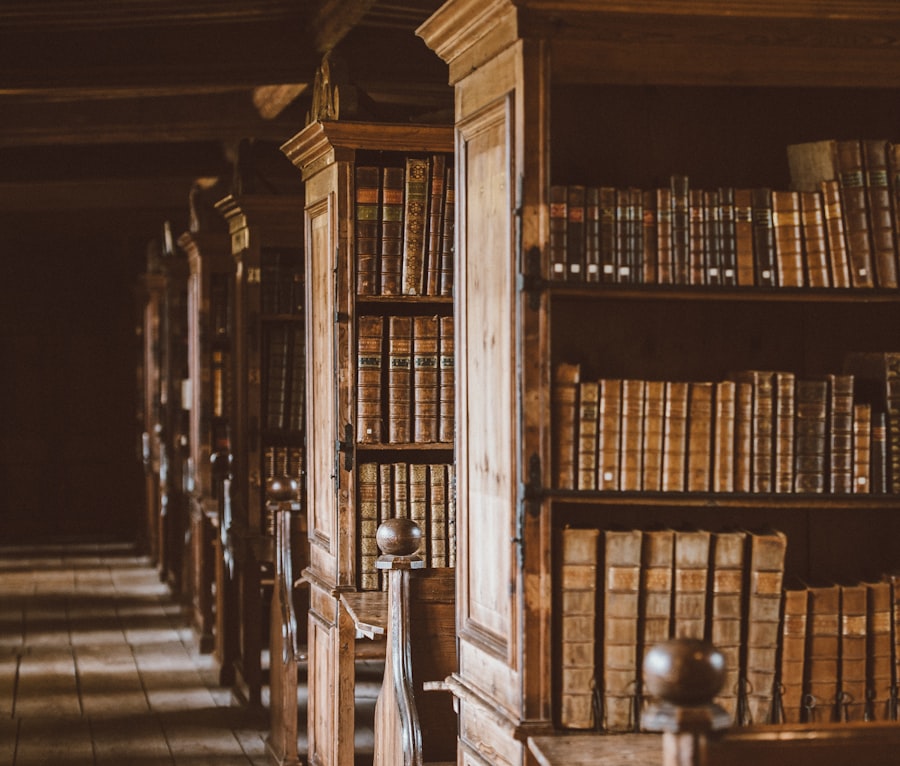
Uncovering suppressed documents is not just an academic exercise; it is a vital endeavor that can lead to societal transformation. When you bring hidden truths to light, you empower individuals and communities to challenge injustices and demand accountability. The significance of this process cannot be overstated, as it often leads to revelations that can alter public perception and influence policy decisions.
By exposing corruption, human rights abuses, or historical inaccuracies, you contribute to a more informed and engaged citizenry. Moreover, the act of uncovering these documents fosters a culture of transparency and openness. When you advocate for access to information, you challenge the notion that certain truths are too dangerous for public consumption.
This pursuit not only enriches your understanding but also encourages others to question the narratives they have been presented with. In a world where misinformation can spread like wildfire, your role in uncovering suppressed documents becomes even more crucial in promoting critical thinking and informed discourse.
The Process of Uncovering Suppressed Documents
The process of uncovering suppressed documents is often fraught with challenges, yet it is a journey worth undertaking. You may begin by identifying sources that are known for housing such materials—archives, libraries, or even private collections. Engaging with historians, archivists, and whistleblowers can provide valuable insights into where to look and what to seek.
As you navigate this landscape, patience and persistence become your allies; many documents may be hidden behind layers of bureaucracy or legal restrictions. Once you have located potential sources, the next step involves meticulous research and analysis. You will need to sift through vast amounts of information, discerning what is relevant and credible.
This process often requires a keen eye for detail and an understanding of context. As you piece together fragments of information, you may find yourself connecting dots that others have overlooked. This detective work not only sharpens your analytical skills but also deepens your appreciation for the complexities of history.
The Fire Library’s Collection of Hidden Secrets
| Metric | Description | Value | Unit |
|---|---|---|---|
| Total Suppressed Documents | Number of documents suppressed by the Fire Library | 1,250 | Documents |
| Suppression Rate | Percentage of documents suppressed out of total processed | 12.5 | % |
| Average Suppression Time | Average time taken to suppress a document | 0.8 | Seconds |
| Suppression Accuracy | Percentage of correctly suppressed documents | 98.7 | % |
| Documents Reviewed Post-Suppression | Number of suppressed documents reviewed for accuracy | 300 | Documents |
Within the Fire Library lies an extensive collection of hidden secrets waiting to be uncovered. You will find documents ranging from government reports and diplomatic cables to personal letters and diaries that reveal intimate truths about historical figures and events. Each piece contributes to a larger narrative that has been obscured by time or intentional suppression.
As you explore this collection, you may stumble upon stories that challenge your preconceived notions or shed light on forgotten aspects of history. The diversity of materials in the Fire Library reflects the multifaceted nature of human experience. You might encounter accounts of resistance movements, testimonies from marginalized communities, or evidence of systemic injustices that have long been ignored.
Each document serves as a reminder that history is not a monolith; it is shaped by countless voices and perspectives. By engaging with these hidden secrets, you become part of a larger conversation about truth, justice, and the importance of remembering those who have been silenced.
The Impact of Suppressed Documents on Society
The impact of suppressed documents on society can be profound and far-reaching. When you consider how much information has been kept from public scrutiny, it becomes clear that entire narratives can be constructed or dismantled based on what is revealed. For instance, uncovering documents related to government misconduct can lead to public outrage and demands for reform.
You may recall instances where whistleblowers have exposed corruption or malpractice, resulting in significant changes in policy or leadership. Moreover, the revelation of suppressed documents can serve as a catalyst for social movements. When marginalized voices are finally heard through these documents, they can inspire collective action and solidarity among those who have been affected by systemic injustices.
You might think about how historical documents related to civil rights movements have empowered subsequent generations to continue the fight for equality and justice. The impact extends beyond individual cases; it shapes societal values and norms, fostering a culture that values transparency and accountability.
The Ethical Implications of Uncovering Suppressed Documents
As you navigate the complex landscape of uncovering suppressed documents, ethical considerations come into play. You may grapple with questions about privacy, consent, and the potential consequences of revealing sensitive information. While the pursuit of truth is noble, it is essential to approach this work with a sense of responsibility and respect for those whose stories are being told.
Balancing the public’s right to know with individual rights can be a delicate task. Additionally, you must consider the motivations behind suppression in the first place. Some documents may have been hidden for legitimate reasons—such as protecting national security or safeguarding personal privacy—while others may reflect a desire to manipulate public perception or maintain power dynamics.
As you engage with these ethical dilemmas, you will develop a deeper understanding of the complexities involved in uncovering suppressed documents and the responsibilities that come with this work.
The Role of Technology in Uncovering Suppressed Documents
In today’s digital age, technology plays a pivotal role in uncovering suppressed documents. You have access to vast online databases, digitized archives, and advanced search tools that make it easier than ever to locate hidden information. The internet has democratized access to knowledge, allowing individuals from all walks of life to engage in research that was once limited to scholars or institutions with significant resources.
Moreover, technology facilitates collaboration among researchers and activists across the globe. You can connect with like-minded individuals who share your passion for uncovering truths and work together on projects that amplify your efforts. Social media platforms enable you to share findings quickly and widely, raising awareness about important issues and mobilizing support for causes rooted in transparency and accountability.
As you harness these technological tools, you become part of a larger movement advocating for access to information.
The Challenges of Accessing and Preserving Suppressed Documents
Despite advancements in technology, accessing and preserving suppressed documents remains fraught with challenges. You may encounter legal barriers that restrict access to certain materials or face resistance from institutions reluctant to disclose sensitive information. Navigating these obstacles requires not only determination but also an understanding of legal frameworks surrounding freedom of information.
Preservation is another critical concern when it comes to suppressed documents. Many historical materials are at risk due to neglect or improper storage conditions. As you engage with these documents, consider how important it is to advocate for their preservation so future generations can benefit from them as well.
Collaborating with archivists and preservationists can help ensure that these valuable resources are maintained for years to come.
The Future of Uncovering Suppressed Documents
Looking ahead, the future of uncovering suppressed documents holds both promise and uncertainty. As society becomes increasingly aware of the importance of transparency, there may be greater demand for access to previously hidden information. You might envision a world where institutions are held accountable for their actions through rigorous scrutiny fueled by public interest.
Governments may continue to impose restrictions on access to information under various pretexts, while misinformation campaigns threaten to undermine trust in legitimate sources. As you consider these dynamics, think about how your role in advocating for transparency can contribute to shaping a future where knowledge is accessible and valued.
The Importance of Transparency and Access to Information
In conclusion, your journey through the Fire Library reveals the profound importance of transparency and access to information in our society. By uncovering suppressed documents, you not only illuminate hidden truths but also empower others to engage critically with history and current events. The act of seeking knowledge becomes an act of resistance against oppression and manipulation.
Your commitment to transparency fosters a culture where knowledge is shared freely and openly, paving the way for a more informed and just society. Embrace this responsibility as you continue your quest for truth within the ever-expanding realm of knowledge waiting to be discovered in the Fire Library.
In recent discussions surrounding transparency and accountability, the topic of fire library suppressed documents has gained significant attention. For a deeper understanding of this issue, you can explore a related article that delves into the implications of such practices. Check out the article on Real Lore and Order for more insights: Real Lore and Order.
FAQs
What are fire library suppressed documents?
Fire library suppressed documents refer to materials or records within a fire department’s library or archive that have been restricted from public access. These documents may contain sensitive information related to fire investigations, safety protocols, or internal operations.
Why are some fire library documents suppressed?
Documents may be suppressed to protect privacy, maintain confidentiality, safeguard ongoing investigations, or comply with legal and regulatory requirements. Suppression helps prevent the release of information that could compromise safety or security.
Who decides which fire library documents are suppressed?
Typically, fire department officials, legal advisors, or designated records management personnel determine which documents should be suppressed based on established policies, laws, and the nature of the information contained within the documents.
Can suppressed fire library documents be accessed by the public?
Generally, suppressed documents are not available to the public. However, access may be granted under specific circumstances, such as through formal requests, legal proceedings, or with special permissions from the relevant authorities.
How can one request access to suppressed fire library documents?
Individuals seeking access usually need to submit a formal request or Freedom of Information Act (FOIA) application to the fire department or the agency responsible for the records. The request will be reviewed, and access may be granted or denied based on applicable laws and policies.
Are fire library suppressed documents related to fire investigations?
Yes, many suppressed documents pertain to fire investigations, including reports, evidence, and analysis that may be sensitive or confidential to protect the integrity of the investigation and involved parties.
What types of information might be found in suppressed fire library documents?
Suppressed documents may include detailed incident reports, personnel records, internal communications, safety assessments, and technical data that are not intended for public disclosure.
Is the suppression of fire library documents common practice?
Yes, suppression of certain documents is a common practice to ensure confidentiality, protect privacy, and comply with legal standards within fire departments and related agencies.
Can suppressed fire library documents be used in legal cases?
Suppressed documents can be used in legal proceedings if they are relevant and admissible. Courts may order the release of such documents under specific conditions or protective orders.
How long are fire library documents typically suppressed?
The duration of suppression varies depending on the nature of the information, legal requirements, and departmental policies. Some documents may be suppressed indefinitely, while others may be released after a certain period or upon resolution of related matters.