The Aral Sea, once the fourth largest inland body of water in the world, was a vibrant ecosystem teeming with life. Nestled between Kazakhstan and Uzbekistan, it was a crucial resource for the surrounding communities, providing not only water but also a rich habitat for diverse flora and fauna. The sea supported a thriving fishing industry, which was a cornerstone of the local economy.
Fishermen would cast their nets into the waters, bringing in bountiful catches of fish that were not only vital for sustenance but also for trade. The surrounding towns flourished, with bustling markets and a culture deeply intertwined with the rhythms of the sea. However, this once-thriving ecosystem has become a shadow of its former self.
The Aral Sea’s vast expanse, which once shimmered under the sun, has receded dramatically over the decades. The decline of this vital water body has not only affected the local wildlife but has also led to significant changes in the climate of the region. The loss of water has resulted in increased temperatures and altered weather patterns, further exacerbating the challenges faced by the communities that once thrived on its shores.
The transformation of the Aral Sea from a vibrant ecosystem to a desolate landscape serves as a stark reminder of the delicate balance between human activity and environmental sustainability.
Key Takeaways
- The Aral Sea was once a thriving ecosystem, but Soviet Union’s irrigation projects led to its devastating decline.
- The rapid decline of the Aral Sea has resulted in an environmental and humanitarian crisis, impacting local communities and economies.
- Investigative efforts and research have uncovered the truth about the role of climate change in the Aral Sea disaster.
- Ongoing efforts are being made to restore the Aral Sea, with international aid and collaboration playing a crucial role.
- Lessons learned from the Aral Sea disaster are important in preventing similar disasters in the future, offering hope for restoration and recovery.
The Devastating Impact of Soviet Union’s Irrigation Projects
The roots of the Aral Sea’s decline can be traced back to the ambitious irrigation projects initiated by the Soviet Union in the 1960s. In an effort to boost cotton production in Central Asia, the Soviet government diverted the rivers that fed into the Aral Sea, primarily the Amu Darya and Syr Darya. This decision was driven by a desire for agricultural expansion and economic growth, but it came at a catastrophic cost.
The diversion of these rivers drastically reduced the inflow of water into the sea, setting off a chain reaction that would lead to one of the most significant environmental disasters in history. As the irrigation projects progressed, the consequences became increasingly apparent. The once-thriving fishing industry began to collapse as fish populations dwindled due to rising salinity levels and shrinking habitats.
Local communities that had relied on fishing for generations found themselves facing economic hardship and food insecurity. The Soviet Union’s short-sighted policies prioritized immediate agricultural gains over long-term ecological health, leading to a situation where both people and nature suffered immensely. The impact of these irrigation projects serves as a cautionary tale about the dangers of prioritizing economic development without considering environmental sustainability.
The Rapid Decline of the Aral Sea
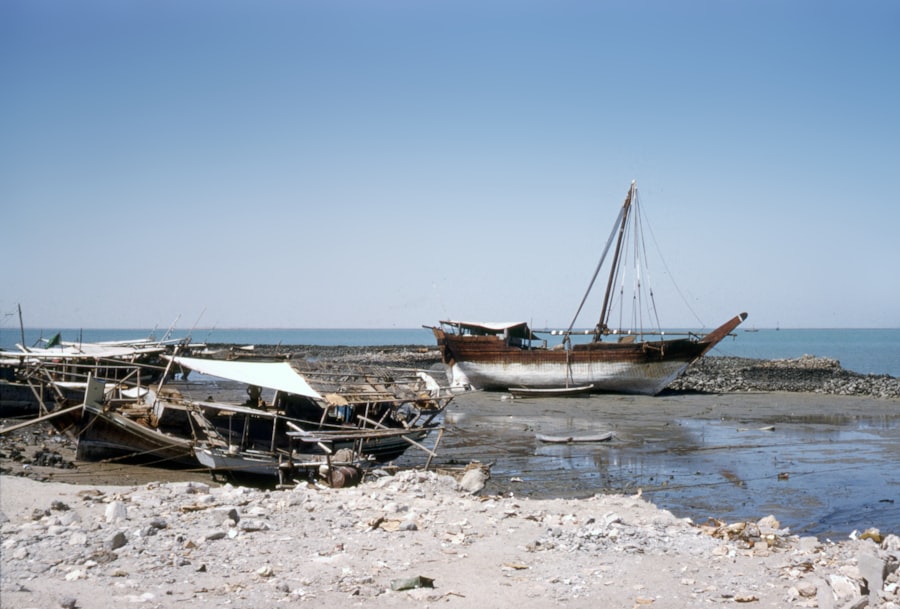
The decline of the Aral Sea was not a gradual process; it was marked by alarming speed and severity. By the late 20th century, the sea had lost more than 90% of its original volume, transforming from a vast body of water into a series of smaller, disconnected lakes. This rapid shrinkage had dire consequences for both the environment and local communities.
As the water receded, it exposed vast expanses of dry seabed, which became a source of toxic dust storms that carried harmful pollutants into the air. These dust storms posed serious health risks to nearby populations, contributing to respiratory illnesses and other health problems. The ecological ramifications were equally devastating.
The loss of habitat led to the extinction of several fish species that had once thrived in the Aral Sea. Birds that relied on the sea for food and nesting grounds also faced dire consequences, leading to significant declines in their populations. The once-bustling fishing ports became ghost towns, with abandoned boats and derelict infrastructure serving as haunting reminders of what was lost.
The rapid decline of the Aral Sea illustrates how human intervention can lead to irreversible changes in natural ecosystems, highlighting the urgent need for responsible environmental stewardship.
The Environmental and Humanitarian Crisis
| Category | Data/Metrics |
|---|---|
| Climate Change | Rising global temperatures, extreme weather events, melting ice caps |
| Deforestation | Loss of 7.3 million hectares of forest annually |
| Water Scarcity | 2.2 billion people lack access to safe drinking water |
| Food Insecurity | Over 820 million people suffer from chronic hunger |
| Displacement | 70.8 million people forcibly displaced worldwide |
The environmental crisis surrounding the Aral Sea has evolved into a profound humanitarian issue. As water levels plummeted and ecosystems collapsed, local communities faced unprecedented challenges. The loss of livelihoods due to the decline of fishing and agriculture led to widespread poverty and displacement.
Families who had relied on the sea for their sustenance were forced to seek alternative means of survival, often migrating to urban areas in search of work. This mass exodus strained resources in cities already grappling with their own challenges. Moreover, the health impacts on local populations have been severe.
The toxic dust from the exposed seabed has contributed to a range of health problems, including respiratory diseases, cancers, and other chronic conditions. Access to clean drinking water has become increasingly scarce, further exacerbating public health crises in the region. The humanitarian crisis resulting from the Aral Sea disaster underscores the interconnectedness of environmental degradation and human well-being, emphasizing that neglecting ecological health can have dire consequences for communities.
Uncovering the Truth: Investigative Efforts and Research
In response to the unfolding disaster, researchers and environmentalists have undertaken extensive investigations to understand the full scope of the Aral Sea crisis. Scientific studies have revealed alarming data about water quality, salinity levels, and biodiversity loss. These efforts have been crucial in raising awareness about the severity of the situation and advocating for action.
Researchers have documented how decades of mismanagement have led to irreversible changes in both the environment and local economies. Investigative efforts have also focused on uncovering the social dimensions of the crisis. Interviews with local residents have provided valuable insights into their experiences and struggles as they navigate life in a region profoundly affected by environmental degradation.
These narratives highlight not only the immediate impacts on livelihoods but also the long-term psychological toll on communities that have witnessed their way of life vanish before their eyes. By combining scientific research with personal stories, advocates have sought to create a comprehensive understanding of the Aral Sea disaster that can inform future policy decisions.
The Role of Climate Change in the Aral Sea Disaster

While human intervention played a significant role in the decline of the Aral Sea, climate change has further exacerbated its challenges. Rising global temperatures have led to increased evaporation rates, compounding the effects of water diversion from rivers. As climate patterns shift, precipitation levels in Central Asia have become more erratic, making it increasingly difficult for communities to rely on traditional agricultural practices.
This interplay between human activity and climate change has created a perfect storm for environmental degradation. The implications of climate change extend beyond just water availability; they also affect local ecosystems and biodiversity. As temperatures rise, species that once thrived in the Aral Sea’s unique environment face new challenges in adapting to changing conditions.
The loss of biodiversity not only disrupts ecological balance but also diminishes resilience against future environmental shocks. Understanding how climate change interacts with historical mismanagement is essential for developing effective strategies to address both current challenges and future risks.
The Ongoing Efforts to Restore the Aral Sea
In recent years, there have been concerted efforts aimed at restoring what remains of the Aral Sea and revitalizing its surrounding ecosystems. Various initiatives have been launched by governments, non-governmental organizations, and international bodies to address both environmental restoration and community resilience. One notable project is the construction of dams and reservoirs designed to regulate water flow from rivers back into parts of the sea.
These efforts aim to stabilize water levels and create conditions conducive to ecological recovery. Additionally, reforestation projects have been implemented along the former shoreline to combat desertification and improve air quality. These initiatives not only help restore habitats but also provide economic opportunities for local communities through sustainable forestry practices.
While challenges remain daunting, these restoration efforts represent a glimmer of hope for both ecological recovery and community revitalization in a region long plagued by environmental neglect.
Lessons Learned: Preventing Similar Disasters in the Future
The tragedy of the Aral Sea serves as a powerful lesson about the consequences of unsustainable resource management practices. It underscores the importance of considering long-term ecological health when making decisions about land use and water management. Policymakers must prioritize sustainable practices that balance economic development with environmental stewardship to prevent similar disasters from occurring elsewhere.
Furthermore, engaging local communities in decision-making processes is crucial for ensuring that policies reflect their needs and knowledge. Empowering residents to participate in conservation efforts fosters a sense of ownership over natural resources and encourages sustainable practices that benefit both people and ecosystems. The lessons learned from the Aral Sea disaster can inform global efforts to address environmental challenges while promoting social equity and resilience.
The Impact on Local Communities and Economies
The decline of the Aral Sea has had profound implications for local communities and economies that once thrived along its shores. As fishing industries collapsed and agricultural practices faltered due to water scarcity, many families faced economic hardship and food insecurity. Traditional livelihoods were disrupted, leading to increased migration as individuals sought opportunities elsewhere.
This mass displacement has strained urban areas already grappling with their own challenges. Moreover, cultural identities tied to fishing and agriculture have been eroded as communities adapt to new realities. The loss of traditional practices has not only impacted economic stability but has also diminished social cohesion within communities that once shared common ties through their relationship with the sea.
As they navigate these changes, local populations are left grappling with questions about their future and how to rebuild their lives in an increasingly uncertain environment.
International Aid and Collaboration in Addressing the Aral Sea Disaster
Recognizing the scale of the crisis surrounding the Aral Sea, international organizations have stepped in to provide aid and support collaborative efforts aimed at restoration and recovery.
These collaborative efforts emphasize that addressing complex environmental challenges requires cooperation across borders.
International aid has also facilitated research initiatives aimed at understanding both ecological dynamics and social impacts within affected communities. By fostering partnerships between scientists, policymakers, and local residents, these efforts aim to create comprehensive strategies that address both immediate needs and long-term sustainability goals. The collaborative approach underscores that global challenges like those faced by the Aral Sea require collective action informed by diverse perspectives.
The Future of the Aral Sea: Hope for Restoration and Recovery
While challenges remain daunting in restoring what was once a thriving ecosystem, there is hope for recovery in the future of the Aral Sea. Ongoing restoration projects demonstrate that concerted efforts can yield positive results when combined with community engagement and sustainable practices. As awareness grows about environmental issues globally, there is potential for increased support from international partners committed to addressing ecological crises.
Moreover, advancements in technology offer new possibilities for monitoring ecosystems and managing water resources more effectively. Innovative approaches such as satellite imagery can provide valuable data on water levels and ecological health, enabling more informed decision-making regarding restoration efforts. While much work lies ahead, there is reason to believe that with continued dedication and collaboration, there may be a path toward revitalizing not only the Aral Sea but also its surrounding communities—transforming despair into hope for future generations.
The Aral Sea disaster serves as a poignant reminder of the environmental consequences of human intervention, and for those interested in exploring related topics, the article on the impact of water mismanagement provides valuable insights. You can read more about this critical issue in the article available at this link.
WATCH THIS! The 20 Things History Buried To Protect Us
FAQs
What caused the Aral Sea disaster?
The Aral Sea disaster was primarily caused by the diversion of the two rivers that fed the sea, the Amu Darya and the Syr Darya, for irrigation purposes in the 1960s.
What were the environmental impacts of the Aral Sea disaster?
The environmental impacts of the Aral Sea disaster included the shrinking of the sea, the exposure of the seabed, the creation of salt storms, and the destruction of the local ecosystem.
What were the social and economic impacts of the Aral Sea disaster?
The social and economic impacts of the Aral Sea disaster included the displacement of communities, the loss of livelihoods for fishermen, the decline in agricultural productivity, and the deterioration of public health due to the exposure of toxic chemicals.
What efforts have been made to address the Aral Sea disaster?
Efforts to address the Aral Sea disaster have included the construction of dams and canals to redirect water flow, the planting of drought-resistant vegetation, and international cooperation to manage water resources in the region.
Is there hope for the restoration of the Aral Sea?
While the Aral Sea has experienced some small-scale recovery efforts, the full restoration of the sea to its original size and ecological health remains a significant challenge.