Throughout history, the annals of power have been marked by the cunning and often duplicitous actions of rulers who sought to maintain their dominion over vast territories and diverse populations. Ancient rulers, in particular, were adept at employing a variety of deceptive tactics to solidify their authority and manipulate public perception. From the pharaohs of Egypt to the emperors of Rome, these leaders understood that the art of deception was not merely a tool for survival but a fundamental aspect of governance.
Their ability to weave intricate narratives and manipulate the beliefs of their subjects allowed them to maintain control in an era where information was scarce and often unreliable. The motivations behind these deceptions were as varied as the rulers themselves. Some sought to legitimize their reign through divine right, while others aimed to distract from their failures or consolidate power against rivals.
The consequences of these deceptions were profound, shaping the course of civilizations and influencing the lives of countless individuals.
Key Takeaways
- Ancient rulers used propaganda and myth-making to maintain power and control over their subjects.
- Religious beliefs were manipulated by ancient rulers for political gain, often leading to the establishment of state religions.
- Secret societies and conspiracies played a role in the deceptions of ancient rulers, allowing them to maintain power through covert means.
- Monumental architecture and urban planning were used as tools for deception by ancient rulers, projecting power and authority.
- Spies and surveillance were employed by ancient rulers to gather information and maintain control over their subjects.
The Use of Propaganda and Myth-making by Ancient Rulers
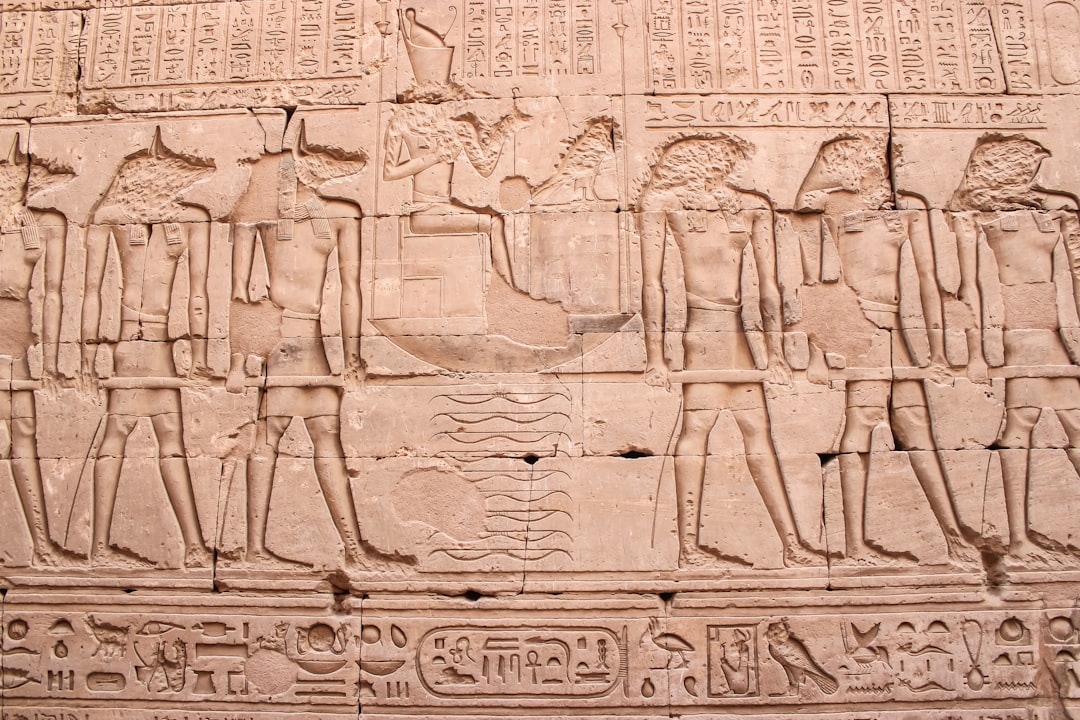
Ancient rulers frequently employed propaganda as a means to craft their public image and manipulate the perceptions of their subjects. This was often achieved through the creation of myths that glorified their lineage or depicted them as semi-divine figures. For instance, many pharaohs in ancient Egypt were portrayed as gods on earth, a narrative reinforced by monumental architecture and elaborate rituals.
Such myth-making served not only to elevate the ruler’s status but also to instill a sense of loyalty and reverence among the populace. By embedding themselves within the fabric of religious belief, these rulers ensured that their authority was seen as both natural and ordained. Moreover, the use of propaganda extended beyond mere self-aggrandizement; it was also a tool for social cohesion.
By promoting a shared narrative that emphasized unity and strength, rulers could quell dissent and foster a sense of belonging among diverse groups within their realms. The Roman Empire, for example, utilized coins, public monuments, and literature to disseminate messages that celebrated military victories and the emperor’s virtues. This strategic use of propaganda not only reinforced the ruler’s power but also shaped the collective identity of the empire’s citizens, creating a legacy that would endure long after their reigns had ended.
Manipulation of Religious Beliefs for Political Gain
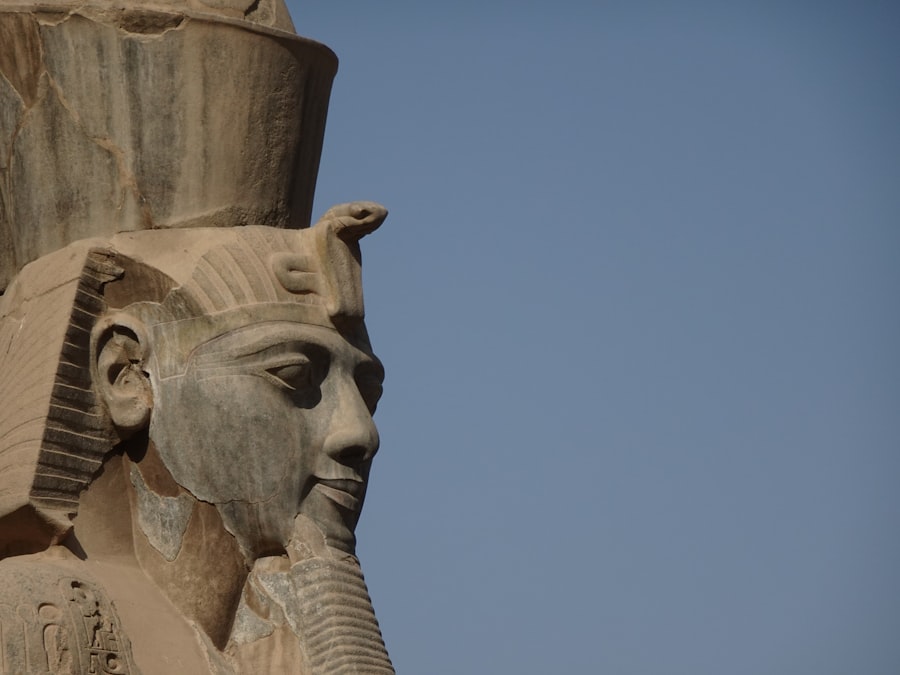
The intertwining of religion and politics has been a hallmark of ancient governance, with rulers often manipulating religious beliefs to bolster their authority. In many cultures, leaders claimed divine sanction for their rule, presenting themselves as chosen by the gods to govern their people. This manipulation was particularly evident in Mesopotamia, where kings were often seen as intermediaries between the divine and the mortal realms.
By aligning themselves with religious institutions, these rulers could legitimize their actions and suppress opposition under the guise of divine will. In addition to legitimizing their rule, ancient leaders also exploited religious beliefs to unify disparate groups within their territories. By promoting a common faith or integrating local deities into a broader pantheon, rulers could foster loyalty among diverse populations.
The spread of Christianity within the Roman Empire serves as a prime example; as emperors adopted the faith, they not only gained the support of a growing number of followers but also positioned themselves as protectors of a new religious order. This strategic manipulation of religious beliefs not only solidified their power but also left an indelible mark on the cultural landscape for generations to come.
The Role of Secret Societies and Conspiracies in Ancient Ruler Deceptions
| Secret Society/Conspiracy | Role in Deception |
|---|---|
| Freemasons | Alleged influence in political and economic decisions |
| Illuminati | Believed to control world events and governments |
| Knights Templar | Accused of hiding ancient treasures and knowledge |
| Rosicrucians | Linked to mystical and esoteric teachings |
Secret societies and conspiracies played a significant role in the political machinations of ancient rulers, often serving as instruments of deception and intrigue. These clandestine groups operated in the shadows, influencing decisions and shaping events behind the scenes. In ancient Rome, for instance, various factions vied for power through covert alliances and plots that could alter the course of history.
The infamous assassination of Julius Caesar is a prime example; his murder was orchestrated by a group of senators who conspired in secret, believing that they were acting in the best interest of the Republic. The existence of such secretive organizations often created an atmosphere of paranoia among rulers, leading them to engage in counter-deception strategies to protect their positions. This cycle of intrigue fostered an environment where trust was scarce, and betrayal was commonplace.
As rulers sought to uncover plots against them, they frequently resorted to espionage and surveillance tactics that further complicated the political landscape. The interplay between secret societies and rulers exemplifies how deception was not merely a tool for individual gain but a pervasive element that shaped the very fabric of ancient governance.
Deception through Monumental Architecture and Urban Planning
Monumental architecture served as both a symbol of power and a tool for deception among ancient rulers. By commissioning grand structures such as temples, palaces, and fortifications, leaders could project an image of strength and stability to their subjects and rivals alike. The construction of the Great Pyramid at Giza is a testament to this strategy; it not only served as a tomb for Pharaoh Khufu but also as a monumental statement of his divine authority and enduring legacy.
Such architectural feats were designed to inspire awe and reverence, reinforcing the ruler’s position in the eyes of both contemporaries and future generations. Urban planning also played a crucial role in shaping perceptions of power. Rulers often designed cities with specific layouts that emphasized their authority while promoting civic pride among inhabitants.
The layout of ancient Rome, with its grand forums and impressive public buildings, was intended to convey a sense of order and control over an expansive empire. By manipulating urban environments, rulers could create spaces that fostered loyalty and admiration while simultaneously masking underlying social tensions or economic disparities. This deceptive use of architecture and urban planning highlights how physical spaces can be wielded as instruments of power.
The Use of Spies and Surveillance in Ancient Ruler Deceptions
In an age where information was both scarce and vital, ancient rulers often relied on spies and surveillance to maintain control over their realms. The use of informants allowed leaders to gather intelligence on potential threats, dissenting voices, or rival factions plotting against them. This practice was particularly prevalent in empires such as Persia, where rulers employed an extensive network of spies known as “the Eyes and Ears of the King.” These operatives provided crucial information that enabled rulers to preemptively address challenges to their authority.
The reliance on espionage also fostered an atmosphere of mistrust among subjects, as individuals became wary of one another due to the potential for betrayal or surveillance. This pervasive sense of paranoia served to further entrench the ruler’s power by discouraging dissent and fostering compliance among the populace. The intricate web of spies and informants created a dynamic where deception became an essential component of governance, allowing rulers to manipulate information while maintaining an illusion of stability.
Deception through Military Strategy and False Alliances
Military strategy has long been intertwined with deception in ancient politics, with rulers employing tactics designed to mislead opponents while securing their own positions. The art of war often involved feints, ambushes, and misinformation campaigns aimed at creating confusion among enemy ranks. Ancient generals like Sun Tzu emphasized the importance of deception in warfare, advocating for strategies that would lead adversaries into traps or cause them to underestimate one’s capabilities.
False alliances were another form of deception used by ancient rulers to gain strategic advantages over rivals. By forging temporary partnerships with other powers or tribes, leaders could create opportunities for betrayal or manipulation when it suited their interests. The shifting allegiances during the Peloponnesian War exemplify this tactic; city-states frequently entered into alliances only to break them when advantageous.
Such duplicity not only shaped military outcomes but also influenced political landscapes, demonstrating how deception was integral to both warfare and governance.
The Role of Assassinations and Political Intrigue in Ancient Ruler Deceptions
Assassinations have long been a tool for political maneuvering among ancient rulers seeking to eliminate rivals or consolidate power. The act itself is often shrouded in layers of deception; conspirators may employ subterfuge to mask their intentions or create plausible deniability after carrying out their plans. The assassination of Julius Caesar serves as a prime example; his murder was not only a result of personal grievances but also a calculated move by senators who believed they were preserving the Republic from tyranny.
Political intrigue surrounding assassinations often involved elaborate schemes designed to mislead both targets and potential witnesses. Rulers would sometimes stage events or manipulate circumstances to create alibis or divert suspicion away from themselves or their allies. This web of deceit highlights how deeply ingrained deception was in ancient political culture; it was not merely an act but rather a calculated strategy employed by those vying for power.
Deception through Economic Manipulation and Trade Policies
Economic manipulation has been another avenue through which ancient rulers exercised deception to maintain control over their subjects.
Such policies were often justified under the guise of national interest or security but frequently served to consolidate wealth among elites loyal to the ruler.
Additionally, rulers would sometimes engage in deceptive practices such as altering currency values or manipulating grain supplies during times of crisis. These actions could create artificial scarcity or abundance that influenced public perception and quelled dissent. For instance, during periods of famine or economic instability, leaders might hoard resources while presenting themselves as benevolent providers when distributing aid.
This manipulation not only reinforced their authority but also obscured underlying economic disparities that could threaten their rule.
The Influence of Ancient Ruler Deceptions on Modern Politics and Society
The deceptions employed by ancient rulers have left an indelible mark on modern politics and society, shaping contemporary understandings of power dynamics and governance. Many political strategies observed in antiquity continue to resonate today; propaganda remains a potent tool for shaping public opinion while manipulation of information is prevalent across various media platforms. The lessons learned from ancient deceptions serve as cautionary tales for modern leaders who may be tempted to employ similar tactics in pursuit of power.
Moreover, the legacy of ancient ruler deceptions can be seen in ongoing debates surrounding transparency, accountability, and trust in government institutions. As societies grapple with issues related to misinformation and political manipulation, they are reminded that deception has long been woven into the fabric of governance. Understanding these historical precedents can empower citizens to critically evaluate contemporary political narratives while fostering greater awareness about the potential consequences of unchecked power.
Uncovering the Truth: How Historians and Archaeologists are Revealing Ancient Ruler Deceptions
In recent years, historians and archaeologists have made significant strides in uncovering the truths behind ancient ruler deceptions through rigorous research methodologies and technological advancements. Archaeological excavations have revealed artifacts that challenge long-held narratives about specific rulers or events, providing new insights into how deception shaped historical trajectories. For instance, inscriptions found at ancient sites may contradict established accounts or reveal previously unknown alliances that complicate our understanding of political dynamics.
Historians are also employing interdisciplinary approaches that combine textual analysis with archaeological evidence to paint a more nuanced picture of ancient governance. By critically examining primary sources alongside material culture, scholars can discern patterns indicative of deception—whether through propaganda or economic manipulation—allowing for a more comprehensive understanding of how these tactics influenced societal structures over time. As they continue to unravel these complexities, historians play an essential role in illuminating the intricate web woven by ancient rulers seeking power through deception.
In conclusion, the study of ancient rulers and their deceptions offers valuable insights into human behavior and governance that remain relevant today. By examining how these leaders manipulated narratives, beliefs, alliances, and economies for personal gain, modern societies can better understand the dynamics at play within contemporary political landscapes while fostering critical engagement with historical narratives that shape our collective memory.
In exploring the ways ancient rulers manipulated information to maintain their power, it’s fascinating to consider the various strategies they employed to control narratives and suppress dissent. These tactics often involved a combination of propaganda, censorship, and the strategic dissemination of misinformation. For a deeper dive into this topic, you can read a related article on the subject by visiting this page. This article provides insights into the historical context and specific examples of how rulers throughout history have hidden the truth to secure their reigns.
WATCH THIS! 😕They Buried the Truth: How Ancient Elites Hid a Climate Collapse.
FAQs
What methods did ancient rulers use to hide the truth?
Ancient rulers used various methods to hide the truth, including censorship, propaganda, manipulation of historical records, and even physical destruction of evidence.
Why did ancient rulers feel the need to hide the truth?
Ancient rulers often felt the need to hide the truth in order to maintain their power, control the narrative, and shape public perception in their favor. This could be to cover up their own wrongdoings, suppress dissent, or maintain a certain image of themselves and their rule.
What are some examples of ancient rulers hiding the truth?
Examples of ancient rulers hiding the truth include the burning of the Library of Alexandria by Julius Caesar, the censorship and manipulation of historical records by Chinese emperors, and the use of propaganda by Roman emperors to shape public opinion.
How did ancient rulers’ methods of hiding the truth impact society?
The methods used by ancient rulers to hide the truth often led to a distorted understanding of history, limited freedom of expression, and the perpetuation of false narratives. This could have long-lasting effects on society, shaping beliefs and perceptions for generations.
What can we learn from how ancient rulers hid the truth?
Studying how ancient rulers hid the truth can teach us about the importance of transparency, the dangers of unchecked power, and the need to critically evaluate historical sources. It also serves as a reminder of the potential consequences of allowing those in power to control the flow of information.