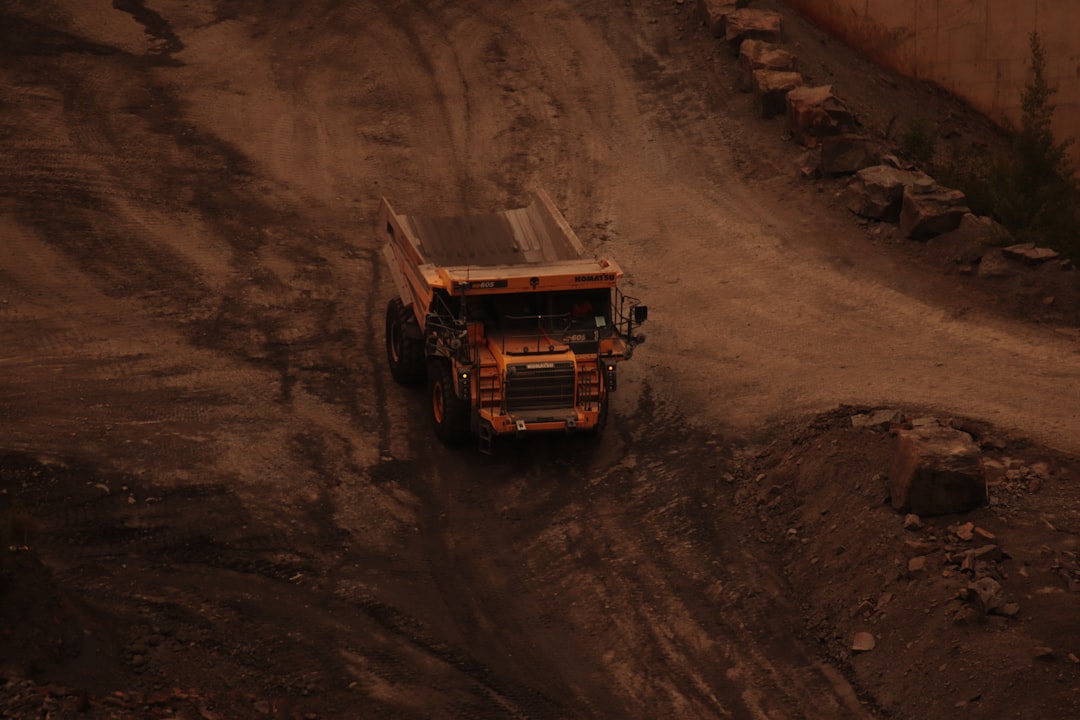
The relentless pursuit of sand, an unassuming yet critical component of modern civilization, often proceeds out of sight and out of mind for many, leaving a trail of environmental degradation and socio-economic disruption. This investigation delves into the multifaceted and often destructive reality of sand mining operations across various global landscapes. The demand for sand, primarily for construction, has escalated dramatically in recent decades, transforming it from an abundant natural resource into a commodity under increasing strain.
The sheer volume of sand consumed annually is staggering, often surpassing that of any other natural resource except water. Concrete, the backbone of urban development, is comprised of approximately 60-75% sand and gravel. This insatiable demand fuels an industry characterized by both legitimate enterprises and a burgeoning illegal market, each contributing to a complex web of environmental and social impacts. Learn about the environmental impacts of sand mining in this informative video.
The Scale of Consumption
Global sand consumption estimates vary, but figures generally place annual usage in the tens of billions of tonnes. This astronomical figure dwarfs the natural replenishment rates of many sand-bearing ecosystems. The metaphor of a “global sand debt” aptly describes a situation where humanity is drawing down a non-renewable resource at an unsustainable pace. This debt is accumulating with every high-rise building, every new road, and every piece of infrastructure that relies on this granular foundation.
Driving Forces Behind Demand
Several factors propel this escalating demand. Rapid urbanization, particularly in developing nations, stands as the primary driver. As populations flock to cities, the need for housing, commercial spaces, and infrastructure skyrockets. Industrialization also plays a significant role, with sand utilized in fracking operations, glass manufacturing, and even as a crucial component in advanced technologies. The widespread belief in an inexhaustible supply often blinds stakeholders to the long-term consequences of current mining practices.
In the realm of investigative journalism, the documentary on sand mining sheds light on the often-overlooked environmental and social impacts of this booming industry. For those interested in exploring this topic further, a related article can be found at this link, which delves into the complexities of sand extraction and its consequences on local communities and ecosystems.
Environmental Catastrophe: The Scars on the Landscape
The environmental repercussions of unrestrained sand mining are far-reaching and often irreversible. From desiccated riverbeds to eroding coastlines, the footprint of this industry is etched deeply into the Earth’s natural systems, altering ecosystems and threatening biodiversity.
Riverine Ecosystems Under Siege
River systems, being primary sources of natural sand, bear the brunt of mining operations. The extraction of sand from riverbeds disrupts the delicate balance of these environments.
Altered Hydrology and Water Tables
Excessive sand extraction can lower river levels, altering water flow patterns and reducing water availability for downstream communities and ecosystems. This can lead to the desiccation of wetlands, vital habitats for numerous species, and can exacerbate drought conditions. Furthermore, the lowered water table can impact groundwater reserves, a critical source of drinking water for many populations.
Habitat Destruction and Biodiversity Loss
Riverbeds are home to a diverse array of aquatic life, including fish, invertebrates, and microorganisms. Sand mining operations directly destroy these habitats, removing spawning grounds and disrupting food chains. The increased turbidity of the water, caused by sediment plumes from mining activities, suffocates aquatic life and reduces light penetration, hindering photosynthesis in aquatic plants.
Increased Riverbank Erosion
The removal of sand destabilizes riverbanks, making them more susceptible to erosion. This not only leads to loss of land but also contributes to increased sediment load downstream, which can clog irrigation systems and degrade water quality. The natural protective barrier that healthy riverbeds provide is systematically dismantled.
Coastal Degradation and Erosion
Coastal areas, renowned for their recreational value and ecological significance, are equally vulnerable to sand mining, particularly for beach nourishment and construction materials.
Beach Erosion and Retreat
Removal of sand from beaches or nearshore environments directly leads to accelerated beach erosion. This exposes coastal infrastructure to the full force of ocean waves, increasing vulnerability to storm surges and sea-level rise. Coastal communities, particularly those reliant on tourism, face significant economic setbacks as their natural assets disappear.
Saline Intrusion into Freshwater Aquifers
In coastal regions, excessive groundwater extraction, often exacerbated by sand mining’s impact on surface water, can lead to saline intrusion. As freshwater is depleted, saltwater from the ocean percolates into underground aquifers, rendering them unusable for drinking and agriculture. This creates a critical shortage of potable water for local communities.
Destruction of Coastal Habitats
Mangrove forests, coral reefs, and sea grass beds, vital coastal ecosystems, are often collateral damage in sand mining operations. Mangroves, natural buffers against storms and nurseries for marine life, can be choked by sediment or destroyed when their foundational sand is removed. Coral reefs, sensitive to changes in water quality, suffer from increased turbidity and sedimentation.
Socio-Economic Shadows: Impact on Communities
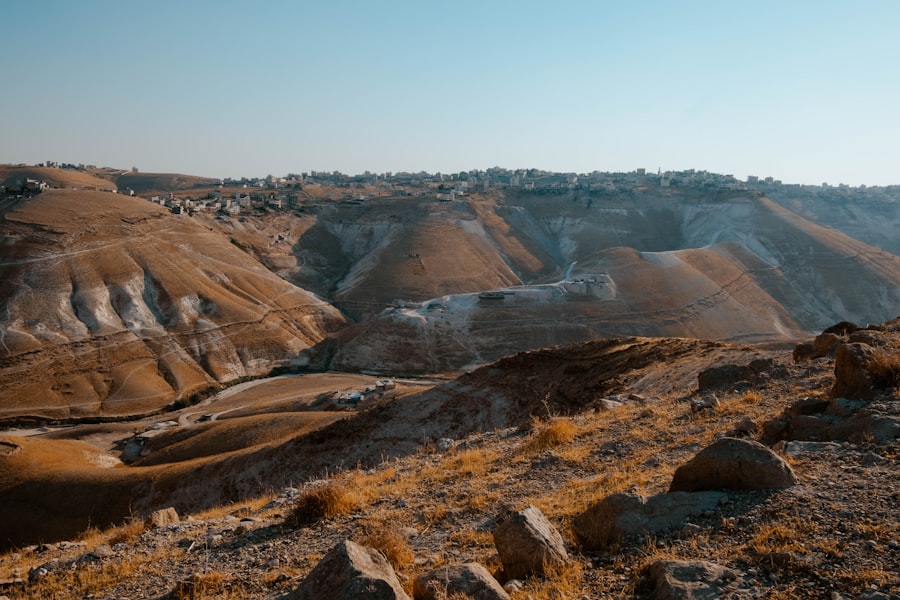
The environmental devastation wrought by sand mining is invariably intertwined with profound socio-economic consequences, particularly for vulnerable communities. The pursuit of profit often overrides concerns for human well-being and equitable development.
Displacement and Livelihood Loss
Many sand mining operations occur in or near traditional fishing villages and agricultural lands. The direct removal of land, the pollution of water sources, and the alteration of natural landscapes frequently lead to the displacement of communities and the loss of traditional livelihoods.
Fishermen’s Plight
Fishermen, dependent on healthy riverine and coastal ecosystems, often find their catches dwindling due to habitat destruction and pollution. The disruption of fish breeding grounds and the increased turbidity of water directly impact fish populations, leading to reduced income and food insecurity for fishing communities.
Agricultural Land Degradation
Agricultural lands adjacent to sand mining sites can suffer from reduced water availability due to lowered water tables or from saline intrusion. The degradation of soil quality through deposition of fine sediments or acidic runoff further reduces agricultural productivity, forcing farmers to abandon their land or seek alternative, often less lucrative, forms of employment.
Health and Safety Concerns
The working conditions in many sand mining operations, particularly in the illegal sector, are hazardous, posing significant health and safety risks to laborers. Furthermore, the broader community can be exposed to environmental pollutants.
Worker Exploitation and Danger
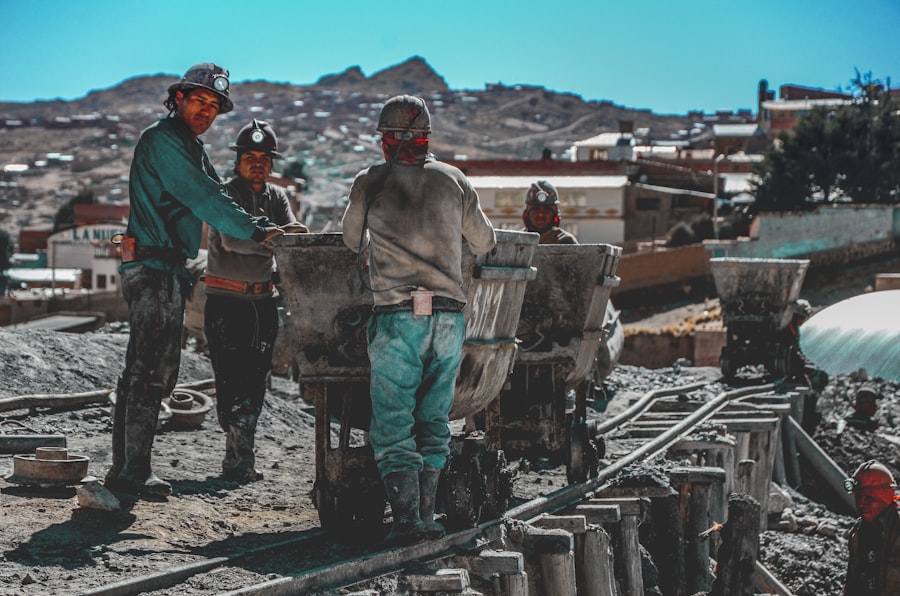
Workers, often from impoverished backgrounds, are frequently paid meager wages and operate without proper safety equipment or training. Landslides, drowning, and exposure to dust and noise are common hazards. Child labor is also a disturbing reality in some regions, perpetuating a cycle of poverty and exploitation.
Air and Water Pollution
Mining activities generate significant dust, contributing to respiratory illnesses in nearby communities. The use of heavy machinery can also introduce pollutants into water sources, further compromising public health. The lack of proper environmental regulations and enforcement often exacerbates these issues.
The Illicit Underbelly: Sand Mafia and Governance Gaps
The high demand and lucrative nature of sand have attracted criminal elements, leading to the emergence of powerful “sand mafias” that operate with impunity in many parts of the world. These illicit operations thrive in environments marked by weak governance, corruption, and inadequate enforcement.
The Dynamics of Illegal Mining
Illegal sand mining often occurs in unauthorized areas, during restricted hours, and without any environmental assessments or permits. These operations typically bypass environmental regulations and labor laws, prioritizing profit over sustainability and human welfare.
Corruption and Collusion
The flourishing of illegal sand mining is frequently facilitated by corruption within government agencies and law enforcement. Bribes and intimidation tactics are used to secure access to mining sites and to avoid prosecution. This erosion of governance undermines legitimate efforts to regulate the industry and protect natural resources.
Violence and Intimidation
Critics and whistleblowers who attempt to expose illegal sand mining often face severe threats, violence, and even death. Journalists, environmental activists, and local residents have been targeted for speaking out against these powerful criminal enterprises, highlighting the dangerous nature of confronting the sand mafia.
In recent years, the environmental and social impacts of sand mining have garnered significant attention, leading to the production of various investigative journalism documentaries. One such compelling piece is featured in a related article that delves into the complexities of this issue and its implications on local communities. You can explore this insightful investigation further by visiting this link, which sheds light on the often-overlooked consequences of sand extraction and the urgent need for sustainable practices.
Towards Sustainable Solutions: A Path Forward
| Metric | Value | Details |
|---|---|---|
| Documentary Title | Sand Wars | Investigative documentary on global sand mining crisis |
| Duration | 1 hour 20 minutes | Full-length feature documentary |
| Release Year | 2013 | Year of initial release |
| Countries Covered | 10+ | Includes India, Indonesia, USA, and others |
| Investigative Focus | Illegal sand mining | Environmental and social impacts |
| Viewership | 500,000+ | Estimated global viewers across platforms |
| Impact | Policy changes in 3 countries | New regulations and enforcement actions |
| Funding Sources | Grants and donations | Non-profit and environmental organizations |
| Journalists Involved | 5 | Lead investigative reporters and researchers |
| Production Cost | Estimated 150,000 | Budget for filming, editing, and distribution |
Addressing the global sand crisis requires a multi-pronged approach that encompasses robust regulatory frameworks, technological innovation, and a fundamental shift in societal attitudes towards resource consumption. The current trajectory is unsustainable, demanding immediate and concerted action.
Strengthening Regulation and Enforcement
Effective governance is paramount to curbing both illegal and unsustainable sand mining. This includes developing and implementing comprehensive environmental impact assessments for all mining projects, issuing clear and enforceable permits, and conducting regular inspections.
Digital Monitoring and Remote Sensing
Leveraging satellite imagery, drones, and other remote sensing technologies can significantly improve the monitoring of mining sites, helping to detect illegal operations and assess environmental damage more effectively. This provides an impartial eye on activities that often occur in remote or inaccessible areas.
Prosecuting Illegal Operations
Strict enforcement of anti-mining laws and the vigorous prosecution of illegal operators, including those involved in corruption, are essential to dismantle criminal networks and deter future illicit activities. This sends a clear message that environmental crimes will not be tolerated.
Promoting Alternative Materials and Circular Economy Principles
Reducing the reliance on virgin sand through the adoption of alternative materials and the implementation of circular economy principles is a critical long-term strategy. This involves rethinking construction practices and resource management entirely.
Recycled Concrete and C&D Waste
Recycled concrete aggregates, derived from demolished buildings and infrastructure, can serve as a viable substitute for natural sand and gravel in various construction applications. Promoting the use of construction and demolition (C&D) waste as a resource reduces both the demand for virgin materials and landfill waste.
Manufactured Sand (M-Sand)
Manufactured sand (M-sand), produced by crushing rocks to specific grain sizes, offers another alternative to natural river sand. While M-sand production requires energy and careful quality control, it can alleviate pressure on natural sand sources, particularly in regions with abundant rock reserves.
Innovative Construction Techniques
Exploring and adopting innovative construction techniques that use less sand, such as advanced timber construction or modular building, can also contribute to reducing demand. Shifting towards design principles that prioritize durability and minimize material waste is crucial.
Public Awareness and Responsible Consumption
Educating the public about the environmental and social costs of sand mining is essential to foster a collective sense of responsibility and encourage more sustainable consumption patterns.
Empowering Local Communities
Engaging and empowering local communities in decision-making processes related to sand mining projects ensures that their concerns are heard and their rights are protected. Supporting community-led monitoring initiatives can also enhance oversight and accountability.
Shifting Construction Paradigms
Ultimately, a paradigm shift in the construction industry and urban planning is required. This involves prioritizing sustainable development, considering the full life cycle of materials, and investing in research and development for truly eco-friendly construction solutions.
The investigation into sand mining reveals a challenging landscape where unchecked demand confronts finite resources and vulnerable communities. The destructive truth of current practices is undeniable, but the path towards sustainable solutions exists. It requires a concerted effort from governments, industry, communities, and individuals to recognize sand not as an endless commodity, but as a precious resource that demands careful stewardship for the well-being of both present and future generations. The sands of time, in this instance, are a finite and rapidly diminishing resource, signaling an urgent call to action.
WATCH THIS! 🏗️ SAND MINING MAFIA: The $70 Billion Crime Wave Destroying Rivers & Killing Journalists
FAQs
What is sand mining?
Sand mining is the process of extracting sand from beaches, riverbeds, seabeds, or other natural sources for use in construction, manufacturing, and other industries.
Why is sand mining a concern?
Sand mining can lead to environmental degradation, including habitat destruction, erosion, loss of biodiversity, and negative impacts on water quality and local communities.
What is investigative journalism in the context of sand mining?
Investigative journalism involves in-depth reporting to uncover illegal or unethical practices related to sand mining, such as unauthorized extraction, corruption, environmental violations, and social impacts.
What topics are typically covered in a sand mining investigative journalism documentary?
Such documentaries often explore illegal sand mining operations, environmental damage, regulatory failures, the impact on local communities, and efforts to promote sustainable practices.
How can sand mining affect local communities?
Sand mining can disrupt livelihoods, cause displacement, reduce access to clean water, and increase vulnerability to natural disasters like floods and landslides.
What are some common methods used in sand mining investigations?
Investigators may use field visits, interviews with affected communities and experts, analysis of satellite imagery, review of government records, and undercover reporting.
Are there regulations governing sand mining?
Yes, many countries have laws and regulations intended to control sand mining activities, but enforcement can be inconsistent, leading to illegal mining practices.
What role do documentaries play in addressing sand mining issues?
Documentaries raise public awareness, influence policy discussions, and encourage accountability by exposing harmful practices and highlighting the need for sustainable solutions.
How can viewers support efforts to combat illegal sand mining?
Viewers can support by sharing information, advocating for stronger regulations, supporting environmental organizations, and promoting sustainable construction practices.
Where can I watch sand mining investigative journalism documentaries?
These documentaries may be available on streaming platforms, public broadcasting channels, environmental organization websites, or film festivals focused on environmental and social issues.