
The allure of ancient maps has captivated historians, archaeologists, and adventurers alike for centuries.
This map, believed to date back to an ancient civilization, has sparked a renewed interest in the study of lost cultures and their contributions to human history.
As scholars delve into its mysteries, they find themselves not only unraveling the secrets of the map itself but also questioning long-held beliefs about the past. The mystery surrounding this map is not merely a matter of cartography; it represents a deeper quest for understanding the complexities of human civilization. Each line and symbol etched onto its surface tells a story waiting to be uncovered.
The map serves as a bridge between the known and the unknown, inviting researchers to explore the narratives that have shaped our understanding of history. As they embark on this journey, they are reminded that every discovery has the potential to challenge established narratives and reshape the way we view our collective past.
Key Takeaways
- The mystery of the map has captivated historians and archaeologists, sparking a new perspective on ancient civilizations.
- Unearthing the map has provided a fresh lens through which to view history, challenging established narratives and shedding light on forgotten societies.
- Tracing its roots to an ancient civilization, the map’s origin has sparked debates and controversies within the academic community.
- Decoding the symbols on the map has been a key focus for experts, as they seek to understand the language and significance of the ancient artifact.
- The map’s potential to uncover lost civilizations has generated public interest and media attention, fueling an ongoing quest to understand its role in rewriting history.
The Discovery: Unearthing a New Perspective on History
The discovery of the map was serendipitous, occurring during an excavation in a region long thought to be devoid of significant archaeological finds. As archaeologists sifted through layers of earth, they stumbled upon a weathered piece of parchment, its edges frayed and its surface adorned with intricate markings. Initial examinations revealed that this was no ordinary map; it bore characteristics that suggested it belonged to a civilization previously unknown to modern scholars.
This unexpected find has since ignited a flurry of research and debate within the academic community. As experts began to analyze the map, they realized that it offered a fresh perspective on historical timelines and cultural interactions. The geographical features depicted on the map hinted at trade routes and settlements that had been overlooked in previous studies.
This revelation prompted historians to reconsider the interconnectedness of ancient societies, suggesting that cultural exchanges may have been more widespread than previously believed. The map thus became a catalyst for re-evaluating historical narratives, encouraging scholars to look beyond conventional boundaries and explore the complexities of human relationships throughout history.
The Map’s Origin: Tracing its Roots to an Ancient Civilization
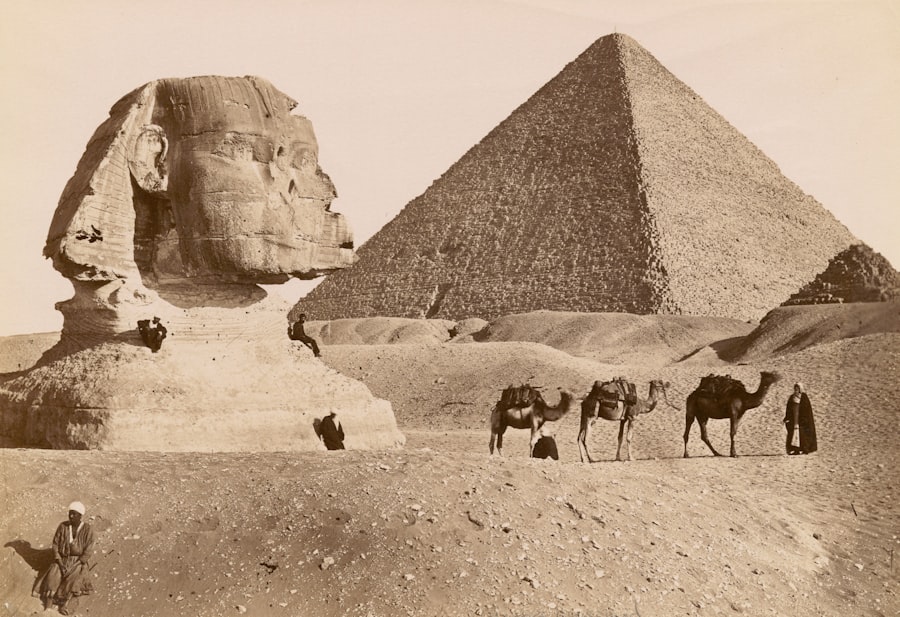
Determining the origin of the map has proven to be a formidable challenge for researchers. Initial analyses suggest that it may have originated from an ancient civilization known for its advanced knowledge of navigation and cartography. This civilization, which thrived in a region now lost to time, is believed to have possessed sophisticated techniques for mapping their surroundings, allowing them to traverse vast distances with remarkable accuracy.
As scholars trace the roots of this civilization, they uncover evidence of its influence on neighboring cultures. Artifacts found in conjunction with the map indicate that this society engaged in extensive trade and cultural exchange, leaving an indelible mark on the regions it interacted with.
By piecing together these fragments, researchers hope to illuminate the contributions of this ancient society and its role in shaping the world as we know it today.
Decoding the Symbols: Understanding the Language of the Map
| Map Symbol | Meaning |
|---|---|
| Circle | Represents a point of interest or location |
| Line | Indicates a road, trail, or boundary |
| Triangle | Denotes a peak or summit |
| Color Green | Represents vegetation or forested areas |
| Color Blue | Indicates water bodies such as rivers, lakes, or oceans |
One of the most intriguing aspects of the map lies in its symbols, which appear to represent various geographical features, cultural landmarks, and possibly even celestial bodies. Decoding this language has become a primary focus for linguists and archaeologists alike. Each symbol is thought to carry specific meanings, offering insights into how this ancient civilization perceived and interacted with their environment.
As experts work tirelessly to decipher these symbols, they draw upon comparative studies with other ancient scripts and languages. This interdisciplinary approach has yielded promising results, revealing connections between the map’s symbols and known linguistic patterns from other cultures. The process is painstaking and fraught with challenges, yet each breakthrough brings researchers closer to understanding not only the map itself but also the worldview of the civilization that created it.
The symbols serve as a testament to human ingenuity and creativity, reflecting a deep-seated desire to document and navigate the complexities of existence.
Historical Implications: How the Map Challenges Established Narratives
The implications of this map extend far beyond its immediate geographical context; it challenges established historical narratives that have long dominated academic discourse. For centuries, historians have relied on a limited set of sources to construct their understanding of ancient civilizations. The emergence of this map calls into question the completeness of these narratives, suggesting that significant chapters in history may have been overlooked or misrepresented.
By presenting evidence of previously unknown trade routes and cultural exchanges, the map encourages scholars to reconsider their assumptions about isolationist societies. It posits that interactions between civilizations were more common than previously acknowledged, fostering a richer understanding of human history as a tapestry woven from diverse threads. This shift in perspective has profound implications for how history is taught and understood, urging educators and scholars alike to embrace a more inclusive approach that recognizes the interconnectedness of all cultures.
Experts’ Analysis: Perspectives from Archaeologists and Historians

The academic community has responded with enthusiasm to the discovery of the map, with experts from various fields weighing in on its significance. Archaeologists have praised its potential to illuminate aspects of ancient life that remain shrouded in mystery. They argue that by studying the map alongside other archaeological findings, they can gain insights into settlement patterns, resource distribution, and social organization within the civilization that created it.
Historians have also expressed excitement about the map’s implications for understanding historical narratives. They emphasize that this artifact could serve as a key to unlocking new interpretations of events and interactions between cultures. By integrating the information gleaned from the map into existing historical frameworks, scholars hope to create a more nuanced understanding of how societies evolved over time.
The collaborative efforts between archaeologists and historians exemplify the interdisciplinary nature of modern research, highlighting how diverse perspectives can enrich our understanding of the past.
Uncovering Lost Civilizations: The Map’s Potential to Shed Light on Forgotten Societies
The discovery of this map has reignited interest in lost civilizations that have long been relegated to obscurity. As researchers delve deeper into its origins and meanings, they are compelled to explore other archaeological sites that may hold similar treasures waiting to be uncovered. The potential for discovering additional artifacts related to this civilization is immense, offering opportunities to piece together a more comprehensive picture of human history.
Moreover, this renewed focus on lost societies encourages scholars to investigate how these civilizations contributed to broader historical developments. By examining their achievements in areas such as agriculture, trade, and governance, researchers can better appreciate their role in shaping regional dynamics. The map serves as a reminder that history is not solely defined by well-documented empires but also by smaller societies whose innovations and interactions have left lasting legacies.
Controversies and Debates: The Map’s Reception in the Academic Community
Despite its promise, the map has not been without controversy within academic circles. Some scholars have expressed skepticism regarding its authenticity and origins, questioning whether it truly belongs to an ancient civilization or if it is a modern fabrication. This skepticism has sparked heated debates about methodology and standards for validating archaeological finds.
Additionally, differing interpretations of the map’s symbols have led to divergent theories about its significance. While some researchers argue that it represents a sophisticated understanding of geography and navigation, others contend that it may be more symbolic than practical in nature. These debates reflect broader tensions within academia regarding how history is constructed and understood, highlighting the challenges inherent in interpreting artifacts from distant pasts.
Future Research: Exploring the Map’s Significance and Unanswered Questions
As research continues into the origins and meanings of the map, numerous questions remain unanswered. Scholars are eager to explore how this artifact fits into broader historical contexts and what it reveals about human behavior across time and space. Future research will likely involve interdisciplinary collaborations that draw upon archaeology, linguistics, anthropology, and history.
Moreover, advancements in technology may play a crucial role in furthering our understanding of the map. Techniques such as digital imaging and 3D modeling could provide new insights into its construction and use while allowing researchers to analyze its features with unprecedented precision. As scholars embark on this journey of discovery, they remain committed to unraveling the mysteries surrounding this remarkable artifact.
Public Interest: The Map’s Impact on Popular Culture and Media
The intrigue surrounding the map has transcended academic circles, capturing public interest through various media channels. Documentaries, articles, and social media discussions have brought attention to its story, sparking curiosity among individuals who may not typically engage with historical research. This phenomenon underscores how artifacts like this map can bridge gaps between academia and popular culture.
As public fascination grows, so too does the potential for increased funding and support for archaeological research. Engaging narratives surrounding discoveries can inspire future generations to pursue careers in history and archaeology while fostering a greater appreciation for our shared heritage. The map thus serves as both an academic artifact and a cultural touchstone, reminding society of the importance of exploring our past.
The Ongoing Quest to Understand the Map’s Role in Rewriting History
The journey to understand this mysterious map is far from over; it represents an ongoing quest that intertwines discovery with interpretation. As researchers continue their investigations into its origins, symbols, and implications for history, they are reminded that every artifact holds within it stories waiting to be told. The map challenges established narratives while inviting new perspectives on human civilization’s complexities.
In this age of exploration—both physical and intellectual—the quest for knowledge remains paramount. The map stands as a testament to humanity’s enduring curiosity about its past and serves as a reminder that history is not static but rather an ever-evolving narrative shaped by new discoveries and interpretations. As scholars forge ahead in their efforts to decode its mysteries, they contribute not only to our understanding of this particular artifact but also to a broader dialogue about what it means to be human in an interconnected world.
In exploring the fascinating revelations of “The Map That Rewrites History,” one might find it intriguing to delve deeper into the broader context of historical cartography and its impact on our understanding of the past. A related article that complements this topic can be found on Real Lore and Order’s website. This article provides additional insights into how maps have been used throughout history to shape narratives and influence perceptions. For those interested in expanding their knowledge on this subject, you can read more by visiting