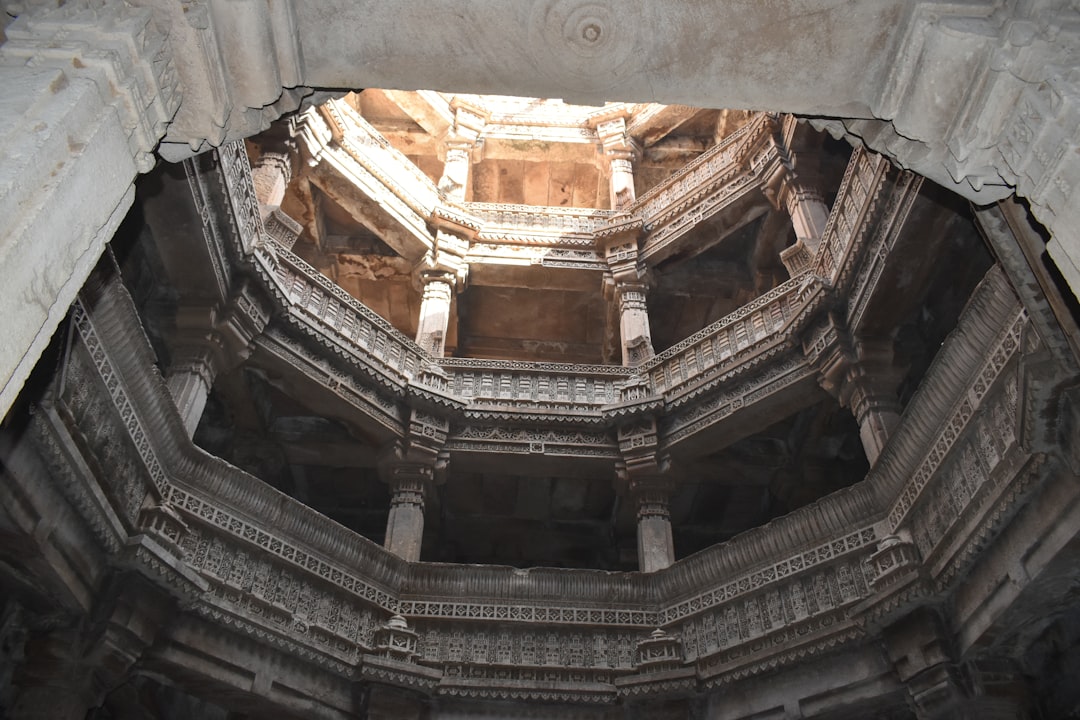
The archaeological site of Karahan Tepe, situated in the Taş Tepeler region of southeastern Turkey, represents a monumental discovery in understanding the pre-pottery Neolithic period. Its existence, alongside the more extensively investigated site of Göbekli Tepe, challenges previous assumptions about the capabilities and social structures of early human societies. The site, primarily excavated by a team led by Professor Necmi Karul from Istanbul University, has progressively revealed a complex of structures and artifacts that point towards sophisticated ritualistic practices and an advanced degree of communal organization long before the advent of agriculture and settled life as conventionally understood. The detailed architectural features and the iconography present at Karahan Tepe provide a unique lens through which to examine the cosmology and symbolic world of its ancient inhabitants.
Karahan Tepe is nestled within a geographically significant area, approximately 46 kilometers southeast of Şanlıurfa, a city renowned for its rich historical tapestry. The site shares many characteristics with Göbekli Tepe, leading researchers to hypothesize a broader, interconnected network of similar ritual centers in the Upper Mesopotamian plain during the Pre-Pottery Neolithic A (PPNA) and Pre-Pottery Neolithic B (PPNB) periods. The landscape itself, characterized by undulating hills and semi-arid terrain, may have held intrinsic meaning for the builders, informing their choice of location and the orientation of their structures.
Geographical Context and Site Discovery
The discovery of Karahan Tepe emerged from systematic surveys conducted in the Taş Tepeler region, indicating a concentrated presence of monumental sites from the early Neolithic. Initial surface inspections revealed numerous T-shaped pillars, a hallmark architectural feature also found at Göbekli Tepe, scattered across the site. This early evidence spurred more intensive archaeological investigations, which have since unearthed a significant portion of its ceremonial core. The strategic placement of these sites across the landscape suggests a deliberate and possibly interconnected pattern of ritualistic activity, akin to constellations forming a larger narrative.
Chronological Framework: Bridging the PPNA and PPNB
Radiocarbon dating of organic materials from Karahan Tepe indicates an occupation primarily spanning from the late PPNA to the early PPNB, roughly between 9600 and 8000 BCE. This timeline positions Karahan Tepe as contemporaneous with and possibly predating some of the earliest phases of Göbekli Tepe. The architectural styles and symbolic representations observed at both sites show striking similarities, prompting discussions about shared cultural traditions and possibly even a common origin for the builders of these megalithic complexes. Understanding the precise chronological relationship between these sites is crucial for reconstructing the evolutionary trajectory of early Neolithic societies.
In exploring the intricate ritual architecture of Karahan Tepe, it is essential to consider the broader context of prehistoric ceremonial sites. A related article that delves into the significance of ritual spaces in ancient cultures can be found at this link. This resource provides valuable insights into how architectural elements were designed to facilitate spiritual practices, drawing parallels with the unique features observed at Karahan Tepe.
Decoding the Architectural Blueprint: A Symphony of Stone
The core of Karahan Tepe’s significance lies in its meticulously engineered ritual architecture. The site does not present sporadic constructions but rather an integrated complex of subterranean and semi-subterranean structures, implying a cohesive plan and considerable labor investment. The construction techniques, particularly the carving and erection of massive stone pillars, defy easy explanation given the perceived technological limitations of the era.
The Hypogeum and its Pillars
At the heart of the excavated area lies a large, semi-subterranean circular structure, often referred to as the hypogeum. This central enclosure, approximately 23 meters in diameter, features a carefully carved bedrock floor and walls lined with numerous T-shaped pillars. Unlike Göbekli Tepe, where many pillars are free-standing within enclosures, at Karahan Tepe, many T-pillars are carved directly out of the bedrock, creating an organic integration between the architecture and the natural landscape. This intricate carving suggests not merely construction but a fundamental reshaping of the earth itself, mirroring perhaps the shaping of consciousness.
The T-shaped Pillars and their Symbolic Resonance
The T-shaped pillars, iconic of the Taş Tepeler sites, embody a profound symbolic language. At Karahan Tepe, these pillars are less overtly decorated with elaborate animal reliefs compared to Göbekli Tepe, yet they possess a distinct aesthetic. Many feature stylized human heads carved into their upper sections, often depicted without bodies, emphasizing the head as a center of consciousness or spiritual power. The uniformity in their form across multiple sites hints at an established cultural convention, perhaps representing ancestral figures, deities, or a symbolic representation of the human form itself, elevated to a sacred status. These pillars serve as silent sentinels, guarding secrets whispered across millennia.
Basin Structure and Water Management
Within the central hypogeum, archaeologists have unearthed an elaborate system of interlinked basins and channels carved into the bedrock. This complex water management system, unprecedented for its time, suggests a ritualistic use of water. The purpose of these basins remains a subject of ongoing research. Speculations range from ceremonial ablutions or purification rites to the collection and symbolic use of rainwater, or perhaps even the creation of artificial pools for astronomical observations, reflecting the night sky as a liquid mirror. The precision of these carvings speaks volumes about the builders’ understanding of hydrology and their ability to manipulate their environment for ritualistic purposes.
Ancillary Structures and Smaller Enclosures
Beyond the central hypogeum, Karahan Tepe contains several other circular and ovoid enclosures, typically smaller in scale. These structures also feature T-shaped pillars, albeit often in varying configurations. Their proximity to the main hypogeum suggests either a hierarchical arrangement of ritual spaces or the performance of diverse, complementary ceremonies. The spatial relationship between these structures offers clues about the social organization of the Karahan Tepe community and the sequence of rituals performed. Each enclosure might have served a distinct function, much like different chambers within a grand temple.
Iconography and Symbolic Representations: A Window into the Neolithic Mind
The iconography at Karahan Tepe provides invaluable insights into the worldview and belief systems of its builders. While less profuse than Göbekli Tepe’s menagerie of animal carvings, the representations at Karahan Tepe are equally enigmatic and compelling, focusing more on human and anthropomorphic forms.
Human and Anthropomorphic Figures
A significant characteristic of Karahan Tepe’s iconography is the prevalence of highly stylized human and anthropomorphic representations. These often appear as headless figures, detached heads, or hybrid creatures blending human and animal attributes. One particularly striking example is a relief depicting a human-like figure holding its own head, offering a potent visual metaphor for rebirth, sacrifice, or a journey beyond corporeal existence. Such imagery challenges conventional interpretations of early human art, pushing the boundaries of symbolic thought.
Phallic Symbolism and Representations of Fertility
The site also features numerous carved phallic symbols, suggesting a strong emphasis on fertility and procreation. These range from explicit depictions to more abstract, elongated forms integrated into the bedrock. This prevalence of fertility symbols is consistent with many early agricultural societies, yet their presence at a pre-agricultural site like Karahan Tepe suggests that concepts of fertility and life-giving forces held profound significance even before settled farming practices became widespread.
Absence of Domesticated Animals
Crucially, the iconography at Karahan Tepe, like Göbekli Tepe, primarily depicts wild animals, such as snakes, gazelles, and birds of prey. There is a notable absence of domesticated animal representations, reinforcing the understanding of Karahan Tepe as a pre-agricultural ritual center. The veneration of wild animals underscores their symbolic importance in a hunter-gatherer cosmology, perhaps representing aspects of the natural world, powerful spirits, or totemic ancestors.
Ritual Practices and Social Organization: Echoes from the Deep Past

The architectural design and iconographic repertoire of Karahan Tepe point towards a highly structured and ritualistic society. The scale of the construction projects implies a significant degree of communal coordination and a shared ideological framework that motivated such monumental undertakings.
Collective Labor and Social Cohesion
The sheer volume of earth moved, stone carved, and pillars erected at Karahan Tepe would have required the concerted efforts of a large group of individuals over an extended period. This level of collective labor suggests a complex social organization, transcending simple egalitarian hunter-gatherer bands. The motivations behind such endeavors are likely rooted in shared beliefs, perhaps a desire to appease deities, commemorate ancestors, or establish territorial claims through monumental architecture. These sites were not just built; they were an act of collective will, etched into the very stone.
Public and Esoteric Rituals
The architecture of Karahan Tepe suggests a distinction between public and perhaps more restricted, esoteric ritual spaces. The central hypogeum, with its large capacity, could have accommodated numerous participants, indicating communal ceremonies. However, certain smaller, more secluded enclosures or the intricate carvings on specific pillars might have been reserved for a select few, suggesting a nascent form of priestly class or specialized ritual practitioners. The architecture acts as a stage, with different areas designed for different acts within a profound drama.
Shared Cultural Horizon with Göbekli Tepe
The striking similarities between Karahan Tepe and Göbekli Tepe extend beyond T-shaped pillars to include shared iconographic motifs and construction methods. This cultural kinship suggests either a common origin for the builders of these sites or extensive cultural exchange and transmission of ideas across the Taş Tepeler region. The concept of a “ritual landscape” encompassing multiple such sites gains credence from these correspondences, painting a picture of an interconnected world of spiritual practices.
The analysis of ritual architecture at Karahan Tepe offers fascinating insights into the social and cultural practices of ancient societies. For a deeper understanding of similar archaeological findings, you may find the article on the significance of megalithic structures in prehistoric rituals particularly enlightening. This piece explores how these monumental sites, much like Karahan Tepe, reflect the complex belief systems of early human communities. To read more about this topic, visit this article.
Implications for Understanding the Neolithic Revolution
| Metric | Description | Value/Observation | Notes |
|---|---|---|---|
| Site Location | Geographical position of Karahan Tepe | Southeastern Anatolia, Turkey | Near Göbekli Tepe, part of Pre-Pottery Neolithic sites |
| Period | Estimated dating of the site | c. 9500–9000 BCE | Early Neolithic, Pre-Pottery Neolithic B |
| Architectural Features | Main structural elements identified | Large T-shaped pillars, circular enclosures | Similar to Göbekli Tepe but with unique motifs |
| Ritual Function | Purpose of the architecture | Likely ceremonial and ritual gatherings | Evidence from carvings and spatial organization |
| Carvings and Iconography | Types of motifs found on pillars | Animals (boars, snakes, birds), abstract symbols | Indicative of symbolic or religious meaning |
| Construction Techniques | Methods used to build structures | Stone carving, pillar erection, circular layout | Advanced for the period, requiring organized labor |
| Spatial Organization | Layout and arrangement of enclosures | Multiple circular enclosures with central pillars | Suggests planned ritual spaces |
| Comparative Analysis | Relation to other sites | Shares features with Göbekli Tepe but less excavated | May represent regional variation or contemporaneous site |
| Preservation State | Current condition of the site | Partially excavated, some pillars intact | Ongoing archaeological work |
Karahan Tepe, along with Göbekli Tepe, fundamentally reshapes our understanding of the Neolithic Revolution. Previously, monumental architecture and complex social structures were believed to emerge only after the establishment of agriculture and sedentary lifestyles. These sites, however, demonstrate that sophisticated ritual centers and the associated societal organization existed among hunter-gatherer communities, preceding widespread agricultural adoption.
Challenging the “Agriculture First” Paradigm
The evidence from Karahan Tepe strongly supports the “ritual first” or “complex hunter-gatherer” hypothesis. This theory posits that the need for communal ritual spaces, perhaps driven by shared spiritual beliefs or environmental pressures, fostered social cohesion and technological innovation, eventually paving the way for agriculture and settled communities. The construction of these sites might have necessitated new forms of social organization, resource management, and labor mobilization, laying the groundwork for later societal transformations. The stones of Karahan Tepe speak a language older than fields of grain.
The Rise of Symbolic Thought and Abstract Representation
The rich iconography and highly symbolic architecture at Karahan Tepe underscore the advanced cognitive abilities of its builders. Their capacity for abstract thought, symbolic representation, and the creation of elaborate narratives embedded within their art and architecture is profoundly impressive. These sites serve as a testament to the human mind’s enduring quest for meaning and its ability to shape the world according to its inner visions.
Continued Research and Future Prospects
The ongoing excavations at Karahan Tepe promise to reveal further layers of its enigmatic past. Each newly uncovered structure, each artifact unearthed, contributes to a more nuanced understanding of this pivotal period in human history. The site stands as a profound reminder that our understanding of early human societies is constantly evolving, with new discoveries continuously challenging established paradigms. Karahan Tepe is not merely an archaeological site; it is a continuously unfolding narrative, waiting for its next chapter to be written by the relentless curiosity of archaeologists.
WATCH NOW ▶️ WARNING: The Giza Muon Scans Just Changed Everything
FAQs
What is Karahan Tepe?
Karahan Tepe is an archaeological site located in southeastern Turkey, known for its prehistoric ritual architecture dating back to the Neolithic period. It is part of the larger Göbekli Tepe complex and features monumental stone structures believed to have been used for ceremonial purposes.
What characterizes the ritual architecture at Karahan Tepe?
The ritual architecture at Karahan Tepe is characterized by large T-shaped limestone pillars arranged in circular or oval enclosures. These pillars often bear intricate carvings of animals and abstract symbols, suggesting symbolic or religious significance.
How old is the architecture found at Karahan Tepe?
The structures at Karahan Tepe date back to approximately 10,000 to 9,000 BCE, placing them in the Pre-Pottery Neolithic period. This makes them some of the oldest known examples of monumental ritual architecture in the world.
What is the significance of the animal carvings at Karahan Tepe?
The animal carvings on the pillars at Karahan Tepe are believed to have symbolic meanings related to the beliefs and rituals of the prehistoric communities. They may represent totemic animals, spiritual entities, or elements of mythological narratives important to the site’s builders.
How does Karahan Tepe contribute to our understanding of early human societies?
Karahan Tepe provides valuable insights into the social and religious practices of early Neolithic communities. Its complex ritual architecture indicates organized communal activities, early forms of symbolic expression, and the development of social structures prior to the advent of agriculture and settled village life.