
The enigmatic structures of ancient Egypt, particularly the pyramids, have long captivated the imagination of historians, archaeologists, and the general public alike. Among the many mysteries surrounding these monumental edifices is the phenomenon of underground chamber pressure. This concept refers to the atmospheric and geological pressures experienced within the subterranean spaces of pyramids, which can significantly influence their structural integrity and the preservation of artifacts.
Understanding this pressure is crucial for comprehending not only the architectural prowess of the ancient Egyptians but also the broader implications for their civilization. As researchers delve deeper into the intricacies of pyramid construction, they uncover layers of complexity that extend beyond mere stone and mortar. The interplay of pressure within these underground chambers can reveal insights into the engineering techniques employed by ancient builders, as well as their understanding of natural forces.
By examining how pressure affects these chambers, scholars can piece together a more comprehensive picture of the pyramids’ purpose and significance in ancient Egyptian society.
Key Takeaways
- Pyramid underground chambers experience unique pressure conditions critical to their structural stability.
- Understanding the history and design of pyramids helps explain the purpose of these underground chambers.
- Measuring pressure in these chambers provides insights into ancient construction techniques and materials.
- Pressure analysis reveals connections between structural integrity and ancient Egyptian religious beliefs.
- Ongoing research into chamber pressure can deepen knowledge of ancient civilizations and guide future explorations.
The History of Pyramid Construction and Design
The construction of pyramids in ancient Egypt dates back to around 2700 BCE, with the earliest examples being the Step Pyramid of Djoser at Saqqara. This architectural innovation marked a significant departure from previous burial practices, transitioning from simple mastabas to more complex structures designed to honor and protect the deceased. Over time, pyramid design evolved, culminating in the iconic smooth-sided pyramids seen at Giza.
These monumental structures were not only tombs but also symbols of power and divine connection. The design and construction of pyramids involved meticulous planning and execution. Ancient Egyptians employed a workforce that included skilled laborers, architects, and artisans who worked in unison to create these grand edifices.
The use of precise measurements and alignment with celestial bodies demonstrated their advanced understanding of mathematics and astronomy. As construction techniques improved, so did the complexity of underground chambers, which were often designed to withstand geological pressures while serving specific ceremonial or functional purposes. Discover the secrets behind the pyramid mystery ancient egypt in this fascinating video.
Theories on the Purpose of Underground Chambers in Pyramids

The underground chambers within pyramids have sparked numerous theories regarding their intended purpose. Some scholars suggest that these chambers served as burial sites for pharaohs and their treasures, designed to protect them from grave robbers and the ravages of time. Others propose that these spaces were used for religious rituals or as symbolic representations of the afterlife, reflecting the ancient Egyptians’ beliefs about death and resurrection.
Another theory posits that underground chambers functioned as storage areas for offerings or goods intended for use in the afterlife. This perspective highlights the importance of material wealth in ancient Egyptian culture, where possessions were believed to accompany the deceased into eternity. Additionally, some researchers speculate that these chambers may have had astronomical significance, aligning with celestial events or serving as observatories for tracking celestial bodies.
Each theory contributes to a multifaceted understanding of the role these underground spaces played in ancient Egyptian society.
The Discovery of Underground Chambers in Pyramids
The discovery of underground chambers within pyramids has been a significant aspect of archaeological exploration in Egypt. Early excavations often focused on surface structures, but as techniques advanced, researchers began to uncover hidden chambers beneath the pyramids. Notable discoveries include the hidden voids within the Great Pyramid of Giza, which were revealed through modern imaging technologies such as muon tomography.
These discoveries have not only expanded knowledge about pyramid construction but have also raised new questions about their design and purpose. The presence of previously unknown chambers suggests that ancient Egyptians may have employed sophisticated engineering techniques to create complex networks beneath their monumental structures. Each new finding adds another layer to the ongoing narrative of pyramid construction and its significance in ancient Egyptian culture.
The Importance of Understanding Pressure in Pyramid Chambers
| Parameter | Value | Unit | Description |
|---|---|---|---|
| Depth of Chamber | 30 | meters | Vertical distance from pyramid base to chamber |
| Rock Density | 2.6 | g/cm³ | Average density of limestone blocks surrounding chamber |
| Overburden Pressure | 765 | kPa | Pressure exerted by the rock above the chamber |
| Atmospheric Pressure | 101.3 | kPa | Pressure inside the chamber at surface level |
| Temperature | 25 | °C | Average temperature inside the chamber |
| Humidity | 60 | % | Relative humidity inside the chamber |
Understanding pressure within pyramid underground chambers is essential for several reasons. Firstly, it provides insights into the structural integrity of these ancient edifices. The geological pressures exerted on these chambers can affect their stability over time, influencing how well they have withstood natural forces such as earthquakes or erosion.
By studying these pressures, researchers can assess the longevity and durability of pyramid structures. Moreover, knowledge of pressure dynamics can inform conservation efforts aimed at preserving these historical sites. As environmental conditions change, understanding how pressure affects chamber conditions can help guide restoration practices.
This knowledge is vital for ensuring that future generations can continue to study and appreciate these remarkable achievements of human ingenuity.
Methods Used to Measure Pressure in Pyramid Chambers
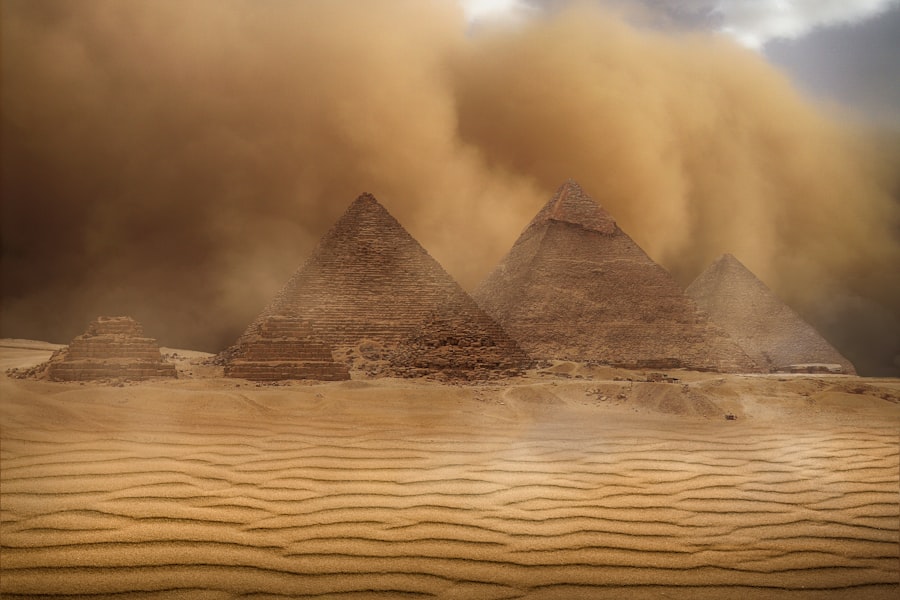
Various methods have been employed to measure pressure within pyramid underground chambers, each offering unique insights into their conditions. Traditional techniques often involved direct measurements using barometers or pressure sensors placed strategically within chambers. These instruments can provide real-time data on atmospheric pressure fluctuations caused by changes in temperature or humidity.
In recent years, non-invasive technologies have gained prominence in studying pyramid chambers. Techniques such as muon tomography allow researchers to visualize internal structures without disturbing them physically. By analyzing how cosmic particles interact with matter, scientists can infer information about chamber dimensions and potential voids while also assessing pressure dynamics within those spaces.
These innovative methods are revolutionizing how researchers approach the study of ancient structures.
The Relationship Between Pressure and Structural Integrity in Pyramids
The relationship between pressure and structural integrity is a critical aspect of pyramid design and construction. As geological forces exert pressure on underground chambers, it is essential to understand how this pressure impacts the materials used in construction. Ancient Egyptians employed various stone types, each with distinct properties that influenced their ability to withstand pressure over time.
Research has shown that certain architectural features, such as corbelled ceilings or sloped walls, were intentionally designed to distribute weight and mitigate pressure effects. By analyzing these design choices, scholars can gain insights into how ancient builders anticipated and addressed potential structural challenges. This understanding not only sheds light on pyramid construction techniques but also highlights the ingenuity of ancient engineers who navigated complex geological conditions.
The Role of Pressure in Ancient Egyptian Religious and Spiritual Beliefs
Pressure within underground chambers also intersects with ancient Egyptian religious and spiritual beliefs. The design and orientation of pyramids were often aligned with celestial bodies, reflecting a deep connection between architecture and cosmology. The pressures experienced within these chambers may have been perceived as manifestations of divine forces or spiritual energies.
Moreover, the act of burial itself was imbued with religious significance, as it was believed to facilitate the transition to the afterlife. The preservation of bodies and artifacts within these chambers was paramount for ensuring a successful journey into eternity. Understanding how pressure dynamics influenced these burial practices can provide valuable insights into the spiritual worldview of ancient Egyptians and their reverence for life after death.
Comparisons of Pressure in Different Pyramid Chambers
Comparing pressure dynamics across different pyramid chambers reveals variations influenced by factors such as location, design, and geological conditions. For instance, chambers within the Great Pyramid may experience different pressure levels than those found in smaller pyramids due to their size and structural complexity. Additionally, regional geological differences can impact how pressure is distributed within each chamber.
Such comparisons allow researchers to draw conclusions about construction techniques employed across various sites and periods. By examining how different pyramids responded to geological pressures over time, scholars can better understand regional variations in architectural practices and their implications for ancient Egyptian society.
The Implications of Pressure Findings for Understanding Ancient Civilizations
The findings related to pressure dynamics within pyramid underground chambers have broader implications for understanding ancient civilizations beyond Egypt. They highlight the advanced engineering capabilities possessed by early societies and their ability to manipulate natural forces for monumental construction projects. This knowledge challenges preconceived notions about technological limitations in antiquity.
As modern societies grapple with environmental challenges, understanding how ancient civilizations navigated similar issues can inspire innovative solutions rooted in historical wisdom.
Future Research and Exploration of Pyramid Underground Chamber Pressure
Future research into pyramid underground chamber pressure holds great promise for uncovering new insights into ancient Egyptian civilization. As technology continues to advance, researchers will likely develop even more sophisticated methods for studying these enigmatic spaces without causing damage. Collaborative efforts between archaeologists, engineers, and scientists will be essential for pushing the boundaries of knowledge in this field.
Moreover, interdisciplinary approaches that integrate archaeology with fields such as geology and physics will enhance understanding of how pressure dynamics influenced pyramid construction and function. As scholars continue to explore these underground chambers, they will undoubtedly uncover new layers of meaning that deepen appreciation for one of humanity’s most remarkable architectural achievements.
Recent studies on the pressure dynamics within the underground chambers of the pyramids have revealed fascinating insights into their construction and purpose. For a deeper understanding of these findings, you can explore the article on the topic at com/sample-page/’>this link.
The research highlights how the unique geological and architectural features of these chambers contribute to the overall stability and integrity of the pyramids.
WATCH THIS! 🔺 THEY LIED ABOUT THE PYRAMIDS — Here’s The Real Truth 🤯
FAQs
What is the pyramid underground chamber pressure?
Pyramid underground chamber pressure refers to the air pressure and structural stress conditions found within the subterranean chambers of pyramids, such as those in ancient Egyptian pyramids. These pressures can affect the stability and preservation of the chambers.
Why is pressure important in pyramid underground chambers?
Pressure is important because it influences the structural integrity of the chambers. Understanding the pressure helps archaeologists and engineers assess the risk of collapse, air quality for exploration, and the preservation of artifacts inside the chambers.
How is pressure measured inside pyramid underground chambers?
Pressure inside pyramid chambers can be measured using barometers or pressure sensors placed within the chambers. These devices monitor air pressure changes, which can be influenced by temperature, humidity, and ventilation.
Do pyramid underground chambers have higher or lower pressure than the outside atmosphere?
Typically, pyramid underground chambers have air pressure close to the outside atmospheric pressure, but slight variations can occur due to limited ventilation, temperature differences, and the chamber’s sealed environment.
Can pressure changes affect the preservation of artifacts in pyramid chambers?
Yes, pressure changes can impact the preservation of artifacts by influencing humidity levels and air circulation, which in turn affect the rate of deterioration of materials such as wood, papyrus, and paint.
Are there any risks associated with pressure in pyramid underground chambers for explorers?
Generally, the pressure inside pyramid chambers is safe for explorers. However, poor ventilation can lead to low oxygen levels or accumulation of harmful gases, which pose health risks. Monitoring air quality is essential during exploration.
How do ancient builders manage pressure in pyramid underground chambers?
Ancient builders designed chambers with ventilation shafts and structural reinforcements to manage air flow and distribute structural loads, indirectly controlling pressure and maintaining chamber stability.
Has modern technology helped in understanding pressure in pyramid chambers?
Yes, modern technology such as pressure sensors, 3D scanning, and computational modeling has enhanced understanding of the pressure dynamics and structural stresses within pyramid chambers, aiding in preservation and exploration efforts.