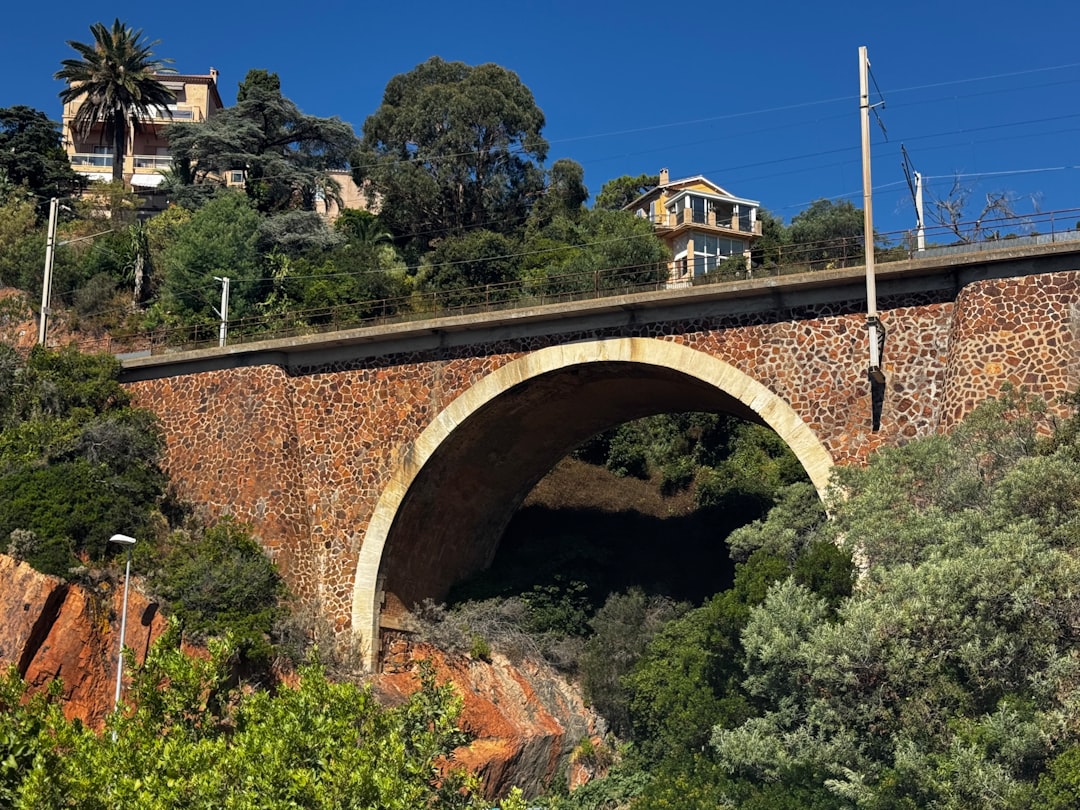
The Mediterranean Sea, a cradle of civilization and a crossroads of continents, has long been a canvas for human endeavor and natural wonder. Beneath its shimmering surface, however, lies a whispered rumour, a persistent enigma that has captivated historians, archaeologists, and a burgeoning community of amateur sleuths: the Mediterranean Bridge Cover-Up. This article seeks to peel back the layers of speculation and investigate the scant, yet compelling, evidence that hints at a lost epoch of human ingenuity, deliberately obscured from public view.
The Concept of a Natural Land Bridge:
For centuries, geologists and naturalists have acknowledged the dynamic nature of Earth’s crust. Plate tectonics, the slow ballet of continents, has sculpted our world, raising mountains and carving oceans. It is not unreasonable to posit that, at certain points in prehistory, land bridges may have existed, facilitating migration and exchange between what are now separated landmasses. The concept of a “Mediterranean Bridge” is not entirely novel in this regard. Early scientific thinking, before the full understanding of plate tectonics, sometimes invoked such hypothetical connections to explain faunal distribution patterns.
Prehistoric Migrations and Zoological Evidence:
Evidence of early human migration into Europe from Africa and Asia is abundant. However, the precise routes and timelines remain areas of active research. Anomalies in the fossil record, particularly concerning certain species of fauna that appear to have crossed the Mediterranean thousands of years ago, have occasionally been cited as supporting the existence of a more direct land connection than the present-day archipelago of islands allows for. These arguments, however, often lack definitive proof and are frequently attributed to temporary sea-level fluctuations or the advent of early seafaring.
Ancient Texts and Mythological Echoes:
Beyond the realm of hard science, various ancient texts and mythological narratives have been interpreted by some as allusions to a lost land mass or a more connected Mediterranean landscape. While often dismissed as allegorical or symbolic, these narratives can, for some researchers, serve as tantalizing breadcrumbs, hinting at collective memories of a world that no longer exists. The tales of Atlantis, while largely considered a philosophical allegory, have nonetheless fueled speculation about sunken lands and lost civilizations in the Mediterranean basin.
In exploring the enigmatic history of the Mediterranean, one cannot overlook the intriguing article that delves into the ancient site of Nabta Playa, which features a remarkable stone circle believed to be an astronomical marvel. This site, much like the mysteries surrounding the Mediterranean bridge cover-up, raises questions about the advanced knowledge and capabilities of ancient civilizations. For those interested in uncovering more about this fascinating topic, you can read the article here: Nabta Playa: Stone Circle and Ancient Astronomical Marvel.
The Malta-Sicily Land Bridge Hypothesis: A Tangible, Yet Elusive, Possibility
The most frequently discussed embodiment of the “Mediterranean Bridge” concept centers on the Strait of Sicily, the narrow body of water separating the Italian island of Sicily from the North African coast, with Malta situated in between. This region, characterized by relatively shallow waters, has been the focal point of much speculation concerning a prehistoric land connection.
Geological Evidence and Bathymetric Data:
Geological surveys in the Strait of Sicily reveal a seabed topography that, at first glance, suggests a less formidable barrier than the open sea. Underwater ridges and plateaus in the region have been observed by oceanographers and marine geologists. While these features are often explained by volcanic activity and geological subsidence, some researchers have argued that they could represent the remnants of a more substantial land bridge. Bathymetric data, the measurement of water depths, plays a crucial role in these investigations. Areas of shallower water, particularly when viewed in the context of past sea levels, become significant.
Archaeological Discoveries and Potential Sites:
The possibility of a land bridge naturally raises questions about archaeological sites. If a land bridge existed, it would have served as a thoroughfare for humans and their settlements. Consequently, the search for submerged archaeological evidence in the Strait of Sicily has become a key component of the cover-up theories. This has led to much exploration, both official and unofficial, of the seabed.
Submerged Settlements and Artifacts:
Several underwater archaeological expeditions have reported the discovery of features that could be interpreted as submerged settlements or ancient structures. These findings, however, often lack clear identification and are frequently attributed to natural geological formations or shipwrecks. The challenges of underwater archaeology are immense, and distinguishing between natural anomalies and human artifacts in the often murky depths can be a formidable task. The vagaries of sediment deposition and the constant reshaping of the seabed by currents can obscure evidence, making definitive conclusions difficult.
Anomalous Distribution of Archaeological Material:
Another line of reasoning revolves around the seemingly anomalous distribution of certain archaeological materials across the Mediterranean. For instance, the presence of specific types of stone tools or pottery styles on islands that would have been exceptionally difficult to reach by early sea craft has been used to argue for a more connected landmass. This “out-of-place” artifact argument, while intriguing, often suffers from gaps in data and could equally be explained by early maritime capabilities that are perhaps underestimated.
The Human Factor: Early Seafaring and the Rise of Maritime Cultures
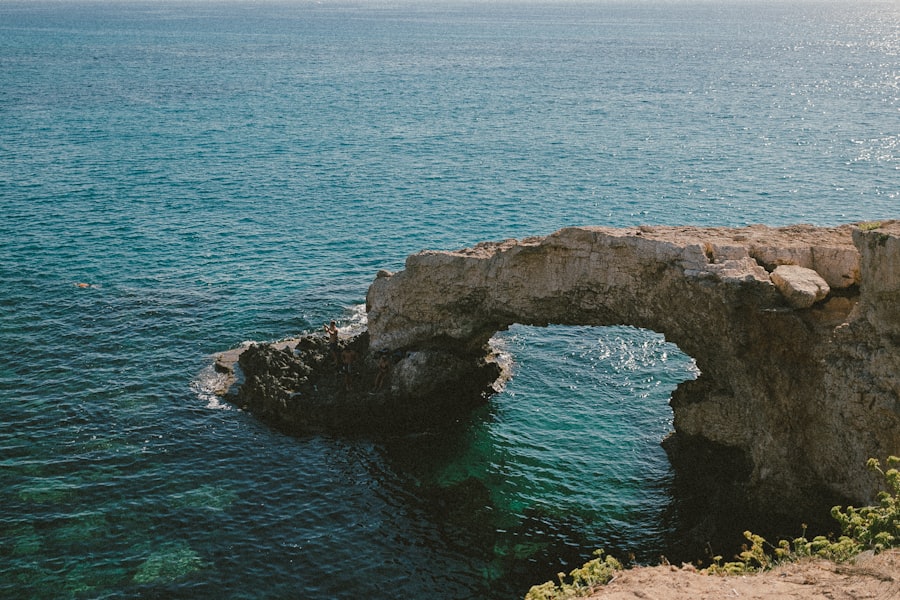
While the land bridge hypothesis offers a compelling narrative, it is crucial to acknowledge the undeniable evidence of early human seafaring. The Mediterranean, even in its current form, has been a cradle of maritime cultures for millennia, long before the advent of advanced shipbuilding.
The Evolution of Early Boats and Navigation:
The development of rudimentary watercraft, from simple rafts to more sophisticated dug-out canoes and eventually plank-built vessels, would have allowed early humans to traverse stretches of water. Archaeological evidence of early boat construction and the presence of maritime tools on coastal sites supports this. The ability to navigate, even by line of sight or by observing natural phenomena, would have provided a pathway across the sea.
The “Island Hopping” Phenomenon:
The colonization of islands, even those at a significant distance, is a testament to the resourcefulness of early humans and their aptitude for seafaring. The gradual spread of human populations across the Aegean and into the wider Mediterranean islands demonstrates a capacity for reaching new lands that were not directly connected by land bridges. This “island hopping” strategy, while requiring courage and ingenuity, does not necessitate the existence of extensive land connections.
The Shadow of Doubt: Why the “Mediterranean Bridge” Remains Unconfirmed
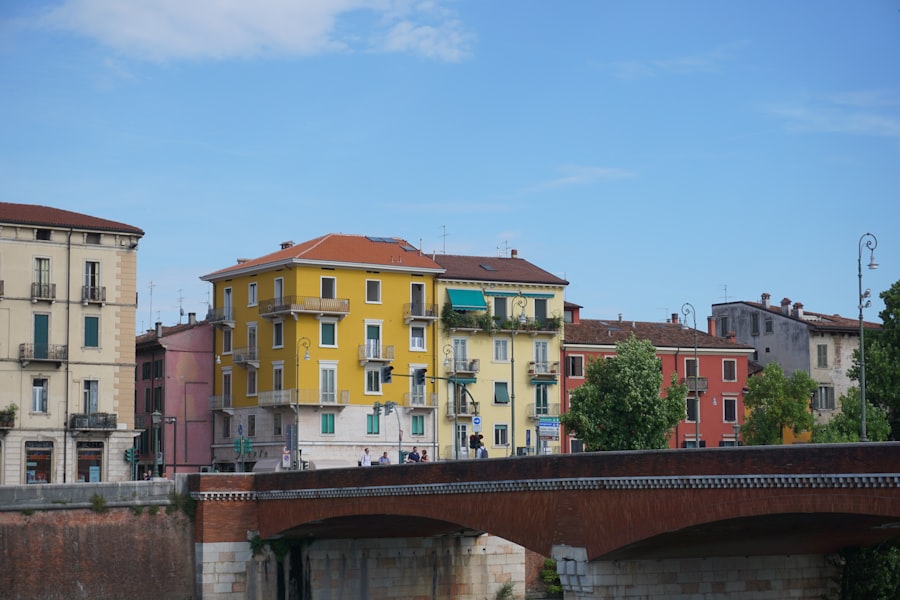
Despite the allure of a lost land bridge and the occasional intriguing anomaly, the scientific and archaeological consensus remains firmly against the existence of a substantial, long-term Mediterranean land bridge that would have significantly altered the prehistoric landscape.
The Scarcity of Definitive Proof:
The most significant hurdle for the Mediterranean Bridge hypothesis is the stark absence of irrefutable evidence. Unlike other regions where clear evidence of land bridges has been found and dated, the Mediterranean has yet to yield such definitive proof. The proposed land bridge remains a ghost in the geological and archaeological record, a tantalizing possibility that has not yet fully materialized.
Alternative Explanations for Anomalies:
As previously mentioned, many of the anomalies cited as evidence for a land bridge have plausible alternative explanations. Fluctuations in sea level over geological time, the natural erosion and deposition of sediments, and the development of sophisticated early seafaring technologies all offer more readily accepted explanations for the observed phenomena. These explanations, while perhaps less dramatic than a lost land bridge, are grounded in well-established scientific principles.
The “Ockham’s Razor” Principle in Archaeology:
In scientific inquiry, the principle of Ockham’s Razor suggests that the simplest explanation is usually the best. In the context of the Mediterranean Bridge, a vast, submerged landmass deliberately covered up represents a far more complex and conspiratorial explanation than the gradual development of seafaring and fluctuations in sea level.
In exploring the enigmatic past of the Mediterranean region, one cannot overlook the intriguing article that delves into the survival strategies of ancient cities during droughts. This piece sheds light on how these civilizations adapted to environmental challenges, which may also provide context for understanding the potential cover-ups surrounding historical mysteries like the Mediterranean bridge. For a deeper insight into how ancient societies thrived despite adversity, you can read more in this fascinating article about their resilience and ingenuity here.
The “Cover-Up” Narrative: Conspiracy, Speculation, and the Allure of the Unknown
| Aspect | Details | Significance | Current Status |
|---|---|---|---|
| Mystery Topic | Mediterranean Bridge Cover-Up | Alleged concealment of historical or archaeological findings related to ancient Mediterranean bridges | Under investigation by historians and archaeologists |
| Location | Mediterranean Region (specific sites vary) | Region known for ancient civilizations and trade routes | Multiple sites proposed, no definitive location confirmed |
| Time Period | Ancient to Classical Era (circa 1000 BCE – 500 CE) | Era of significant bridge construction and engineering advancements | Artifacts and structures dated to this period under review |
| Key Figures | Historians, Archaeologists, Local Authorities | Involved in uncovering or allegedly suppressing information | Some whistleblowers have come forward; official statements limited |
| Evidence | Ancient bridge remnants, documents, eyewitness accounts | Potential proof of advanced engineering and historical trade routes | Evidence partially documented but some remains inaccessible |
| Controversy | Claims of deliberate cover-up to protect political or economic interests | Raises questions about transparency in historical research | Ongoing debates in academic and public spheres |
| Research Efforts | Excavations, archival research, forensic analysis | Attempting to verify authenticity and uncover hidden facts | Active projects with mixed results |
The term “cover-up” inherently implies deliberate action and concealment. When applied to the Mediterranean Bridge, this narrative suggests that there is a conscious effort by authorities, scientific institutions, or some shadowy organization to suppress evidence of this lost connection.
Archetypes of Conspiracy Theories:
The Mediterranean Bridge Cover-Up can be seen as an archetypal conspiracy theory, tapping into a fundamental human distrust of authority and a fascination with hidden knowledge. These narratives often thrive on ambiguity, cherry-picked evidence, and the selective dismissal of contrary findings. The allure lies in the idea that the public is being kept in the dark about a momentous secret.
The Role of the Internet and Amateur Research:
The advent of the internet has democratized information sharing and empowered amateur researchers to connect and disseminate their findings. This has been a double-edged sword for the Mediterranean Bridge hypothesis. On one hand, it has facilitated the sharing of ideas and the aggregation of disparate pieces of information. On the other hand, it has also provided a fertile ground for the proliferation of unsubstantiated claims and speculative theories, often presented with a veneer of scientific legitimacy.
The Psychological Appeal of a Lost Golden Age:
The idea of a lost, advanced civilization or a more interconnected past holds a potent psychological appeal. It can evoke nostalgia for a perceived golden age and offer a framework for understanding present-day challenges within a grander, more mysterious historical narrative. The Mediterranean Bridge, in this context, becomes more than just a geological feature; it is a symbol of lost potential and a forgotten epoch of human achievement.
In conclusion, while the concept of a Mediterranean Bridge remains an engaging enigma, the weight of scientific evidence, coupled with plausible alternative explanations for observed anomalies, suggests that any such land bridge was either transient, localized, or did not exist in a form that dramatically altered human migration patterns as significantly as some theories propose. The “cover-up” narrative, while captivating in its speculative nature, lacks the concrete evidence necessary to move from the realm of conjecture to established fact. The Mediterranean continues to guard its secrets well, and the whispers of a submerged bridge, for now, remain just that – whispers in the deep.
FAQs
What is the Mediterranean Bridge cover-up about?
The Mediterranean Bridge cover-up refers to a historical mystery involving the alleged concealment of information related to an ancient or modern bridge in the Mediterranean region. Details about the bridge’s existence, purpose, or archaeological findings have been subject to secrecy or suppression by certain groups or authorities.
Where is the Mediterranean Bridge supposedly located?
The exact location of the Mediterranean Bridge varies depending on the source, but it is generally believed to be somewhere in the Mediterranean Sea, possibly connecting parts of Europe, Africa, or Asia. Some theories suggest it could be near ancient trade routes or submerged landmasses.
What evidence supports the existence of the Mediterranean Bridge?
Evidence includes historical texts, underwater archaeological discoveries, satellite imagery, and local legends. However, much of this evidence is either disputed or incomplete, contributing to the mystery and speculation surrounding the bridge.
Why do some believe there is a cover-up related to the Mediterranean Bridge?
Believers in the cover-up argue that governments, archaeologists, or other organizations may be hiding information to protect political interests, prevent tourism disruption, or avoid challenging established historical narratives. Lack of transparent research and restricted access to certain sites fuel these suspicions.
Has any official research been conducted on the Mediterranean Bridge?
Yes, various archaeological and historical research projects have been undertaken in the Mediterranean region, including underwater explorations. However, no definitive conclusions about the bridge have been publicly confirmed, and much of the research remains inconclusive or classified.