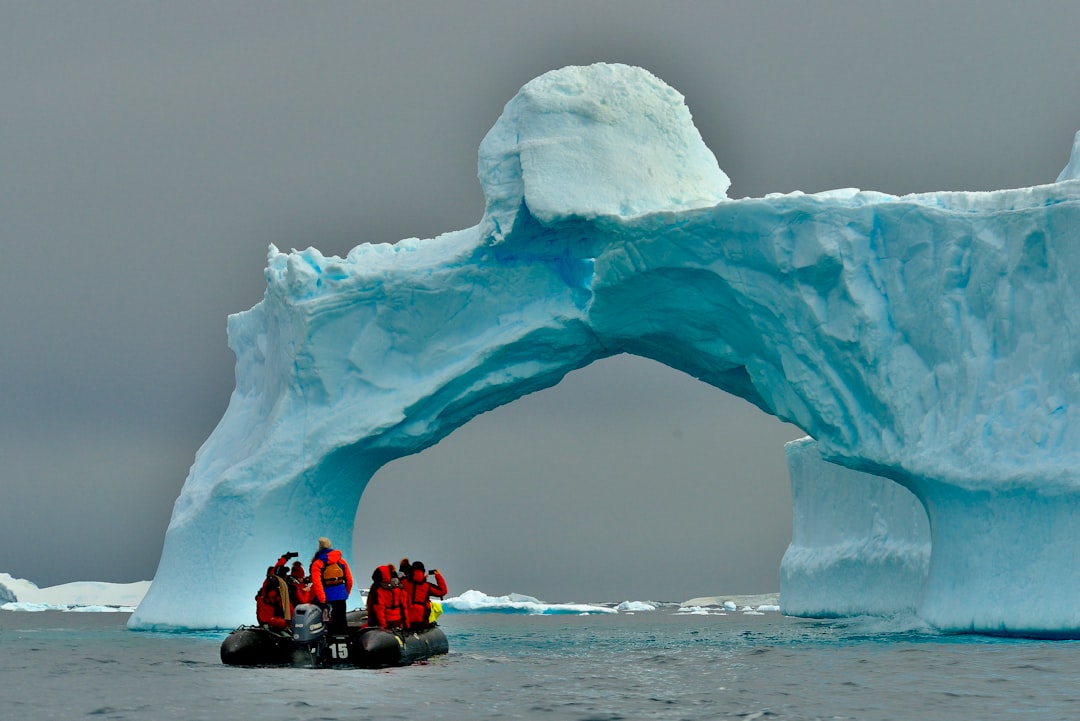
Antarctica, often referred to as the last great wilderness on Earth, has a history shrouded in mystery and intrigue. Its existence was speculated long before it was discovered, with ancient maps hinting at a vast southern landmass. The Greeks, particularly philosophers like Aristotle, theorized about a land that balanced the northern continents, which they called “Terra Australis.” This notion persisted through the ages, capturing the imaginations of explorers and scholars alike.
However, it wasn’t until the Age of Exploration in the 15th and 16th centuries that the continent began to emerge from the shadows of myth and speculation. The true nature of Antarctica remained elusive for centuries. It was not until the late 18th century that explorers like James Cook set sail to uncover its secrets.
Cook’s voyages around the Southern Ocean laid the groundwork for future expeditions, as he meticulously charted the waters surrounding the continent. His observations hinted at a vast landmass, but it would take many more years for explorers to set foot on its icy shores. The allure of Antarctica continued to grow, fueled by tales of its harsh beauty and the promise of discovery that lay within its frozen expanse.
Key Takeaways
- Antarctica was once part of the supercontinent Gondwana and has a mysterious geological history.
- Early explorers like James Cook and Fabian Gottlieb von Bellingshausen were among the first to discover and map the continent.
- Antarctica’s strategic military importance was recognized during World War II, leading to the establishment of military bases.
- The continent has been a hotbed for scientific research, particularly in the fields of climate change and environmental studies.
- The Cold War era saw increased international interest in Antarctica, leading to the signing of the Antarctic Treaty in 1959.
Early Exploration and Discovery of the Continent
The early 19th century marked a significant turning point in the exploration of Antarctica. In 1820, a Russian expedition led by Fabian Gottlieb von Bellingshausen and Mikhail Lazarev became the first to sight the continent, although they did not land. Their discovery ignited a wave of interest among explorers from various nations, each eager to stake their claim in this uncharted territory.
The following decades saw numerous expeditions, including those led by John Franklin and Charles Wilkes, who sought to map the coastline and understand the continent’s geography. As explorers ventured further into Antarctica, they encountered not only its breathtaking landscapes but also its formidable challenges. The extreme cold, treacherous ice formations, and unpredictable weather posed significant obstacles to their missions.
Despite these hardships, the determination of these early explorers was unwavering. They documented their findings meticulously, providing valuable insights into the continent’s topography and climate. Their accounts painted a vivid picture of a land both beautiful and inhospitable, setting the stage for future exploration and scientific inquiry.
Antarctica as a Strategic Military Base
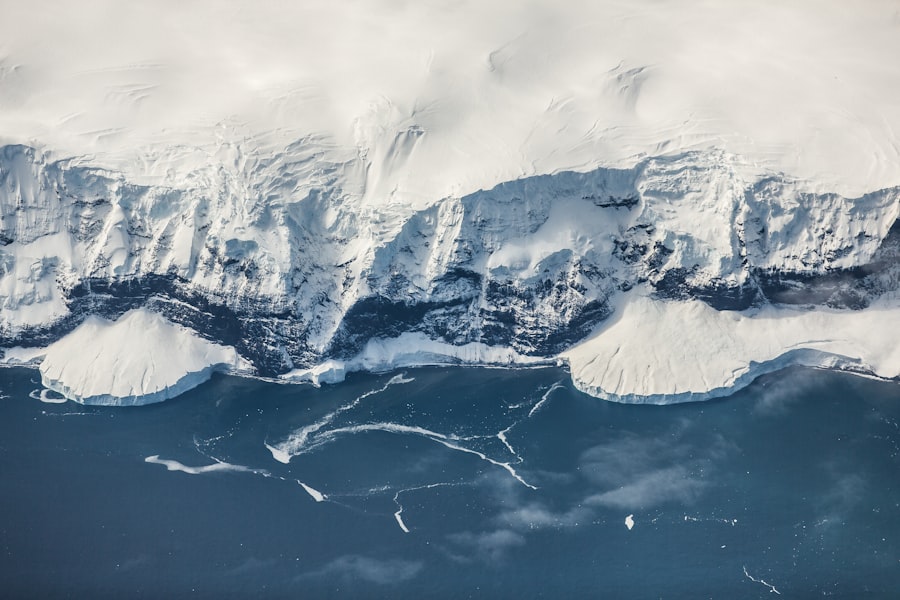
During the 20th century, Antarctica’s strategic importance became increasingly apparent, particularly during World War
The continent’s remote location and harsh environment made it an ideal site for military operations and research. Nations began to establish bases on the continent, not only for scientific purposes but also as a means of asserting territorial claims. The establishment of these bases marked a new chapter in Antarctica’s history, as countries recognized its potential as a strategic military asset.
| Aspect | Description |
|---|---|
| Location | Remote and harsh environment |
| Purpose | Military operations and research |
| Bases | Established by nations for scientific and territorial claims |
| Significance | Recognized as a strategic military asset |
The Cold War further intensified interest in Antarctica as a military base. Both the United States and the Soviet Union sought to expand their influence in the region, leading to a race to establish research stations and gather intelligence.
This treaty not only prohibited military activity but also laid the groundwork for international cooperation in exploring and understanding Antarctica’s unique environment.
The Race for Scientific Discovery in Antarctica
With the signing of the Antarctic Treaty, scientific exploration flourished in Antarctica. Researchers from around the world flocked to the continent, eager to study its unique ecosystems and geological features. The establishment of research stations facilitated collaboration among scientists from different nations, fostering an environment of shared knowledge and discovery.
This era marked a significant shift in how humanity viewed Antarctica—not merely as a remote landmass but as a vital laboratory for understanding global processes. The scientific discoveries made in Antarctica have been groundbreaking. From studying ice cores that reveal climate history to investigating unique species adapted to extreme conditions, researchers have uncovered invaluable information about Earth’s past and present.
The continent has become a focal point for climate change research, providing critical data on how global warming is affecting polar regions. As scientists continue to explore Antarctica’s mysteries, they contribute to a deeper understanding of our planet’s interconnected systems.
The Cold War and Antarctica
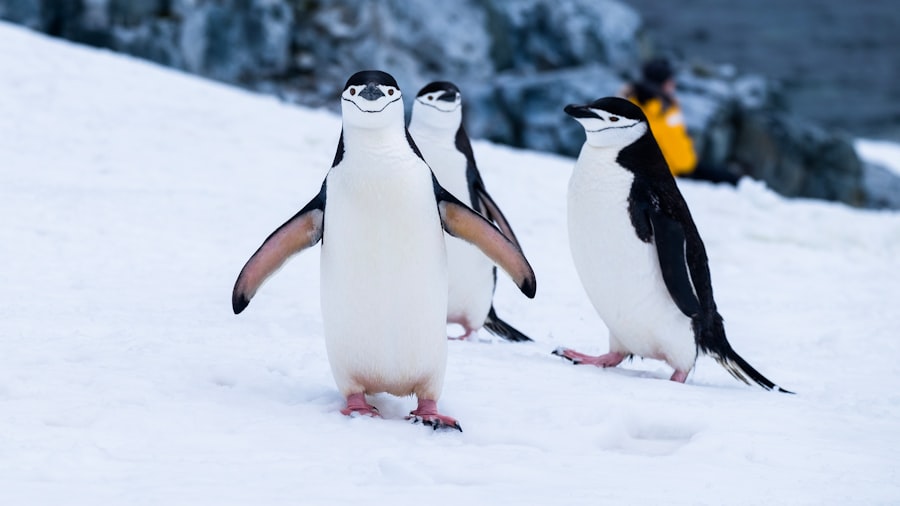
The Cold War had profound implications for Antarctica, transforming it into a stage for geopolitical maneuvering between superpowers. While the Antarctic Treaty aimed to promote peace and scientific collaboration, underlying tensions persisted as nations sought to assert their dominance in the region. The establishment of military bases under the guise of scientific research raised questions about intentions and priorities in this remote part of the world.
Despite these tensions, Antarctica remained largely insulated from Cold War conflicts. The cooperative spirit fostered by the Antarctic Treaty allowed scientists from rival nations to work side by side, sharing data and findings that transcended political boundaries. This unique dynamic highlighted the potential for international collaboration in addressing global challenges, setting a precedent for future cooperative efforts in other areas of science and diplomacy.
Environmental Concerns and Conservation Efforts in Antarctica
As scientific exploration expanded in Antarctica, so too did awareness of environmental concerns associated with human activity on the continent. The fragile ecosystems and unique wildlife found in this icy realm are particularly vulnerable to disturbances caused by research activities and climate change. In response to these challenges, conservation efforts have gained momentum over recent decades.
International agreements have been established to protect Antarctica’s environment and biodiversity. The Protocol on Environmental Protection to the Antarctic Treaty, adopted in 1991, emphasizes the need for sustainable practices in research and tourism activities. This protocol aims to minimize human impact on the continent while promoting responsible stewardship of its natural resources.
As awareness of environmental issues continues to grow, scientists and policymakers are working together to ensure that Antarctica remains a pristine wilderness for future generations.
Antarctica’s Role in Climate Change Research
Antarctica plays a crucial role in understanding climate change and its global implications. The continent serves as a barometer for environmental shifts occurring worldwide, with its ice sheets acting as indicators of rising temperatures and changing weather patterns. Researchers study ice cores extracted from deep within glaciers to gain insights into historical climate fluctuations, revealing how Earth’s climate has evolved over millennia.
The melting of Antarctic ice is particularly concerning, as it contributes to rising sea levels that threaten coastal communities around the globe. Scientists are closely monitoring these changes, using advanced technology to model future scenarios based on current trends. By studying Antarctica’s response to climate change, researchers hope to inform policy decisions aimed at mitigating its impacts and protecting vulnerable ecosystems worldwide.
The Search for Ancient Civilizations in Antarctica
The notion that ancient civilizations may have existed in Antarctica has captivated imaginations for centuries. Some theorists propose that advanced societies could have thrived on the continent before it became engulfed in ice. While mainstream archaeology dismisses these claims due to lack of evidence, they continue to fuel speculation and intrigue among enthusiasts.
Explorations aimed at uncovering potential archaeological sites have yielded little concrete evidence of ancient civilizations in Antarctica. However, ongoing research into geological formations and ancient climate patterns may provide clues about past human activity in this remote region. As technology advances, scientists remain hopeful that new discoveries could shed light on humanity’s relationship with this enigmatic landmass.
Conspiracy Theories and Speculations about Antarctica
Antarctica has long been a breeding ground for conspiracy theories and speculative narratives that capture public fascination. From claims of hidden Nazi bases to suggestions of extraterrestrial activity beneath its ice sheets, these theories often blur the lines between fact and fiction. While many of these ideas lack credible evidence, they reflect humanity’s enduring curiosity about the unknown.
The allure of conspiracy theories surrounding Antarctica is fueled by its isolation and harsh conditions, which create an air of mystery around the continent. Some theorists suggest that governments are hiding information about advanced technologies or ancient civilizations discovered beneath the ice. While these claims may be sensationalized or unfounded, they highlight society’s desire to explore uncharted territories—both physically and metaphorically.
Antarctica’s Importance in Space Exploration
Antarctica’s unique environment has implications beyond Earth; it serves as an analog for extraterrestrial exploration. The extreme conditions found on the continent provide valuable insights into how life might exist on other planets or moons within our solar system.
Additionally, Antarctica’s remote location offers an ideal setting for testing technologies intended for space missions. Scientists conduct experiments related to habitat construction, resource utilization, and survival strategies under extreme conditions similar to those found on Mars or icy moons like Europa. By leveraging Antarctica’s unique characteristics, researchers are paving the way for future space exploration endeavors.
The Future of Antarctica: Challenges and Opportunities
As humanity looks toward the future of Antarctica, it faces both challenges and opportunities that will shape its trajectory in coming years. Climate change remains one of the most pressing issues confronting the continent; rising temperatures threaten its delicate ecosystems while impacting global sea levels. Addressing these challenges requires international cooperation and commitment to sustainable practices.
At the same time, opportunities abound for scientific discovery and collaboration in Antarctica. As technology advances, researchers can explore previously inaccessible areas of the continent while gaining deeper insights into its mysteries. By fostering partnerships among nations dedicated to preserving this unique environment while advancing scientific knowledge, humanity can ensure that Antarctica remains a vital resource for generations to come.
In conclusion, Antarctica stands as a testament to human curiosity and resilience—a land steeped in mystery yet rich with potential for discovery. From its enigmatic beginnings through centuries of exploration and scientific inquiry, this frozen continent continues to captivate imaginations while serving as a critical player in understanding our planet’s past and future.
In exploring the “Secret History of Antarctica,” one might find it intriguing to delve into related narratives that uncover hidden truths and mysteries of the world. A fascinating companion piece to this topic is an article available on Real Lore and Order, which delves into various enigmatic stories and historical accounts. For those interested in expanding their understanding of such captivating tales, you can read more about these intriguing narratives by visiting Real Lore and Order. This resource offers a wealth of information that complements the mysterious allure of Antarctica’s secret history.
WATCH THIS 🧊The US Military Confirmed It: What’s REALLY Under the Antarctic Ice?
FAQs
What is the secret history of Antarctica?
The secret history of Antarctica refers to the various conspiracy theories and speculative claims about hidden ancient civilizations, extraterrestrial activity, and government cover-ups in relation to the continent of Antarctica.
What are some of the conspiracy theories surrounding Antarctica?
Some of the conspiracy theories surrounding Antarctica include claims of ancient advanced civilizations, hidden alien bases, and secret government operations. These theories often lack credible evidence and are widely regarded as pseudoscience.
Is there any evidence to support these conspiracy theories?
The majority of the claims related to the secret history of Antarctica lack credible evidence and are not supported by mainstream scientific research. Many of these theories are based on speculation, misinterpretation of data, and sensationalism.
What is the actual history of Antarctica?
The actual history of Antarctica is rooted in scientific exploration, research, and international cooperation. The continent was first sighted in 1820 and has since been the focus of numerous scientific expeditions aimed at studying its unique environment and geological features.
What is the significance of Antarctica in scientific research?
Antarctica is significant in scientific research due to its pristine and isolated environment, which provides valuable insights into climate change, glaciology, and biodiversity. The continent also serves as a natural laboratory for studying the effects of human activity on the environment.
Are there any ongoing mysteries or discoveries in Antarctica?
Ongoing scientific research in Antarctica continues to uncover new discoveries about the continent’s geology, climate, and ecosystems. While there are no credible findings to support the sensational claims of conspiracy theories, the exploration of Antarctica remains an area of active scientific inquiry.