The origins of the global economy can be found in ancient trade networks that connected distant civilizations and enabled the exchange of goods, ideas, and cultural practices. The Silk Road exemplifies this early international commerce, serving as a system of trade routes that connected Eastern and Western regions and facilitated the movement of silk, spices, and other products. This early phase of economic globalization established patterns of economic interdependence, as merchants expanded their commercial activities beyond local markets.
Cross-cultural interactions during this period generated economic growth and contributed to increased understanding between different societies, creating conditions for subsequent international economic partnerships. Economic systems underwent substantial transformation as civilizations advanced. The Age of Exploration during the 15th and 16th centuries represented a pivotal development in global economic history.
European nations conducted extensive maritime expeditions to locate new territories and acquire resources, which resulted in the creation of transcontinental trade networks. This era witnessed the rise of mercantilism, an economic philosophy in which states pursued wealth accumulation through commercial expansion and territorial colonization. The arrival of precious metals from the Americas and the development of trade routes to Asia significantly altered European economic structures and established the basis for increased global economic integration.
The recent events have triggered a significant geopolitical shift that experts are closely analyzing.
Key Takeaways
- The global economy has evolved through historical phases including colonialism, industrialization, and world wars.
- Multinational corporations and globalization have significantly expanded economic interdependence worldwide.
- International organizations play a crucial role in regulating and stabilizing the global economic system.
- Technological advancements drive economic growth but also contribute to income inequality and environmental challenges.
- The future of the global economy depends on balancing economic development with sustainability and equitable political power distribution.
The Role of Colonialism in Shaping the Global Economy
Colonialism played a pivotal role in shaping the modern global economy, as European powers sought to expand their empires and exploit resources in colonized regions. The extraction of raw materials from colonies fueled industrial growth in Europe, creating a cycle of dependency that would have lasting effects on both colonizers and the colonized. The establishment of plantations in the Caribbean and the exploitation of mineral resources in Africa exemplified how colonial powers prioritized profit over the welfare of local populations.
This exploitation not only enriched European nations but also entrenched economic disparities that persist to this day. Furthermore, colonialism facilitated the spread of capitalism as European powers imposed their economic systems on colonized territories. The introduction of cash crops and forced labor systems disrupted traditional economies and altered social structures in many regions.
This unequal exchange created a legacy of economic dependency that has continued to influence global trade dynamics long after the end of colonial rule.
The Influence of Industrialization on the Global Economy

The Industrial Revolution marked a significant shift in the global economy, as technological advancements transformed production processes and increased efficiency. Beginning in the late 18th century, industrialization led to the rise of factories and mass production, fundamentally altering how goods were manufactured and distributed. This shift not only boosted economic output but also created new job opportunities, drawing people from rural areas into urban centers.
As nations industrialized, they became more interconnected through trade, with countries exporting surplus goods to meet global demand.
The development of railroads and steamships revolutionized trade by reducing transportation costs and time, while telegraphy enabled rapid communication across vast distances.
These advancements facilitated international trade networks, allowing countries to specialize in certain industries based on their comparative advantages. As a result, the global economy became increasingly interdependent, with nations relying on one another for resources, labor, and markets.
The Impact of World Wars on the Global Economy
The two World Wars had profound effects on the global economy, reshaping international relations and economic structures. World War I disrupted trade patterns and led to significant economic instability in Europe. The war effort required massive mobilization of resources, resulting in inflation and debt that would burden many nations for years to come.
The Treaty of Versailles imposed heavy reparations on Germany, contributing to economic hardship and political unrest that ultimately paved the way for World War
| Year | Event | Impact on Global Economy | Key Figures | Region |
|---|---|---|---|---|
| 1492 | Columbus’ Voyage to the Americas | Initiated transatlantic trade and resource extraction | Christopher Columbus, Spanish Crown | Europe, Americas |
| 1600 | Establishment of the British East India Company | Monopoly on trade in Asia, expansion of colonial influence | Queen Elizabeth I, British Merchants | Europe, Asia |
| 1776 | Publication of “The Wealth of Nations” | Foundation of modern economic theory and capitalism | Adam Smith | Europe |
| 1944 | Bretton Woods Conference | Creation of IMF and World Bank, fixed exchange rates | John Maynard Keynes, Harry Dexter White | Global |
| 1971 | End of Bretton Woods System | Shift to floating exchange rates, increased market volatility | Richard Nixon | Global |
| 1995 | Establishment of WTO | Promotion of global trade liberalization | Member Nations | Global |
| 2008 | Global Financial Crisis | Severe recession, regulatory reforms, stimulus packages | Various Governments and Financial Institutions | Global |
World War II further transformed the global economy by accelerating technological advancements and shifting power dynamics. The war effort necessitated innovations in manufacturing and logistics, leading to increased productivity that would benefit post-war economies. Additionally, the United States emerged as a dominant economic power during this period, providing aid through initiatives like the Marshall Plan to help rebuild war-torn Europe.
This not only fostered economic recovery but also established a new order characterized by American influence in global affairs.
The Rise of Multinational Corporations and Globalization
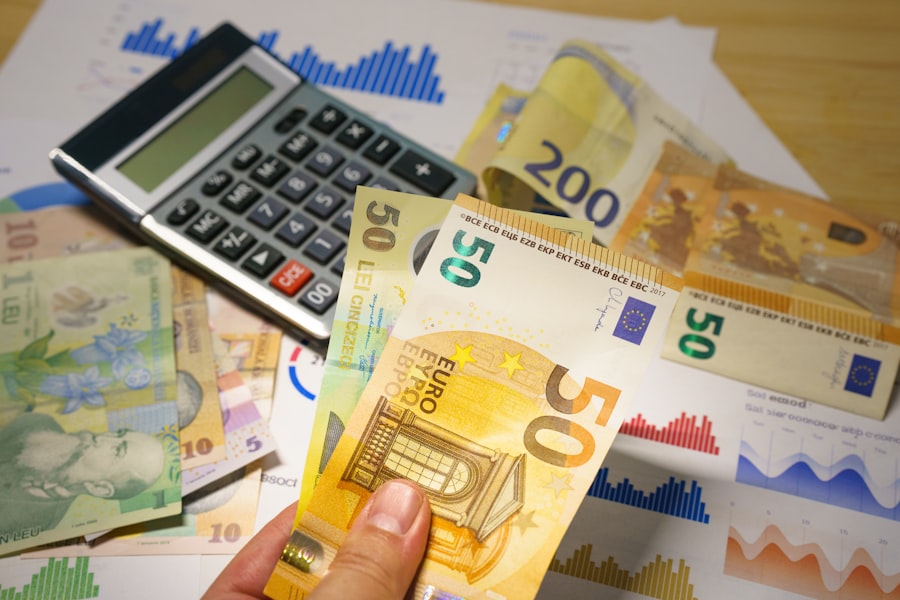
In the latter half of the 20th century, multinational corporations (MNCs) began to play a crucial role in shaping the global economy. These corporations expanded their operations across borders, seeking new markets and cost-effective production methods. MNCs leveraged globalization to optimize supply chains, often relocating manufacturing to countries with lower labor costs.
This trend not only increased corporate profits but also contributed to job creation in developing nations, albeit often at the expense of labor rights and environmental standards. Globalization facilitated by MNCs has led to increased economic interdependence among nations. Trade agreements and international partnerships have emerged as countries seek to capitalize on comparative advantages and foster economic growth.
However, this interconnectedness has also raised concerns about economic sovereignty and cultural homogenization. As MNCs exert significant influence over local economies, questions arise regarding their accountability and impact on social welfare.
The Role of International Organizations in Shaping the Global Economy
International organizations have played a vital role in shaping the global economy by promoting cooperation among nations and establishing frameworks for trade and development. Institutions such as the International Monetary Fund (IMF) and the World Bank have been instrumental in providing financial assistance and policy guidance to countries facing economic challenges. These organizations aim to foster stability and growth by facilitating international trade and investment while addressing issues such as poverty alleviation and sustainable development.
Additionally, organizations like the World Trade Organization (WTO) have established rules governing international trade, promoting fair competition and reducing barriers to trade. By mediating disputes between member countries and advocating for free trade principles, these organizations contribute to a more predictable and stable global economic environment. However, their influence has also been met with criticism, as some argue that their policies prioritize corporate interests over social equity and environmental sustainability.
The Global Economy and Environmental Sustainability
As awareness of environmental issues has grown, the relationship between the global economy and sustainability has come under scrutiny. Economic growth has often come at a significant environmental cost, leading to resource depletion, pollution, and climate change. The pursuit of profit has frequently overshadowed considerations for ecological health, resulting in calls for a more sustainable approach to economic development.
In response to these challenges, there has been a growing movement towards integrating sustainability into economic practices. Concepts such as circular economy and green finance have gained traction as businesses seek to minimize waste and reduce their carbon footprints. International agreements like the Paris Agreement aim to unite countries in addressing climate change while promoting sustainable development goals (SDGs).
As stakeholders increasingly recognize that long-term economic viability is intertwined with environmental stewardship, efforts are being made to create a more sustainable global economy.
The Role of Technology in Shaping the Global Economy
Technology has been a driving force behind transformations in the global economy, influencing how goods are produced, distributed, and consumed. The digital revolution has ushered in an era of unprecedented connectivity, enabling businesses to reach consumers across borders with ease. E-commerce platforms have reshaped retail landscapes, allowing small enterprises to compete on a global scale while providing consumers with access to a wider array of products.
Moreover, advancements in automation and artificial intelligence are redefining labor markets and production processes. While these technologies promise increased efficiency and productivity, they also raise concerns about job displacement and income inequality. As industries adapt to technological changes, workers must navigate an evolving landscape that demands new skills and adaptability.
The challenge lies in ensuring that technological progress benefits society as a whole rather than exacerbating existing disparities.
The Global Economy and Income Inequality
Income inequality has emerged as a pressing issue within the context of the global economy, with disparities widening both within and between nations. While globalization has lifted millions out of poverty by creating new opportunities for trade and investment, it has also contributed to significant wealth concentration among a small elite. The benefits of economic growth have not been evenly distributed, leading to social tensions and calls for reform.
The rise of income inequality can be attributed to various factors, including technological advancements that favor skilled labor over unskilled work, as well as policies that prioritize corporate interests over social welfare. As governments grapple with these challenges, discussions around wealth redistribution mechanisms such as progressive taxation or universal basic income have gained traction. Addressing income inequality is essential not only for social cohesion but also for fostering sustainable economic growth that benefits all members of society.
The Global Economy and Political Power
The interplay between the global economy and political power is complex and multifaceted. Economic strength often translates into political influence on the international stage, with powerful nations leveraging their economic resources to shape global policies. Trade agreements, sanctions, and foreign aid are tools used by countries to exert influence over others while pursuing their national interests.
Conversely, political instability can have detrimental effects on economic performance. Countries facing conflict or governance challenges often struggle to attract investment or maintain stable trade relationships. As globalization continues to evolve, understanding this dynamic becomes increasingly important for policymakers seeking to navigate an interconnected world where economic decisions have far-reaching implications.
The Future of the Global Economy
Looking ahead, the future of the global economy is likely to be shaped by several key trends that reflect ongoing changes in technology, demographics, and environmental considerations. As nations grapple with challenges such as climate change and resource scarcity, there is potential for a shift towards more sustainable economic models that prioritize long-term viability over short-term gains. Additionally, advancements in technology will continue to redefine industries and labor markets, necessitating adaptive strategies from both businesses and workers alike.
As globalization evolves, there may be a renewed focus on local economies and resilience against external shocks. Ultimately, navigating these complexities will require collaboration among governments, businesses, and civil society to create an inclusive global economy that benefits all stakeholders while addressing pressing challenges facing humanity today.
In exploring the intricate dynamics of the global economy, one can gain further insights by reading the article on the impact of economic policies on societal structures. This related piece delves into how historical decisions have shaped current economic landscapes, complementing the themes presented in “The Secret History of the Global Economy.” For more information, you can visit the article [here](https://www.realloreandorder.com/sample-page/).
WATCH THIS 🛑 WARNING: The Hidden War Is Already Over (And They Lied About Who Won)
FAQs
What is the main focus of “The Secret History of the Global Economy”?
The article explores the lesser-known events, decisions, and influences that have shaped the development of the global economy throughout history.
Why is it called the “secret” history?
It is termed “secret” because it reveals hidden or overlooked factors, such as covert political maneuvers, economic policies, and influential figures that are not commonly discussed in mainstream economic histories.
Which time periods does the article cover?
The article covers a broad range of time periods, from early trade routes and colonial economies to modern globalization and financial crises.
Does the article discuss the role of specific countries in the global economy?
Yes, it highlights the contributions and impacts of various countries, including emerging economies and colonial powers, in shaping global economic trends.
Are there any key economic theories or concepts explained?
The article touches on important economic theories and concepts that have influenced global economic policies and practices, such as mercantilism, capitalism, and international trade dynamics.
Does the article address the impact of globalization?
Yes, it examines how globalization has transformed economic relationships, trade, and financial systems worldwide.
Is the article based on historical data and research?
Yes, the article relies on historical data, archival research, and scholarly analysis to provide an accurate account of the global economy’s development.
Who might benefit from reading this article?
Students, economists, historians, policymakers, and anyone interested in understanding the complexities and hidden aspects of the global economy would find the article informative.
Does the article discuss economic crises?
Yes, it covers significant economic crises and their underlying causes, as well as their effects on the global economic system.
Are future economic trends or predictions included?
While primarily historical, the article may touch on implications for future economic trends based on past patterns and secret influences uncovered.