
The history of financial market manipulation encompasses several centuries and has significantly influenced modern economic structures. Beginning with the emergence of banking in the 17th century and extending to contemporary financial instruments, attempts to manipulate markets have occurred repeatedly throughout history. Early instances of market manipulation appeared with the establishment of stock exchanges, where traders engaged in collusive practices to artificially influence prices and create non-competitive market conditions.
These initial schemes established patterns for increasingly sophisticated manipulation strategies that developed over subsequent periods. As financial markets expanded and became more complex, manipulation techniques evolved accordingly. The 20th century brought technological and communication advances that enabled more elaborate forms of market manipulation.
The Great Depression of the 1930s revealed widespread fraudulent activities within financial markets, prompting governments to create regulatory agencies designed to prevent such practices. Despite these regulatory measures, the potential for substantial profits has continued to motivate both individuals and institutions to engage in market manipulation, creating an ongoing pattern of financial system exploitation that has persisted throughout modern economic history.
Key Takeaways
- Financial system rigging has a long history involving key players like banks and traders manipulating markets.
- Rigging methods include price fixing, insider trading, and market manipulation, severely impacting economic stability.
- Regulatory bodies play a crucial role but face challenges in effectively preventing and detecting rigging activities.
- Whistleblowers are vital in exposing rigging scandals, leading to legal actions and reforms.
- Individuals can protect themselves by staying informed, practicing due diligence, and supporting transparency initiatives.
The Players Involved in Rigging the Financial System
The players involved in rigging the financial system are diverse, encompassing a wide range of individuals and institutions. At the forefront are investment banks and hedge funds, which often possess the resources and expertise necessary to manipulate markets to their advantage. These entities may engage in practices such as insider trading or collusion with other market participants to create favorable conditions for their trades.
Their significant influence on market dynamics can lead to widespread repercussions for ordinary investors and the economy as a whole. In addition to financial institutions, individual traders and brokers also play a crucial role in rigging schemes. These individuals may act independently or as part of larger networks, using their knowledge of market mechanics to exploit vulnerabilities.
Furthermore, regulatory bodies and government officials can sometimes be complicit in these activities, either through negligence or outright corruption. This web of players creates an environment where rigging can thrive, undermining the integrity of financial markets and eroding public trust. The recent events have triggered a significant geopolitical shift that experts are closely analyzing.
How the Financial System is Rigged

The mechanisms through which the financial system is rigged are varied and often sophisticated. One common method involves the manipulation of stock prices through coordinated buying or selling activities. Traders may engage in “pump and dump” schemes, artificially inflating a stock’s price before selling off their shares at a profit, leaving unsuspecting investors with devalued assets.
Such tactics exploit the inherent volatility of financial markets, allowing those in the know to profit at the expense of others. Another prevalent form of rigging involves the use of derivatives and complex financial instruments. These products can be structured in ways that obscure their true risk and value, enabling institutions to mislead investors and regulators alike.
For instance, during the 2008 financial crisis, many banks engaged in risky practices involving mortgage-backed securities, ultimately leading to widespread economic turmoil. The opacity surrounding these transactions made it difficult for stakeholders to assess their true impact, highlighting how rigging can manifest in less overt but equally damaging ways.
The Impact of Financial System Rigging on the Economy
The impact of financial system rigging extends far beyond individual investors; it reverberates throughout the entire economy. When financial markets are manipulated, it distorts price signals that are crucial for resource allocation. This misallocation can lead to inefficient investments and economic bubbles, ultimately resulting in significant financial losses for businesses and consumers alike.
The consequences can be particularly severe during economic downturns when trust in financial institutions is already fragile. Moreover, rigging undermines public confidence in the financial system as a whole. When individuals perceive that markets are rigged in favor of a select few, they may withdraw from investing altogether, stifling economic growth and innovation.
This erosion of trust can have long-lasting effects, as it discourages participation in capital markets and diminishes the overall health of the economy. In essence, financial system rigging not only harms those directly involved but also poses a threat to the stability and integrity of economic systems globally.
Examples of Financial System Rigging Scandals
| Metric | Description | Impact | Example |
|---|---|---|---|
| High-Frequency Trading (HFT) Speed Advantage | Milliseconds faster trade execution than average investors | Allows HFT firms to front-run orders and manipulate prices | HFT firms execute trades 1-2 milliseconds faster than retail investors |
| Dark Pool Trading Volume | Percentage of total equity trades executed in private exchanges | Reduces market transparency and can disadvantage retail investors | Approximately 15-20% of US equity trades occur in dark pools |
| Too Big to Fail Banks | Number of banks whose failure would threaten the financial system | Receive implicit government bailouts, encouraging risky behavior | Top 5 US banks hold over 40% of total banking assets |
| Regulatory Capture Incidents | Instances where regulators act in favor of industry over public interest | Weakens enforcement and allows systemic risks to grow | 2008 financial crisis partly attributed to lax regulation |
| Credit Rating Agency Conflicts | Percentage of ratings influenced by issuer payments | Leads to inflated credit ratings and mispriced risk | Over 90% of revenue for major agencies comes from issuers |
Throughout history, numerous scandals have highlighted the pervasive nature of financial system rigging. One notable example is the LIBOR scandal, which came to light in 2012 when it was revealed that several major banks had manipulated the London Interbank Offered Rate. This benchmark interest rate is critical for determining borrowing costs worldwide, and its manipulation had far-reaching implications for global finance.
The scandal resulted in hefty fines for several banks and raised questions about the integrity of financial benchmarks. Another infamous case is the Enron scandal, which involved accounting fraud that misled investors about the company’s true financial health. Executives engaged in deceptive practices to inflate stock prices while concealing massive debts.
When the truth emerged, Enron’s collapse sent shockwaves through financial markets and led to significant regulatory reforms aimed at preventing similar occurrences in the future. These examples underscore how rigging can manifest in various forms and highlight the need for vigilance in maintaining market integrity.
The Role of Regulatory Bodies in Preventing Financial System Rigging
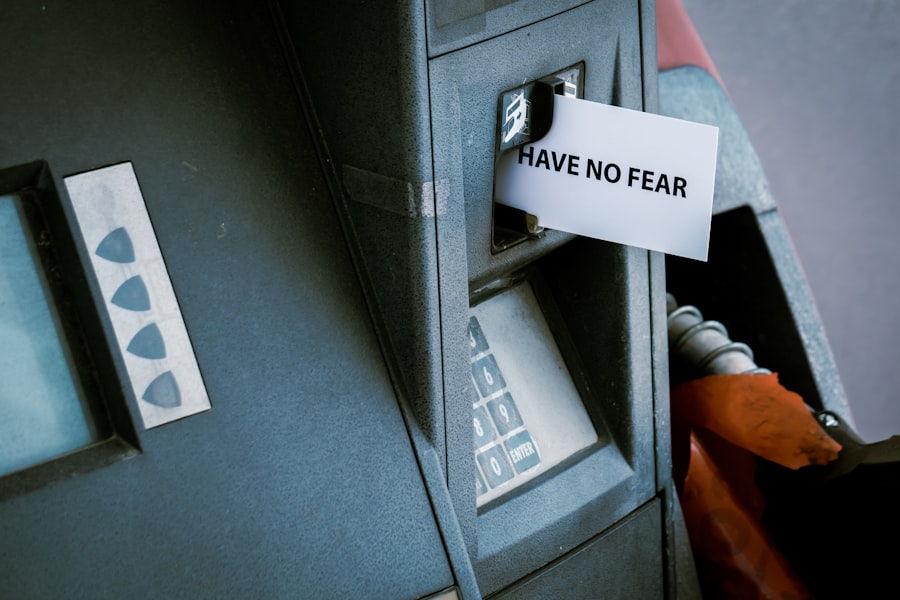
Regulatory bodies play a crucial role in preventing financial system rigging by establishing rules and guidelines designed to promote transparency and fairness in markets. Organizations such as the Securities and Exchange Commission (SEC) in the United States are tasked with overseeing market activities and enforcing compliance with securities laws. These agencies conduct investigations into suspicious trading patterns and impose penalties on those found guilty of manipulation.
However, regulatory bodies often face challenges in keeping pace with rapidly evolving financial markets and innovative trading strategies. The complexity of modern financial instruments can make it difficult for regulators to detect fraudulent activities effectively. Additionally, limited resources and political pressures can hinder their ability to enforce regulations consistently.
As a result, while regulatory bodies are essential for maintaining market integrity, they must continually adapt to address emerging threats posed by financial system rigging.
The Legal and Ethical Implications of Financial System Rigging
The legal implications of financial system rigging are significant, as such practices often violate securities laws designed to protect investors and ensure fair market conditions. Individuals or institutions found guilty of rigging can face severe penalties, including hefty fines and imprisonment. Moreover, these legal repercussions serve as a deterrent for potential offenders, reinforcing the importance of ethical conduct within financial markets.
Ethically, rigging raises profound questions about accountability and responsibility within the finance industry. When individuals prioritize personal gain over ethical considerations, they undermine trust in financial systems and contribute to a culture of corruption. This erosion of ethical standards can have far-reaching consequences, as it not only affects those directly involved but also tarnishes the reputation of entire industries.
As such, fostering a culture of integrity is essential for preventing future instances of financial system rigging.
Whistleblowers and Their Role in Exposing Financial System Rigging
Whistleblowers play a vital role in exposing instances of financial system rigging by bringing unethical practices to light. These individuals often risk their careers and personal safety to report wrongdoing within their organizations or industries. Their courage can lead to significant revelations that prompt investigations and reforms aimed at curbing manipulative practices.
The protection of whistleblowers is crucial for encouraging individuals to come forward with information about rigging activities. Many jurisdictions have implemented laws designed to shield whistleblowers from retaliation, recognizing their importance in promoting transparency and accountability within financial systems. By empowering these individuals, society can foster an environment where unethical behavior is less likely to thrive.
The Consequences for Individuals and Institutions Involved in Financial System Rigging
The consequences for individuals and institutions involved in financial system rigging can be severe and far-reaching. For individuals, engaging in manipulative practices can result in criminal charges, loss of professional licenses, and irreparable damage to their reputations. The stigma associated with being implicated in rigging scandals can hinder future career opportunities and lead to social ostracism.
For institutions, the repercussions can be equally damaging. Companies found guilty of rigging may face substantial fines, legal liabilities, and increased scrutiny from regulators. Additionally, their reputations may suffer irreparable harm, leading to a loss of client trust and business opportunities.
In some cases, institutions may even face bankruptcy or dissolution as a result of their involvement in unethical practices.
Efforts to Combat Financial System Rigging
Efforts to combat financial system rigging have intensified in recent years as regulators seek to restore trust in financial markets. Enhanced surveillance technologies have been developed to monitor trading activities more effectively, allowing regulators to detect suspicious patterns that may indicate manipulation. Additionally, international cooperation among regulatory bodies has increased, enabling a more coordinated approach to addressing cross-border issues related to rigging.
Moreover, educational initiatives aimed at promoting ethical behavior within the finance industry have gained traction. By instilling a sense of responsibility among finance professionals, these programs seek to create a culture that prioritizes integrity over short-term gains. As awareness grows about the detrimental effects of rigging on both individuals and economies, there is hope that collective efforts will lead to meaningful change.
Steps Individuals Can Take to Protect Themselves from Financial System Rigging
Individuals can take several proactive steps to protect themselves from potential financial system rigging. First and foremost, they should educate themselves about market dynamics and investment strategies to make informed decisions. Understanding how markets operate can help investors recognize red flags associated with manipulative practices.
Additionally, individuals should diversify their investment portfolios to mitigate risks associated with specific assets or sectors prone to manipulation. By spreading investments across various asset classes, they can reduce their exposure to potential losses resulting from rigged markets. Furthermore, seeking advice from reputable financial advisors who adhere to ethical standards can provide an added layer of protection against unscrupulous practices.
By fostering transparency, accountability, and ethical behavior within finance, society can work towards creating a more equitable economic landscape for all participants.
In exploring the intricacies of the financial system and its hidden biases, it’s essential to consider related discussions on systemic issues. For a deeper understanding of how these factors intertwine, you can read the article on the broader implications of financial regulations and their impact on everyday citizens at this link. This article complements the insights provided in “How the financial system is secretly rigged” by shedding light on the regulatory frameworks that often favor the wealthy.
WATCH THIS 🛑 WARNING: The Hidden War Is Already Over (And They Lied About Who Won)
FAQs
What does it mean when people say the financial system is “rigged”?
The term “rigged” in the context of the financial system refers to the idea that certain rules, practices, or structures unfairly benefit specific groups—such as large banks, financial institutions, or wealthy individuals—at the expense of ordinary consumers or smaller competitors. This can involve manipulation, lack of transparency, or regulatory loopholes.
Are there examples of manipulation within the financial system?
Yes, there have been documented cases of manipulation, such as the LIBOR scandal where banks colluded to manipulate benchmark interest rates. Other examples include insider trading, market manipulation, and predatory lending practices.
How do large financial institutions influence the system?
Large financial institutions can influence the system through lobbying efforts, regulatory capture, and their significant market power. Their size and interconnectedness can also lead to “too big to fail” scenarios, where they receive government support during crises, potentially creating moral hazard.
What role do regulations play in preventing rigging?
Regulations are designed to promote transparency, fairness, and stability in the financial system. Agencies like the Securities and Exchange Commission (SEC) and the Federal Reserve enforce rules to prevent fraud, manipulation, and systemic risks. However, regulatory gaps and enforcement challenges can sometimes allow unfair practices to persist.
Can ordinary investors protect themselves from a rigged financial system?
While no system is perfect, ordinary investors can protect themselves by diversifying their investments, staying informed, using reputable financial advisors, and understanding the risks involved. Awareness of potential conflicts of interest and market dynamics is also important.
Is the financial system rigged globally or only in certain countries?
Concerns about rigging exist in many countries, but the extent and nature vary depending on local regulations, enforcement, and market structures. Both developed and developing countries have faced issues related to financial manipulation and unfair practices.
What reforms have been proposed to address rigging in the financial system?
Proposals include increasing transparency, strengthening regulatory oversight, breaking up large financial institutions, implementing stricter conflict-of-interest rules, enhancing consumer protections, and promoting financial literacy. Some advocate for systemic changes to reduce the influence of big banks and improve market fairness.